










Ukrainian Air Defense: How many air defense systems does Ukraine have, and how many are needed for complete security?
Kyiv • UNN
Ukraine had 225 air defense systems in 1992, and by 2019, only about 60 remained. Partners have transferred about 100 air defense missile systems to Ukraine, but the country has lost 171 systems.

Air defense has become a key element of Ukraine's survival in the war. Despite significant international support, the shortage of modern air defense systems remains palpable. UNN investigated how many air defense systems Ukraine had before the war, how much assistance it received from partners to protect its skies, and how much more is needed.
What is air defense?
Most people far from military affairs imagine air defense as a launcher where an operator sits, pressing a single button, and shooting down enemy targets in the sky – missiles, drones, aircraft. However, this is not the case.
Air defense is anti-aircraft defense; often, the word "system" is added to these three letters, and for good reason, because air defense is precisely an air defense system that includes many interconnected detection and destruction means.
A complex or air defense system includes a radar station that detects air targets, fire control systems from which fire is conducted, and the launcher itself. That is, one air defense system can consist of several units of equipment.
Each individual element does not solve the task of protection; only as part of a complex can an air target be found and destroyed.
How does air defense work?
The radar station detects an enemy target in the sky; after an enemy missile or aircraft is detected, its flight is tracked to determine its direction, altitude, and speed. This data is needed to form a target designation, that is, to set the flight path of its anti-aircraft missile or to choose a warning for an anti-aircraft gun.
There are two main guidance principles:
- command guidance – when commands are given to the missile from the ground where to fly;
- homing – when the missile itself locks onto the target and controls its flight.
For an anti-aircraft missile to hit an aerial target, it must be launched not where the target is at that moment, but where it will appear later.
How many air defense systems did Ukraine have before 2022?
The exact number of air defense systems before the start of the full-scale invasion is unknown, but in April, Ukrainian President Volodymyr Zelenskyy told journalists that Ukraine had 225 air defense systems in 1992. By 2019, only about 60 remained.
"The Armed Forces of Ukraine are destroying many enemy air defense systems. S-400 and others. And they are really destroying them. This is hard work, this is the right result, very good work. You know, Ukraine had 225 systems in 1992. In 2019, there were about 60. Most of the systems 'disappeared somewhere' between 2000 and 2019. By 2000, Ukraine had 168-169 left out of 225, so there were already fewer, but there were 170 systems. And in the following years until 2019, we had about 60 left. Why am I saying this? I'm saying that we need to understand what the density of Ukraine's defense was. Why? To understand what kind of defense the Russians have. Because our systems were sold not only to the Middle East, but also to the Russians," Zelenskyy said then.
The air defense fleet in Ukraine mainly consisted of Soviet legacy. According to the International Institute for Strategic Studies (IISS), in 2021, Ukraine had more than 250 S-300 anti-aircraft missile systems of various modifications (of which about 170 S-300PS/PT and 8 S-300PMU launchers), up to 75 Buk-M1 systems, about 90 2K12 Kub systems, about 10 9K330 Tor systems, and hundreds of Osa, Strela-10 systems, and self-propelled anti-aircraft guns (SPAAGs) Tunguska, Shilka.
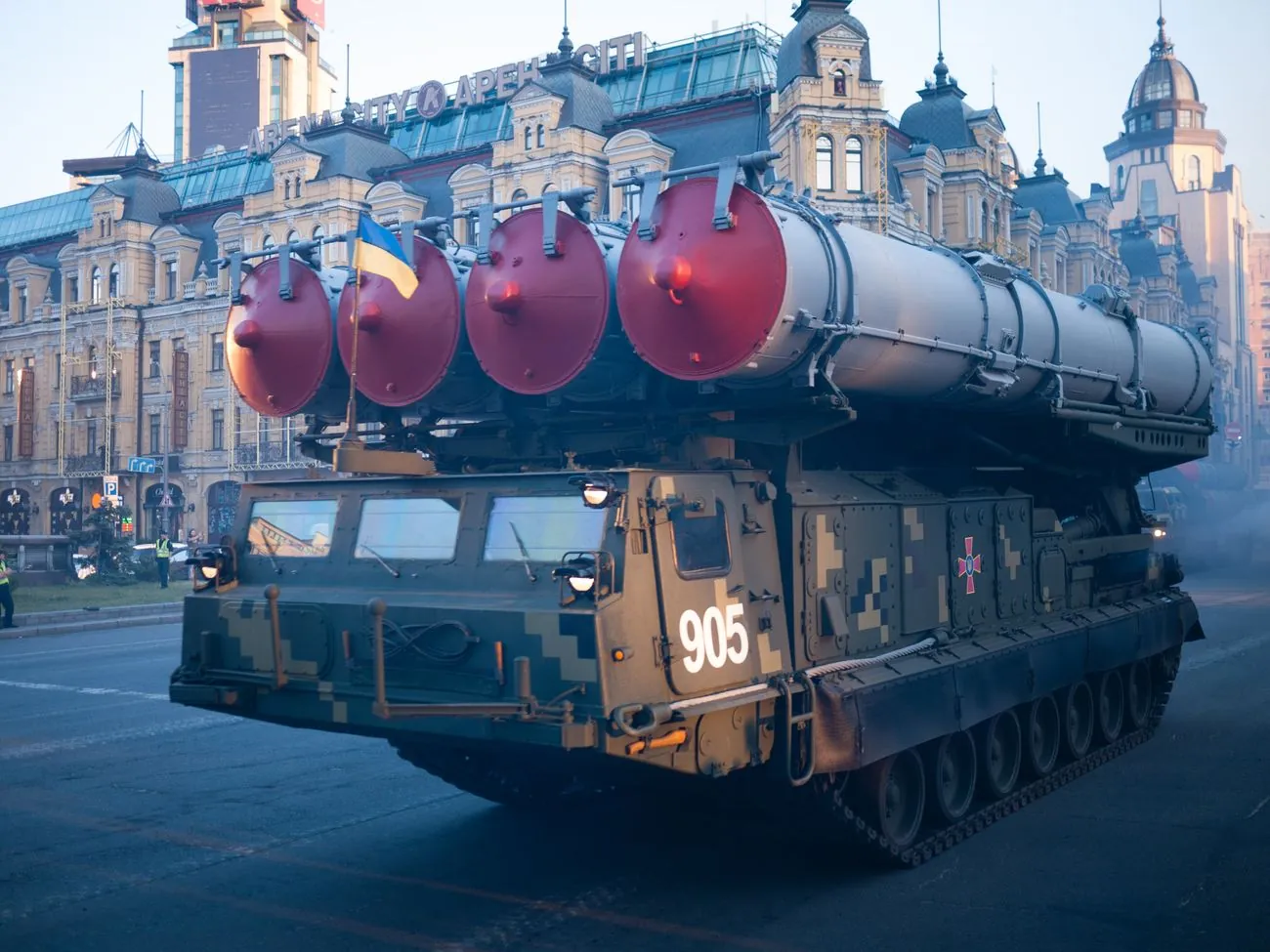
S-300
The S-300 system is a family of Soviet medium-range anti-aircraft missile systems. Serial production of the system under the S-300PT index began in 1975. In 1978, system tests were completed, and in 1979, the first S-300 regiment went on combat duty.
During the war, Ukraine lost up to 32 S-300s in the PT modification. It is also known that Ukraine lost more than 40 S-300PSs.
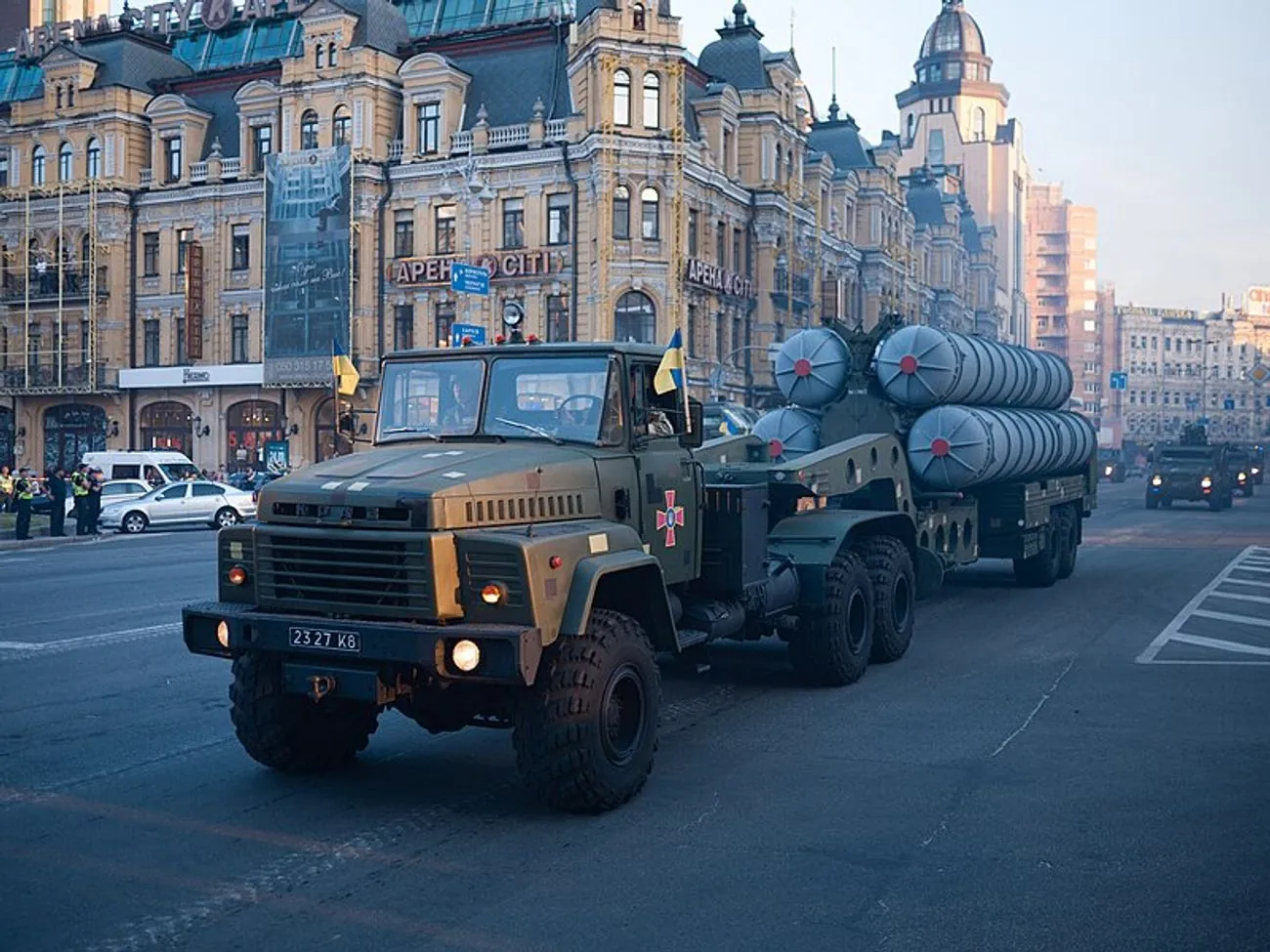
It should be noted that in 2012-2013, S-300V systems were decommissioned due to technical and moral obsolescence and were put into storage. However, in 2017, S-300V1 and S-300PT complexes were restored and returned to combat duty.
"Buk"
Another legacy of the Soviet era was the Buk SAM system in the 9K37M Buk-M1 modification. Buk is a family of self-propelled anti-aircraft missile systems designed to combat maneuvering aerodynamic targets (cruise missiles, guided bombs, aircraft, helicopters, UAVs, etc.) at low and medium altitudes (from 30 m to 14-18 km), in conditions of intense radio countermeasures.
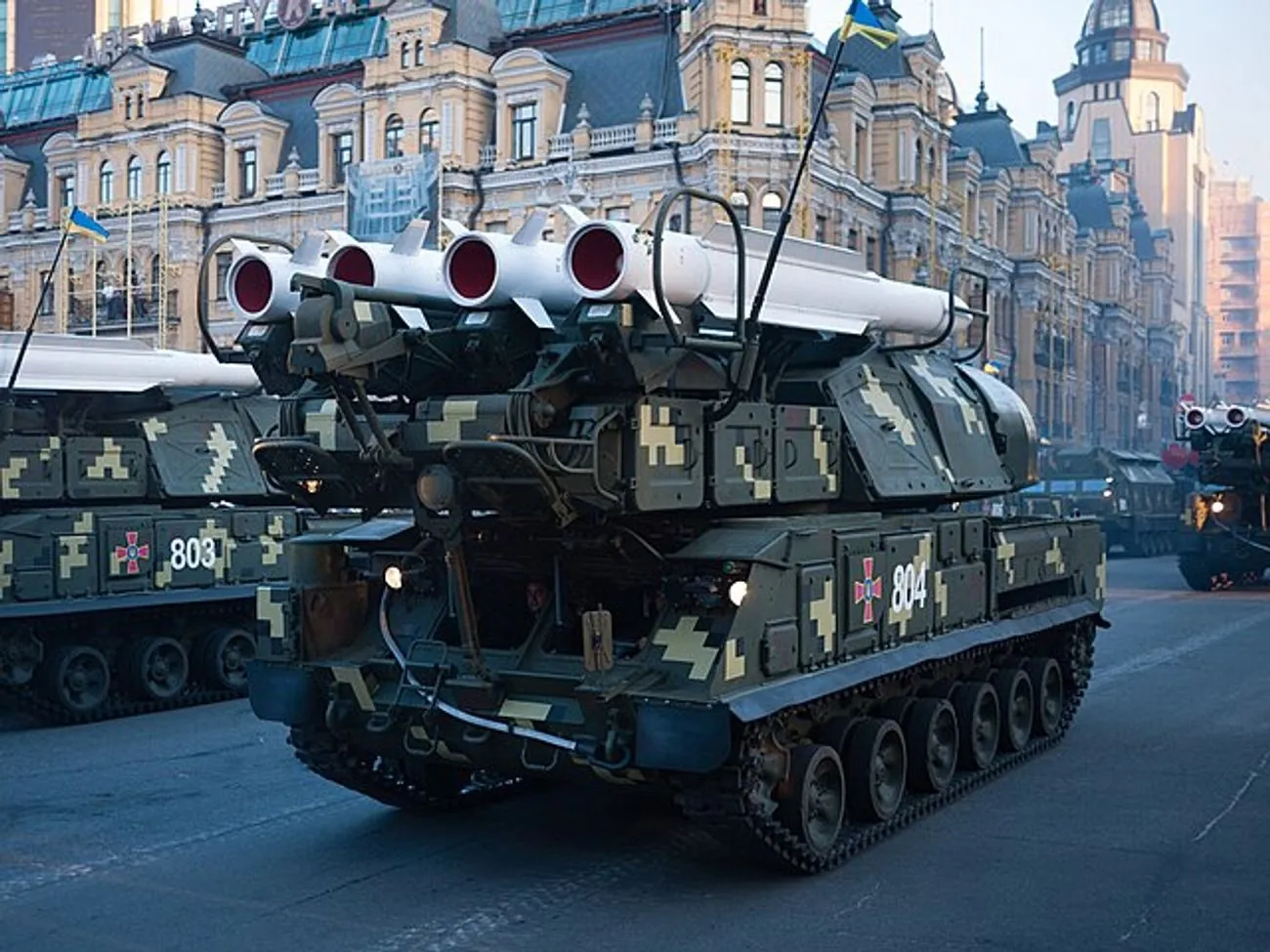
In 2023, it became known that some "Buk" systems were re-equipped to use AIM-7 missiles - an American shipborne short-range anti-aircraft and anti-missile system, primarily designed for protection against anti-ship missiles.
S-125
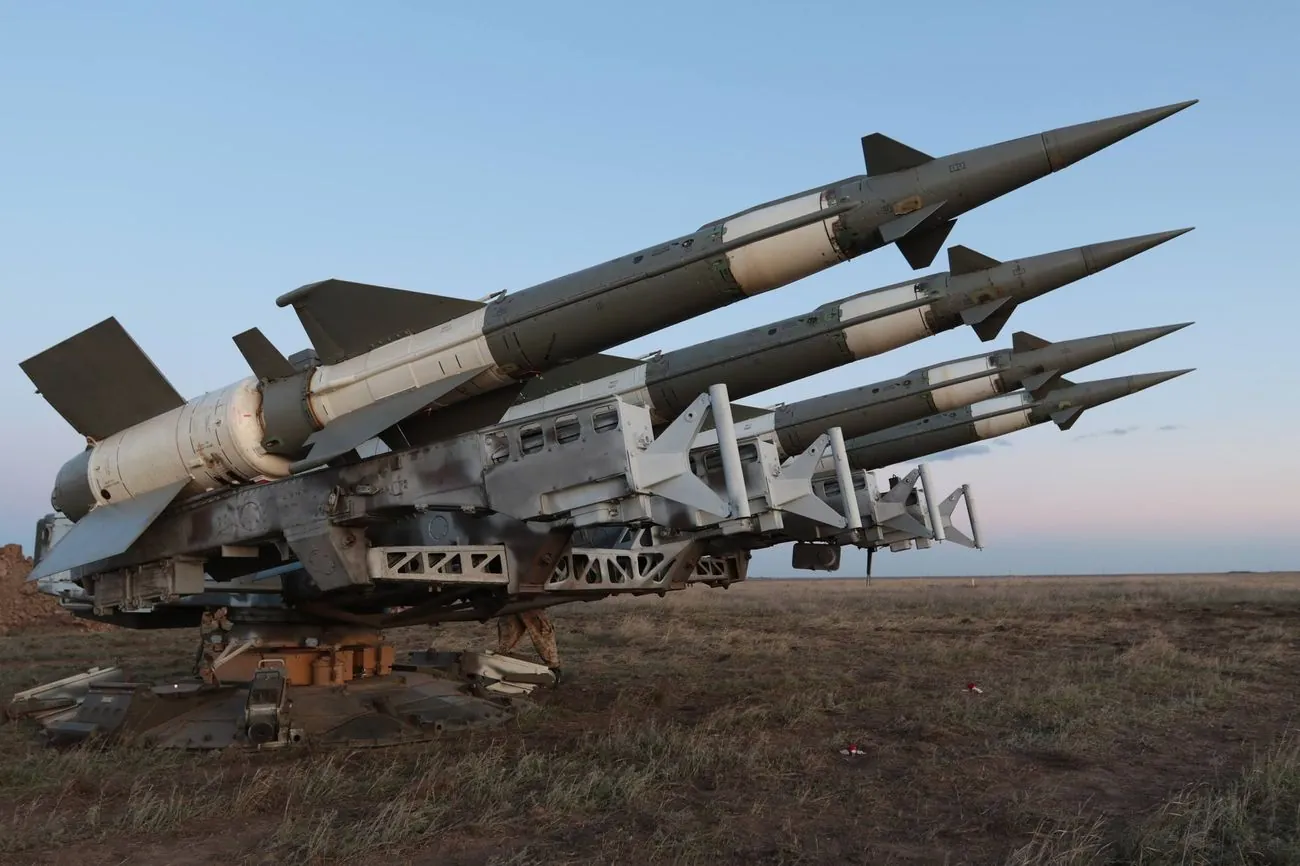
Also defending Ukraine are S-125 systems - a Soviet short-range anti-aircraft missile system. It is not precisely known how many of these systems Ukraine has, but according to IISS data, as of the end of 2023, Ukraine has 8 S-1252D Pechora-2D complexes, comprising 2 divisions.
It is worth noting that with the collapse of the USSR, S-125 complexes were withdrawn from the Air Force and put into storage due to their moral obsolescence. However, with the start of hostilities against the Russian Federation in 2014, it was decided to return them to service.
In particular, in July last year, the Air Force of the Armed Forces of Ukraine reported that thanks to the S-125 system, a Kalibr cruise missile was destroyed, as well as fifty enemy missiles and drones.
In 2023, the then commander of the Joint Forces of the Armed Forces of Ukraine, Serhiy Nayev, showed the combat work of the S-125M1 complex, which was modernized to the S-125-2D level.
The S-125-2D is a Ukrainian modernization of the Soviet mobile anti-aircraft missile system. The SAM system was created in the 1960s to cover strategic objects, industrial complexes, and large cities. Compared to the basic version, the modernized S-125-2D SAM system has increased jamming resistance against various types of active and passive radio interference, as well as echoes from surfaces, due to the use of new hardware technologies, interference protection methods, and signal processing methods.
During the full-scale invasion, Ukraine lost at least one S-125-2D system.
S-200
Another legacy of the Soviet era is the S-200 system, but the last division was decommissioned on October 30, 2013. Already in 2025, the Main Intelligence Directorate showed a video where Ukraine uses a 5V28 anti-aircraft missile from the S-200 anti-aircraft missile system.
In 2023, British intelligence reported that Ukraine was likely using Soviet S-200s as ground-based ballistic missiles, rather than for shooting down aerial targets.
However, in April last year, Ukraine managed to catch a fat target - former commander of the Air Force of the Armed Forces of Ukraine Mykola Oleshchuk stated that for the first time, anti-aircraft missile units of the Air Force of the Armed Forces of Ukraine, in cooperation with intelligence, destroyed a Russian strategic bomber Tu-22M3 with two Kh-22 cruise missiles.
UNN sources reported that the aircraft were "neutralized" with the help of the S-200 complex.
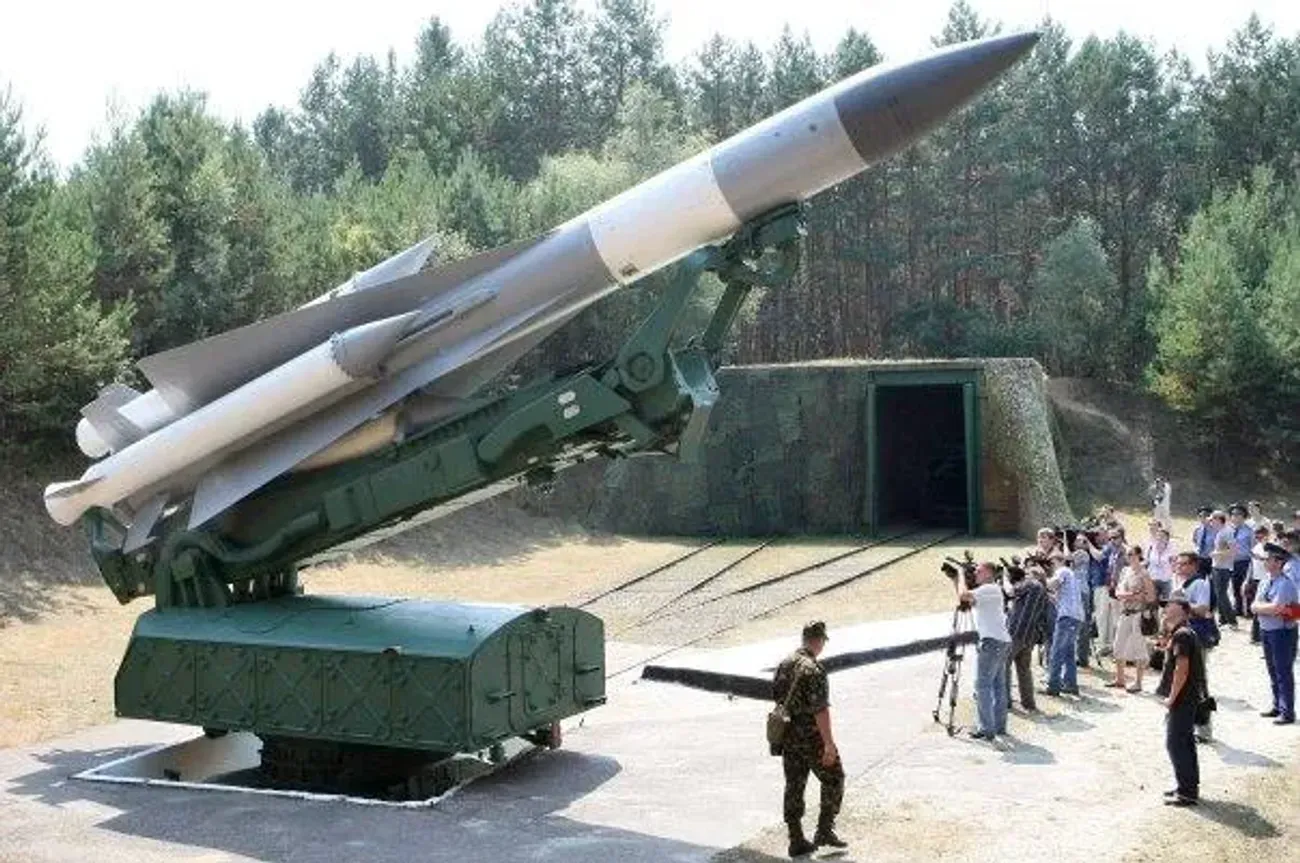
"Osa", "Strela-10", "Shilka", "Tunguska"
9K33 "Osa-AKM" - a Soviet mobile short-range air defense complex, first put into operation in 1972 and still used in many countries, including Ukraine. The main difference of the modernized version is the ability to load 6 surface-to-air missiles. During the war, Poland transferred "Osa-AKM" and "Osa-AKM-P1" systems to Ukraine. In 2024–2025, all Ukrainian "Osa-AKM" were modernized (Hornet project) to be able to launch R-73 air-to-air missiles alongside the original 9M33M3.
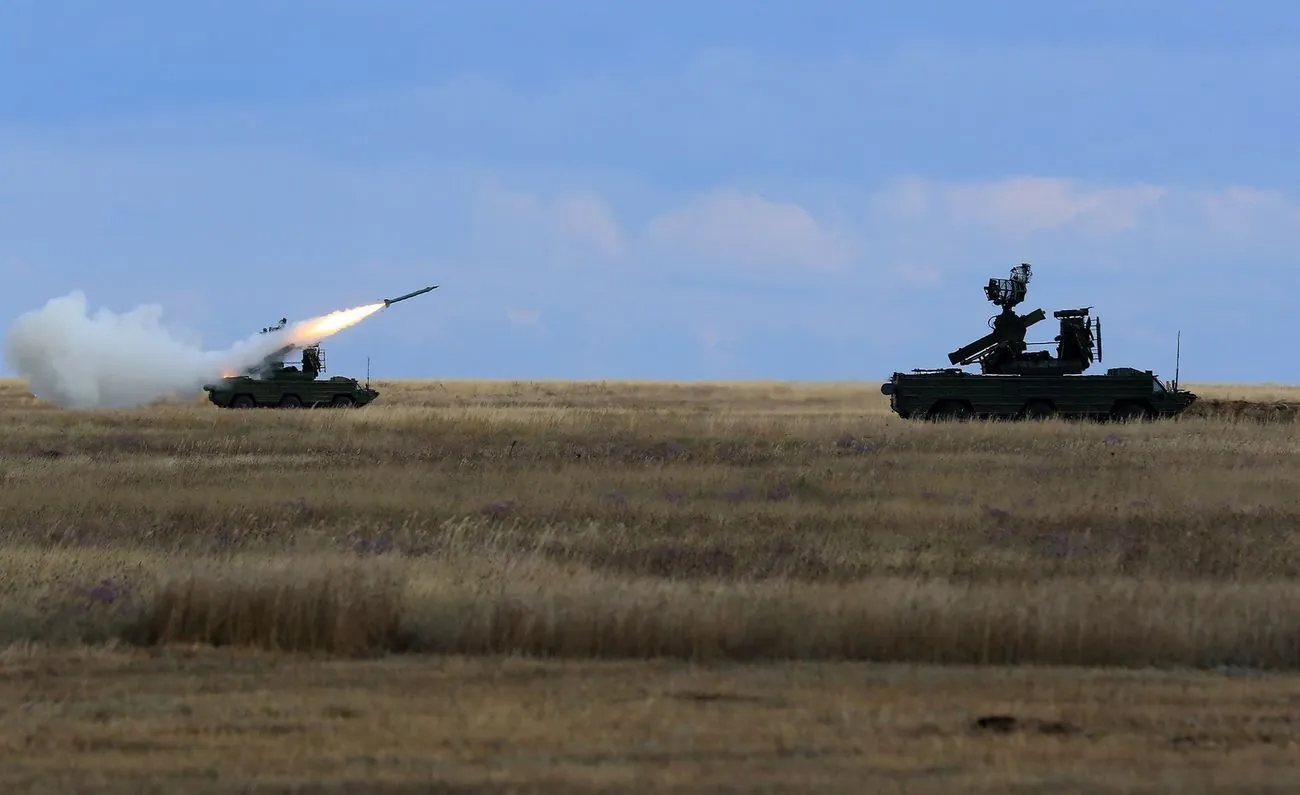
"Strela-10" - a Soviet short-range self-propelled SAM system, in use since 1976. Based on the MT-LB chassis, equipped with an optical-infrared homing head, designed to engage low-altitude targets - helicopters, aircraft, and UAVs.
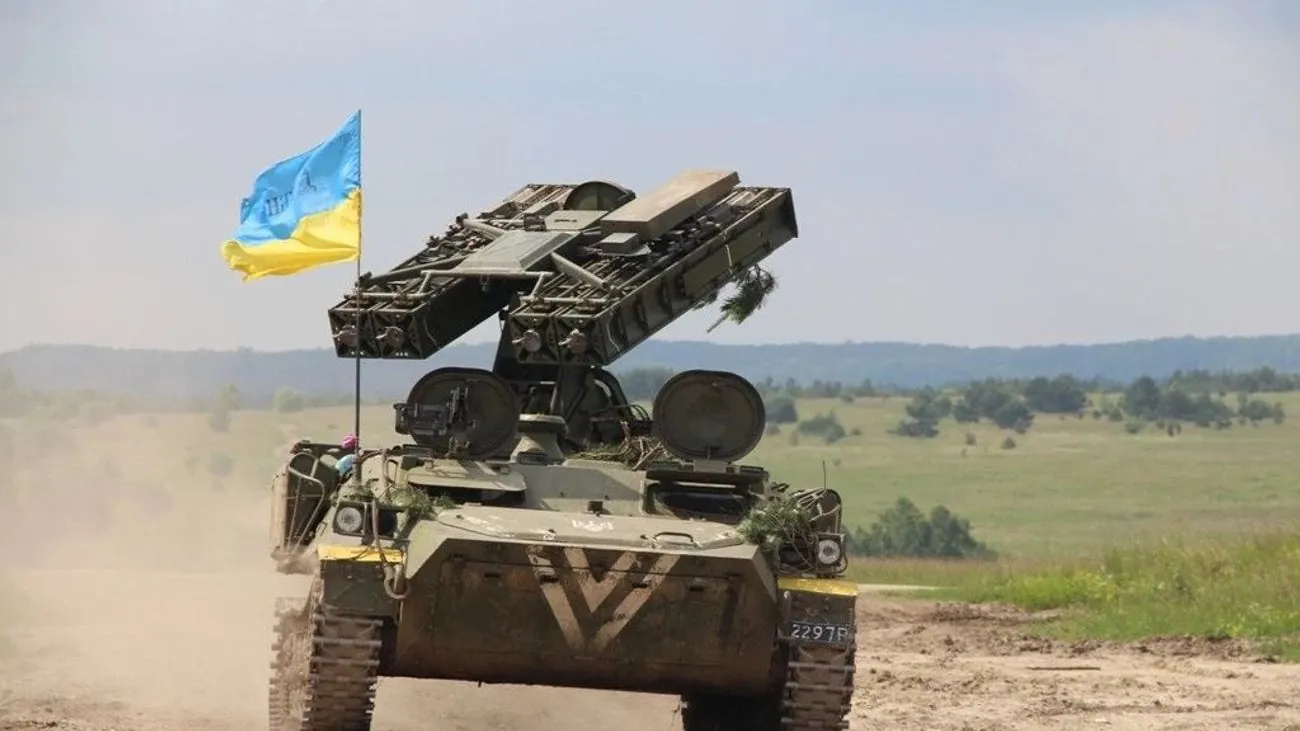
ZSU-23-4 "Shilka" - a Soviet-made self-propelled anti-aircraft gun, designed for direct anti-aircraft cover of ground troops, destruction of air targets flying at speeds up to 450 m/s, at distances up to 2500 meters and altitudes up to 1500 meters, as well as ground (surface) targets at distances up to 2000 meters from a standstill, from a short stop and in motion.
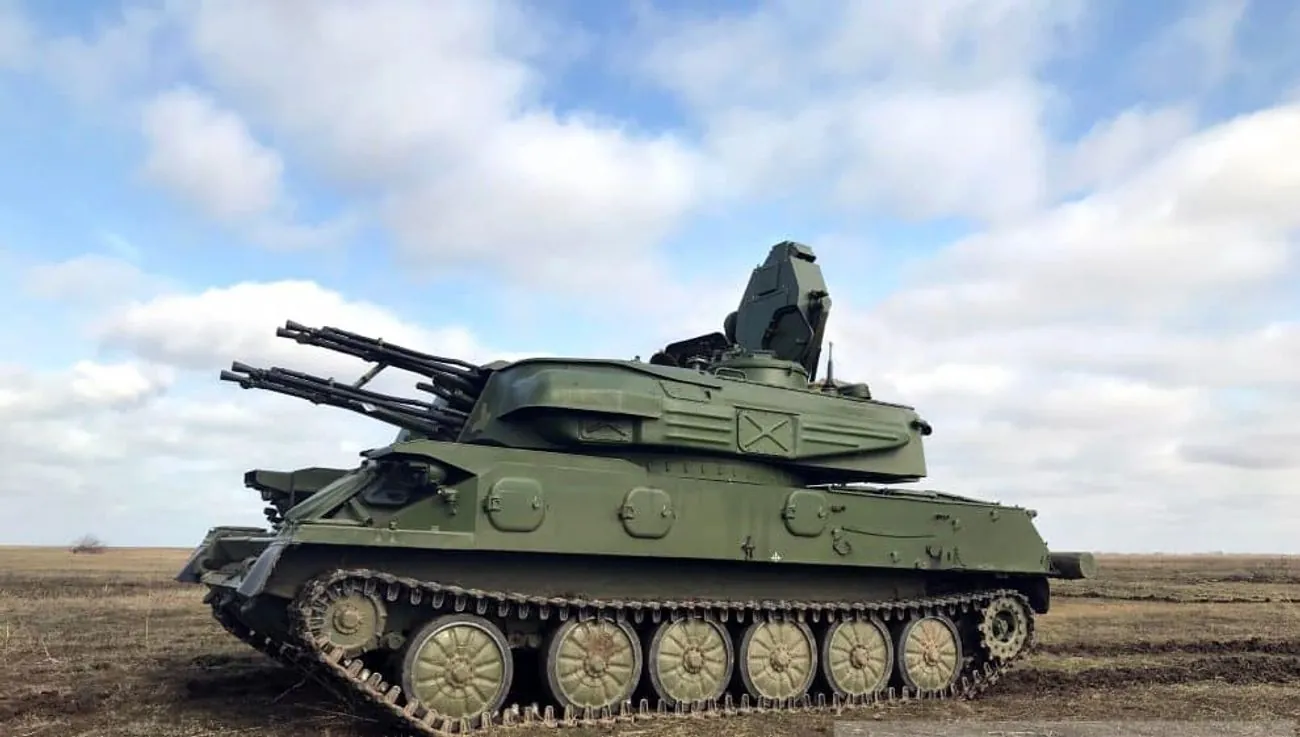
In addition, Ukrainian military personnel confidently use Igla MANPADS to shoot down Russian air targets. In particular, military servicewoman Nataliia Hrabarchuk knows how to shoot down enemy targets with Igla MANPADS, having shot down an enemy missile in November last year, as do National Guard soldiers who shot down an enemy Su-25 attack aircraft in Donetsk Oblast with an Igla.
Systems transferred by partners
In total, it is known from open sources that partners have provided Ukraine with about 100 units of anti-aircraft missile systems of various types – this includes modern Western systems (Patriot, NASAMS, IRIS-T, SAMP/T, HAWK, etc.) and Soviet systems transferred from NATO countries and other partners.
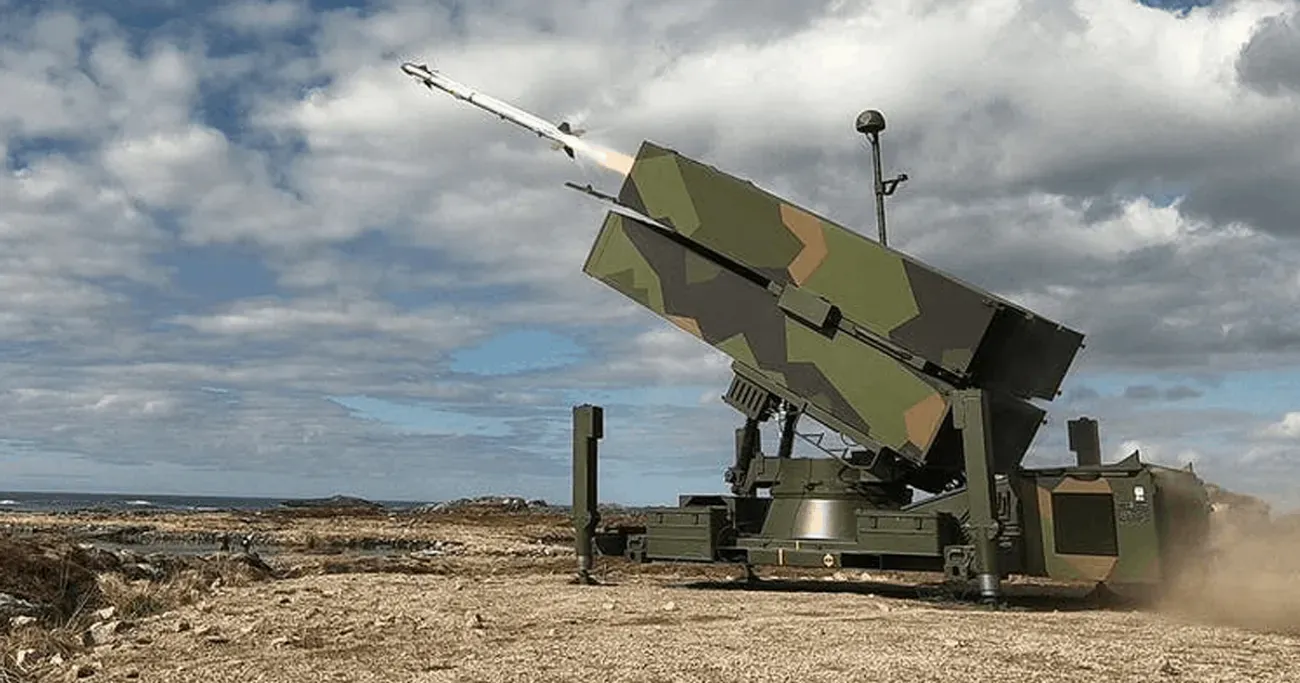
NASAMS - Norwegian medium-range anti-aircraft missile system. Developed by Norwegian company Kongsberg and American Raytheon. NASAMS became the first ground-based system to use AIM-120 AMRAAM missiles and the first Western radar-guided missile system.
It is known that Ukraine received 13 batteries + 6 launchers + 2 control systems. However, it is currently unknown how many systems may be in service with Ukraine, as at least one system has been destroyed by the enemy.
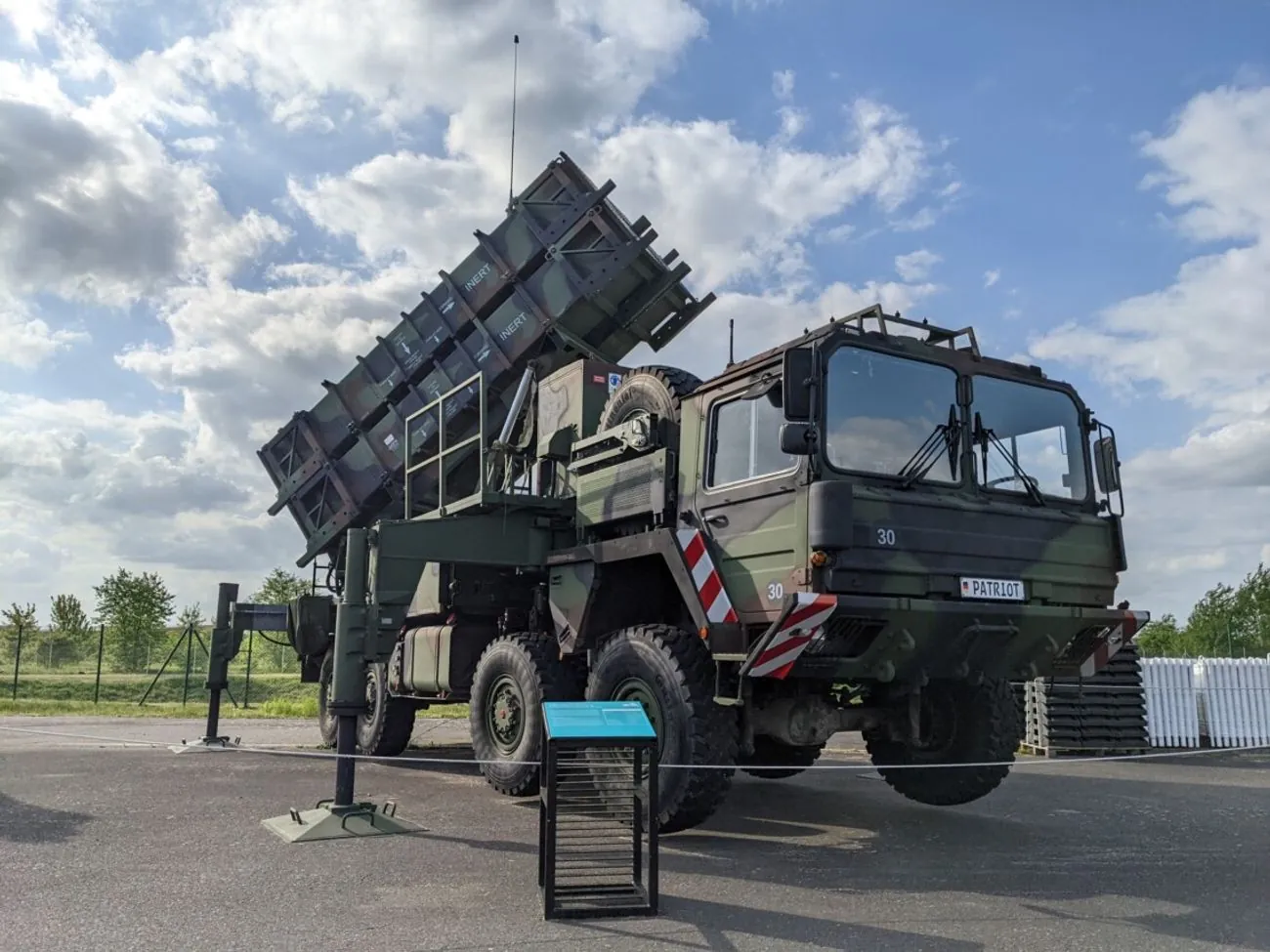
MIM-104 Patriot - American anti-aircraft missile system. It is known that Ukraine could have received from 8 to 13 "Patriot" batteries in the PAC-3 modification - one of the latest modernization variants of the SAM system, designed to intercept tactical ballistic and cruise missile warheads, including those made using stealth technology. Unfortunately, Ukraine lost two "Patriot" installations during the war.
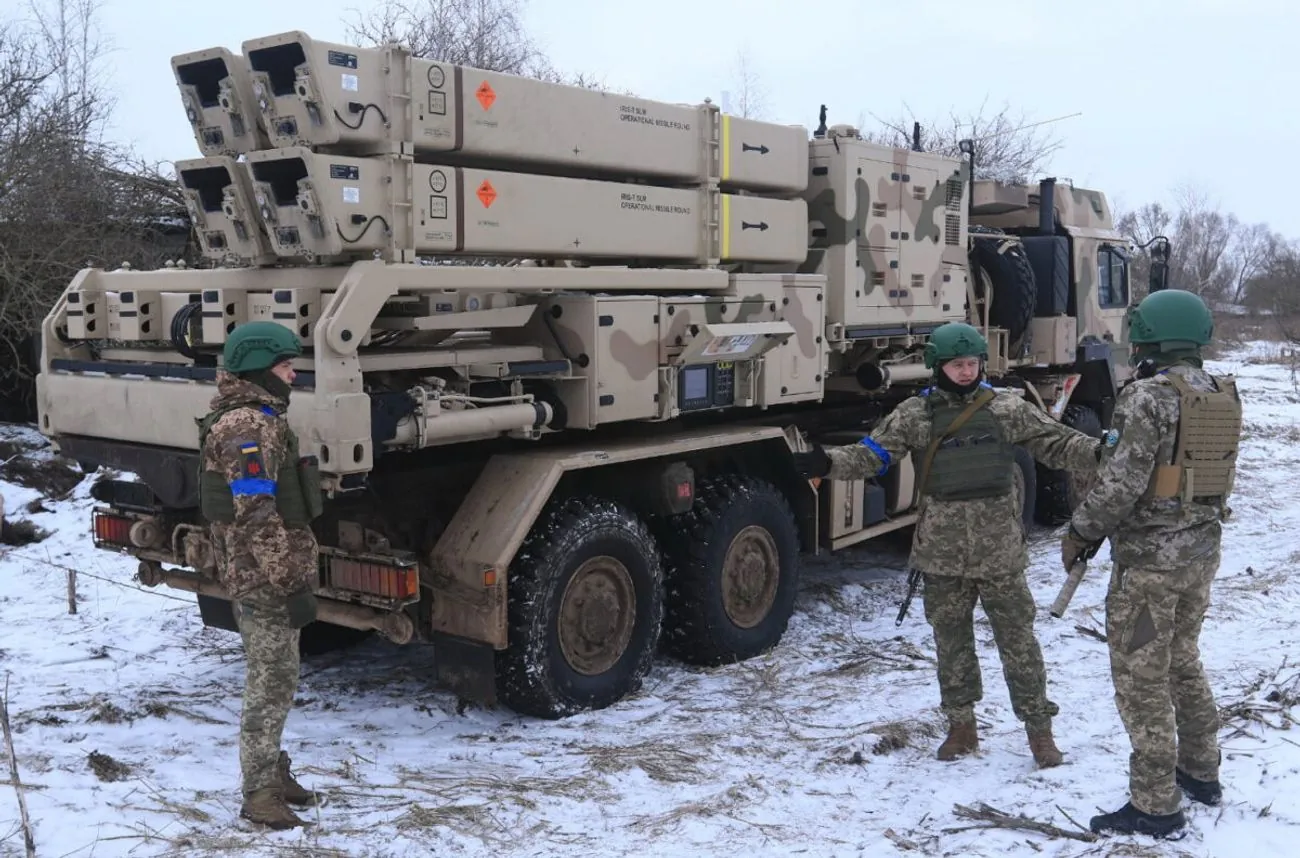
IRIS-T SLM/IRIS-T SLS - a medium-range air defense and missile defense system developed by the German company Diehl Defence. The systems were transferred by Germany and Norway, among others. Ukraine could have received approximately 13 IRIS-T SLM/IRIS-T SLS batteries, but it is precisely known that one system was also lost.
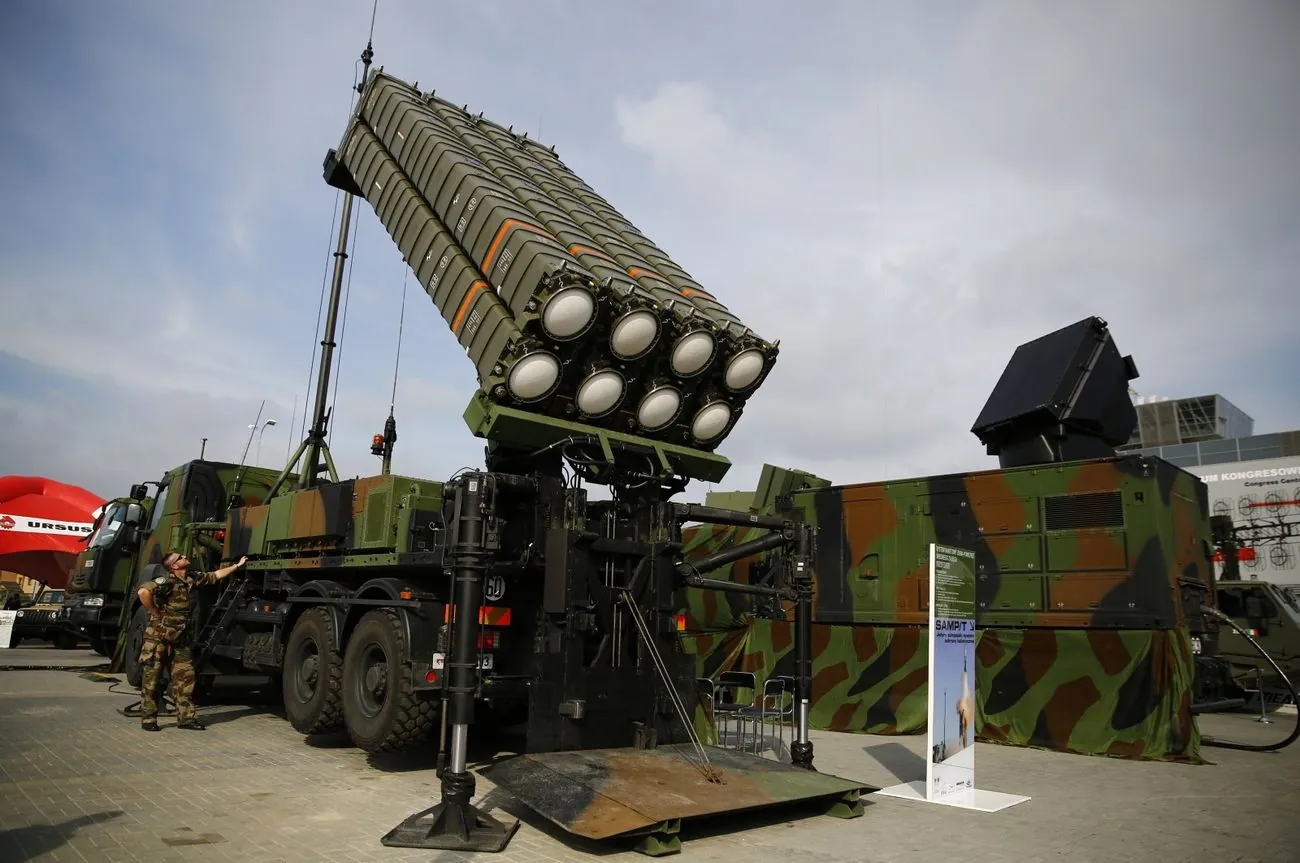
Ukraine also received up to 2 SAMP/T systems from France and Italy - a ground-based anti-aircraft missile system that uses Aster family missiles. The complex was developed by the European consortium Eurosam, formed by MBDA Italy, MBDA France, and Thales.
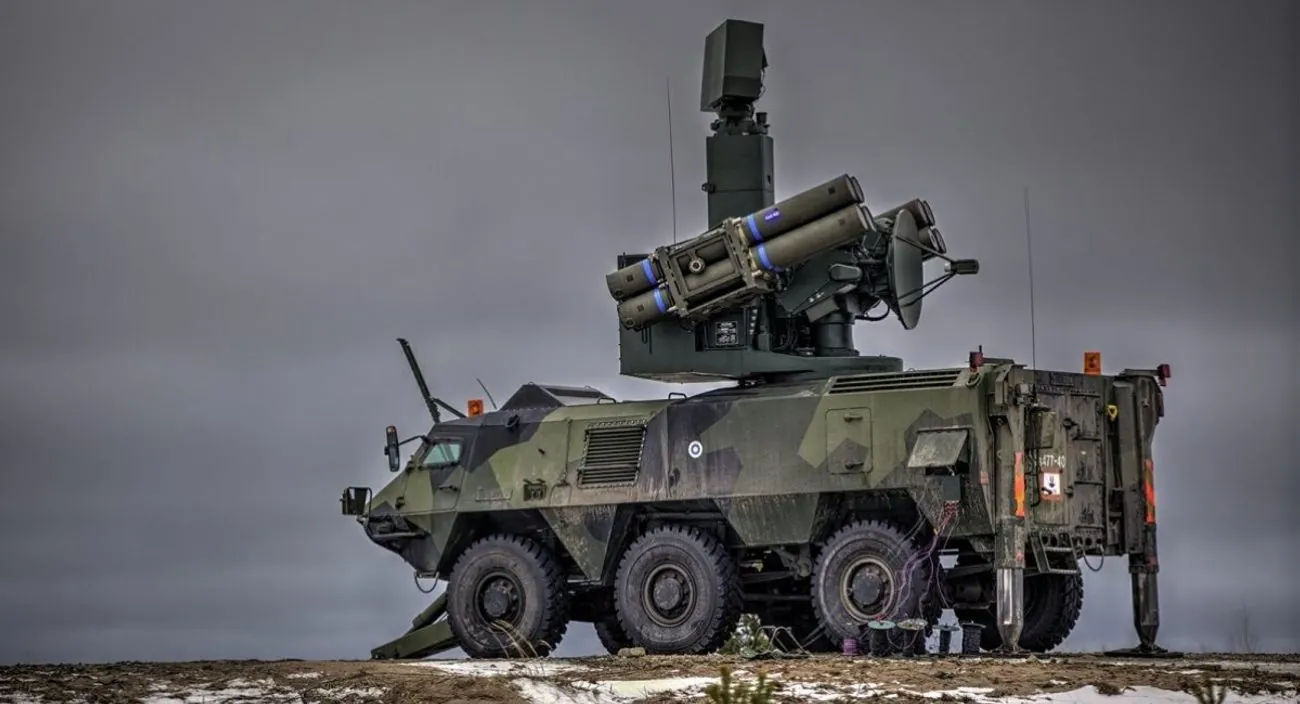
France also transferred at least two Crotale NG batteries to Ukraine - a French all-weather short-range anti-aircraft missile system designed to combat air targets at medium, low, and extremely low altitudes.
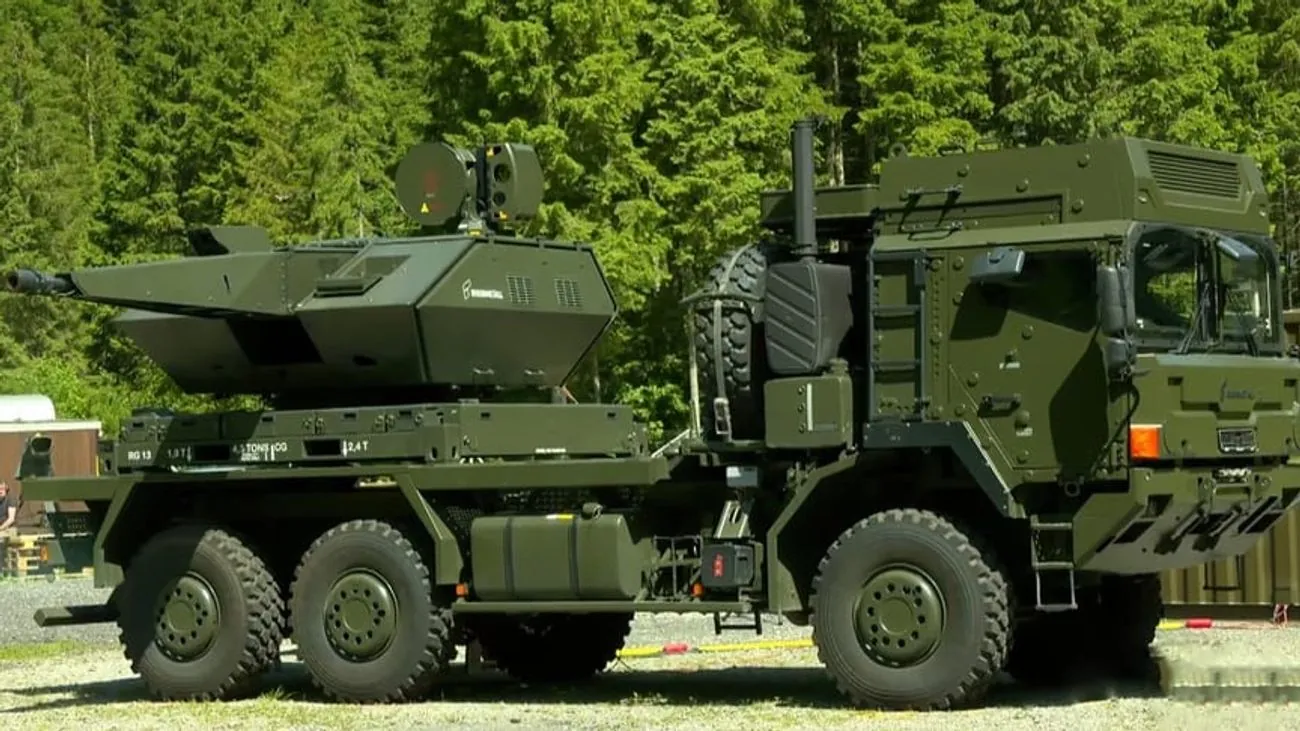
Additionally, Ukraine received 6 Stormer HVMs, 2 MIM-23 Hawk Phase systems, over 20 AN/TWQ-1 Avengers self-propelled anti-aircraft missile systems, as well as approximately 60 GEPARD anti-aircraft guns from Germany, two Skynex systems, and two more are planned for delivery.
In addition, some partners transferred old Soviet systems to Ukraine, for example, Slovakia transferred S-300 PMU systems and two Kub-M2s systems to Ukraine, and the Czech Republic up to 12 Strela-10MS SAM systems.
However, unfortunately, since the beginning of the war, Ukraine has lost 171 SAM systems, of which 145 were destroyed, 19 damaged, and 6 captured.
However, during the war, Ukraine "farmed" Russian systems quite well. In particular, since February 24, 2022, Russia has lost 336 SAM systems, of which 24 were captured.
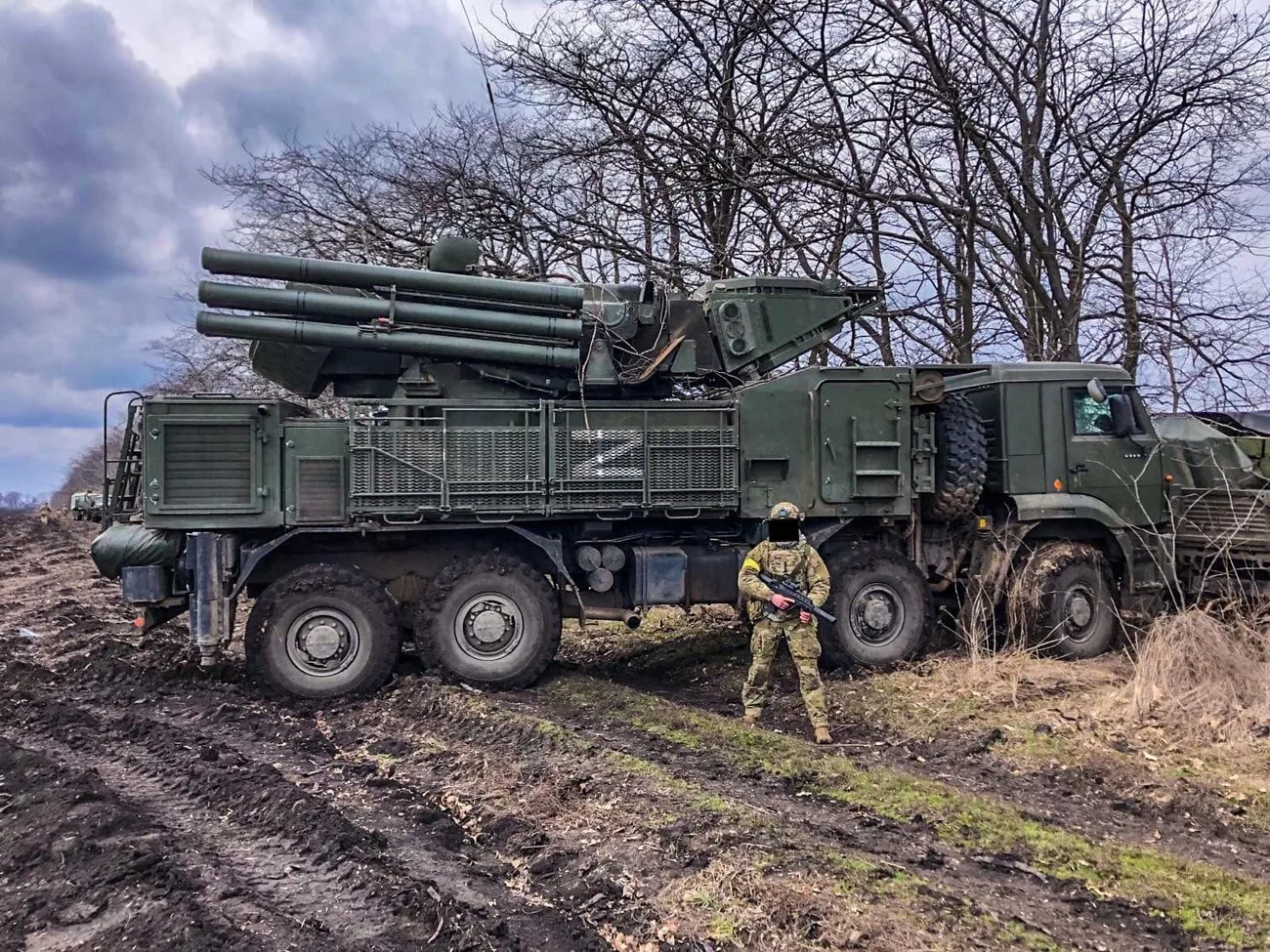
In particular, SSO fighters captured a Pantsir-S1 PRGK in Mykolaiv region, and another one was captured by Territorial Defense fighters.
Where Ukraine can still get air defense systems
Last year, information appeared in the press that Greece was allegedly leaning towards transferring its S-300 anti-aircraft missile systems to Ukraine after a Russian missile fell only a few hundred meters from the location of Greek Prime Minister Kyriakos Mitsotakis during his visit to Odesa.
However, Greece emphasized that such a transfer would only be possible if the US transferred Patriot systems to Greece.
Then it became known that Greece refuses to provide Ukraine with such important air defense systems as "Patriot" and S-300, as they are critically important for protecting Greece's airspace.
Greece refuses to provide Ukraine with air defense systems26.04.24, 07:50 • 22440 views
In April, Zelenskyy noted that Ukraine was ready to buy at least 10 Patriot air defense systems from the US, and European countries could finance it.
Regarding Patriot systems, we understand that this is a big deficit and a big problem. I view this as part of security guarantees for our country. For example, the US, which could really guarantee Patriot systems to Ukraine from the point of view of being the license holders, the brand owners, and Ukraine is ready to buy them, at least 10 systems. I told President Trump about this during our conversation, and he told me that America would work on it. So far, I have no other information besides this.
Also in April, German Defense Minister Boris Pistorius stated after the Ramstein meeting that Germany cannot provide Ukraine with additional air defense systems, as they have already transferred 4 "Patriot" complexes, so allies are looking for additional means worldwide.
Earlier, German Foreign Minister Johann Wadephul, during a joint press conference with Ukrainian Foreign Minister Andriy Sybiha, stated that Germany had sent a letter to European partners asking them to find an opportunity to transfer additional air defense systems to Ukraine.
Last December, President Zelenskyy stated that Ukraine needed another 12-15 air defense systems to fully protect the country.
In June, US President Donald Trump did not rule out additional Patriot missile deliveries to Ukraine. He answered "maybe" to a journalist's question about this decision at a White House press conference, but in April he had a different opinion. At that time, media reported that Trump did not want to transfer additional Patriot anti-aircraft missile systems to Kyiv, even if he received $50 billion from EU funds in return. He refused the corresponding lucrative deal, while making new accusations against Ukrainian President Volodymyr Zelenskyy.
It can be concluded that on "paper" everything does not look so bad. Ukraine successfully combines all air defense systems - from Western weapons and Soviet ones to mobile fire groups, but there is a huge problem with missiles, because Ukraine cannot produce missiles for, say, Patriot, which puts the lives of Ukrainians and Ukrainian cities at risk.
It became known earlier that the United States is stopping the supply of certain types of weapons to Ukraine amid Russia's war against Ukraine. Political scientist Oleh Lisnyi, in a comment to UNN, noted that despite Washington's official explanations about the lack of weapons, the US decision to reduce arms supplies to Ukraine may have political motives. In particular, the United States may not want to "drain Putin" and seek to avoid escalation, hoping to preserve space for diplomacy, which does not work with dictatorial regimes.
The Ministry of Defense of Ukraine emphasized that Ukraine is clarifying the issue of defense assistance supplies from the United States. Official notifications about the cessation or revision of supply schedules have not been received, and the agency has requested a conversation with American colleagues.
In February, Zelenskyy stated that Ukrainian military personnel lack missiles for air defense systems, and therefore emphasized that it is important for Ukraine to obtain a license for its own production of missiles for Patriot systems.
Also, for example, in May, Le Monde reported that Russia's night air attacks on Ukrainian cities are becoming increasingly powerful and frequent, while Ukrainian air defense is barely coping with the load. Moreover, Ukraine has run out of missiles for SAMP/T, and in a year and a half, the Armed Forces of Ukraine have not received a single shell for Crotale.
Earlier, Trump said he wanted the US to provide Ukraine with Patriot air defense systems, but emphasized that they are also needed by America and Israel.