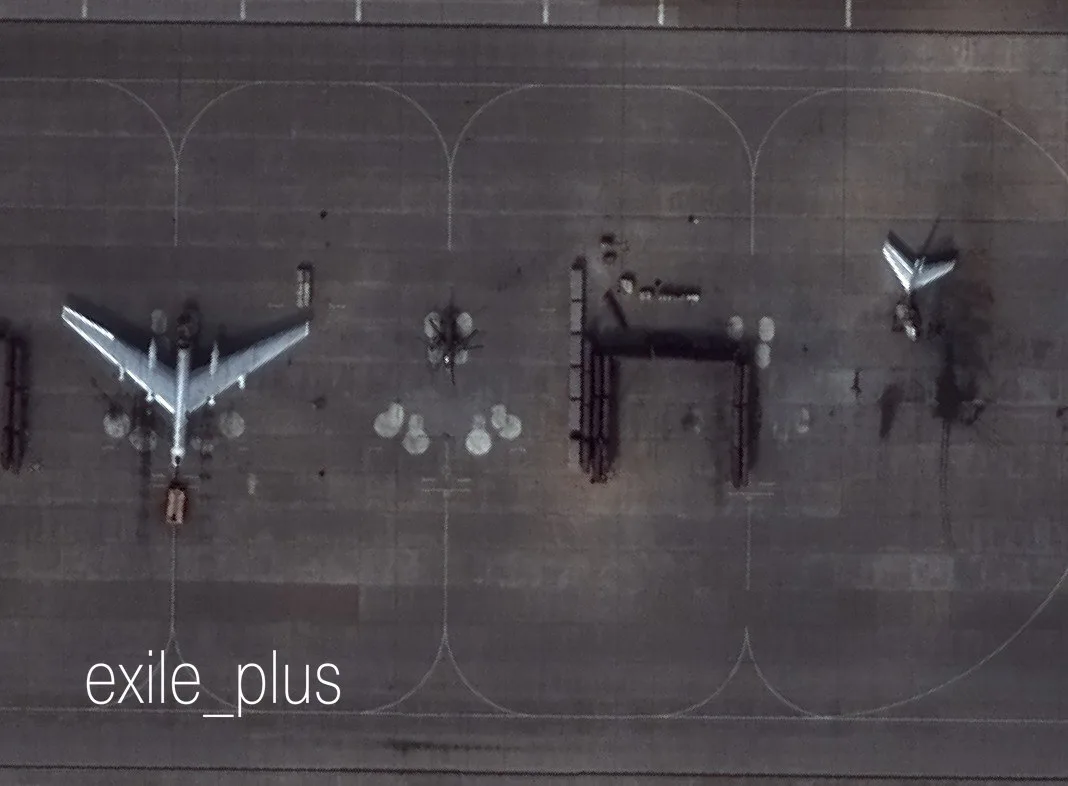
From the most powerful fleet to “disarmament for gas” - how Ukraine lost its strategic aviation
Kyiv • UNN
In 1999, Ukraine transferred 11 strategic bombers and 575 Kh-55 missiles to Russia in exchange for writing off its gas debt. The remaining aircraft were dismantled.

After the collapse of the Soviet Union, Ukraine inherited the world's third-largest aviation arsenal, including the newest Tu-160 and Tu-95MS strategic bombers. However, by the late 1990s, under pressure from the West, some of the aircraft were cut up for scrap, while another portion was transferred to russia in November 1999 in exchange for the write-off of gas debts, UNN writes.
State of aviation as of August 1991
At the end of 1991, following the collapse of the USSR, a strategic military (forces) grouping remained on the territory of Ukraine, consisting of three military districts (the Carpathian, Kyiv, and Odesa districts), as well as the Black Sea Fleet.
According to available information, the following were stationed on the territory of Ukraine:
- 3 combined-arms armies and 2 tank armies;
- an army corps;
- four air armies;
- a separate air defense army (9 air defense brigades);
- the 43rd Rocket Army of the USSR's strategic nuclear forces;
- the Black Sea Fleet, with a fleet of more than 850 vessels (warships, boats, and support vessels, including the unique vessels "Akademik Sergey Korolyov" and the flagship of the space fleet, "Kosmonavt Yuriy Gagarin");
- two nodes of the missile-attack early-warning system,
other military formations.
The total personnel strength exceeded 800,000; there were more than 9,000 tanks, more than 11,000 armored infantry and airborne vehicles, and approximately 3,000 aircraft, of which 1,090 were combat aircraft: Su-27 and MiG-29 fighters; Su-24M bombers and Su-25 attack aircraft; 25 Tu-95 and 19 Tu-160 strategic bombers, as well as approximately 200 other bombers, including Tu-22 bombers of various modifications; Su-24MR reconnaissance aircraft, military transport aircraft, and more; 900 helicopters (Mi-24 attack helicopters, Mi-8 multipurpose helicopters, and others, of which 330 were combat helicopters); and more than 850 ships and support vessels.
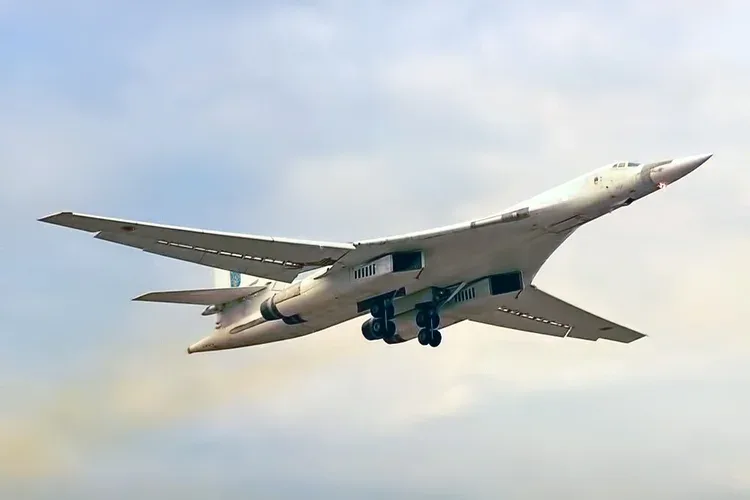
Photo: Tu-160 "White Swan"
Transfer of strategic aviation in exchange for gas
However, on October 8, 1999, Ukraine and russia signed an agreement in Yalta under which Ukraine was to transfer 8 Tu-160s, 3 Tu-95s, and 575 Kh-55 air-launched cruise missiles to russia as part of the "gas deal".
On November 2, 1999, the Cabinet of Ministers of Ukraine, headed by Prime Minister Valeriy Pustovoitenko, without the approval of the Verkhovna Rada, approved an agreement between the government of the russian federation and Ukraine, under which Kyiv transferred to moscow 8 Tu-160s, 3 Tu-95s, and 575 Kh-55 air-launched cruise missiles as payment toward the debt owed by NJSC "Naftogaz of Ukraine" to OJSC "Gazprom," amounting to $275 million.
In 2019, the Verkhovna Rada's Temporary Investigative Commission, established to investigate information concerning the embezzlement of assets in the Armed Forces of Ukraine and the undermining of the state's defense capability between 2004 and 2017, established that the stated amount was not approximately commensurate with the value of the transferred property.
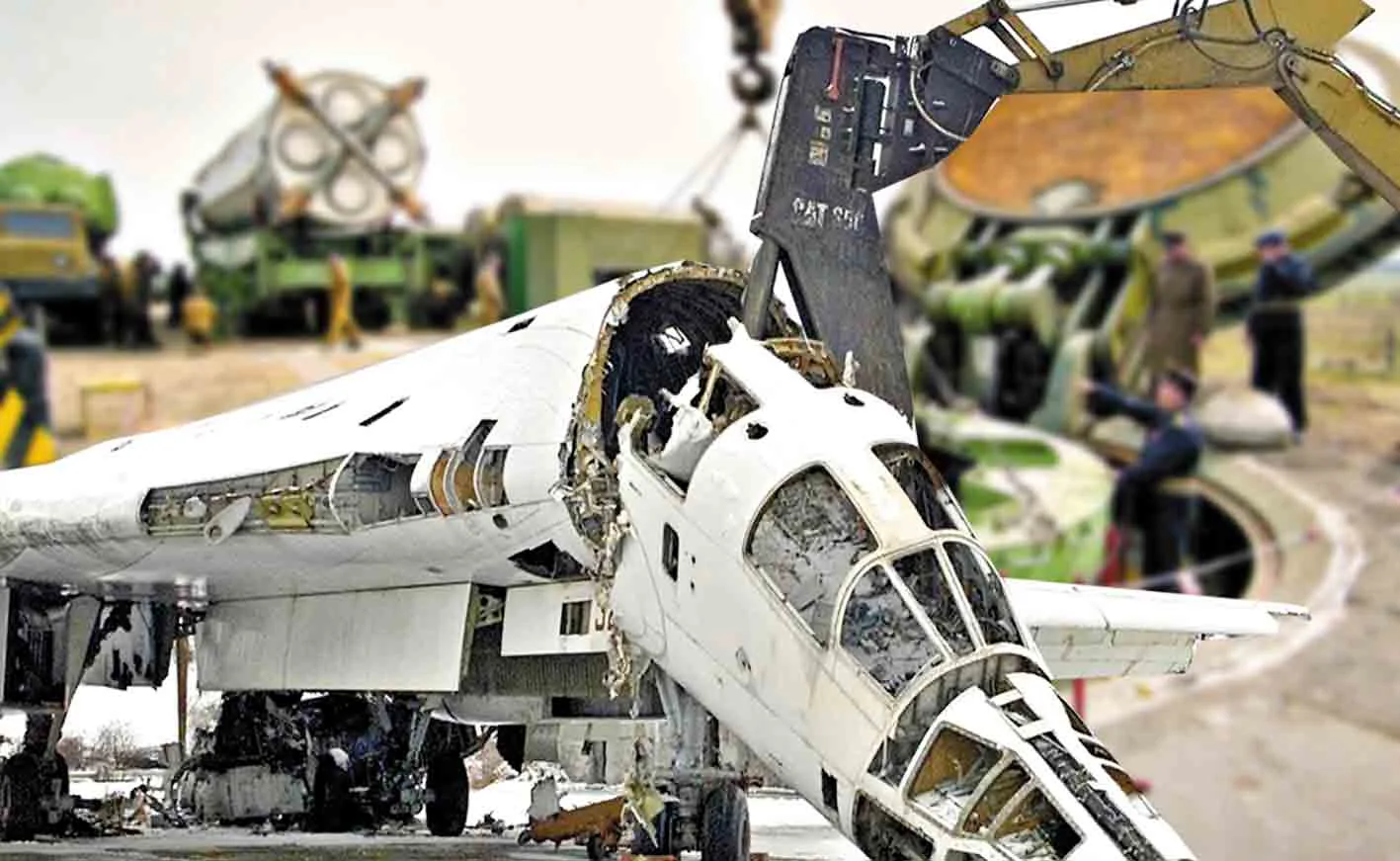
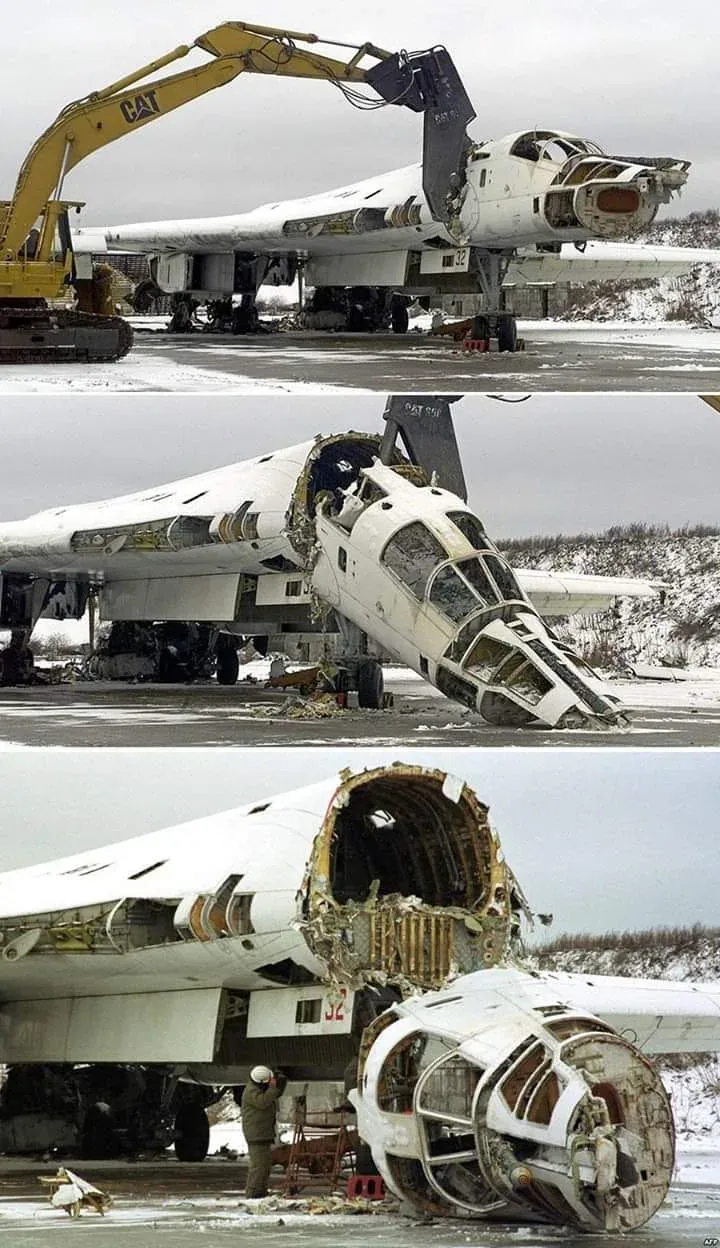
As already noted, Ukraine had 19 Tu-160s and 25 Tu-95MSs, of which 8 and 3 aircraft, respectively, were transferred to russia. The remaining aircraft were cut up for scrap under the Nunn–Lugar program. In particular, 10 aircraft were scrapped in 1998–2001 at the airfield in Pryluky, Chernihiv region. The destruction of the first Ukrainian Tu-160 began on November 16, 1998, in the presence of American senators.
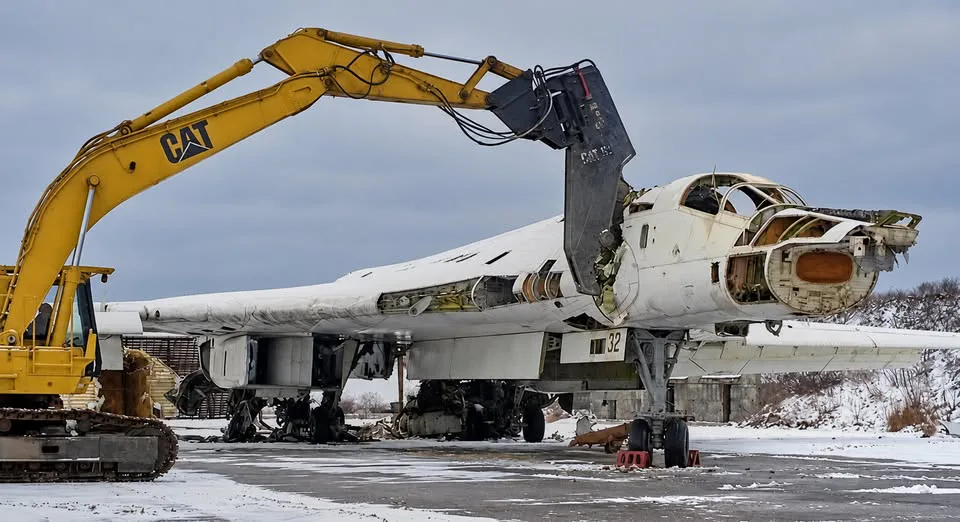
Photo: Tu-160 with tail number 32 being dismantled at the airbase in Pryluky. 2001.
Nineteen Tu-95MS aircraft were scrapped at the airbases in Uzyn and Bila Tserkva. One Tu-160 (tail number 26) also flew from Pryluky to Poltava in 2000. It is now an exhibit at the Museum of Heavy Bomber Aviation. One Tu-95MS is also located there, while another was left at the base in Uzyn as a training or museum-display airframe and was subsequently scrapped.
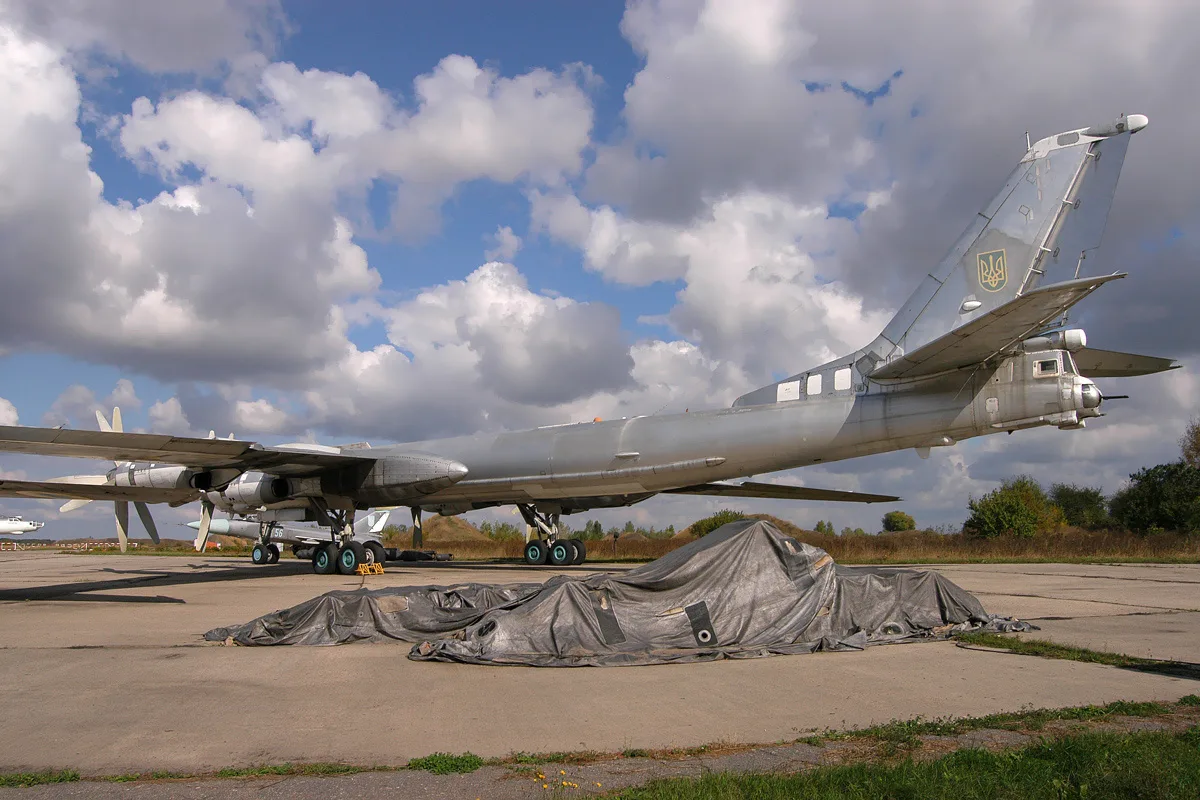
Photo: Tu-95MS "Bear"
On November 5, 1999, the first flight took place—the first Tu-160 flew from the airfield in Pryluky to the Russian "Engels" airbase. The transfer of the remaining aircraft and equipment was completed in February 2000.
This is a weapon that determines both a state's political and military potential, and also makes it possible to speak as an equal with any partner. If the potential of this strategic aviation complex allows territories on almost every continent to be kept under control, then this suggests that, apparently, some officials responsible in both the government and our ministries approached this issue without sufficient awareness. At one time, the aircraft could have been converted to carry conventional weapons. Such projects were even developed here at the Pryluky air base
Aviation expert Bohdan Dolintse told UNN that the Tu-160 is a supersonic bomber capable of changing the shape of its wings to increase flight speed. It can fly at what is known as supersonic speed, that is, more than 1,000 km per hour, and launch so-called supersonic missiles; in fact, these are missiles with a speed of 1,000 to 1,500 or more kilometers per hour.
Secondly, if we are talking about Tu-95MS aircraft, this is in fact a fairly old platform. It is a turboprop aircraft, but its key feature and advantage is significantly lower fuel consumption and the ability to fly over very long distances.
Kh-55 missiles are, in fact, long-range cruise missiles with a range of up to 2,500 kilometers. They can carry either a nuclear or a non-nuclear warhead. These are essentially offensive missiles. Their task is to penetrate an air defense system and destroy it.
If we are talking about their importance specifically for Russia, virtually the main part of the most modern and newest Tu-160 aircraft was based in Ukraine, in Pryluky. Therefore, Russia was interested in obtaining these aircraft, because this was not simply a matter of acquiring some additional Tu-160s, but the most modern and newest aircraft, with essentially the greatest remaining flight-service life. As for the Tu-95... although Russia was the main operator of these aircraft, at the time of the collapse of the Soviet Union a significant number of them were located in Ukraine. Therefore, they effectively remained in Ukraine. At that time, before the transfer, overall, since 1991, Ukraine had more than 1,600 Kh-55 missiles and over 40 strategic aviation aircraft, including 19 Tu-160s and 25 Tu-95s. Russia, meanwhile, had only a few Tu-160 aircraft
Could Ukraine have refused to transfer the aircraft?
According to him, from the moment Western partners began pressuring Ukraine to effectively disarm it, and Kyiv gave up its nuclear weapons, this involved not only the nuclear warheads themselves, but also the aircraft capable of carrying nuclear weapons and the delivery vehicles for tactical and nuclear weapons.
Of course, Tu-95 and Tu-160 aircraft, as well as Kh-55 missiles, were the items that the Western world understood to be elements of nuclear weapons, and Ukraine, if it did not want to face sanctions and wanted to receive at least some support or assistance from the West, had to give up these weapons
As already noted, Ukraine had more than 40 aircraft of this type, but Russia received only some of them.
Why? Because by the time the aircraft were transferred to Russia in 1999, some of them had already been destroyed, dismantled, and effectively torn apart. There is a considerable amount of footage showing specialized equipment financed by Western countries arriving and effectively cutting these aircraft into scrap metal. Of course, no one in Ukraine compensated the value of these aircraft. In fact, some minimal funds may have been provided based on the price of scrap metal. And even then, only to compensate for the costs of destroying these aircraft
He emphasizes that, speaking of alternatives, Ukraine, first of all, could hardly have maintained these aircraft, since virtually all technical maintenance and repairs were based in Russia.
Secondly, according to the expert, it was necessary to have a complete set of the relevant technical documentation for these aircraft, and it also remains an open question whether at least part of this documentation was available.
We need to understand that their operation required appropriate flight-testing facilities and training centers capable of preparing pilots to operate these aircraft. After all, over 10–15 or 20 years, virtually no one remained who could operate these aviation platforms. Another important component… we need to understand that this is not some ordinary passenger or transport aircraft. It is impossible to use it for any non-military purposes. In other words, this meant that hundreds of millions of dollars would have had to be spent constantly on maintaining such an aircraft fleet—something Ukraine could hardly have afforded at that time, given the already difficult situation with budgetary funds
How many Tu-160 and Tu-95MS aircraft could Russia have
In August, Defense Express, citing data from the Main Intelligence Directorate of Ukraine’s Ministry of Defense, reported that after the destruction of a Tu-95MS strategic bomber at the "Engels" airbase, Russia could have been left with about 37 combat-ready aircraft of this type.
Defense Express also reported, citing data from the AviVector analyst, that Russia officially has 18 Tu-160 strategic bombers in service, but in fact uses only seven aircraft of this type for missile strikes against Ukraine.
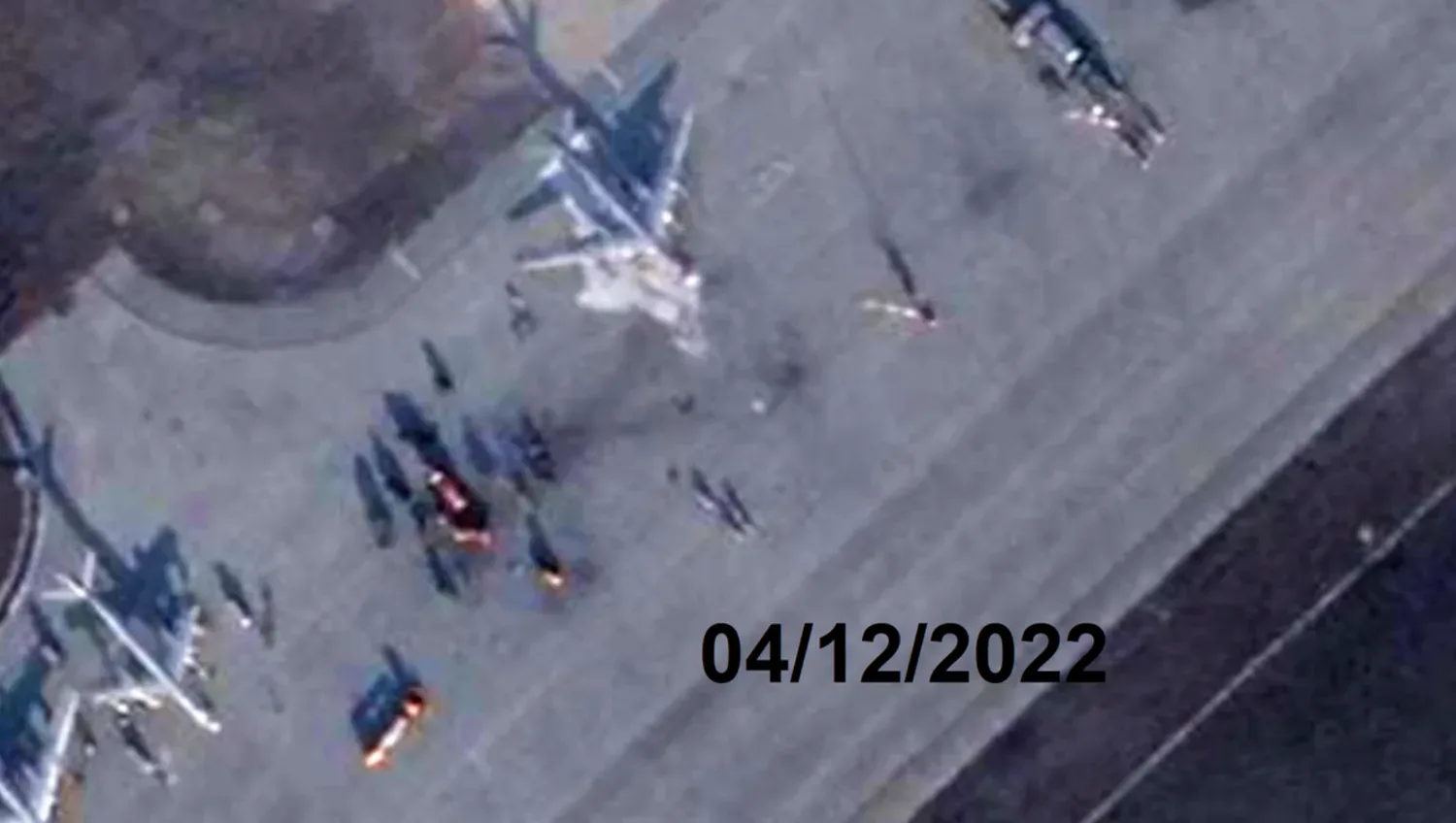
Since the beginning of the full-scale invasion, Russia may have lost between 10 and 15 Tu-95 aircraft of various modifications. Since December 2022, Engels-2 airport has become a regular target for Ukrainian drones. The first strikes, on December 5 and 26, 2022, damaged Tu-95MS aircraft and resulted in the deaths of technicians.
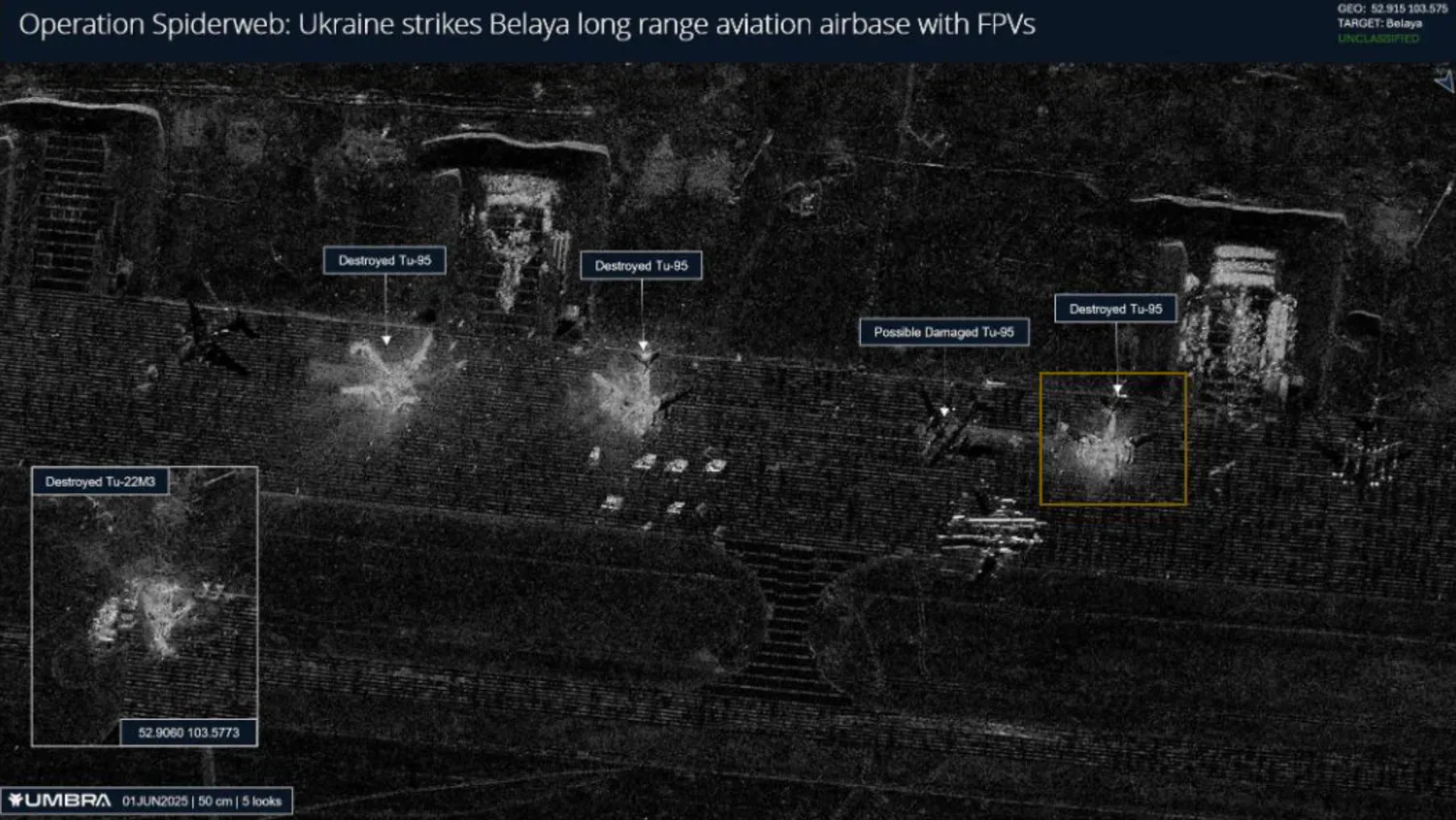
In 2025, as a result of the SBU’s "Spider Web" special operation, Russia lost up to 8 aircraft at the Belaya airfield in Irkutsk Oblast.
On July 17 this year, the SBU Forces destroyed a Tu-95 military aircraft in Engels that was used for Russian missile strikes against Ukraine.
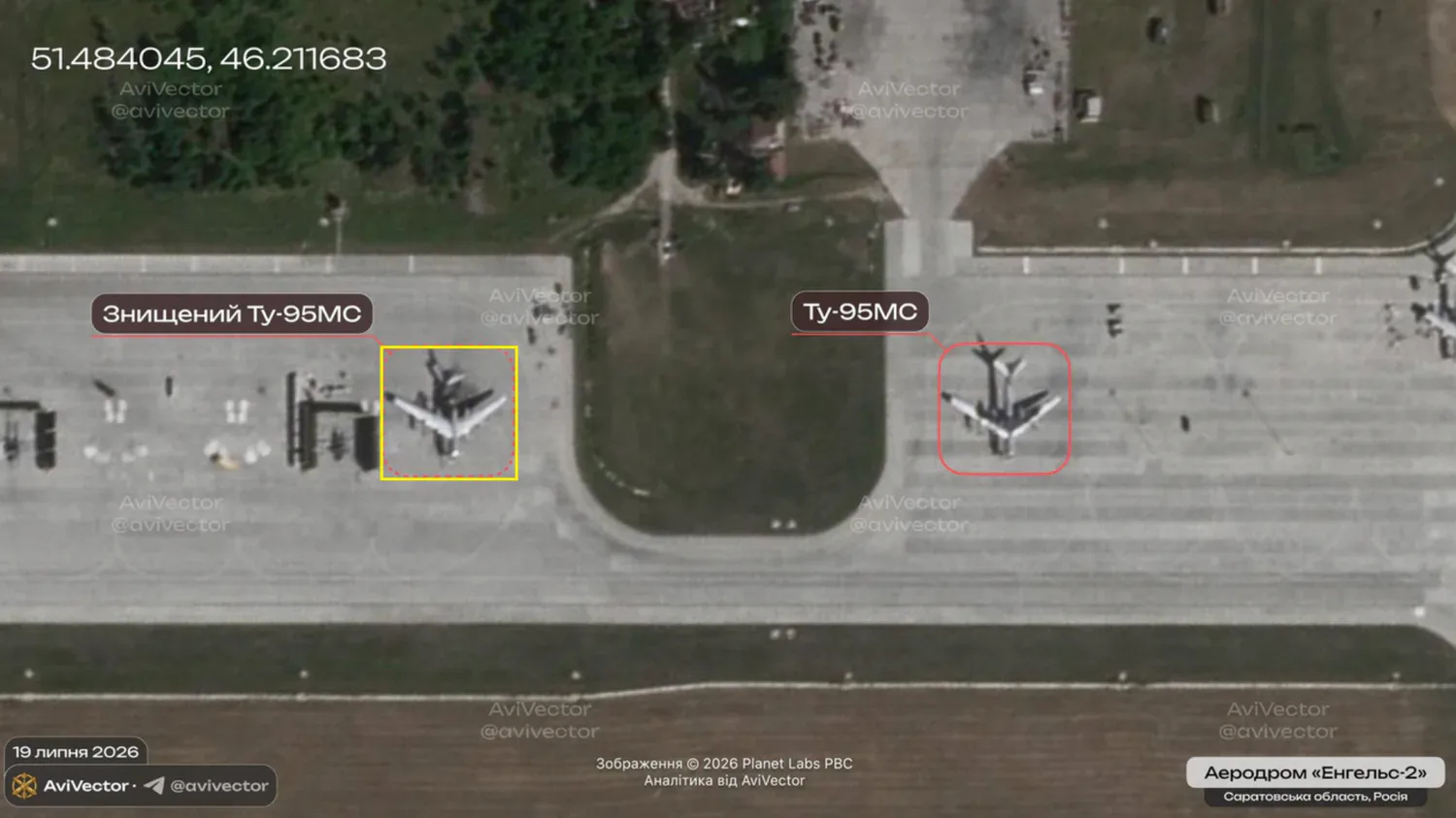
On August 28, President of Ukraine Volodymyr Zelenskyy confirmed the strike on the Yaroslavl Oil Refinery, the Russian Tu-95MS missile-carrying aircraft in Engels, as well as the responses in the Black Sea.