


8 of the most atmospheric Christmas markets worth visiting
Kyiv • UNN
Strasbourg, Dresden, Vienna and other cities preserve unique Christmas traditions. This selection tells about the markets and the main festive dishes.

European Christmas markets have long since evolved from simple winter markets into a large-scale cultural phenomenon, with each city preserving its own centuries-old secrets. Every market is special, with its own fairytale atmosphere and traditions. UNN has selected for you 8 of Europe's most spectacular winter destinations, their unique traditions, and the main gastronomic symbols that everyone should try.
Strasbourg
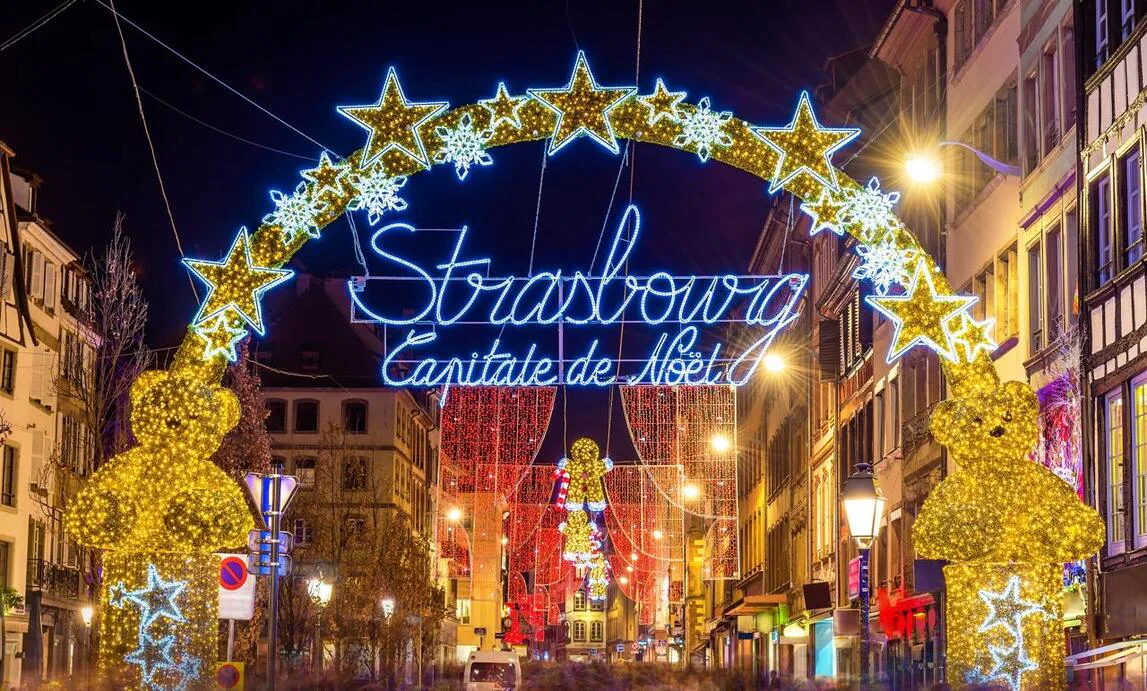
This French city is deservedly called the "capital of Christmas." The market was first established here in 1570 under the name "Christkindelsmärik." Before that, the city had hosted a Saint Nicholas market, but when Alsace became Protestant, Catholic holidays were abolished and the market was renamed in honor of the Christ Child. You should definitely try the local bredele cookies, which are baked exclusively for the holidays, and instead of ordinary mulled wine, try hot white Alsatian wine or spiced apple juice with cinnamon.
Interestingly, Strasbourg has an entire "Christmas tree guard service." The main tree in Place Kléber is selected for months in the surrounding forests: it must be perfectly symmetrical and taller than 30 meters.
Dresden
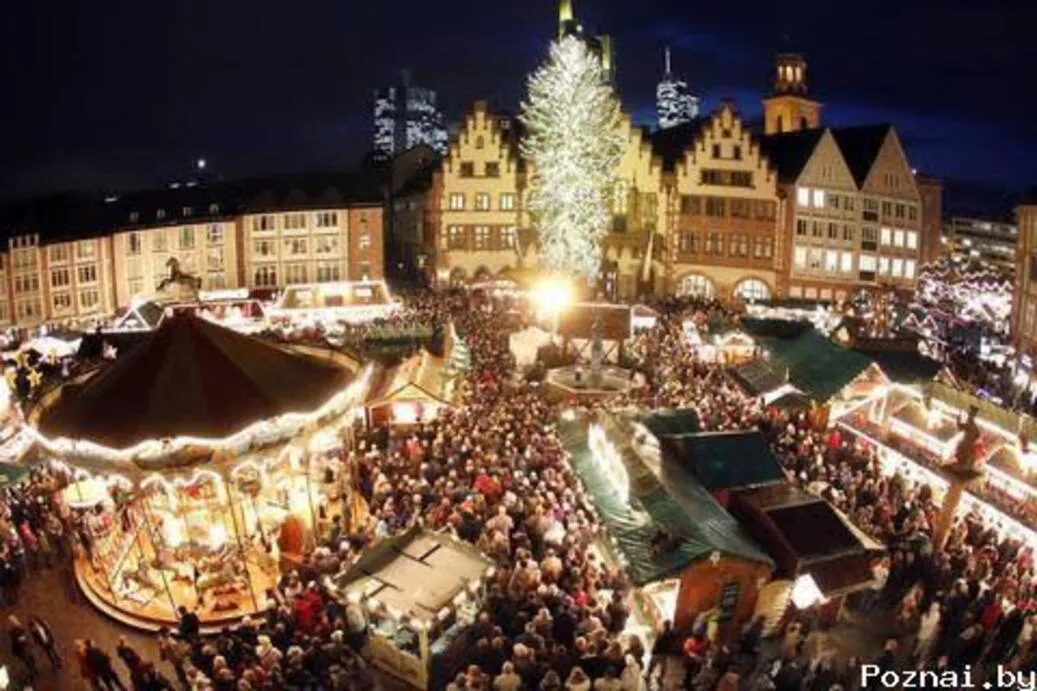
The local Striezelmarkt is Germany's oldest market; it has been officially mentioned in documents since 1434. At first, it was simply a single day of trading, when townspeople were allowed to buy meat after the strict Christmas fast. Be sure to try authentic Dresden stollen. Today, only a few dozen local bakeries have the right to place an official quality mark on it.
The market got its name from the word "Striezel"—the term once used for a festive cake. It is also here that the world's tallest wooden Christmas pyramid stands: a 14-meter structure from the Ore Mountains.
Nuremberg
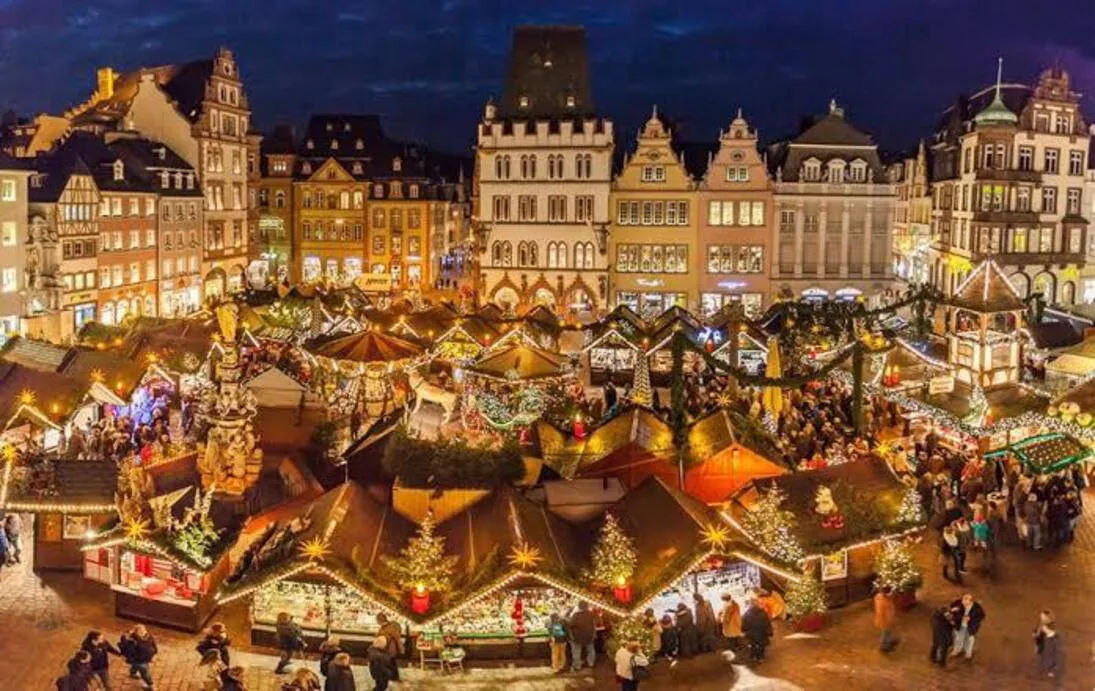
The Christkindlesmarkt in Nuremberg is a place of strict traditions. You will not see plastic garlands or loud modern pop music here. The city council closely monitors that all stalls are made exclusively of natural wood and decorated with fresh fir branches. The market is famous for Nuremberg sausages. They are very small, about the length of a finger, and are traditionally served three at a time in a sliced, crispy roll. The market's main symbol is not Santa Claus, but the Christ Child. A girl is chosen for this role by the townspeople once every two years, and she opens the festival by delivering a speech from the balcony of the Frauenkirche.
Vienna
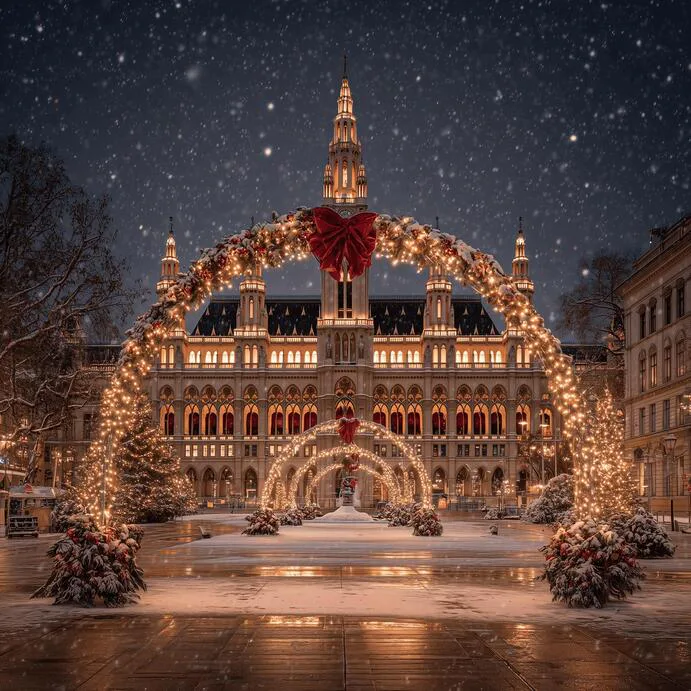
Vienna's markets are pure classic. The very first "December Market" here was authorized by Emperor Albert I as early as 1298. It is important to note that Vienna has not just one market, but more than a dozen different locations throughout the city. Every year, the markets issue signature cups shaped like boots or hearts, which you can keep as a souvenir after paying a deposit. They are used to serve the signature hot punch. It is here, near City Hall, that the most romantic market takes place: hundreds of illuminated figures are lit up on the trees in the park, while a huge ice rink is set up among the wooded paths.
Prague
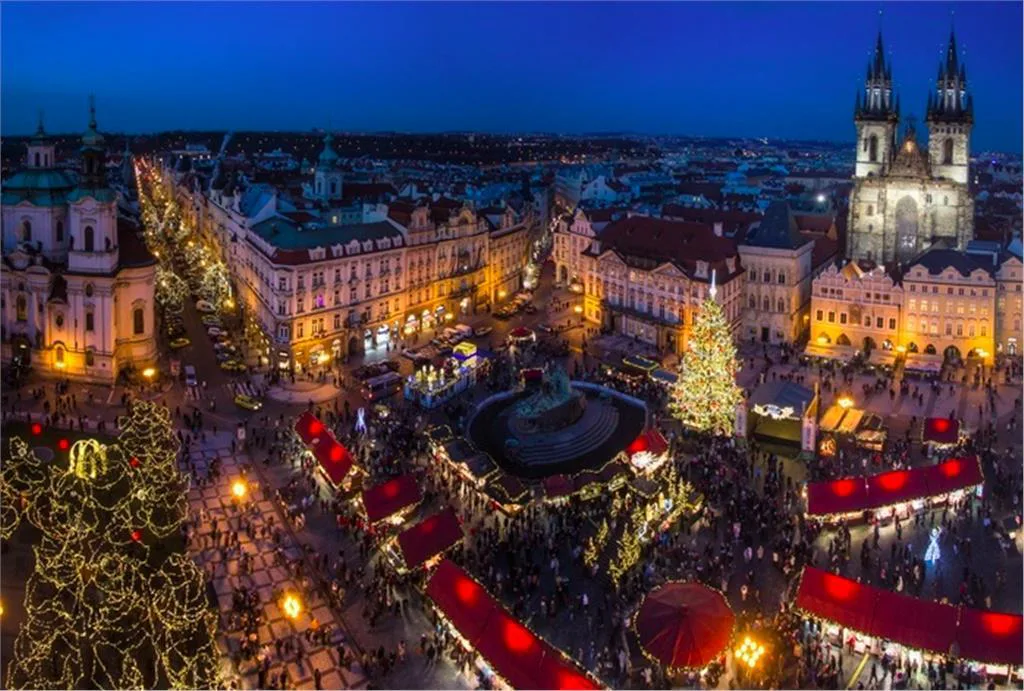
The Czech winter fairytale is centered around Old Town Square. While steam rises from stalls serving grilled sausages, the Gothic Orloj clock counts down the hours to Christmas. Prague's markets are famous for trdelník—rolled dough with cinnamon and nuts—as well as fried hermelín cheese. Traditionally, a live nativity scene with real sheep, goats, and a donkey is installed in the center of the Prague market every year, and children are happily allowed to pet them.
Tallinn
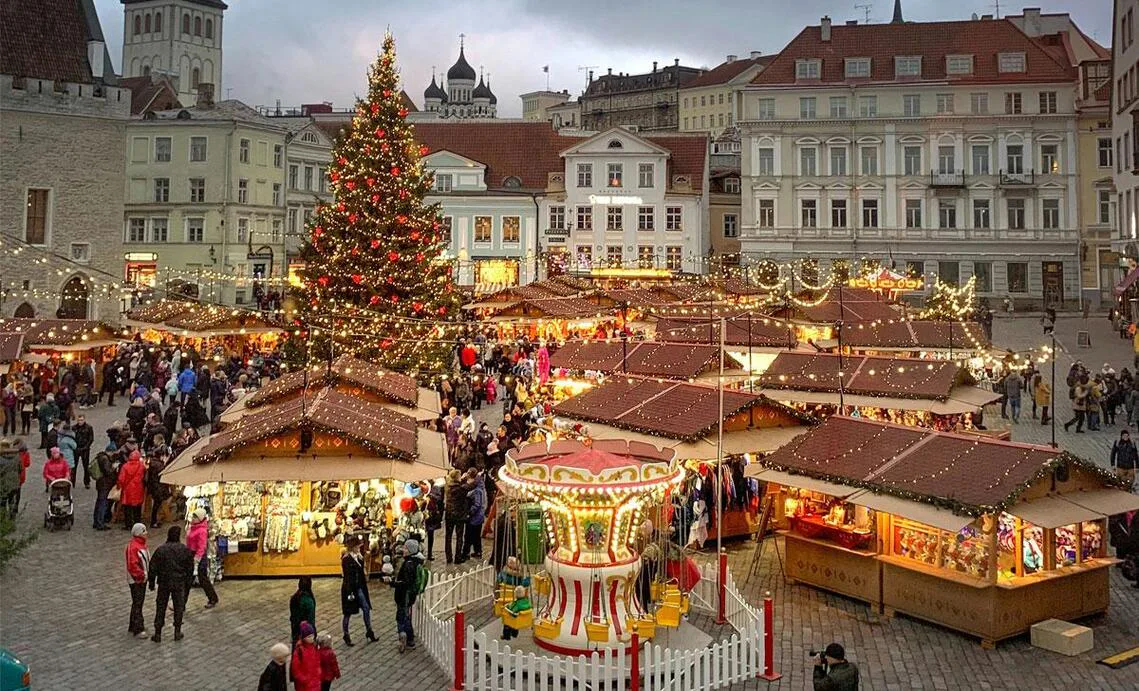
The market on Tallinn's Town Hall Square is small but incredibly cozy. The northern winter atmosphere can be felt here like nowhere else—old stone buildings, snow, and lamplight. Tallinn will surprise you with blood sausage served with lingonberry jam, cinnamon-roasted almonds, and hot mulled wine with the famous Vana Tallinn liqueur added. According to local legend, it was in Tallinn, in 1441, that the Brotherhood of Blackheads erected Europe's first public Christmas tree, around which dances were held.
Wrocław
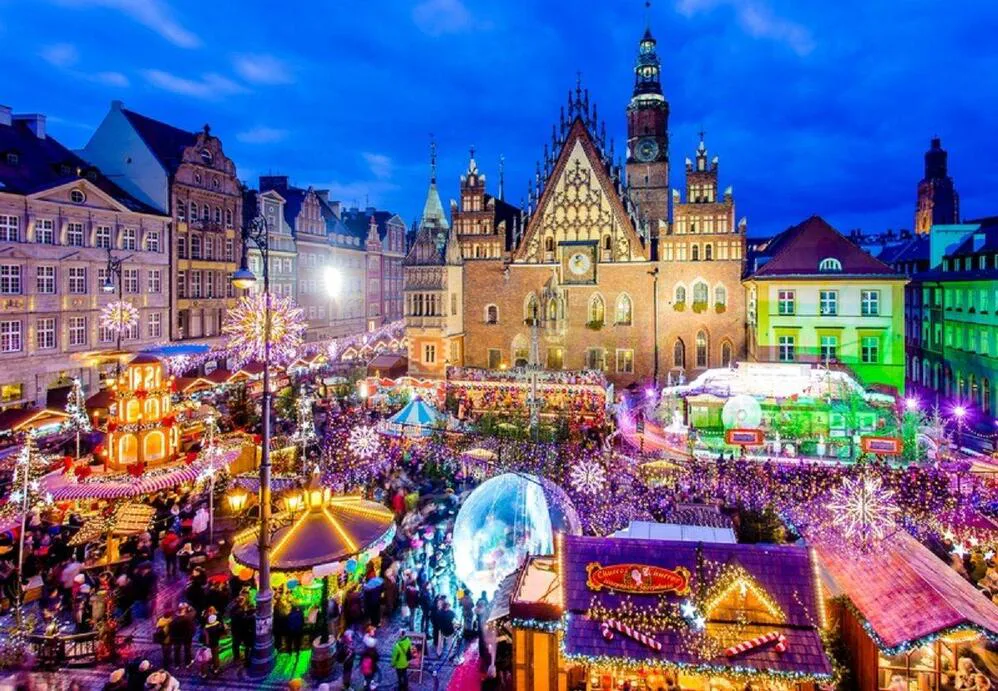
The Wrocław Christmas market on Market Square is now considered one of the largest in Central Europe. The historic center transforms into a real fairy-tale town with two-story wooden mills. Oscypek — smoked goat cheese from the mountains, grilled and served with cranberry sauce — is a delicacy no market is complete without. If you pay close attention, you may spot the famous local bronze dwarfs hiding throughout the Wrocław market. During the holiday season, some of them are even given tiny winter hats and scarves.
Zagreb
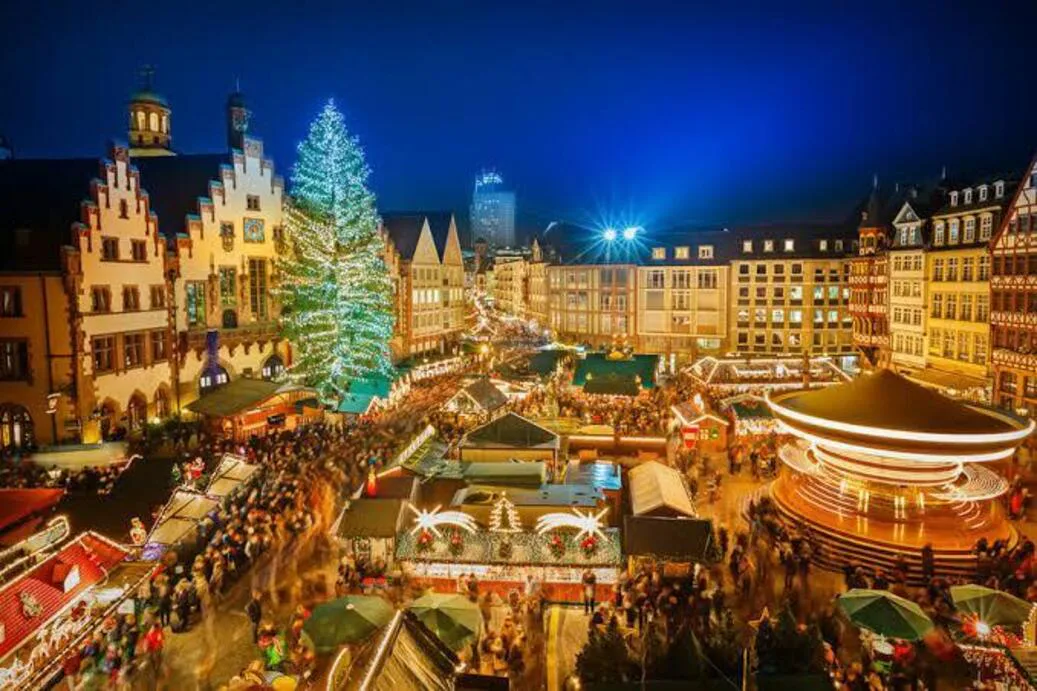
If you thought the best markets could only be found in the north, Zagreb easily disproves that. For several years in a row, the Croatian capital won the title of Europe’s best Christmas market. Here, you should try fritule — mini doughnuts with chocolate, cinnamon, or powdered sugar, served hot in cups. The market encompasses not just one square but literally the entire city: from Zrinjevac Park with its classical music pavilion to the historic underground Grič Tunnel, which is transformed into a light tunnel with musical accompaniment.