










Sacred "election campaign": How Russia recruited Moldovan priests to influence elections – Reuters
Kyiv • UNN
Russia financed trips for Moldovan Orthodox priests to Moscow and provided them with debit cards, after which the clergy created Telegram channels to influence elections in Moldova. The campaign's goal was to warn believers about integration with the EU and promote traditional Russian values.

According to Reuters, Russia financed trips for Moldovan Orthodox priests to Moscow and provided them with debit cards loaded with hundreds of dollars. Following this, the clerics created Telegram channels to influence elections in Moldova. The campaign's goal was to warn believers about EU integration and promote traditional "Russian" values. Moldova is holding crucial parliamentary elections on Sunday, which could determine the country's future path between Russia and the West. This is stated in a Reuters report, writes UNN.
Details
According to a Reuters investigation, in 2024, several dozen Moldovan Orthodox priests visited Moscow on fully paid trips organized by Russian church and state structures.
The "pilgrimage" included lectures by theologians and historians who emphasized the common cultural and religious traditions of Russia and Moldova and called for "sticking together against the morally corrupt West." Before returning home, the priests were given Russian bank debit cards with a promise of money upon their return.
In exchange for funding, the priests were to create Telegram channels for their parishes to disseminate information about the "dangers" of the government's pro-Western course.
Russia recruits and trains priests during so-called "all-inclusive" pilgrimages to weaponize religion. Upon their return, the priests come to Moldova and use their influence to sow distrust.
Reuters' analysis of social media data showed that in the past year, almost 90 new Telegram channels for parish communities appeared in Moldova, daily publishing content that highlighted the threat of "European values" and "LGBT ideology." One of the main channels was Sare și Lumiña, which published over 600 messages in three months, almost tripling the activity of previous months.
Today, our country faces a fateful choice. We are advised to abandon our faith, language, and roots in exchange for foreign rules and "European values."
The Moldovan Orthodox Church and Archbishop Marchel state that the trips were purely religious pilgrimages, and the new Telegram channels were an initiative of local priests.
The trips of the clergy to Russia were simply pilgrimages to holy places, while the new social media channels are a local initiative of the Moldovan church.
According to Reuters, three Russian political operatives accompanied the priests during the pilgrimages and coordinated some of the social media content. Among them are Artem Starostin, a member of the "United Russia" party, Alexander Ralnikov, and Sergey Lazarev, associated with Kremlin structures. They did not comment on their involvement.
Against this backdrop, Moldova is holding crucial parliamentary elections, and President Maia Sandu's ruling party risks losing its majority. An EU spokesperson emphasized that Brussels continues to support Moldova's European aspirations and is monitoring possible external interference in the elections.
On the third day of the pilgrimage to the Trinity Lavra, Father Mihai Bicu told Reuters that his group was introduced to two people in civilian clothes who had no spiritual titles. One of them, who introduced himself as "Yuri," allegedly suggested that the priests create Telegram channels to record activities and convey messages to parishioners.
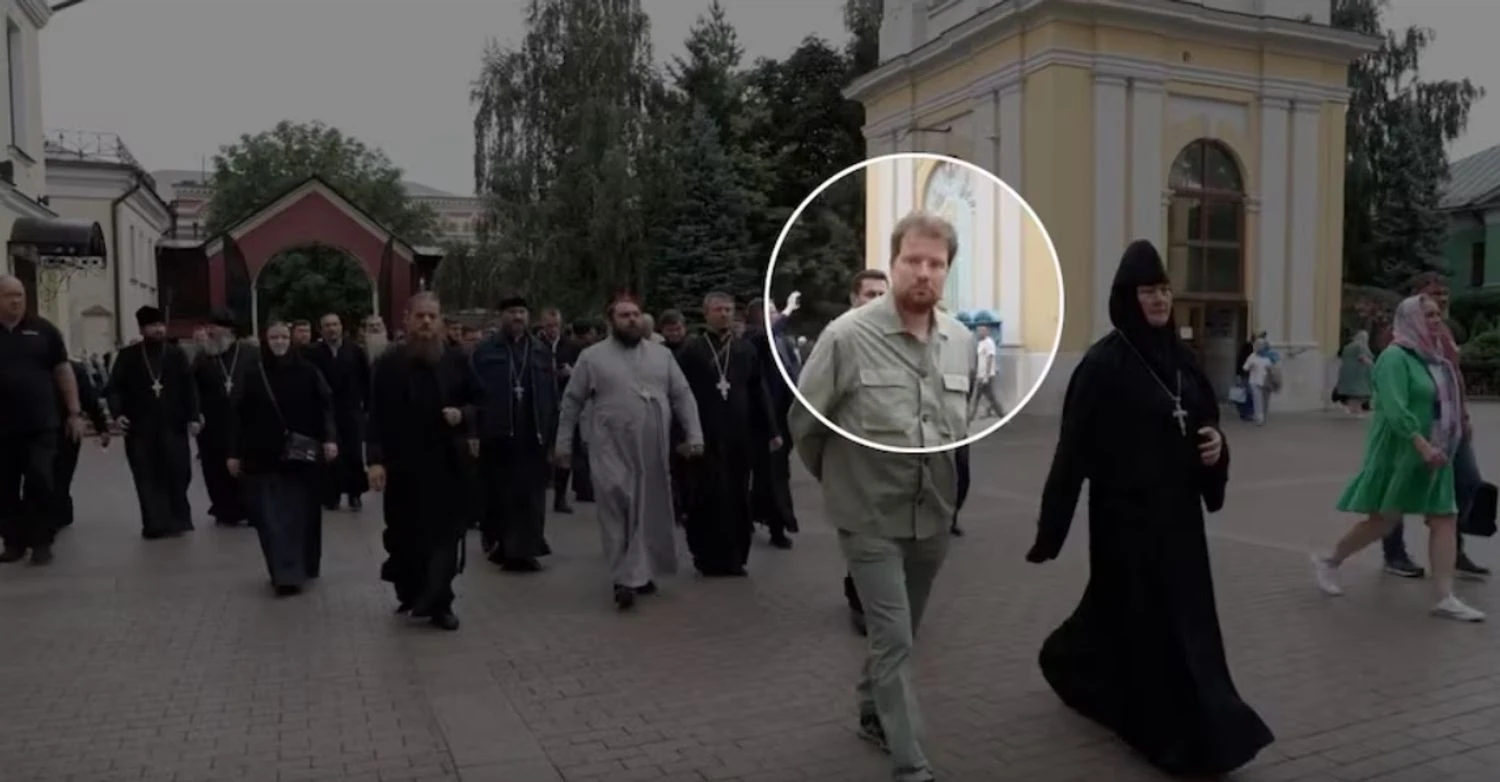
Later, the group was divided into smaller teams and asked to sign forms from the Russian state-owned "Promsvyazbank," after which participants were issued debit cards.
The Reuters report states that another priest, who wished to remain anonymous, confirmed that he and his wife received a "Promsvyazbank" card during a separate trip in the fall of 2024 and together received over $800. He denied any conditions associated with the funds, stating that it was part of the Moscow church's outreach to Moldovan clergy.
Four other priests told Reuters that many colleagues received cards and money for spreading pro-Russian narratives among parishioners.
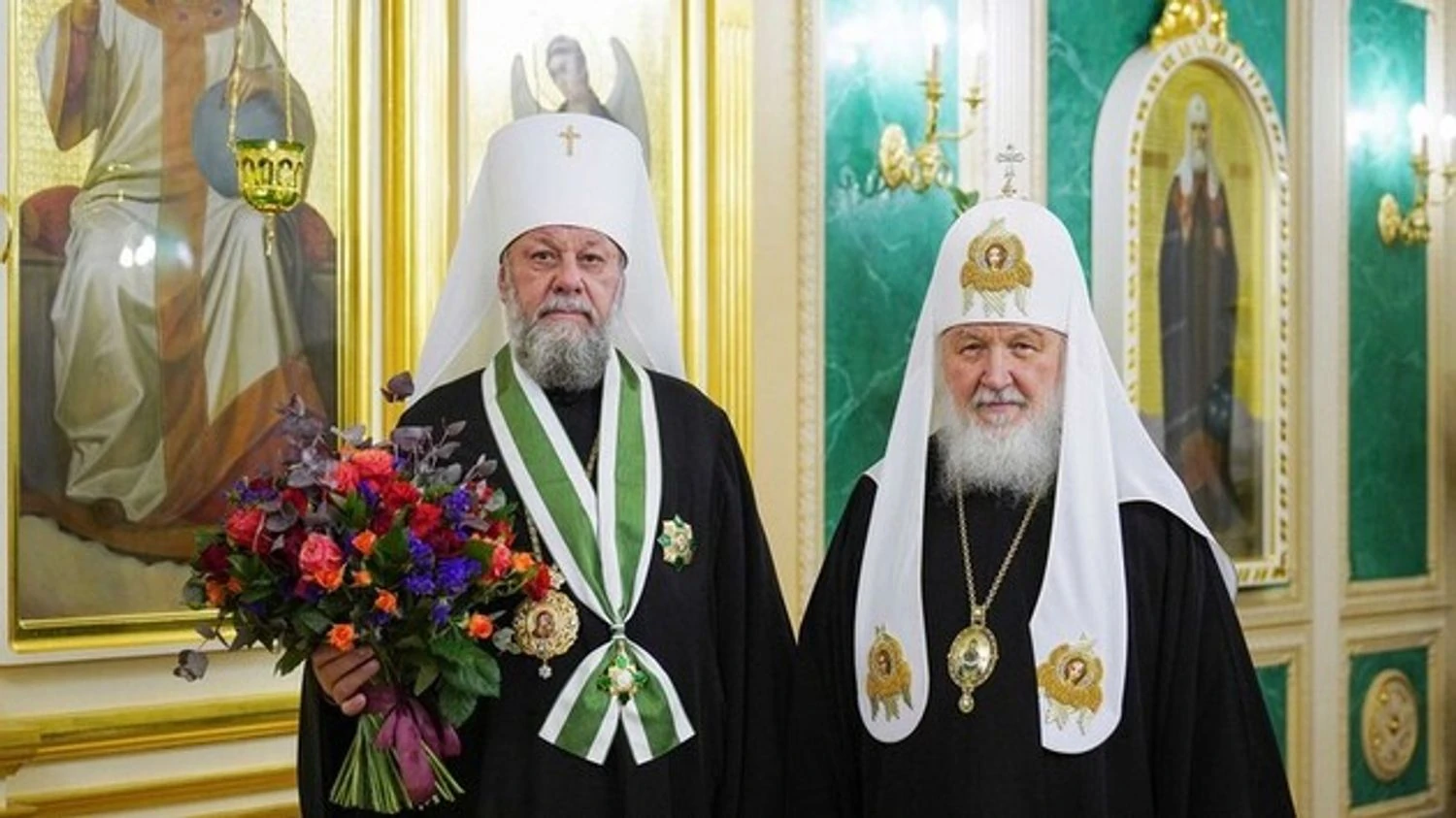
Bicu, however, refused to follow the plan and, a few weeks later, switched to a rival branch of the Orthodox Church associated with Romania, keeping the $1200. Other priests followed instructions: for example, in October 2024, the team of St. Panteleimon Church in Bălți launched a Telegram channel with the help of an IT specialist who was not a Moldovan citizen.
Shortly after its launch, the channel featured political posts related to LGBT and the alleged "desire of Romania to separate Moldova from the Russian church." Some of these publications were deleted by the team, but new ones appeared.
According to Reuters, from August 2024 to May 2025, 86 Telegram channels of Moldovan Orthodox parishes were created, reaching a total of about 11,500 subscribers. More than three-quarters of the channels regularly reposted content from the national channel Sare și Lumiña, created in June 2024, which reached over 27,000 people in the last month.

The names of specific channel administrators are unknown: some publicly deny any control, and the Moldovan and Russian Orthodox Churches did not respond to Reuters' inquiries about their involvement in the channel.
Russian fake news network wants to influence Moldovan elections - BBC22.09.25, 12:08 • 4057 views