










Anniversary of the 9/11 attacks: what was the largest terrorist attack in human history
Kyiv • UNN
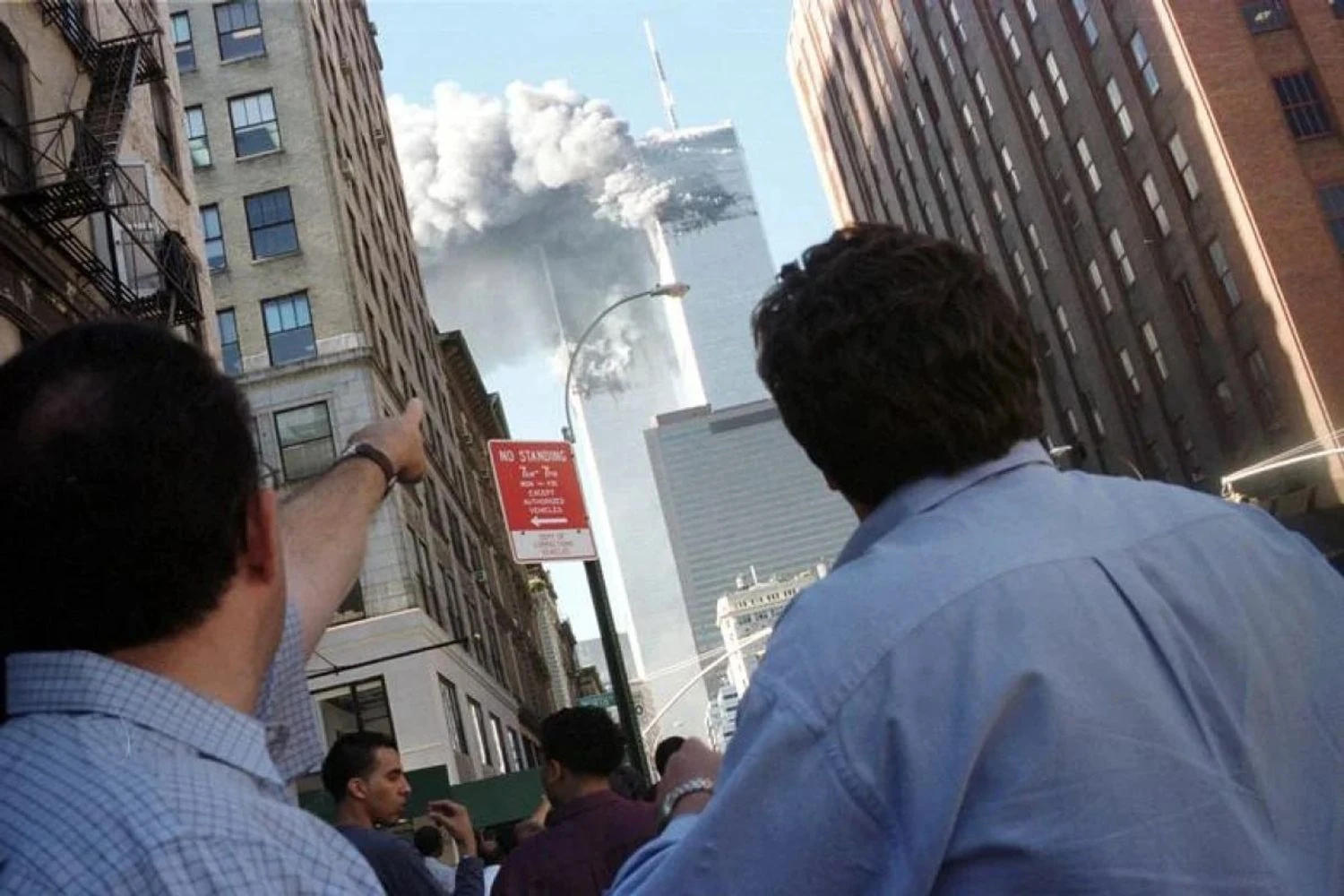
On September 11, 2001, 19 Al-Qaeda terrorists hijacked four planes, directing them at the Twin Towers, the Pentagon, and a field in Pennsylvania. 2,977 people died, which led to a radical rethinking of airport security systems worldwide.

On September 11, 2001, 19 suicide terrorists from the Islamist group "Al-Qaeda" hijacked four passenger airliners and directed them towards pre-determined targets – the Twin Towers of the World Trade Center in New York and the Pentagon building. Another plane crashed in a deserted area when passengers tried to fight off the terrorists. We tell the story of the bloodiest terrorist attack in human history in the UNN material.
September 11 attacks
The September 11, 2001 attacks were carried out by 19 Al-Qaeda extremists who hijacked four passenger planes. Two of them they directed at the Twin Towers of the World Trade Center in New York, and one at the Pentagon building. Another plane did not reach its target.

It crashed in a field in Pennsylvania when passengers attacked four terrorists, trying to take control of the plane. The cry of one of the passengers, "Let's roll!", which was heard on the plane's black box, became a slogan in America for the fight against terrorism. It is now believed that the fourth plane, Flight 93, was headed for the Capitol.
Over 70 dead: Islamists attacked civilians in DR Congo09.09.25, 16:37 • 3848 views
How many people died
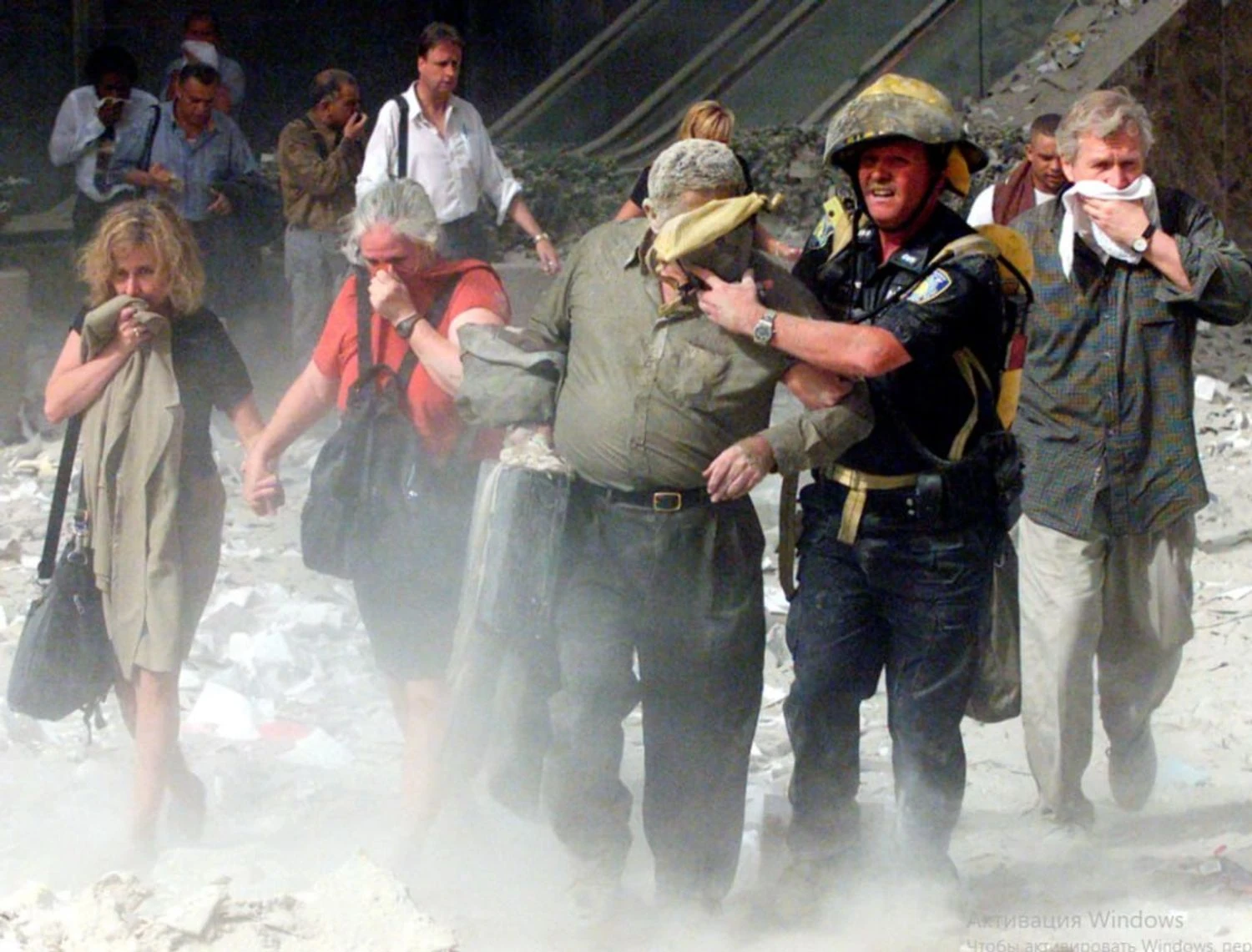
A total of 2,977 people died (not including the 19 militants). Most of them were residents of New York:
• all 246 passengers and crew on board the four planes;
• In the Twin Towers, 2,606 died – immediately or later from injuries;
• In the Pentagon, 125 people died.
The youngest victim was two-year-old Christine Lee Hanson, who died on one of the planes with her parents Peter and Sue.
The oldest was 82-year-old Robert Norton, who was on another plane with his wife Jacqueline. They were flying to a wedding.
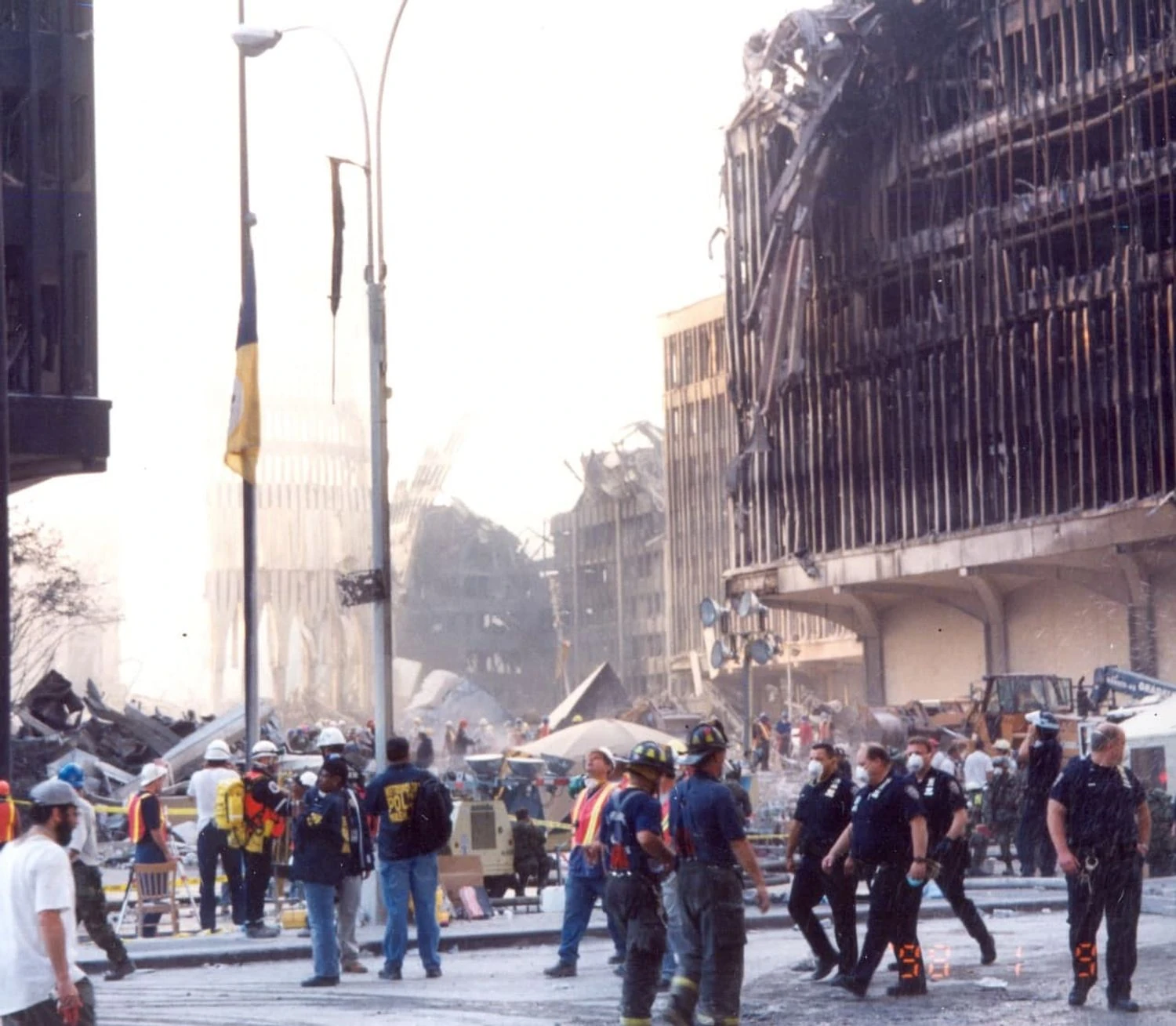
Approximately 17,400 people were in the towers when the first plane hit them. No one survived above the impact zone in the North Tower, but 18 people managed to escape from the floors above the impact zone in the South Tower. Among the dead were citizens of 77 different countries. New York also lost 441 emergency service personnel.
It is especially worth mentioning the head of security of the Twin Towers, Rick Rescorla. Employees did not particularly like the too frequent evacuation drills from the buildings. However, on September 11, 2001, everyone who survived was grateful to him for these drills. Rick Rescorla died, saving people until the very end.
Thousands of people were injured or later suffered from illnesses related to the attacks – including firefighters.
Search and elimination of the organizers of the September 11 attack
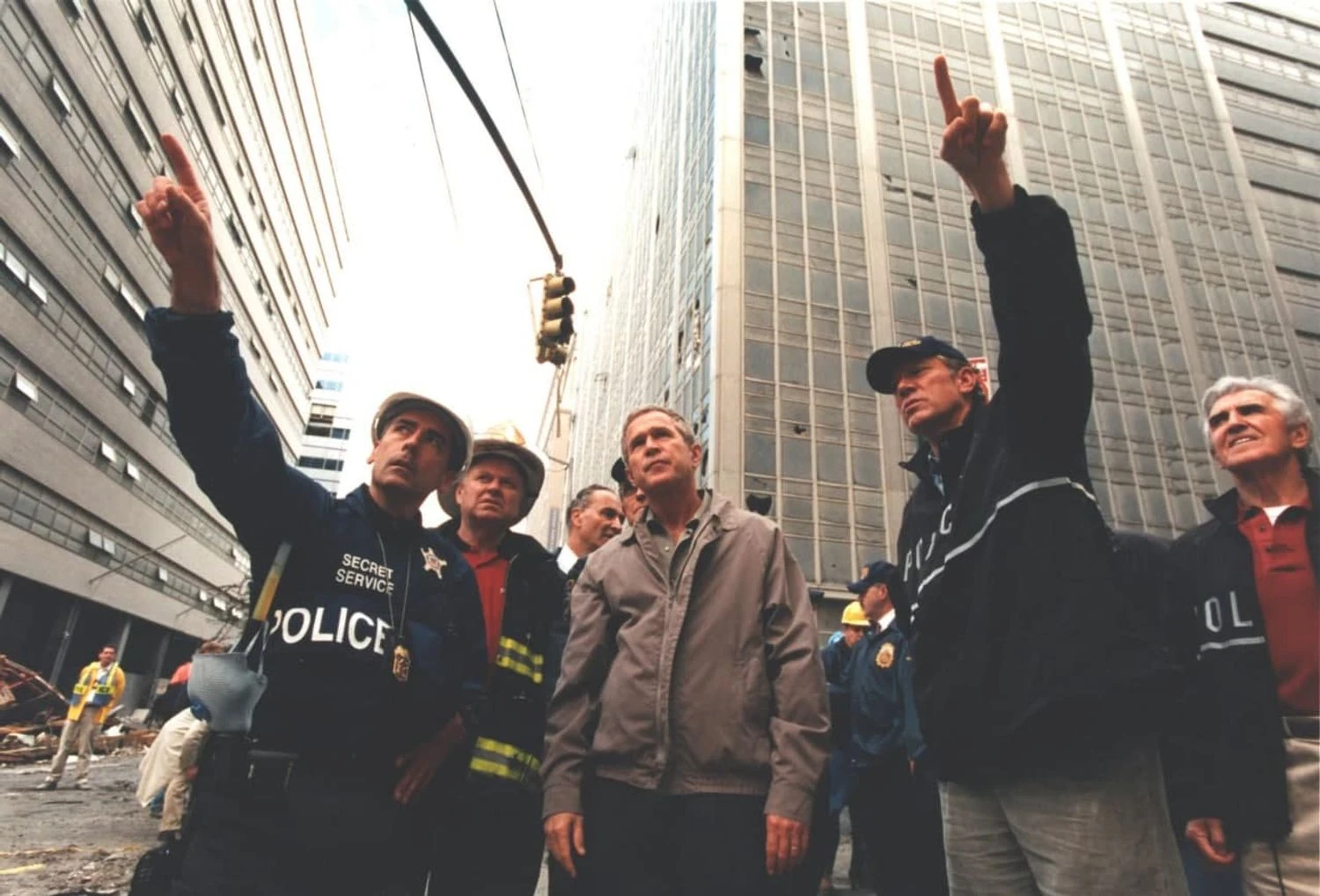
Less than a month after the attacks, President George Bush led the invasion of Afghanistan. This was done with the support of an international coalition to eradicate "Al-Qaeda" and hunt down bin Laden.
Exactly 10 years later, American special forces from the "Navy SEALs" unit killed the main leader of "Al-Qaeda" Osama bin Laden. However, since then, no one has been convicted of organizing the terrorist attacks. Even before bin Laden's elimination, Zacarias Moussaoui was sentenced to life imprisonment for organizing the September 11 attacks. Khalid Sheikh Mohammed, who is considered the mastermind of the 9/11 attacks, is still on trial. The hearings will resume after further delays, which this time were caused by the pandemic.
The US Department of Justice announced that the FBI has completed part of the investigation into the terrorist attacks. The bureau is currently reviewing long-classified documents and deciding whether they can be released. However, for the relatives of those killed in the attacks, one question remained – did Osama bin Laden's homeland, Saudi Arabia, help the terrorists?
Victims' families are suing Saudi Arabia, which denies any official involvement, and the 9/11 Commission was unable to prove any connection between that state and the terrorists. Fifteen of the nineteen terrorists came from that country.
Airport security
The September 11 attacks led to a radical rethinking of airport security systems worldwide. Now, passengers undergo strict control before boarding, which includes passing through a metal detector, placing all pocket contents on a special tray, and a ban on any items that could even remotely be used as weapons. For example, utility knives, which the terrorists used on that terrible day to carry out their intentions.
In December 2001, Richard Reid tried to blow up a flight from Paris to Miami, which he failed to do. The explosives were in his shoe the whole time. Since then, shoe removal has been added to security checks.
The amount of liquid that can be carried on board an aircraft has also been limited, as some liquids can be used to make a bomb. Due to the new rules, queues for security checks appeared. In this regard, passengers began to arrive at airports earlier.
However, no matter how much passengers resented such interference in their personal space, these measures yielded results. After the September 11 attacks, the number of hijacked planes significantly decreased both in the US and elsewhere. Enhanced security measures were successful.
Exceptions, unfortunately, were fatal. In 2015, a Russian plane crashed shortly after taking off from an airport in Sharm el-Sheikh. Authorities in America and Britain suggested that the crash of this plane in Egypt was caused by a bomb. However, this case remains an exception.
Women are losing their rights in Afghanistan: denied access to education15.01.25, 16:14 • 26331 view