


All seven finalists for the 2027 Car of the Year turned out to be electric cars
Kyiv • UNN
BMW, Cupra, Hyundai, Kia, Renault, Volkswagen and Volvo will compete for the 2027 Car of the Year title. The winner will be announced on January 8.

Today, October 30, leading automotive industry experts announced the seven finalists for the 2027 "Car of the Year" award, which will compete to take the European crown from the Mercedes-Benz CLA, reports UNN.
Electric vehicles are taking over the world
The jury members selected seven cars that will compete for this year's "The Car of the Year" award. They are: the BMW iX3, Cupra Raval, Hyundai Ioniq 3, Kia EV2, Renault Twingo, Volkswagen ID.Polo and Volvo EX60.
The seven finalist models will attempt to impress with their technologies, engineering solutions, dynamic characteristics, equipment and value for money.
The choice for the European automotive industry will not be easy. After electric vehicles won for two years in a row, last year the Mercedes-Benz CLA returned the premium brand to the throne (with both electric and internal combustion engines).
This year has become a historic milestone. All seven cars competing in this final are 100% electric vehicles, in line with the general trend in the European market, which is developing rapidly in this area. The fuel crisis caused by the war in Iran contributed to the growing number of electric vehicle users. This is the first time in the 63-year history of this European award that all finalist models have been electric vehicles.
The first of a new era - BMW iX3 50 xDrive
The spacious exterior and interior of the new BMW iX3 clearly highlight the brand's unmistakable design features and, combined with a modern interior and BMW's characteristic driver-focused approach, create maximum comfort.
With a range of up to 805 km and charging power of 400 kW, the BMW iX3 50 xDrive sets new standards in the fully electric SUV segment. The innovative BMW Panoramic iDrive takes intuitive control and driver orientation to a new level.
Thanks to BMW Heart of Joy and optimized driver assistance systems, a new level of driving pleasure is achieved.
The BMW Panoramic iDrive display and control system combines four central control elements for a unique user experience. Interact intuitively by touch or voice using the intelligent BMW Personal Assistant.
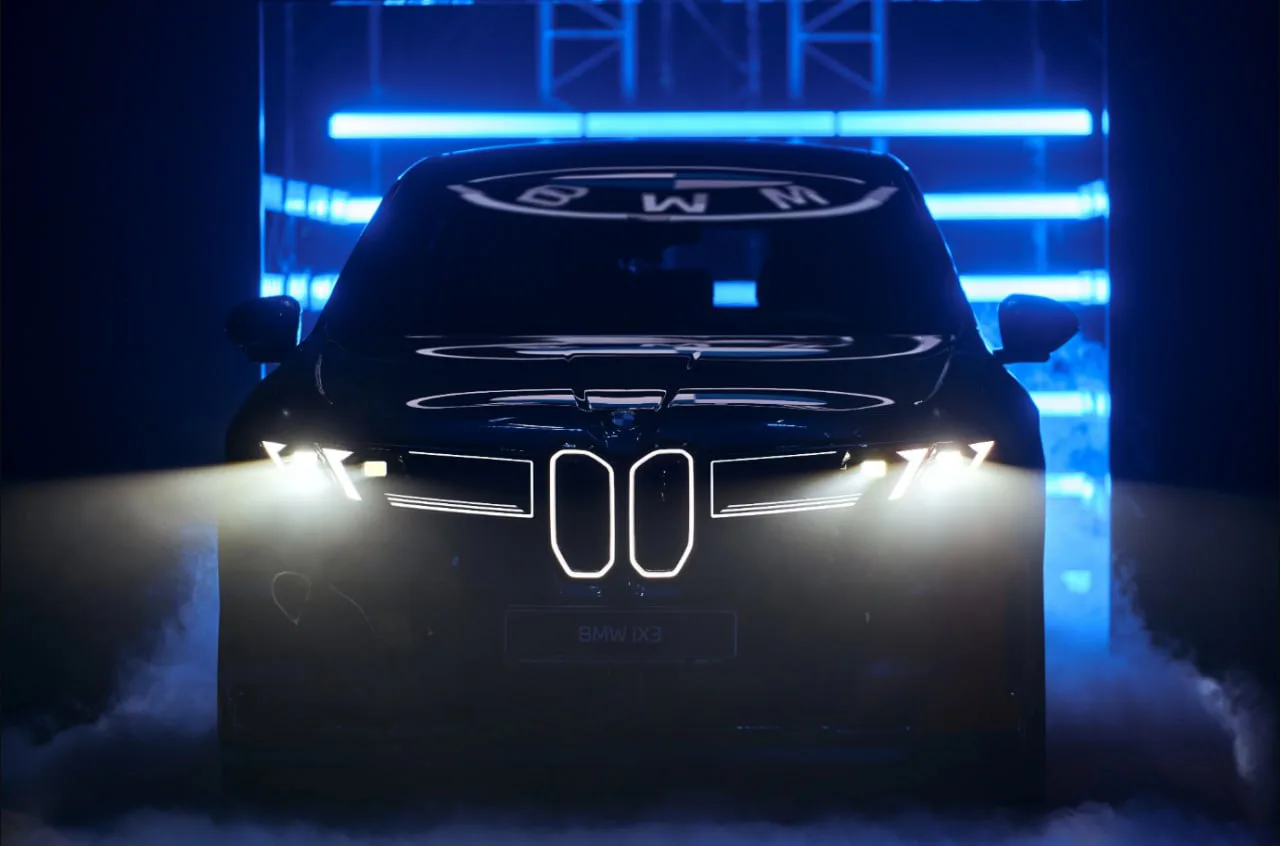
A comprehensive set of sensors, cameras and radar systems continuously monitors the surroundings of the BMW iX3. These technologies detect obstacles and other road users, providing accurate data for the driver assistance systems.
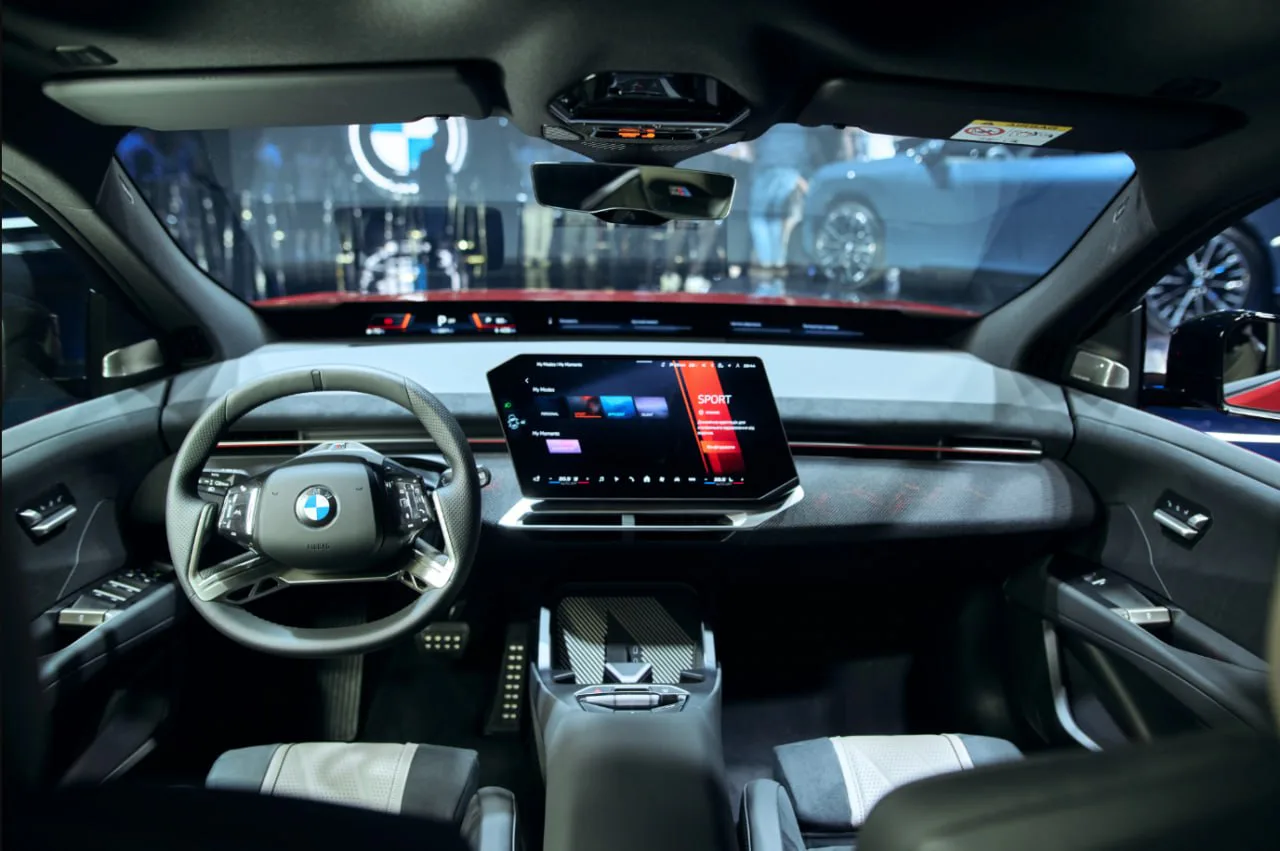
The BMW iX3 is the first car in which powertrain and driving dynamics control have been combined in a single unit - BMW Heart of Joy. The central computer, together with BMW Dynamic Performance Control software, coordinates all relevant processes in a matter of seconds, delivering exceptional dynamics and precision that inspire confidence. The revolutionary Soft Stop function ensures a smooth and safe drive - right through to a complete stop.
BMW plans dozens of new models by the end of 202731.07.26, 17:08 • 4411 views
Inspired by El Raval - Cupra Raval
In 2026, Cupra, a subsidiary of Seat, presented the pre-production version of its new electric city car – the Cupra Raval. The model demonstrates the brand's further step toward electrification and opens up the Electric Urban Car Family, which Cupra is developing and implementing in cooperation with the Volkswagen Group. The pre-production test drive in Martorell made it possible to assess the model's initial characteristics, dynamics and design concept.
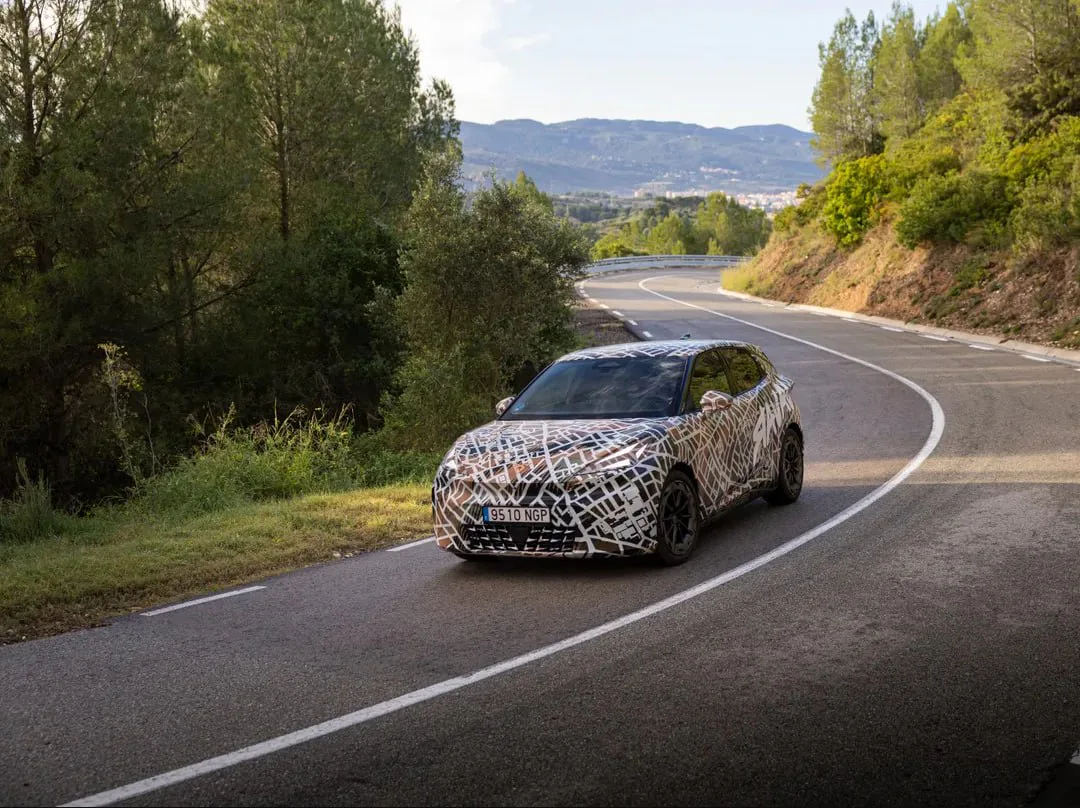
Built on the new MEB+ platform, the Cupra Raval combines compact dimensions with driver-oriented dynamics, precise handling and optimized cabin space. Thanks to its sport-tuned chassis, adaptive suspension and modern electric technologies, the model demonstrates a balanced combination of efficiency and emotion that will define its position in the electric city car segment.
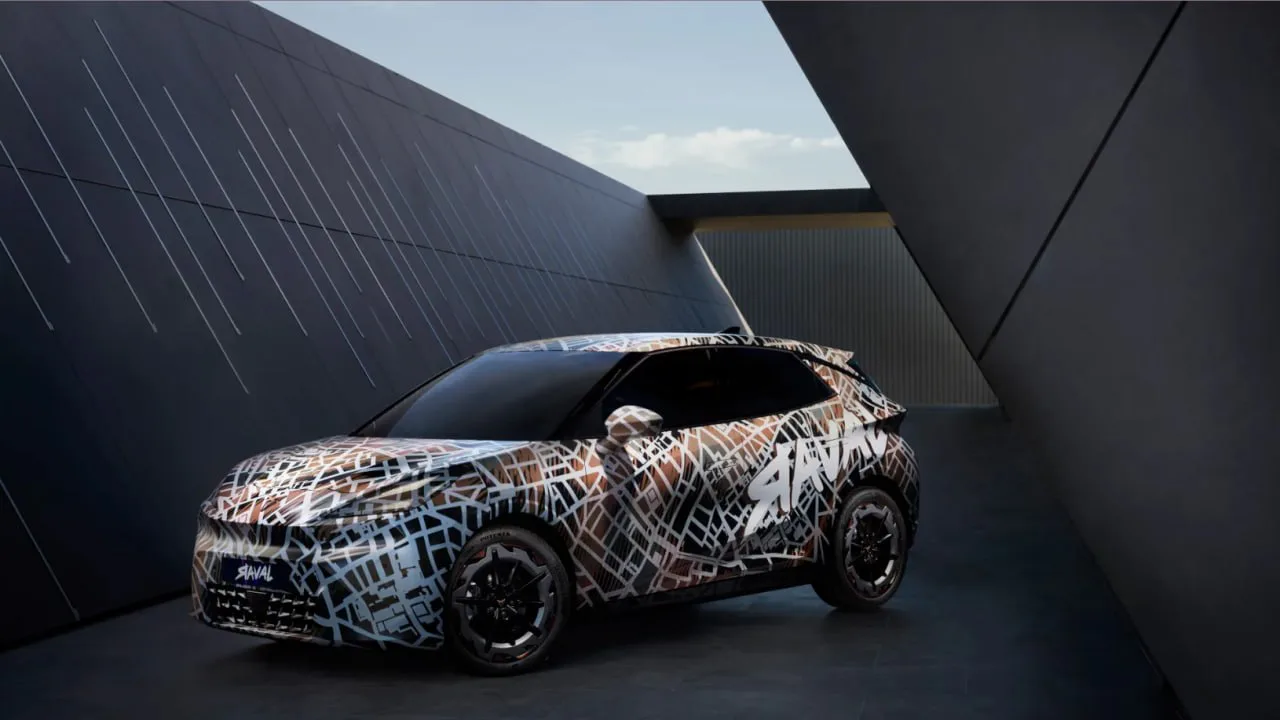
The name and concept of the Cupra Raval are inspired by one of Barcelona's most vibrant districts - El Raval, known for its energy, contrasts and distinctive urban character.

It was precisely this spirit of urban freedom and individuality that became the foundation for the model’s design concept. The camouflage of the pre-production vehicles also recreates graphic motifs inspired by the street map of the district, emphasizing Raval’s connection with its place of origin and the brand’s bold design philosophy.
A New Level of Electric Vehicle Technology - Hyundai IONIQ 3
In April, Hyundai Motor Europe unveiled the IONIQ 3 - a fully electric compact hatchback created to make mobility more intuitive and comfortable for the everyday needs of Europeans.
The IONIQ 3 combines bold design inspired by Hyundai’s "Art of Steel" philosophy, technologies that are simple and convenient to use, and a spacious, comfortable interior. Fulfilling the mission of the IONIQ lineup to lead in advanced electrification, the model was created using a design approach that combines simplicity, precision, and the authenticity of materials.
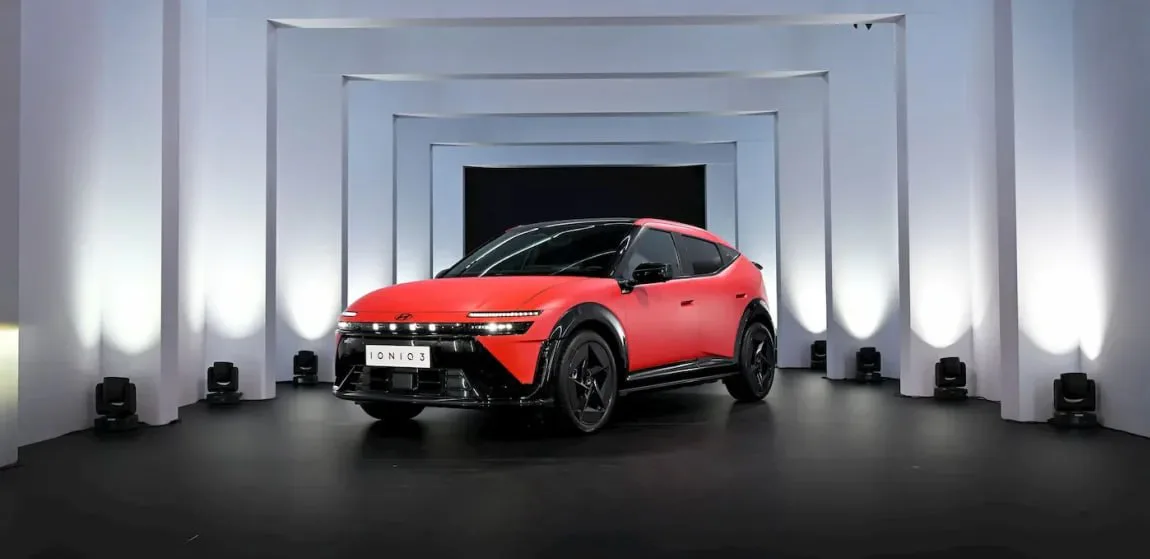
The IONIQ 3 introduces a new "Aero Hatch" typology with a silhouette optimized to combine aerodynamic efficiency and a spacious cabin. Its low front end transitions into a distinctive roofline that runs evenly above the front and rear rows of seats before gently descending and integrating organically with the rear spoiler. This geometry maximizes interior space, providing noticeable headroom and enhanced comfort for rear-seat passengers.
The new "Aero Hatch" concept provides a unique balance between aerodynamic efficiency and cabin space, with an expected drag coefficient of 0.263 - one of the best in its class.
Hyundai’s "Art of Steel" design language creates expressive, crisp surfaces complemented by the signature pixel light design and four central dots that reference the letter "H" in Morse code.
Two battery options with a projected WLTP range of 344 km (Standard Range), while the Long Range version is aimed at delivering one of the best figures in its class - up to 496 km.
Fast DC charging from 10% to 80% in approximately 29 minutes, as well as support for AC charging at up to 22 kW.
The cabin offers upper-segment levels of space thanks to its flat floor and the "Furnished Space" interior concept, providing full comfort for five passengers and convenient seating for three adults in the rear row.
Hyundai N plans to launch seven new sports models by 203027.08.26, 10:18 • 5703 views
The smallest electric crossover with an unusual design - Kia EV2
The Kia EV2 has become the brand’s sixth model based on a purpose-developed electric platform and, as with its older siblings, its styling is, to put it mildly, bold.
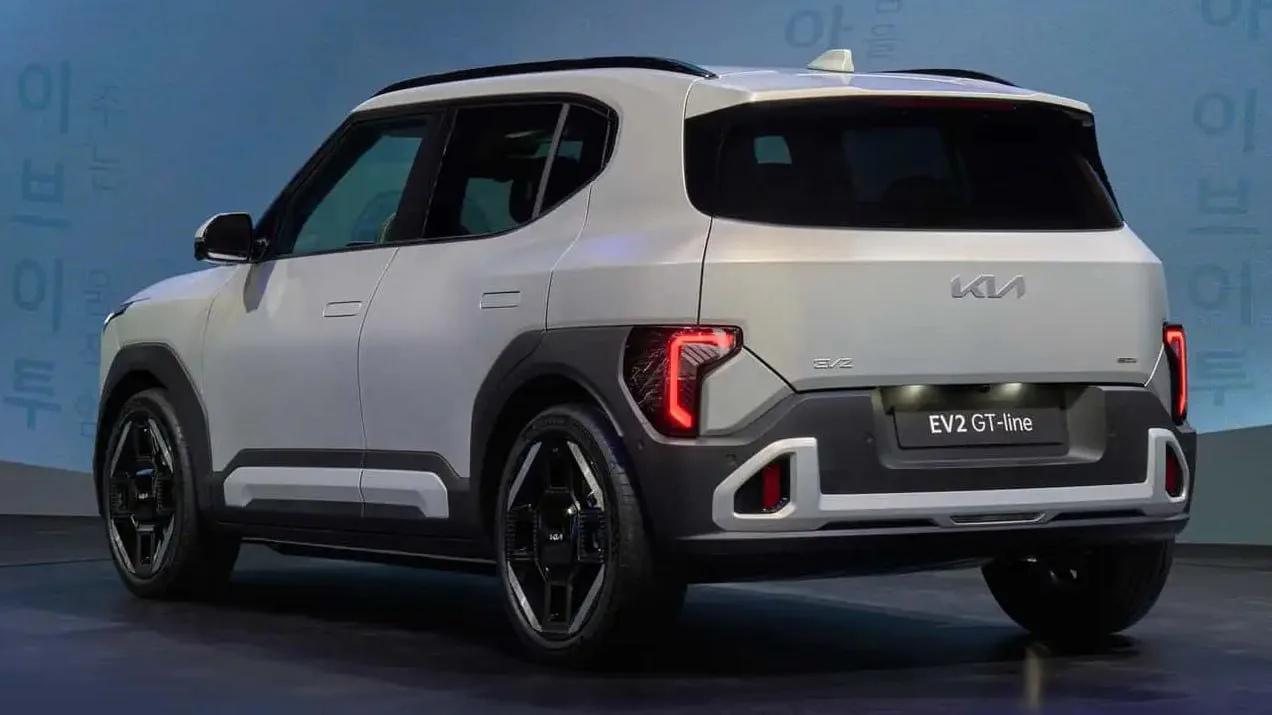
Amid a sea of luxury crossovers, the Kia EV2 has boxy proportions and is offered with a GT-Line trim that adds a slightly sportier style from day one. The rear lights, pressed into the lower corners of the body, are an eccentric touch reminiscent of the Chrysler PT Cruiser. Up front, the split vertical headlights look as though they were taken straight from a concept car, helping the electric subcompact stand out immediately in a crowded segment.
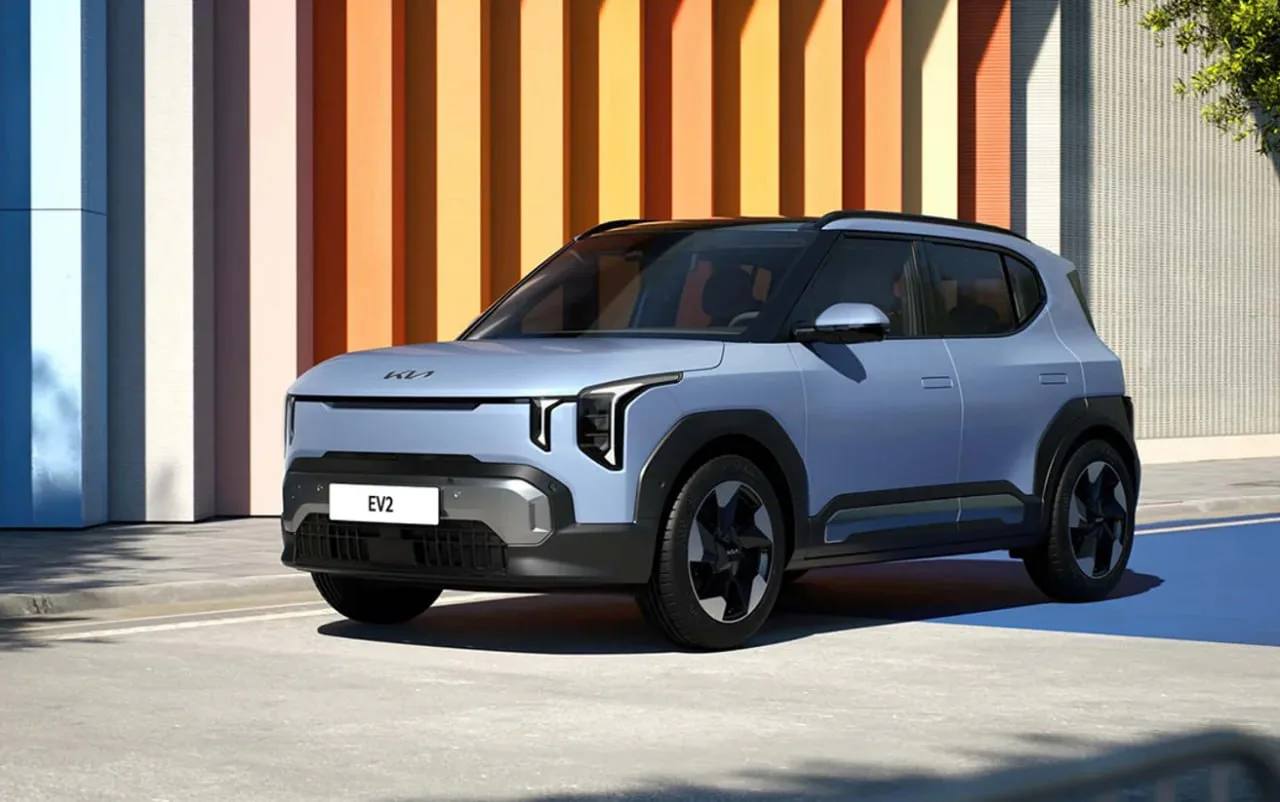
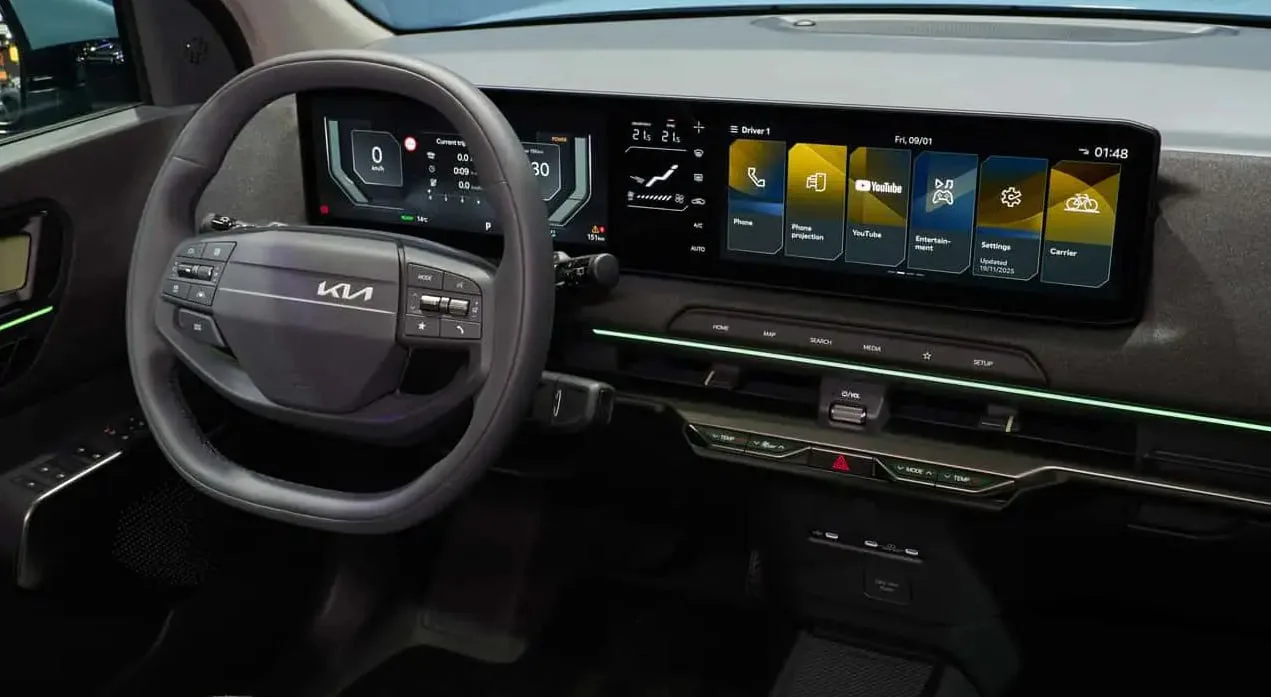
Although some exterior details create the impression that the EV2 has come from the future, the interior is not entirely science fiction.
Developed on the E-GMP platform that underpins many Hyundai and Kia electric vehicles, the EV2 is offered with two battery options. The base 42.2 kWh unit provides a WLTP range of up to 317 kilometers, while the larger 61 kWh battery increases this figure to 448 kilometers on a single charge.
The standard-range model produces 144 horsepower, allowing it to accelerate from 0 to 100 km/h in 8.6 seconds, while the extended-range model sacrifices 10 horsepower and needs 9.5 seconds to reach the same mark. Both versions are electronically limited to 159 km/h. Fast DC charging from 10 to 80 percent takes 29 minutes with the smaller battery and 30 minutes with the larger one.
The return of an icon and a revolution in its segment — Renault Twingo E-Tech Electric
Launched in 1992, the Renault Twingo radically changed the A-segment with its bold new concept for a city car. Fun, bright and modular, the Twingo invited customers to “invent a life that suits it.” At the time, the market offered a wide choice of city cars, and their number grew every year. Today, this segment accounts for less than 5% of the European market.
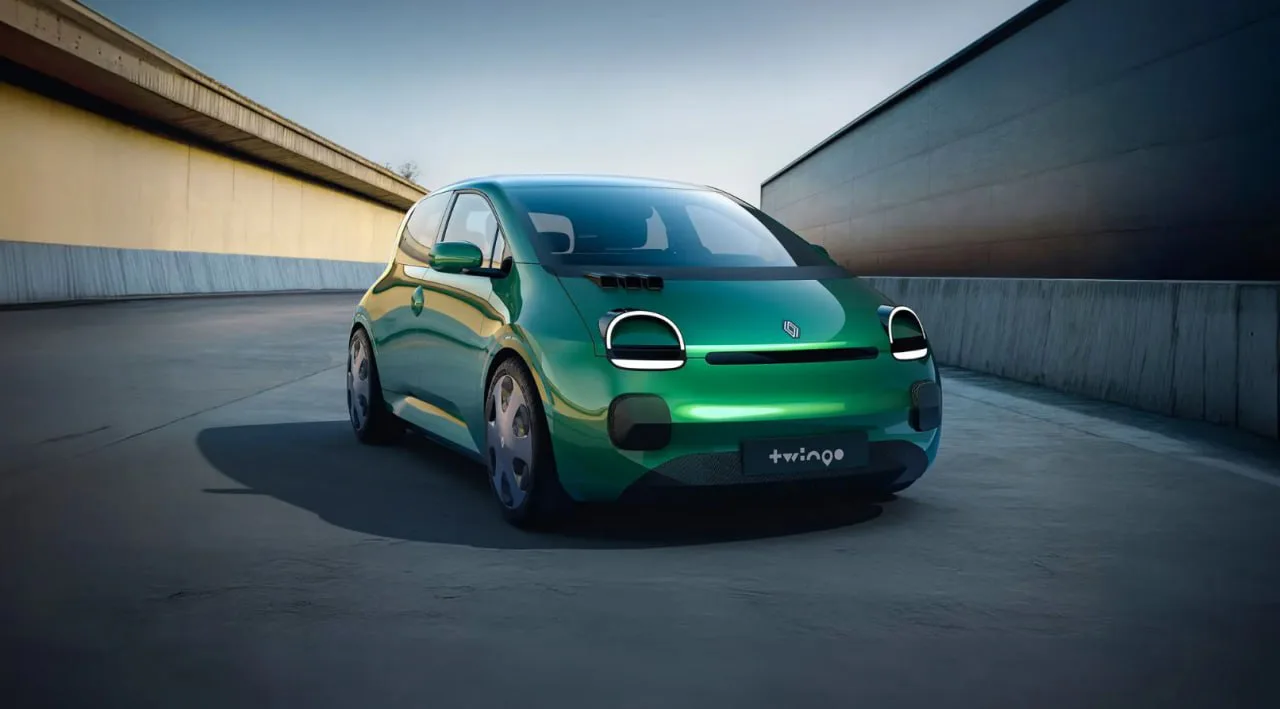
Contrary to popular belief, the current size of the A-segment does not reflect low demand: drivers across Europe are still looking for compact, affordable cars designed for urban life or as a second car for the family. The problem lies in the limited supply. Faced with the difficulties of combining competitiveness, regulatory compliance and modern customer expectations, most manufacturers have simply abandoned this segment.
Since 1992, the Twingo has established itself as an iconic city car. It was a huge success: more than 4.1 million units sold in 25 countries, winning over several generations thanks to its innovative one-box design, spacious and modular interior, and cheerful character.
The Twingo E-Tech electric was created to achieve three main goals:
- to make electric mobility more affordable and sustainable: with an
entry price of less than €20,000 (excluding subsidies), the Twingo E-Tech
electric is an affordable and more environmentally friendly solution for European families;
- to reduce the vehicle development period to two years:
for the first time in Renault’s history, this achievement became part of a pilot project that
provides valuable experience for the company’s future initiatives;
- to maintain a competitive production base in Europe:
assembling the model in Novo Mesto (Slovenia) became possible thanks to optimized
industrial organization and a local supply chain.
The car is equipped with a 60 kW (82 hp) motor producing 175 N·m of torque, allowing it to accelerate to 130 km/h and deliver a range of up to 263 km.
Much more than just a city car — Volkswagen ID.Polo
The ID. Polo brings Volkswagen’s bestseller into the electric vehicle era. For decades, the Polo has been part of people’s everyday lives. With the ID. Polo, we are making electric mobility accessible to many more people: thanks to its clean and timeless design, intuitive operation, high quality and upper-segment technologies. A true Volkswagen, as our customers expect from us, said Volkswagen AG Board Member Thomas Schäfer during the car’s premiere.
The new Volkswagen ID. Polo features a minimalist design with slim front headlights connected by an LED strip. It is the first production model to fully embody Volkswagen’s new Pure Positive design language.
A narrow light cluster is located at the rear. The new model also features a compact rear diffuser.
The Volkswagen ID. Polo is the second of four entry-level electric vehicles from Volkswagen AG that will use the new MEB+ platform. Volkswagen said that, compared with the internal-combustion-engine model, the new car makes significantly better use of interior space. For example, the rear luggage compartment has a capacity of 441 liters, compared with 351 liters in the Polo. With the rear seats folded, luggage capacity increases to 1,240 liters.
The Volkswagen ID. Polo is available only with a single electric motor on the front axle, producing 116, 135 or 211 hp (85–155 kW). The base versions will be equipped with a lithium iron phosphate battery with a capacity of 37 kWh, while the most powerful version gets a nickel-manganese-cobalt battery with a capacity of 52 kWh. The range will be between 329 and 454 km.
Scandinavian character — Volvo EX60
In January, Volvo Cars officially unveiled the fully electric mid-size EX60 SUV, which is set to be a turning point for the brand and the entire mass-market electric vehicle segment. The five-seat family crossover was designed as a comprehensive response to electric vehicle buyers’ main concerns, combining a long range, ultra-fast charging, a high level of safety and a competitive price.
One of the Volvo EX60’s main advantages is its range of up to 810 kilometers on a single charge in the all-wheel-drive version. This is the best figure in its class, allowing the model not only to outperform other electric Volvos but also to establish a new benchmark for competitors. Even a short stop during a journey is no longer a problem, as the EX60 can add up to 340 kilometers of range in just ten minutes at a 400 kW fast-charging station.
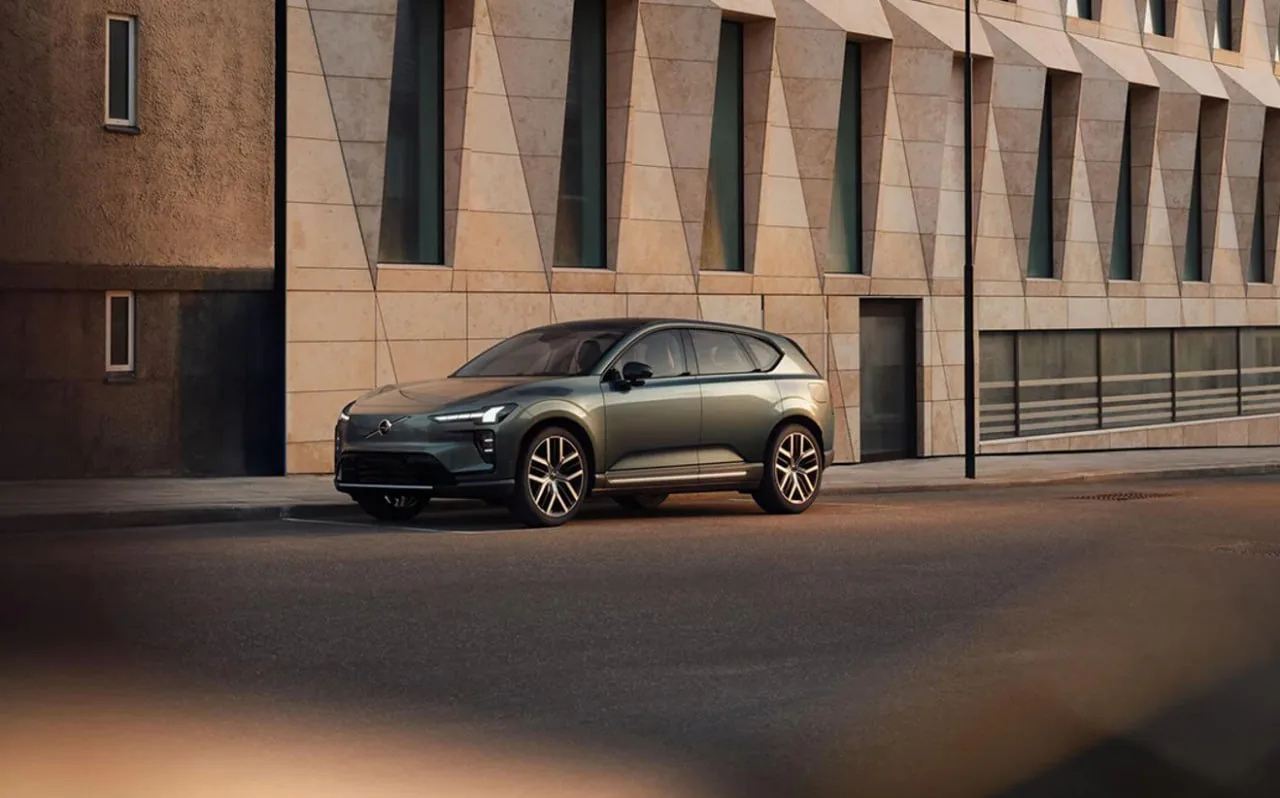
The car is available with several powertrain options. The top-end P12 AWD version offers the longest range and 680 hp, while the P10 AWD and rear-wheel-drive P6 provide a balance between travel range and affordability, producing 510 and 380 "horsepower" and offering ranges of 550 and 560 kilometers, respectively.
In addition, the top-spec EX60 can accelerate to 100 km/h in just 3.8 seconds. All versions come with a 10-year battery warranty, underscoring Volvo’s confidence in its own technologies.
Choosing the winner
Until December 31, jury members will be able to cast their votes by distributing 25 points among the finalists, and must determine the winner in each round of voting, awarding it no more than 10 points. The award will be presented (and announced) on January 8 at the Brussels Motor Show — the same venue where the last three award ceremonies were held.
Volvo shares plummet amid rising losses and job cuts23.10.26, 18:35 • 5090 views