










Perseids 2025: how to see the meteor shower of the year despite the bright Moon
Kyiv • UNN
The peak of the Perseid meteor shower falls on August 12-13, 2025, but the full Moon will complicate observations. Fewer meteors are expected, but bright "fireballs" are possible.

On the night of August 12-13, the Perseid meteor shower will reach its peak. This year, the main challenge for observers will be the full Moon, which may somewhat obscure the magical cosmic show. UNN has gathered several tips to ensure that even with this, meteor observation brings maximum enjoyment.
Details
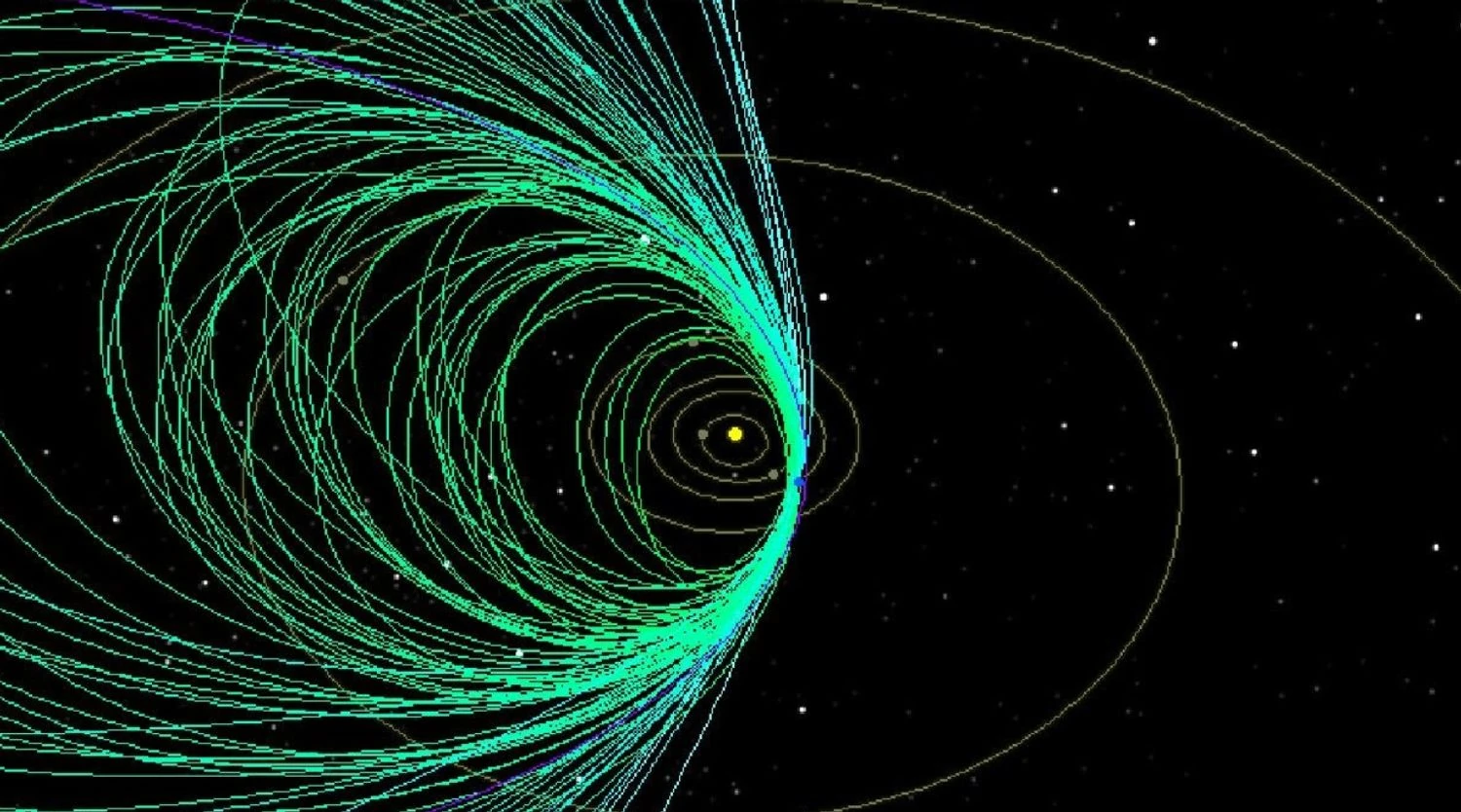
The Perseids are an annual meteor shower originating from the debris of Comet 109P/Swift-Tuttle, discovered in 1862 by Lewis Swift and Horace Tuttle. This giant comet, with a nucleus of about 26 km, crosses Earth's orbit once every 133 years, leaving behind a cloud of dust and rocky particles. In July and August, Earth passes through this stream, and microscopic fragments, hitting the atmosphere at speeds up to 59 km/s, burn up, forming bright "falling stars."
The earliest mentions of the Perseids date back to 36 AD in Chinese chronicles, and their cyclical nature was scientifically confirmed in 1835 by the Belgian Adolphe Quetelet. In Europe, the shower is known as the "Tears of Saint Lawrence" – in honor of the martyr executed on August 10, 258. In medieval legends, bright meteors were considered the fiery tears of the saint, combining the celestial phenomenon with deep cultural and religious symbolism.
Perseids in 2025
The active period of the Perseids in 2025 will last from July 17 to August 24. During this period, Earth passes through the debris stream of Comet Swift-Tuttle, which means that meteors from this stream can be seen any night within this interval.
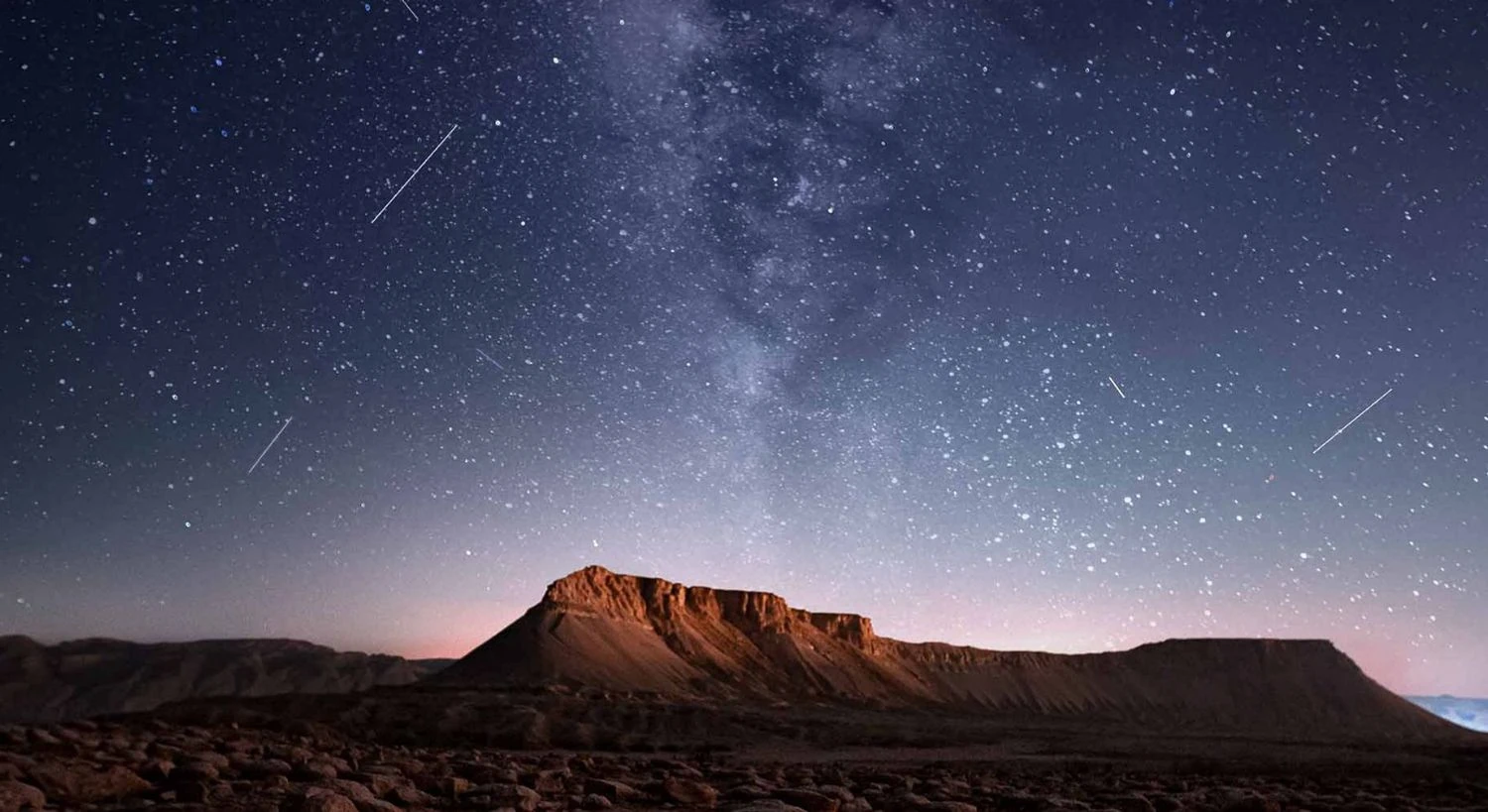
The night of maximum activity, i.e., the "peak" of the Perseids, will fall on August 12-13, 2025. The highest intensity is expected around 02:38 UTC on August 13. This means 04:38 (Kyiv time) and late night on August 12 for most of Latin America.
A critical factor that will determine the experience of the 2025 shower is the Moon's phase. During the peak night, the Moon will be in a waning gibbous phase with 83% illumination. This intense moonlight will create a bright veil in the sky, obscuring all but the brightest meteors.
For this reason, 2025 is noted as a year with "poor" or "difficult" conditions for observing the Perseids.
Peak of the shower
Typically, during the peak, up to 100-150 meteors per hour can be seen under ideal conditions. Astronomers call this indicator the Zenithal Hourly Rate (ZHR) – a theoretical maximum possible only with an absolutely dark sky and the radiant at the zenith.
But this year, the reality will be more modest. In August 2025, the Moon will illuminate over 80% of the night sky, and its light will significantly reduce the number of visible meteors. So, one should expect significantly fewer than 100 "falling stars" per hour. Instead of a "meteor shower," observations this year promise to be more intimate – with an emphasis on quality rather than quantity.
And this is where the Perseids have their trump card – so-called fireballs. These are extremely bright meteors that can rival Venus in brightness and even cast shadows on the ground.
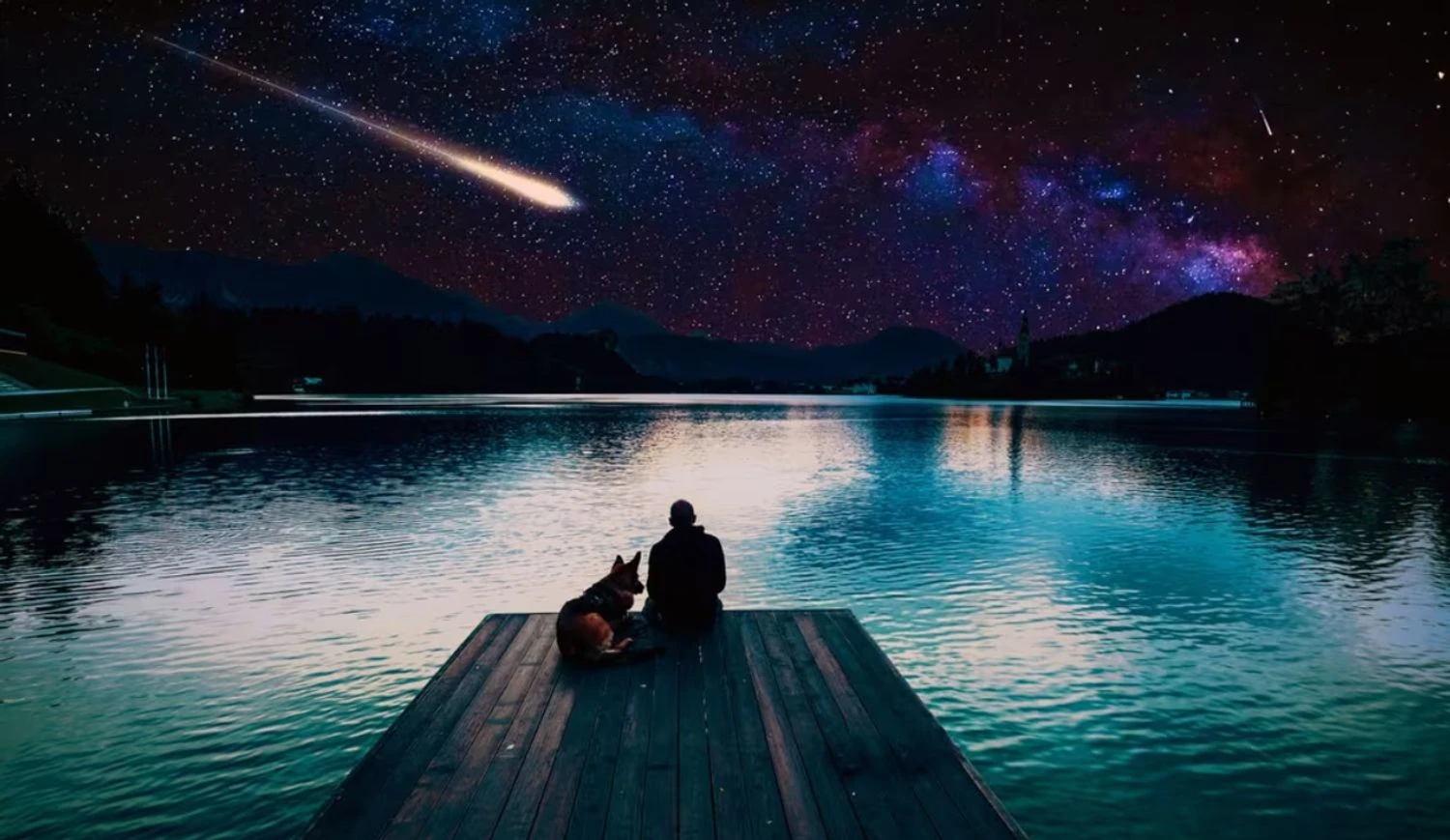
Their light is capable of penetrating through the lunar brightness, so patient observers will be able to see some truly impressive moments.
How to prepare for a meteor "hunt"
No telescopes or binoculars are needed to observe the Perseids – they will only limit the field of view. The best instrument is your own eyes. But comfort is important:
- location – a folding chair, lounge chair, or blanket to look up without straining your neck. Slightly raising your head will help avoid drowsiness;
- warm clothing – even in August, nights can be cool, especially before dawn. Dress in layers to easily adapt to temperature changes;
- red light – a flashlight with a red filter will preserve night vision and not disturb others;
- snacks and drinks – a thermos with hot tea or coffee, water, and light snacks will make the night more comfortable;
- sky navigation – a mobile app in "night mode" will help find the constellation Perseus and landmarks for observations.
Where to find dark sky
Europe is a continent of contrasts for astronomy enthusiasts: densely populated cities create strong light pollution, but at the same time, "islands of darkness" have been preserved – protected areas with an impeccable starry sky. This year, given the bright Moon (83% illumination), it is worth going as far away from cities as possible.
Dark sky reserves are certified by the International Dark-Sky Association (IDA). There are many such places in Europe:
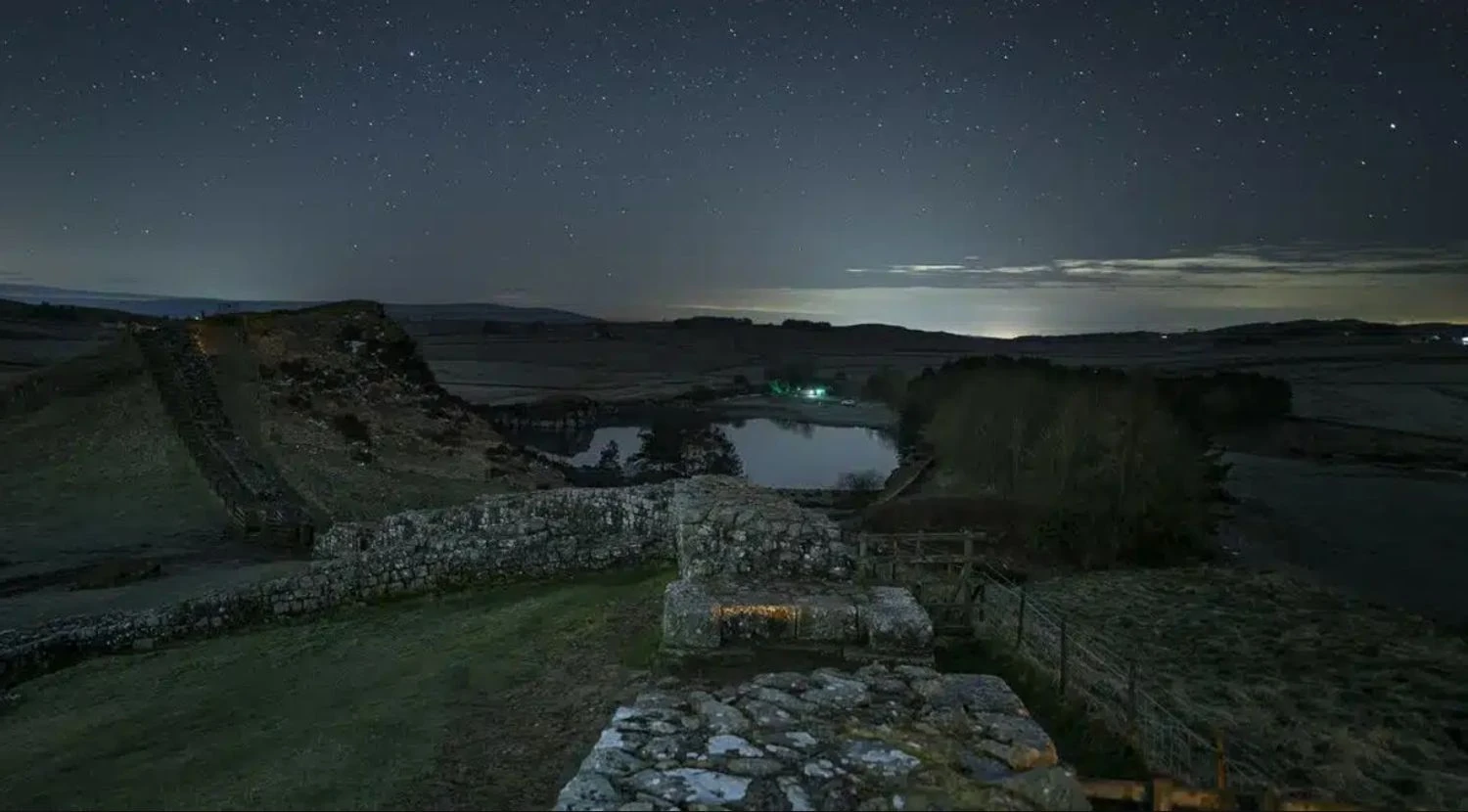
- Great Britain – a leader in the number of parks: Northumberland International Park (gold level), Brecon Beacons, Snowdonia, Exmoor, and Yorkshire Dales;
- Germany – Eifel National Park (near Cologne) and Bavarian Forest, which is part of a transboundary reserve;
- Hungary – Hortobágy National Park and Zselic Starry Sky Park with an observatory;
- France – Cévennes National Park and Pic du Midi Observatory in the Pyrenees;
- Greece – the first international dark sky park in Mount Ainos National Park (Kefalonia), as well as Olympus and remote areas of Crete;
- Portugal – Alqueva Reserve in Alentejo, known as the first "Starlight Tourism Destination";
- Poland – Bieszczady Starry Sky Park on the border with Slovakia and Ukraine;
Spain actively develops astrotourism through the Starlight Foundation. The most famous locations:
- Aragon – Sierra de Albarracín and Gúdar-Javalambre.
- Castile-La Mancha and Castile and León – Serranía de Cuenca and Sierra de Gredos.
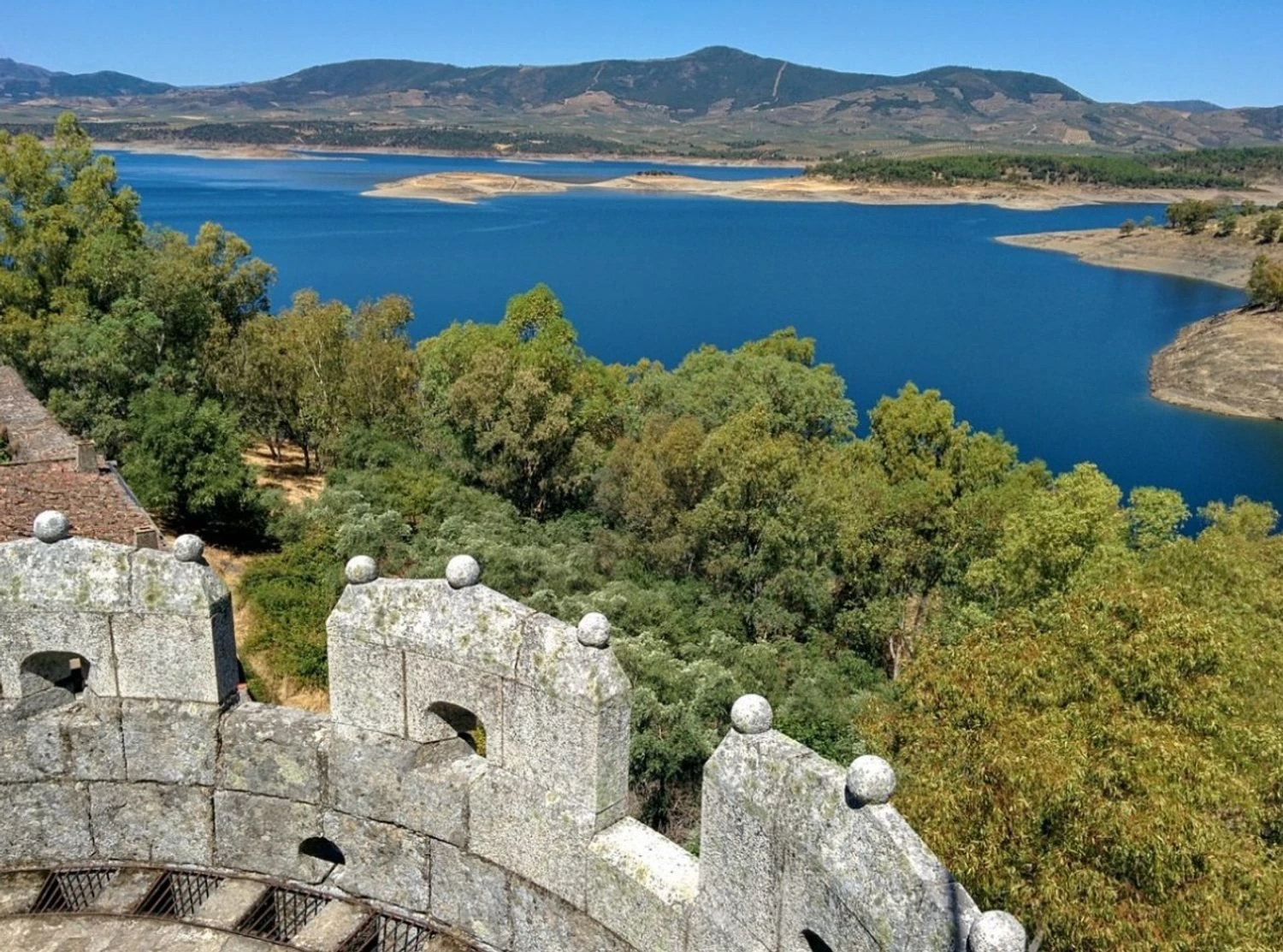
- Extremadura and Andalusia – Gabriel y Galán reservoir, Los Calicantos, Sierra Sur de Sevilla, and Capileira (Alpujarra).
- Canary Islands – Tenerife and La Palma with first-class observatories.
- Madrid – due to urban light pollution, it is worth going to the mountains: Silla de Felipe II, Sierra de Guadarrama, La Pedriza.
Among other destinations: Øvre Pasvik National Park in Norway, Mandø Island in Denmark, and the border regions of Jizera and Šumava between Poland and the Czech Republic.