










Fingerprints and the fight against illegal migration: everything you need to know about the new EU entry rules
Kyiv • UNN
In October 2025, the EU will introduce the EES system to control the entry and exit of third-country nationals. It will replace passport stamps, collecting biometric data to combat illegal migration.

In October 2025, a new EU travel system called the EU Entry/Exit System (EES) will be launched. The innovation was planned to be introduced back in 2022, but the implementation of the changes was postponed by almost 3 years. What new to expect and how it will affect the process of crossing the border of the European Union countries - UNN explains.
What is the EES system and what is it for?
Representatives of the European Commission announced in July 2025 new changes that will come into force on October 12, 2025. Thus, a new information system, the EU Entry/Exit System (EES), is being created. It will register all citizens of non-EU countries every time they exit or enter the EU. The EES system was approved at the legislative level in 2017.
The changes concern states that are part of the Schengen area (25 EU states, as well as Iceland, Liechtenstein, Norway, and Switzerland). This will apply to citizens of third countries who wish to travel to the aforementioned states with a short-stay visa or citizens who do not require a visa.
EES is part of the European Union's "Smart Borders" package, whose main goal is to improve control over EU borders. In addition to the EES system, the package includes the expanded use of the EU's Automated Border Control (ABC) systems, as well as the European Travel Information and Authorization System (ETIAS).
How the automated border control system will work
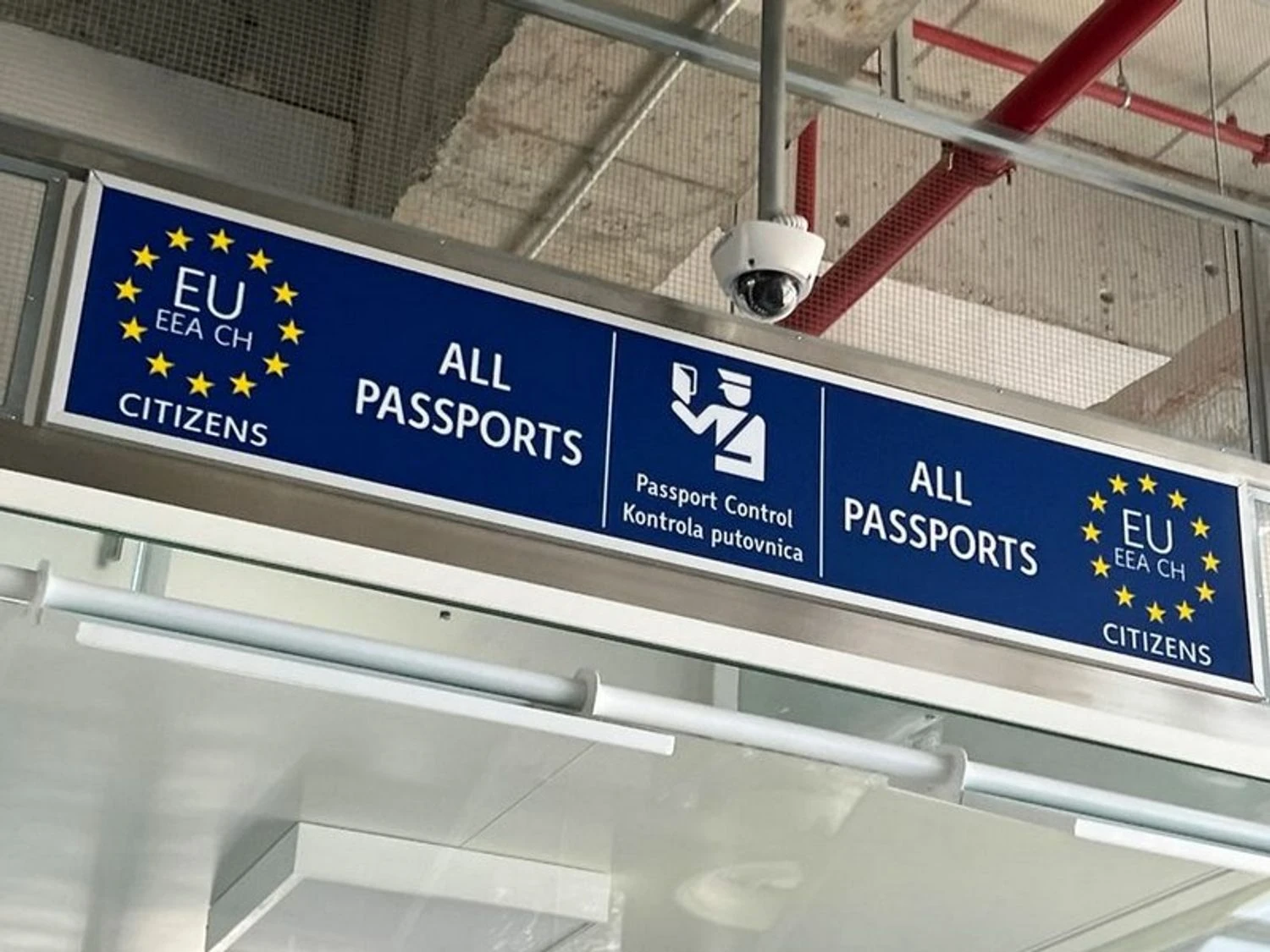
The new system will replace the more traditional passport stamp. From now on, everything will be digitized: the collection of biometric data, fingerprint scanning, and other information about travelers. The EES system aims to combat illegal migrants by obtaining more up-to-date and verified data. Border crossing will become more automated – if a person has once provided their data for the system, they will not need to provide it again.
In Poland, a Ukrainian who threatened arson in a video was deported01.09.25, 01:31 • 3621 view
The data of those crossing the border will be under enhanced cyber protection – according to the website of the European Commission.
The EES system will not start immediately, but with a certain transitional period. It is expected that EU member states will be able to fully implement the data collection system by April 10, 2026. Border guards will collect data for the system and modernize it during these six months.
The European Union has embarked on reforming the border control system due to the issue of illegal migration from African and Middle Eastern countries. According to the border guard agency Frontex, between January and February 2025, 25,000 people illegally crossed EU borders in several regions – Eastern Mediterranean, Western Balkans, Central Mediterranean, Western Mediterranean, and the English Channel.
Latvia tightens border crossing rules: what will change for Ukrainians30.08.25, 23:22 • 4526 views
How new EU entry rules will affect Ukrainians

For Ukrainians, the new EU entry conditions change little, as the visa-free regime, which came into effect in 2017, continues to operate. On June 13, 2025, the European Council extended the temporary protection for refugees from Ukraine until March 4, 2027.
However, the European Council and the European Parliament propose changes to the visa policy regarding the withdrawal of the visa-free regime. This is possible under the following conditions: an increase in unauthorized entries into the EU, schemes for obtaining EU citizenship in exchange for investments, hybrid threats, and a deterioration of EU relations with a third state (violations of human rights and the UN Charter).
The European Council, the key executive body of the European Union, seeks to extend the period of temporary suspension of the visa-free regime from 9 to 12 months. Similarly, the initial period can be extended for another 2 years.