










Unbreakable Aviation: Ukrainian company "XENA"'s aircraft extinguishes fires in Montenegro and supports the state's image on the international arena
Kyiv • UNN
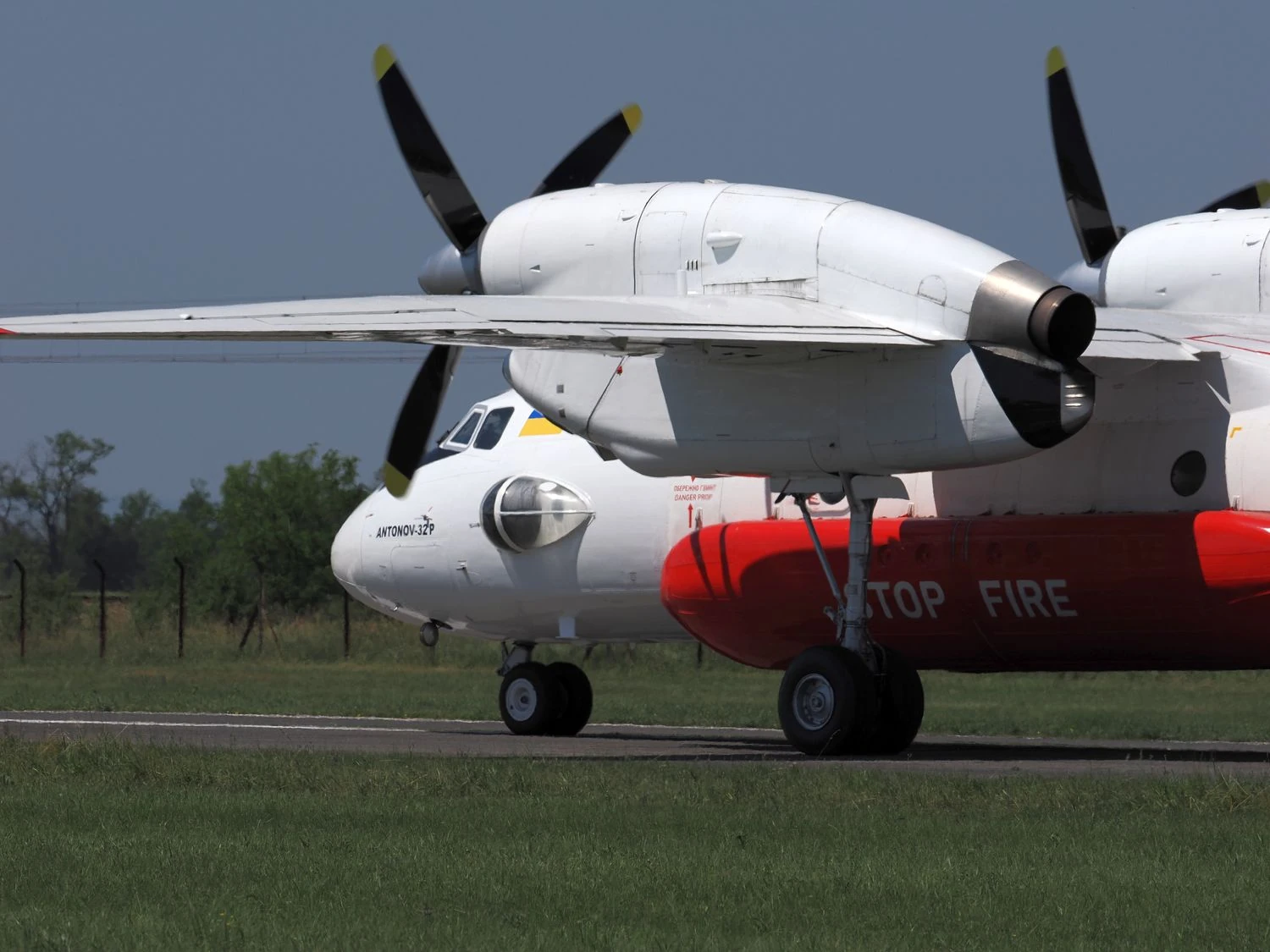
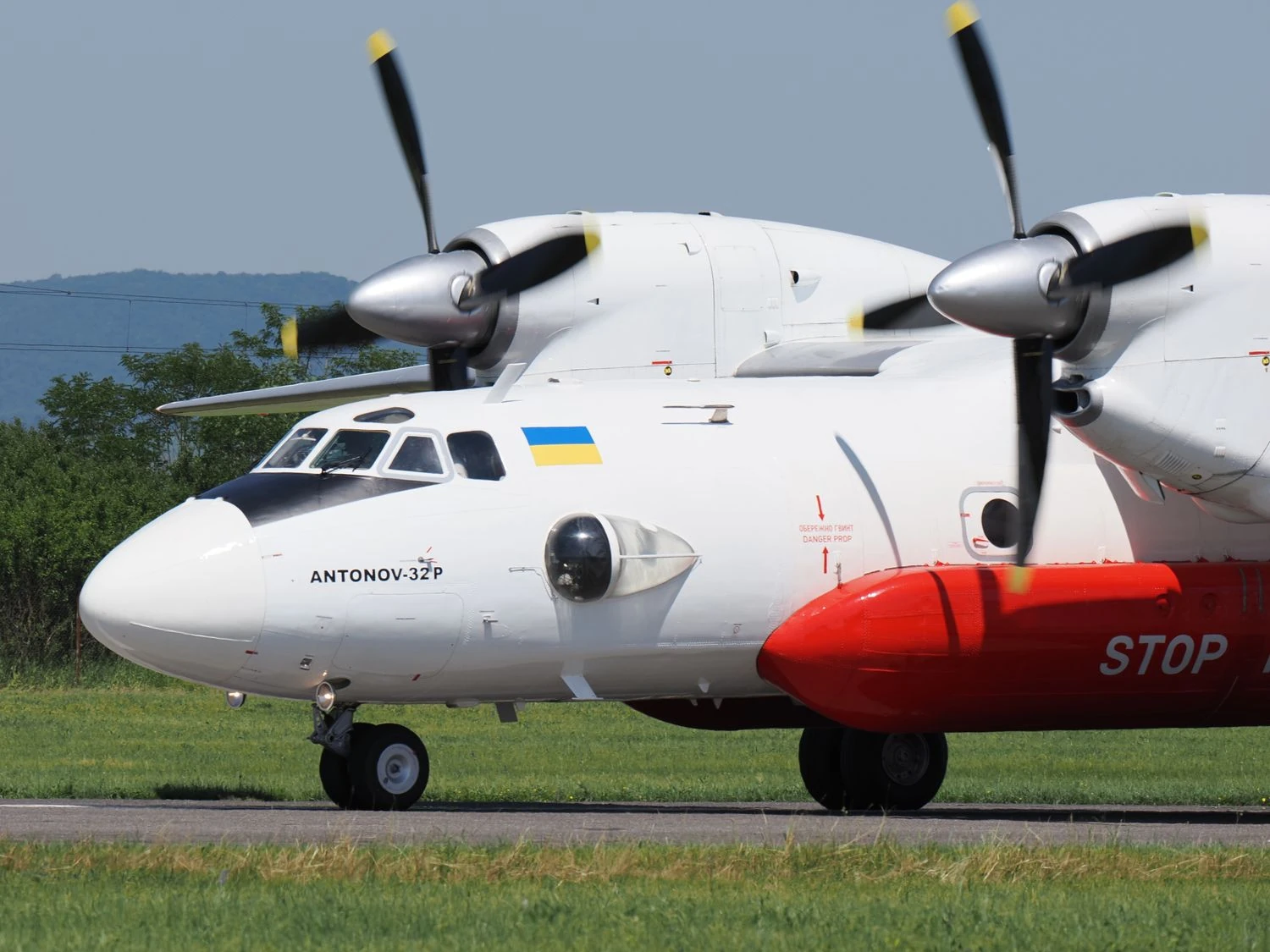
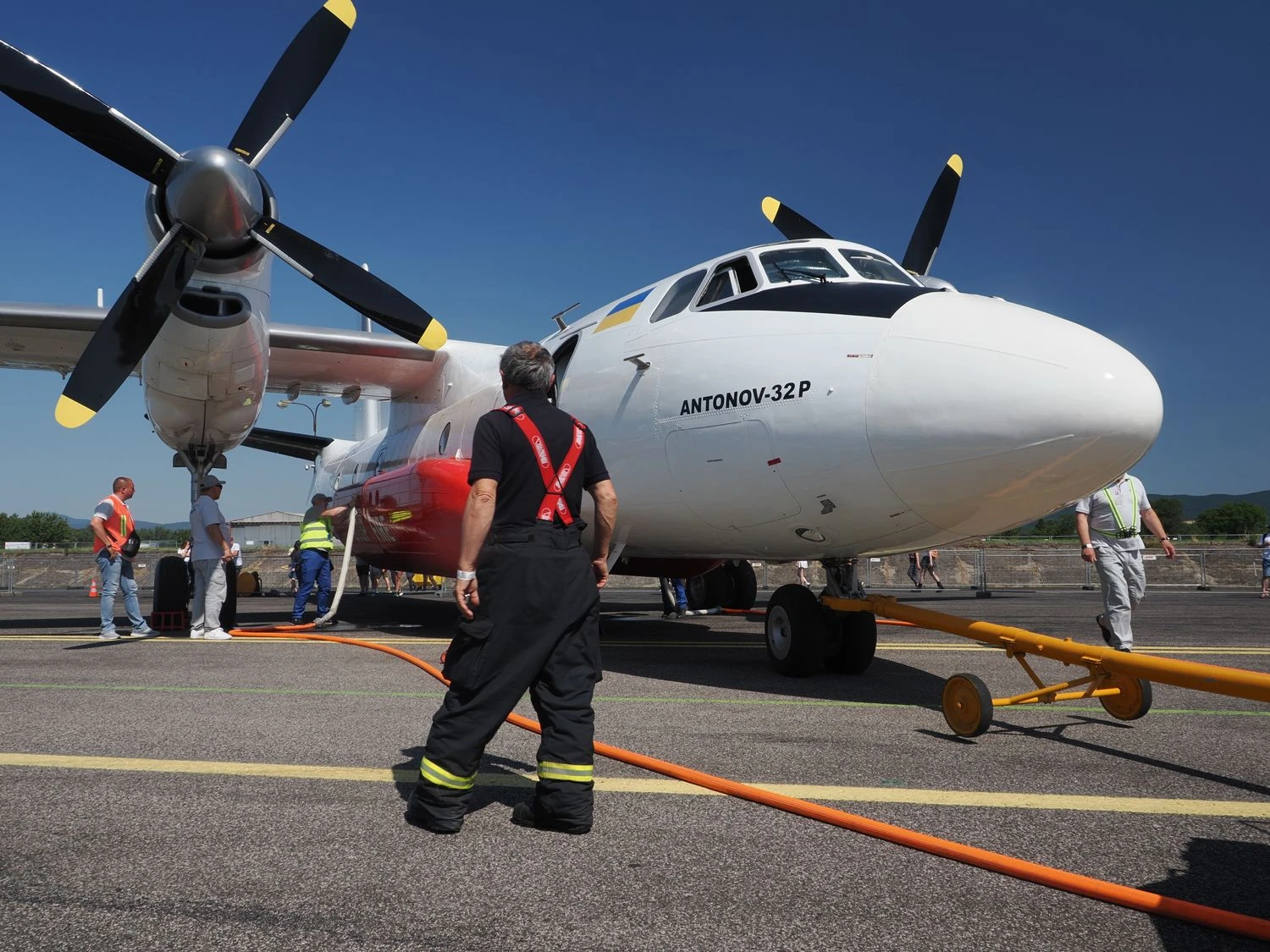
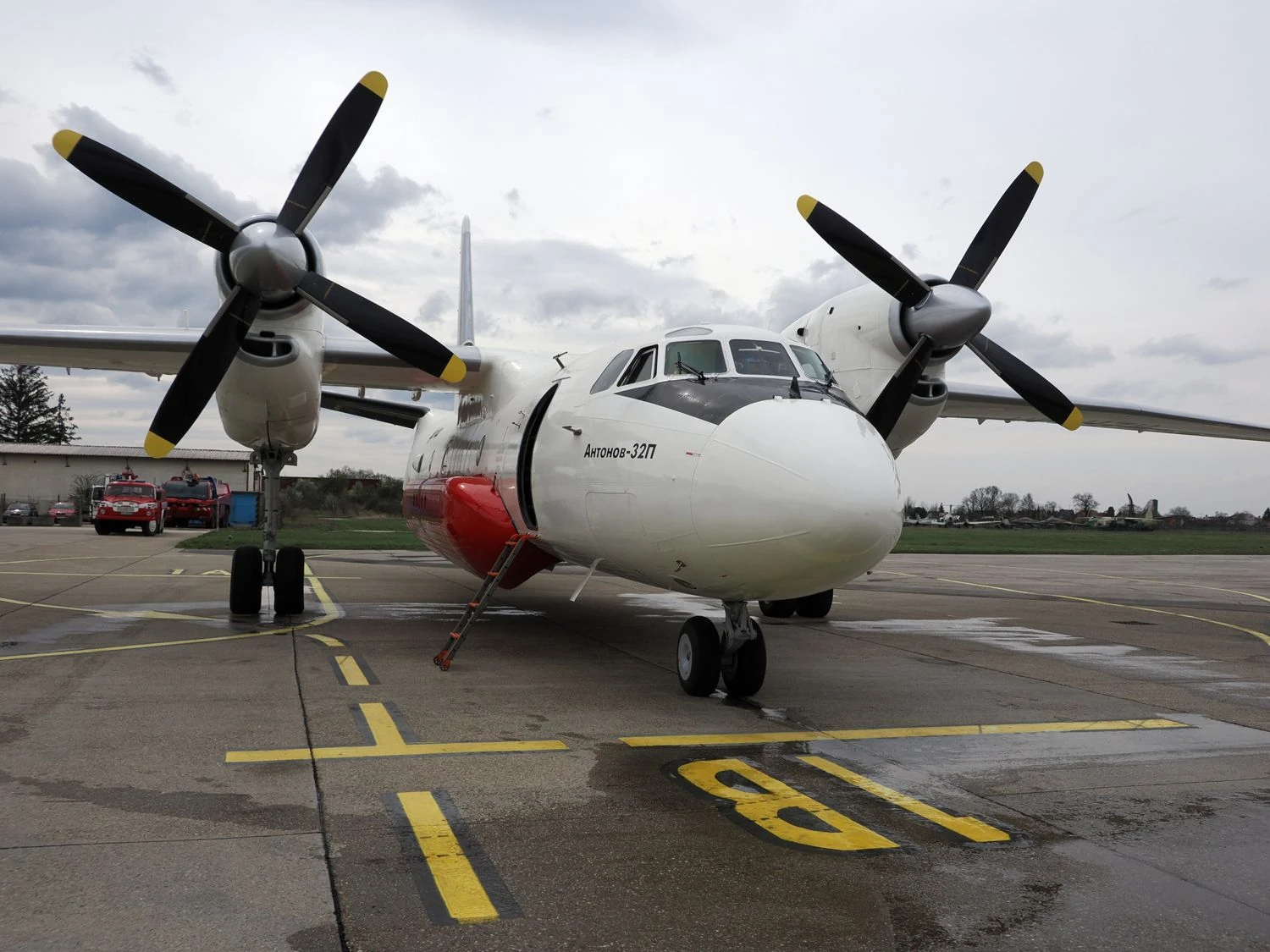
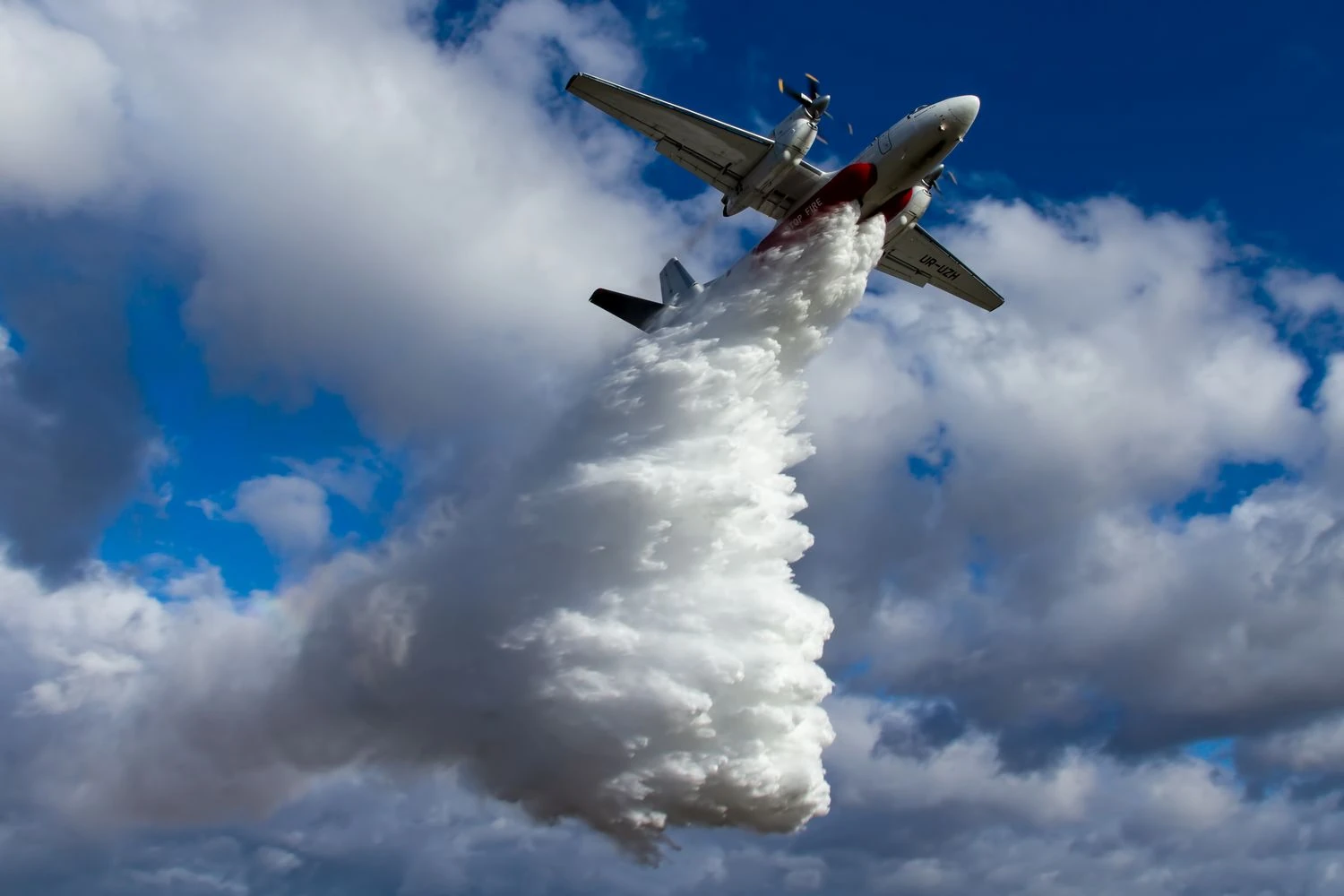
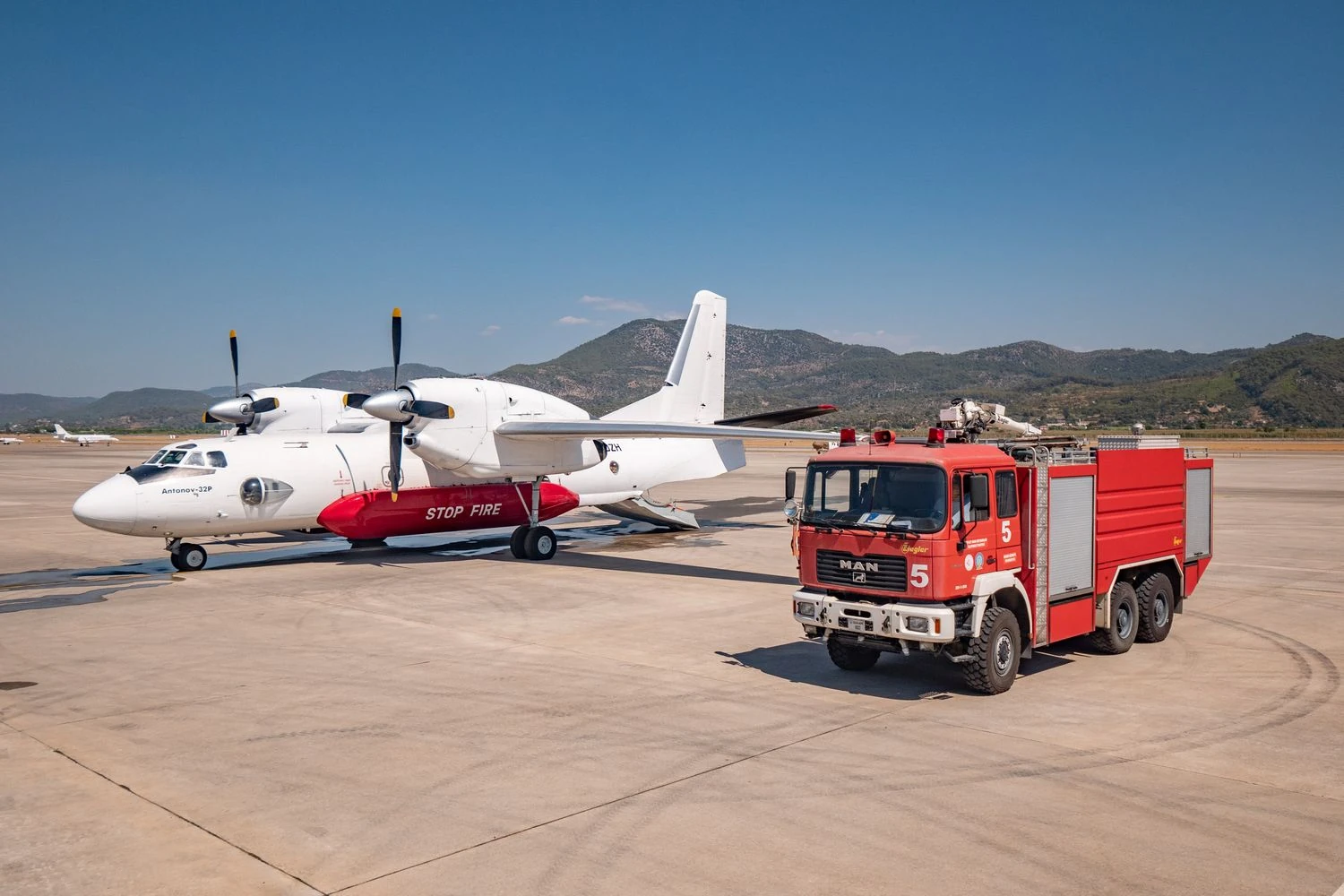
The Ukrainian company "XENA" has deployed its An-32P aircraft to extinguish fires in Montenegro. This aircraft can drop up to 8,000 liters of water in a single pass, operating at an altitude of 40 meters or more.

Summer 2025 became a real "fire season." Fire engulfed southern Europe, Turkey, Israel, and the United States. The elements destroyed thousands of hectares of forest, ruined infrastructure, and forced people to leave their homes. To combat the elements, countries are using all available resources, including fire aviation, which allows for firefighting over large areas. UNN decided to collect information about unique helicopters and planes that can quell the elements and learned interesting facts about a unique Ukrainian fire-fighting aircraft.
Helicopters and planes are used to extinguish large-scale fires. Among the most famous helicopters are the Eurocopter Dauphin, Eurocopter EC225 Super Puma, and Sikorsky UH-60 Black Hawk. These helicopters are equipped with special water tanks (most often these are "Bambi bucket" containers), which they can drop on the epicenter of the fire. In Ukraine, specially equipped Mi-8/Mi-17s are used. Unlike helicopters, planes can usually drop not only water but also a fire-extinguishing mixture. One of the most famous in the world is the Canadair CL-415 ("Superscooper"), capable of taking water directly from reservoirs and dropping up to 6 thousand liters in one pass. And the largest such aircraft in the world is the American Boeing 747 Global SuperTanker. Another American giant, the C-130 Hercules, has also proven its effectiveness - these aircraft, in particular, were involved in extinguishing this year's fires in Los Angeles.
But not only abroad have powerful machines been developed that can stop the fiery elements - the Ukrainian-developed An-32P aircraft has repeatedly demonstrated its effectiveness, and not only in its homeland. These very aircraft help stop large-scale forest fires in Turkey. And this year, such aircraft have already extinguished large-scale fires, particularly in Israel and Montenegro.
It is noteworthy that the only commercial operator of the An-32P aircraft in the world is the Ukrainian company "XENA". It was their aircraft that was involved in extinguishing fires in Montenegro, which this year suffered from the fiery elements almost more than all other European countries.
As UNN was told by the company "XENA", the main advantage of these aircraft is their adaptability and high efficiency in emergency situations. Thus, in one pass, the AN-32P can drop up to 8 thousand liters of water and cover an area from 35×160 to 20×300 meters, depending on the drop mode. In addition, the aircraft is capable of operating at an altitude of 40 meters at a speed of 250–260 km/h, which makes it particularly effective in mountainous areas. And thanks to quick refueling, the AN-32P can deliver up to 32 thousand liters of water per hour.
That is why the UAE government involved the Ukrainian company "XENA" in extinguishing large-scale forest fires in Montenegro. Its aircraft arrived in Montenegro by agreement between the country's Prime Minister Milojko Spajić and UAE Foreign Minister Sheikh Abdullah bin Zayed Al Nahyan. All costs for the operation, including fuel and the work of the Ukrainian crew, and firefighting, were covered by the UAE.
The deployment of the Ukrainian "firefighter" in Montenegro is not only effective trilateral cooperation but also proof that even during the war, Ukrainian aviation is capable of offering unique technologies and world-class specialists, presenting our country in the best light.
Given this, the state must support the aviation industry and stimulate its development, not allowing the war to nullify all its achievements, believes political scientist Ruslan Bortnik.
We can only welcome such work of the company and wish for state and social support. Ukraine must create special legal tax conditions for such companies to operate in international markets so that when the war ends, Ukrainian companies can immediately return to the domestic market and start providing transportation
After all, Ukrainian aviation companies have been operating in extremely difficult conditions throughout the war. And without state support, they can significantly lag behind foreign companies that have been working in a peaceful world for almost 4 years. Moreover, the expert noted that there is a risk of complete loss of competitive opportunities for Ukrainian companies and a complete expansion of the aviation market by foreign companies.
International competitors of Ukrainian companies continue to develop in peaceful conditions, and they will be ready for a very rapid takeover of the Ukrainian air transportation market after the war ends. This is not in Ukraine's interest. It is in our interest to develop and support our own companies
Recall
From January 1, 2025, the Ukrainian aviation industry lost state support in the form of tax benefits and preferences, which for many years were a key tool for its development. This refers to exemption from income tax, VAT, land tax, and customs duties on imported components. These very mechanisms allowed for the modernization of production, the launch of new projects, the attraction of investments, and the preservation of thousands of jobs even in the extremely difficult conditions of war.
Thus, according to data from the Aerospace Association of Ukraine, only in 2017–2023, thanks to tax incentives, aviation industry enterprises released UAH 9.3 billion, while the state received UAH 22.9 billion in revenues. That is, every hryvnia of support returned to the budget with 2.5 times the amount.
However, after the expiration of these preferences, companies are working at the limit of their capabilities, fulfilling defense orders without sufficient funding. Experts emphasize: if industry incentives are not restored in the near future, Ukraine risks losing decades of accumulated experience, technologies, and highly qualified personnel, and with them, the chance for the restoration of full-fledged civil aviation in the future.