









Russia and China conduct joint exercises in the Sea of Japan
Kyiv • UNN
The naval forces of Russia and China have begun joint exercises in the Sea of Japan, practicing anti-submarine and anti-aircraft tasks. The maneuvers will last until August 5, including artillery firing and search and rescue operations.

The navies of Russia and China have begun joint exercises in the Sea of Japan. They plan to practice anti-submarine warfare and air defense, and will also conduct artillery firing. The maneuvers will last until Tuesday, August 5. This was reported by the news agency Reuters with reference to the press service of the Russian Pacific Fleet, according to UNN.
Details
On Sunday, August 3, joint three-day naval exercises of the Russian Federation and China began near Vladivostok, Russia.
It is noted that the ships are moving as part of a joint formation, which includes a large Russian anti-submarine ship and two Chinese destroyers. In addition, diesel-electric submarines of both countries, as well as a Chinese submarine rescue vessel, are participating in the exercises.
Russian and Chinese sailors will conduct artillery firing, practice anti-submarine warfare and air defense tasks, and also practice joint search and rescue operations at sea
The exercises were planned even before, two days before their start, US President Donald Trump ordered two nuclear submarines to be deployed "in appropriate regions" amid nuclear threats from Russian Security Council Deputy Chairman Dmitry Medvedev.
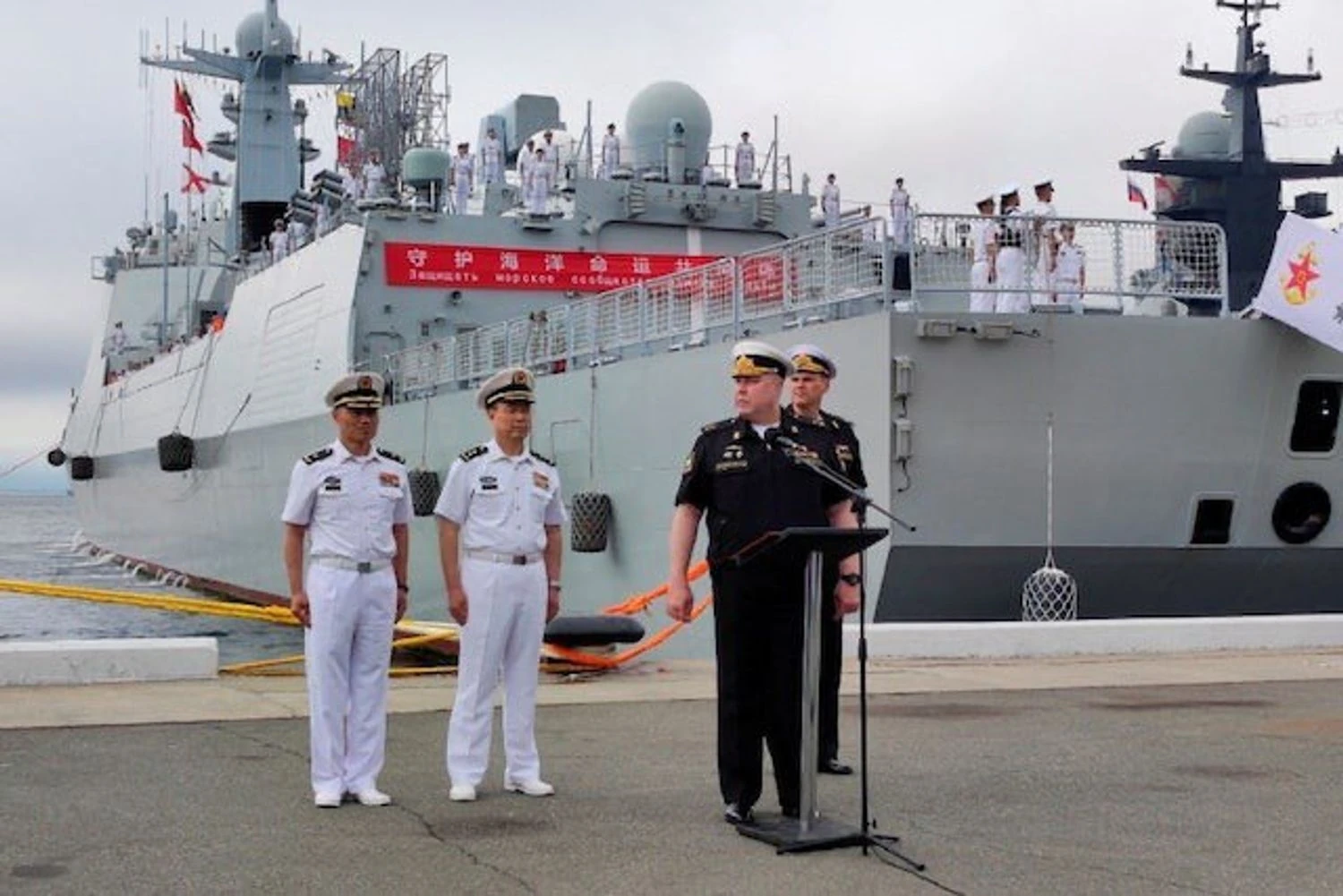
According to Reuters, the joint exercises of the Russian Federation and China "were planned directly before these US actions."
These maneuvers are part of the Maritime Interaction-2025 exercises, which are scheduled to conclude on Tuesday, August 5.
Recall
Chinese leader Xi Jinping promised to strengthen support for Russia in multilateral forums after meeting with the Russian foreign minister. This came after US threats to impose tariffs on Moscow's trading partners.
Chinese Foreign Minister Wang Yi stated that Beijing cannot allow Russia's defeat in the war against Ukraine. He explained this by fears that the US would then fully shift its attention to China.