










Rosh Hashanah 2025 in Uman: celebration traditions and security measures
Kyiv • UNN
Every year, thousands of Hasidim arrive in Uman to celebrate Rosh Hashanah, which in 2025 falls on September 22-24. To ensure order and security in the city, enhanced security measures are in place, including round-the-clock duty of rescuers and joint patrols of Ukrainian and Israeli forces.

Every year, for the Jewish New Year - Rosh Hashanah - Uman becomes a place of mass pilgrimage for Hasidim. Thousands of believers come here to pray at the grave of Rebbe Nachman, the founder of Breslov Hasidism. This year, to ensure that the celebrations go smoothly, enhanced security measures are in place in the city: round-the-clock duty of rescuers and joint patrols of Ukrainian and Israeli forces have been organized, UNN writes.
Why the Jewish New Year falls in autumn
Rosh Hashanah is one of the most important holidays of Judaism, symbolizing the beginning of the new year according to the Jewish calendar. In 2025, it will be celebrated from the evening of September 22 to the evening of September 24. The date of the holiday changes every year.
Judaism uses two calendars – biblical and civil. Both are considered correct but have different purposes. In the Tanakh, the Jewish Bible, the first month is called Nisan (or Aviv). It is in Nisan, which according to modern chronology falls in March-April, that Jews celebrate Passover – the holiday of liberation from Egyptian slavery. From Nisan, the counting of holidays and commandments in the religious, or historical, calendar begins.
At the same time, the civil year for Jews begins in the autumn – with the onset of the month of Tishrei, which corresponds to September-October according to the Gregorian calendar. It is the first and second days of Tishrei that are dedicated to the celebration of Rosh Hashanah. According to tradition, on this day God created the world and the first man – Adam. Therefore, from Tishrei, the years of the reign of kings, anniversaries, agricultural seasons, and financial obligations are counted.
The meaning of the Jewish New Year
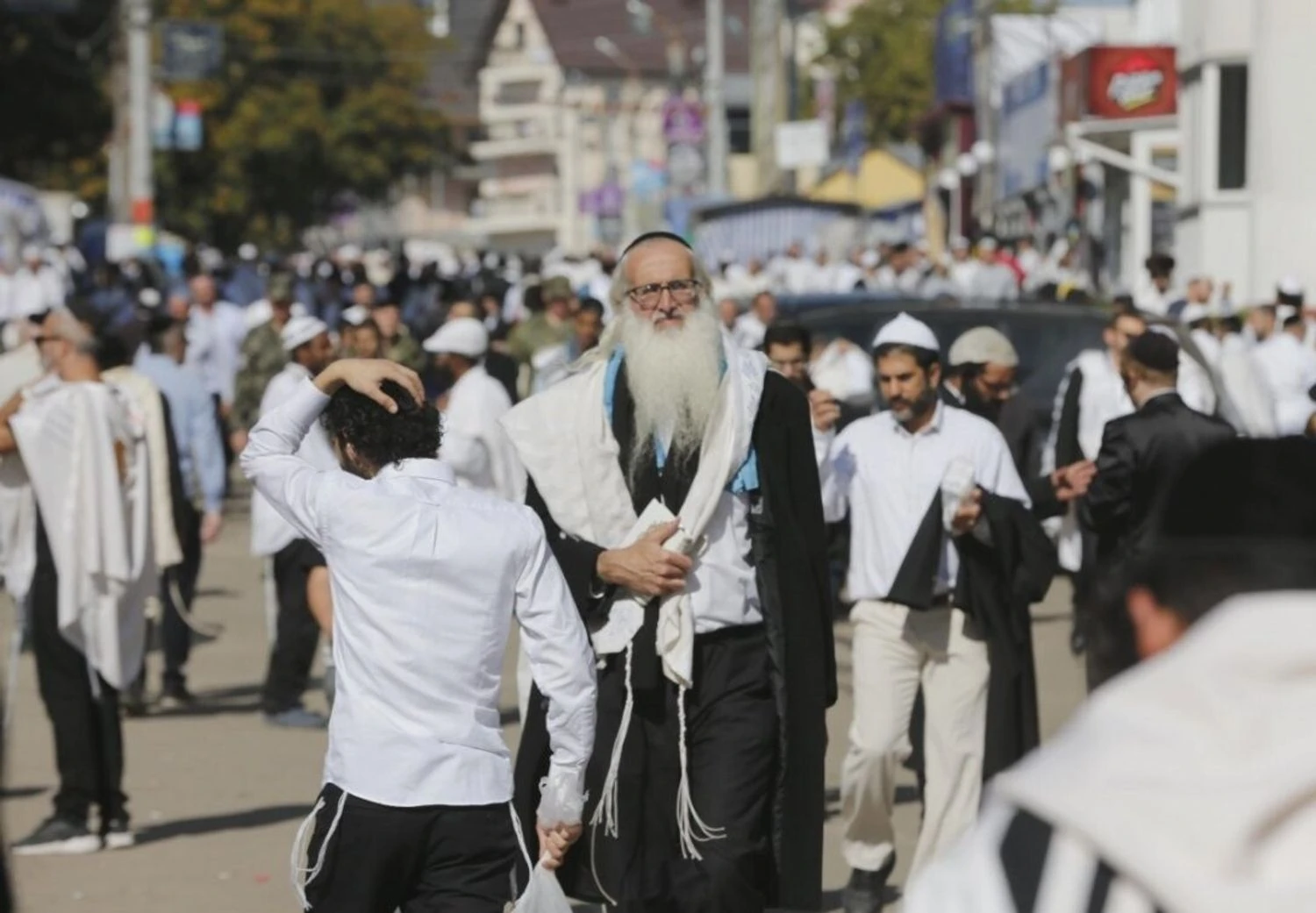
Rosh Hashanah opens a ten-day period of prayers known as the "Days of Awe." Its culmination is Yom Kippur - the Day of Atonement.
According to beliefs, on this day the Almighty reviews the fate of each person, so the holiday combines the solemnity of the new year with reflections on the future. During this period, God sits on the throne of a just judge and weighs human actions, writing their names in three different books.
The Book of Life - for the righteous, who are destined for happiness and well-being in the new year;
The Book of Death - for sinners who will not receive blessings;
The Intermediate Book - for those whose fate is decided on Yom Kippur.
Traditions of celebration
In the days when it is determined in heaven who will live in abundance and who will face poverty or even death, the main duty of believers is prayer and sincere repentance.
An indispensable symbol of the holiday is the shofar, a ritual instrument made from a ram's horn. Its loud sounds seem to call for awakening, good thoughts, and a re-evaluation of life. The horn itself recalls the story from the Tanakh about Abraham sacrificing a lamb instead of his son Isaac.
Rosh Hashanah is also a time of reconciliation with people. Believers ask for forgiveness from those they have wronged and wish each other well. The most common greetings are: "May the Lord inscribe you in the Book of Life for a happy year!" It is customary to give gifts and send greeting cards for the holiday.
A special place is occupied by the Tashlich ritual, based on the words of the prophet Micah. On the first day of the holiday (or on the second, if the first falls on a Saturday), Jews gather by a river, lake, or sea and recite prayers, then symbolically "cast" their sins into the water.
Pilgrimage to Ukraine
Every year for Rosh Hashanah, thousands of Hasidic pilgrims from different countries come to Uman. For Jews, this city has special significance: it is home to the grave of the prominent spiritual mentor - Rebbe Nachman, the founder of the Breslov branch of Hasidism.
Rebbe Nachman was born in the 18th century in the village of Medzhybizh in the Khmelnytskyi region. Throughout his life, he traveled extensively, but it was the city of Bratslav in the Vinnytsia region that became the main center of his teachings. Here he passed on his spiritual instructions to his disciples, so in Jewish tradition he is called "Nachman of Bratslav."
Shortly before his death, Rebbe Nachman moved to Uman, where in 1768 a bloody Haidamak uprising against Polish rule took place. In those events, not only Poles but also many Jews died. According to tradition, the tzaddik believed that the souls of those who died for their faith "were waiting for him" precisely here.
In 1810, Rebbe Nachman fell ill with tuberculosis and soon died. He was buried in the old Jewish cemetery next to the graves of Jews killed during the uprising. Since then, Rebbe Nachman's grave has become one of the main centers of pilgrimage. Every year, especially during major Jewish holidays and primarily on Rosh Hashanah, Uman gathers thousands of believers from all over the world.
Pilgrimage to Uman for Rosh Hashanah 2025
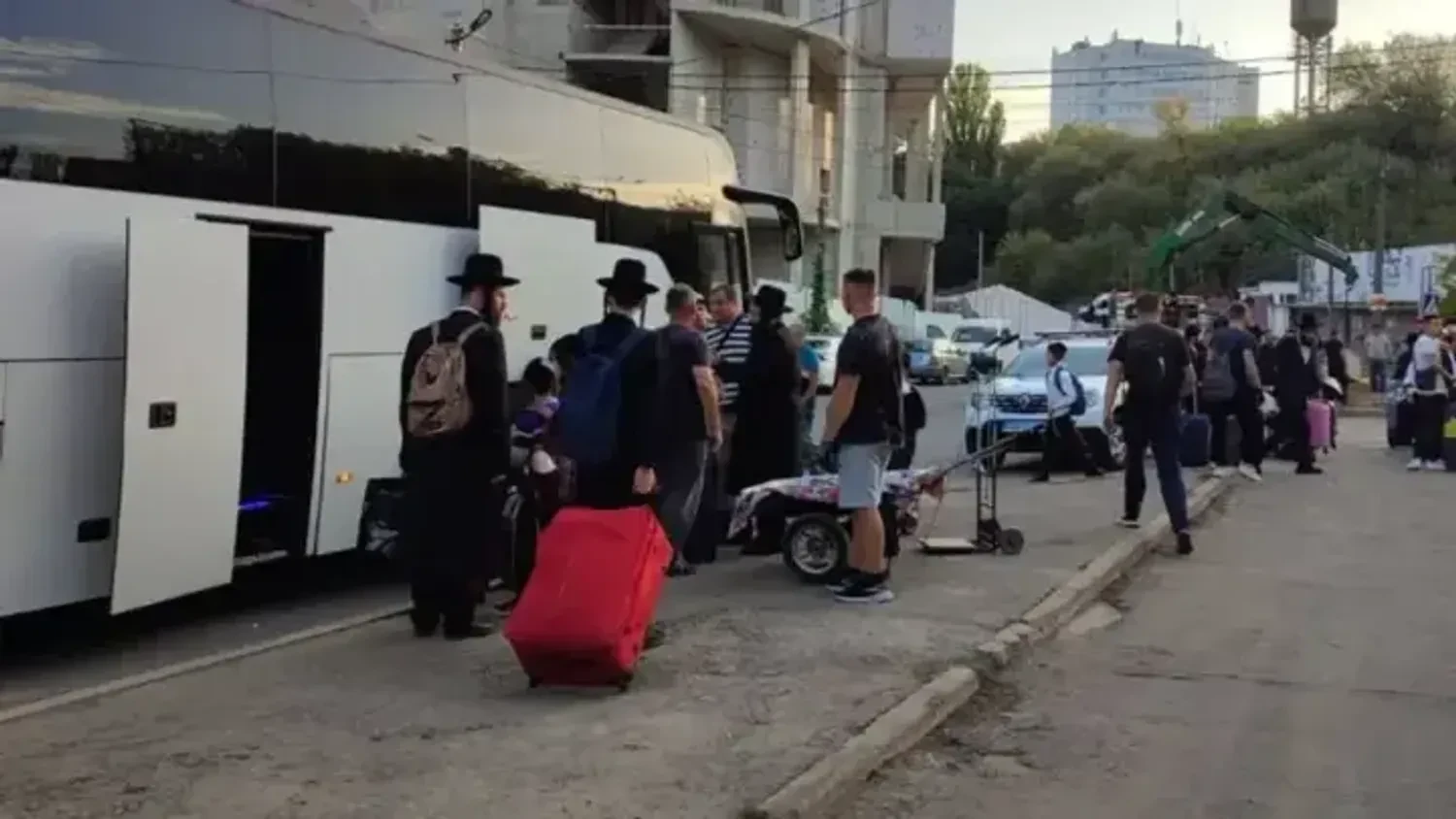
This year, Uman expects about 30-35 thousand Hasidim for the Rosh Hashanah celebration, although their community predicts up to 50 thousand. As of September 17, 7 thousand Hasidim have crossed the border.
To prevent emergencies during the celebration, the Cherkasy Regional Department of the State Emergency Service organized round-the-clock duty of firefighters, rescuers, and diving and rescue teams in Uman. In addition, rapid response posts have been set up on international highways passing through the Uman district to respond to possible road accidents.
It is noted that at a meeting held in the office of the Minister of National Security of Israel, Knesset member Itamar Ben-Gvir, with the Ambassador of Ukraine to Israel Yevhen Korniychuk, a constructive and effective security plan was agreed upon.
Also, for the period of the celebrations in Uman, a number of restrictions were introduced, in particular, the sale of pyrotechnic products, alcoholic and low-alcohol beverages in pilgrimage sites is prohibited.
Earlier, UNN wrote that Israeli police officers arrived in Uman to assist their Ukrainian counterparts in ensuring law and order during the celebration of the Jewish New Year Rosh Hashanah.