









Ornithologist explained how to help a stork wintering in Ukraine and what is forbidden to do
Kyiv • UNN
Vitaliy Hryshchenko, deputy director of the Kaniv Nature Reserve, urged not to rush to rescue storks that have stayed for the winter, as they may be healthy. Help is only needed for injured birds, but it is important to know how to provide it correctly.

There is no need to sound the alarm if you notice a stork that has not flown south for the winter. In a comment, Vitaliy Hryshchenko, Deputy Director for Scientific Work of the Kaniv Nature Reserve, Professor of Biological Sciences, urged not to rush to catch or "rescue" such birds. The ornithologist advises first to observe the bird - it is quite possible that it is healthy and will cope on its own. But in case of injury, help can be provided. How to do it correctly, UNN writes.
What is bird migration and what are its dangers
According to the ornithologist, bird migration is not just a "journey", but a difficult and dangerous path that spans thousands of kilometers. Unfortunately, not all adult birds are able to overcome it, and it is even more difficult for young birds to return from such a journey alive and unharmed.
Migration for thousands of kilometers is a rather difficult and dangerous process, and not all of them return from there. If, for example, the mortality of adult storks for the eastern part of Europe (according to ringing data) is about 15% per year, then for young birds the mortality is much higher - only about 30-40% return, no more.
The professor emphasized that despite the fact that most people perceive the fact that some birds decided to stay for the winter in Ukraine as a tragedy, "it is still unknown who will be in a better condition: the one who stayed, or the one who flew somewhere." After all, birds usually fly to Africa and the Middle East for the winter, and these routes carry a lot of threats: from predators to people and natural disasters, for example, in the form of storms.
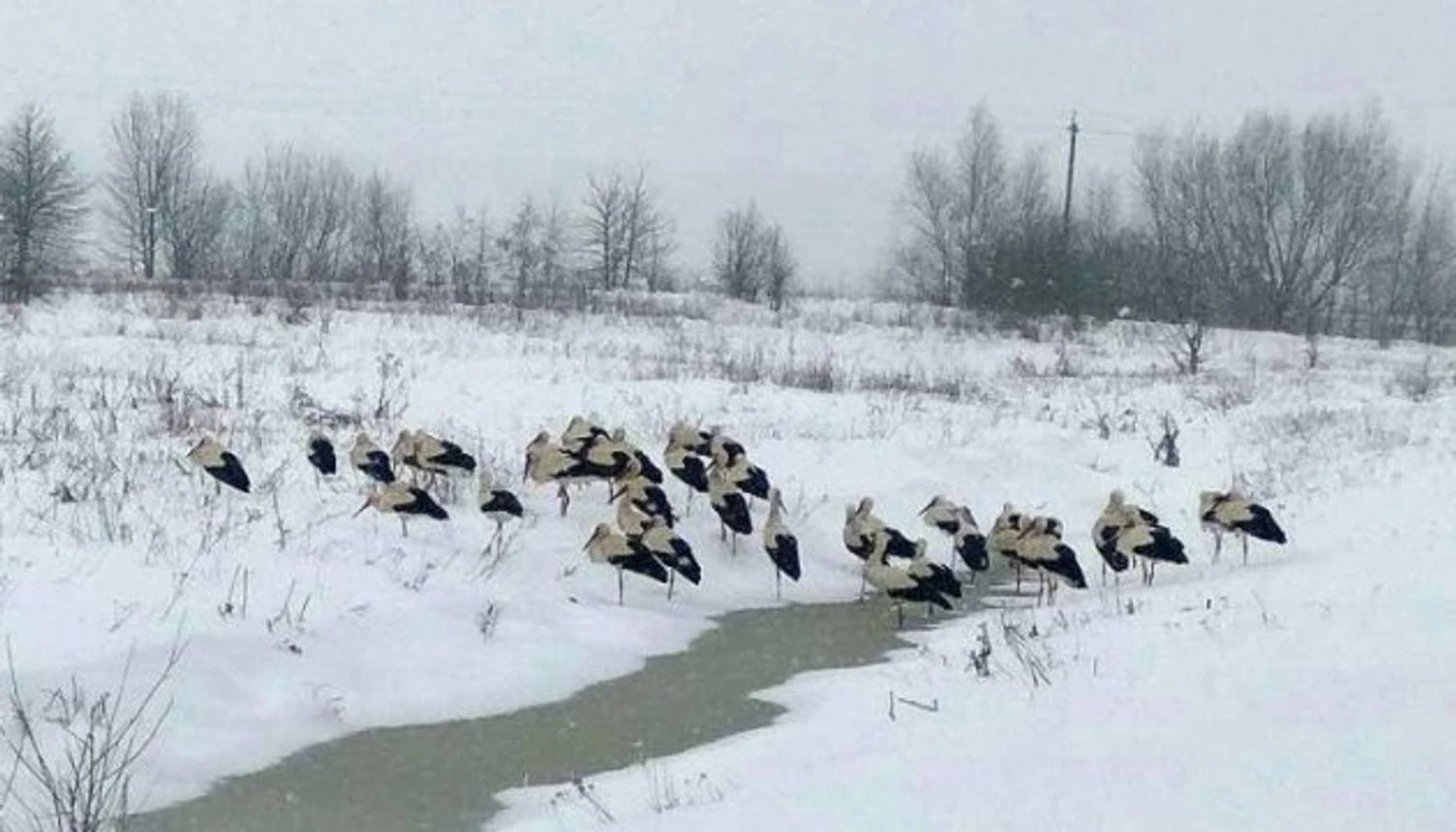
"According to ornithologists of the Ukrainian Society for the Protection of Birds, over the past 10 years, the number of wintering storks has increased from isolated cases to hundreds of individuals. Although, for example, in Spain, resident storks are already a common phenomenon," adds Roman Hezha, a member of the NGO "Ekoltava".
Hryshchenko notes that the reasons why birds stay in Ukraine are different, but this does not always mean that such birds need to be "rescued".
"Messages on Facebook with calls to rescue storks that for some reason did not fly away forced me to sit down at the computer... look at the map. Storks can be seen here not only in late autumn, but also in the middle of winter. And not only in the south, but also in Polissia. Therefore, do not rush to "rescue" everything you see," Hryshchenko wrote in a post on Facebook.
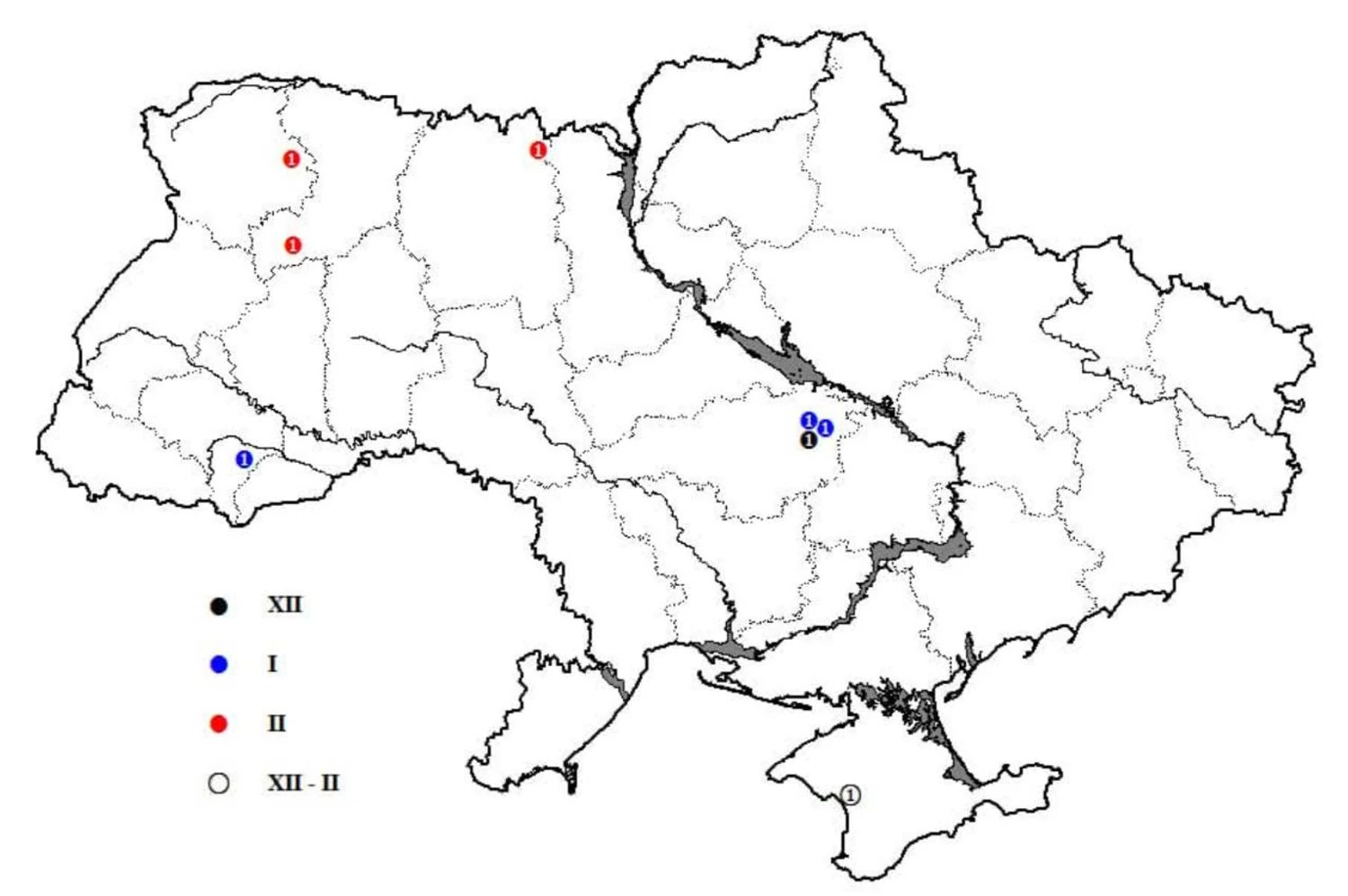
"There are birds that generally tend to stay for the winter in their native lands. That is, they are already used to it... Sometimes entire groups remain. The most important thing for them is to have enough food. When there is enough food, they can withstand even quite severe frosts. Here is known information from literary scientific sources: they tolerate up to -20° without any harm to their health," the ornithologist emphasized.
And this is despite the fact that such frosts are rare in Ukraine in winter and not in all regions.
Sufficient food is the key to successful wintering
They (storks - ed.) used to be able to use various unfrozen areas, for example, near springs or enterprises... sometimes where heated water is discharged, for example, like the Trypilska TPP. There, along the bank of the Kaniv Reservoir, open water remains because it is heated. Storks have found a virtually inexhaustible source of food.
He also added that the birds that remained often master landfills near large cities, because there they can find food in winter.
"This, strangely enough, does not sound very aesthetic and romantic, but - landfills near large cities. They find an unlimited amount of food there. And, for example, near Kyiv, the largest landfill in Ukraine, in the village of Pidhirtsi. So there, literally every year, at least a few storks live," he added.
The expert also added that similar cases were recorded in Rivne region. In addition, in case of positive temperatures in winter and in the absence of snow, birds can find food in the fields, hunting mice. And it is a sufficient amount of food that is the key to successful wintering.
Kyiv Zoo creates "bird paradise" for waterfowl species27.06.25, 13:58 • 2408 views
Can such birds be fed and how to help them
Regarding the feeding of these birds, the ornithologist advised to approach this issue wisely and carefully.
"Feeding can theoretically be organized, but the bird must understand that it is for him, because crows or rooks will fly faster than a stork. Well, and besides, you need to accustom him to feeding in some safe place, because he will fly there, and, say, severe frosts hit? He would have flown somewhere further south, but now he stays at the feeding place. We are responsible for those we have tamed. This is exactly the case," says the professor.
In addition, Hryshchenko emphasized that feeding should be "adequate."
"These are some meat scraps, say, chicken necks that are bought for cats, dogs, something similar. Small fish. It should be borne in mind that a stork swallows food whole. If the fish is larger, it is better to cut it into pieces. If there is an opportunity, well, say, to catch a mouse, you can give it to him, he gladly eats such things," the ornithologist says, adding that some birds that have settled in some places and have become accustomed to "handouts" from people in the form of food that is not natural for them to eat.
"And it's good when he is given something adequate, but when he is given sausage or cookies - this can also be a problem for the bird, because normal digestion is disturbed, they are not able to digest such things normally," the ornithologist noted.
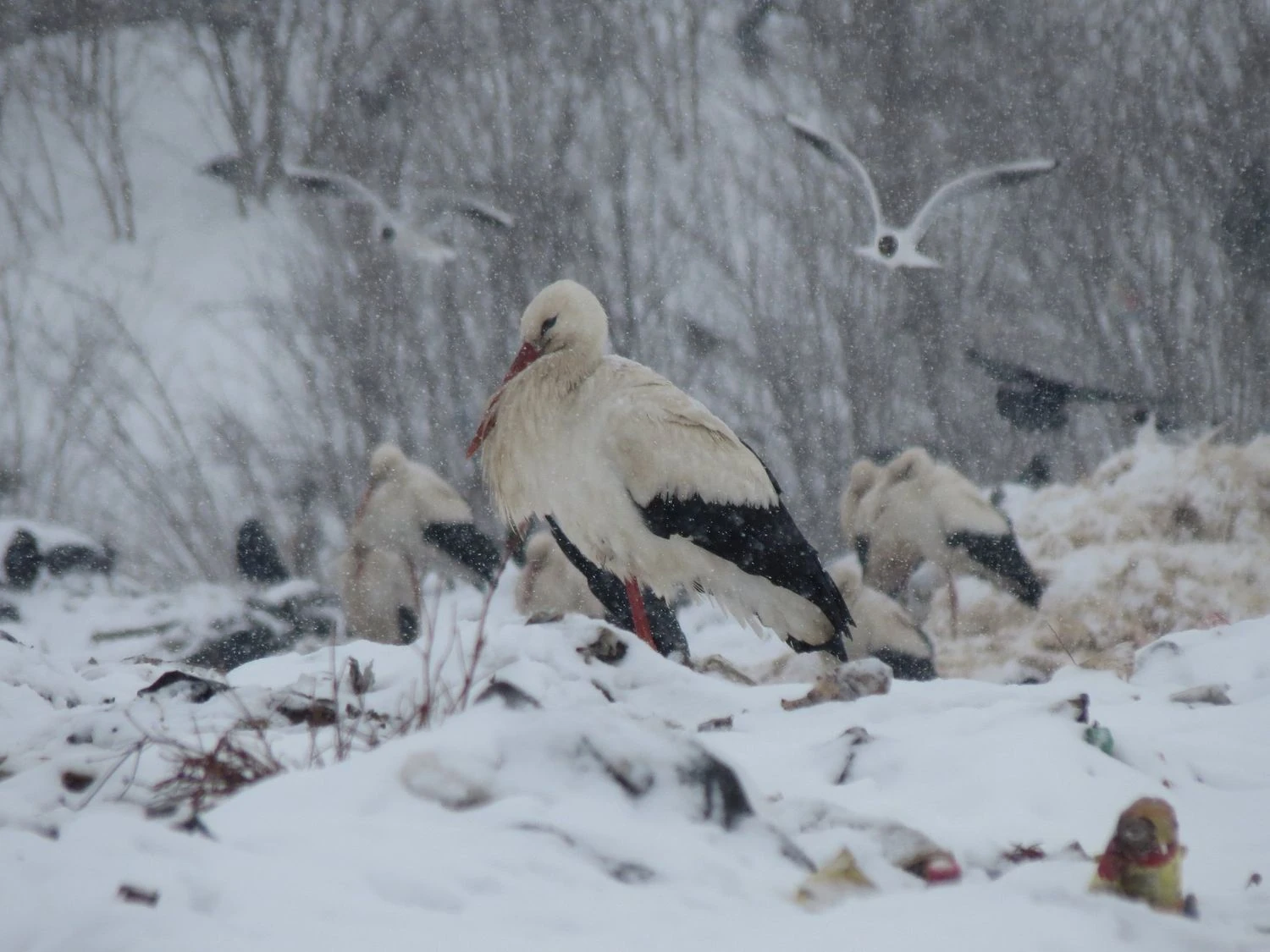
In case a stork has not flown south for the winter and has stayed to winter and/or has come to people, the professor advises first to observe the bird's behavior before concluding whether it needs your help.
First of all, if a stork lives in nature, it is better not to touch it, because there are many compassionate people: "Oh, the stork stayed, let's catch it, put it somewhere." Well, it's not a domestic chicken that will run to you as soon as you beckon. It's not easy to catch it if it's in normal condition, not injured, not sick. And chasing it, you can just drive it into wires somewhere, where it will break its wings or leg, then it will be in trouble. At best, it will remain a permanent client of some bird shelter, and at worst - it will simply be killed. Therefore, if everything is fine with it, it is better not to touch it.
Roman Hezha, a member of the NGO "Ekoltava", added that if the bird is injured or exhausted, "it can be temporarily sheltered in a room with a temperature of +10 +15°C (it is important that it is not hot). A shed with straw or hay bedding will do."
"You can feed it raw boneless fish - that's the best. Finely chopped meat, boiled egg will also do. Water is a must, but not icy," Hezha emphasizes.
It is better not to give the bird food like bread, porridge, potatoes, such a diet is not natural for it.
In Kyiv region, a stork tangled in a rope at height was rescued19.04.25, 19:27 • 11206 views