









A sunken ancient Roman vessel has been discovered off the coast of Italy
Kyiv • UNN
A sunken ancient Roman vessel dating from the 1st–2nd centuries BCE, carrying hundreds of amphorae, has been discovered off the coast of Sicily. The find has been called one of the most important underwater archaeological discoveries.

Divers discovered off the coast of Sicily the remains of a Roman-era ship that had lain undisturbed on the seabed for more than 2,000 years, police on the Mediterranean island said. NBC News reports, UNN writes.
Details
Italy's Minister of Culture Alessandro Giuli called the find on social media "one of the most important underwater archaeological discoveries in recent years." Experts date the ship to the 1st or 2nd century BC.
The sea continues to reveal valuable evidence of our history. This shipwreck tells us about the people, trade routes and exchanges that turned the Mediterranean into a crossroads of civilizations
After receiving a report from local residents, divers discovered the ship approximately 3 miles off Sicily's western coast and at a depth of about 150 feet, Italian authorities said.
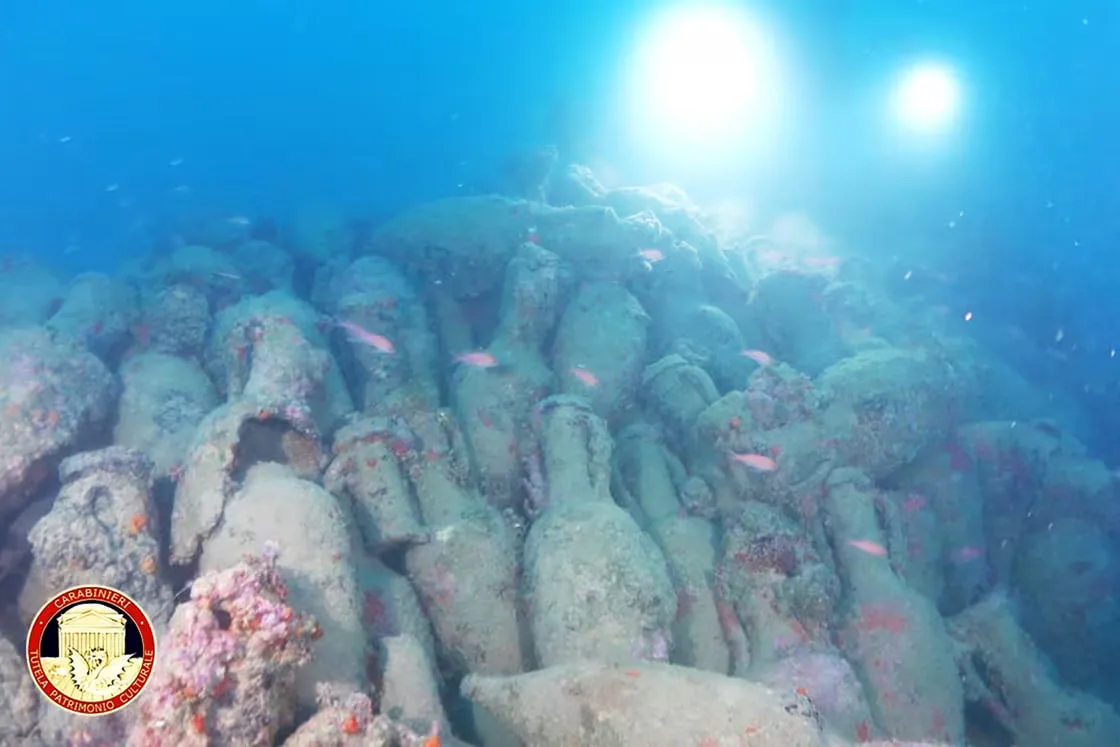
Inside the sunken ship, hundreds of clay vessels known as amphorae were discovered.
It is difficult to explain what you feel when you realize that after nearly 20 centuries, we are among the first people to see this site again
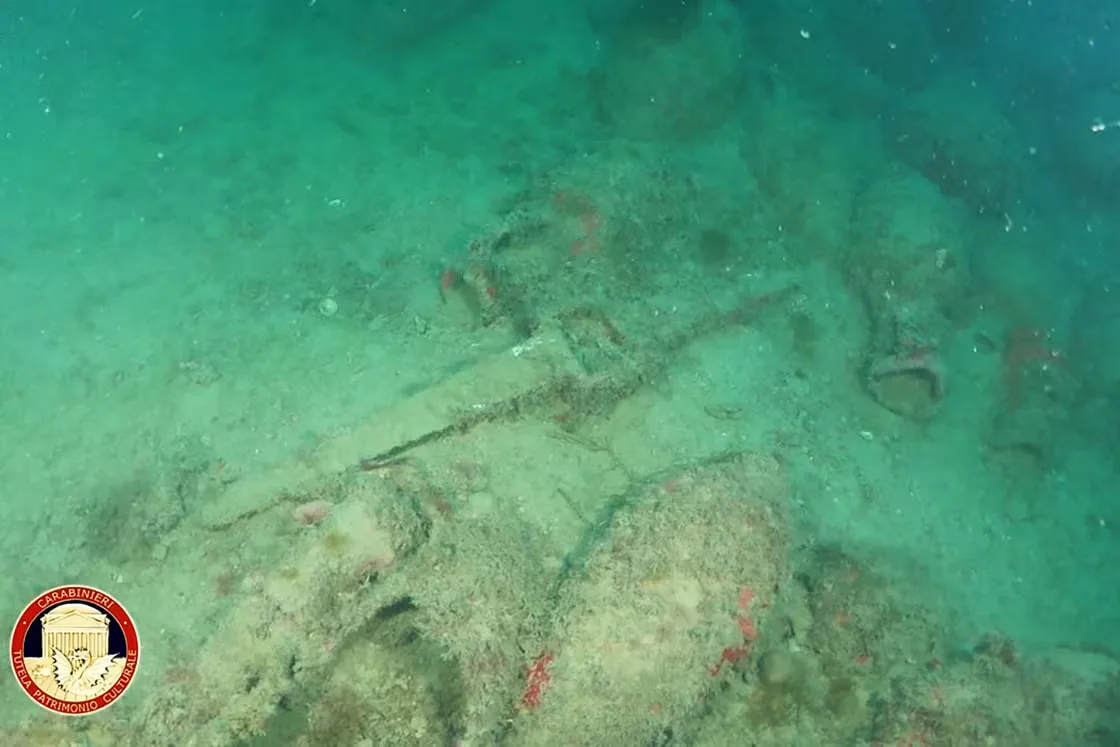
According to police, hundreds of clay vessels known as amphorae were found inside the sunken ship, along with lead anchor components and other artifacts.
The amphorae are believed to have come from different parts of the ancient world. They likely included North African amphorae and a Neo-Punic amphora.
According to Simon Stoddart, a professor of archaeology at the University of Cambridge in the United Kingdom, the discovery could play an important role in reconstructing "the picture of trade routes, as well as the ancient map of risks in the Mediterranean."
Experts date the ship to the 1st or 2nd century BC.
Experts will study the shipwreck alongside previous discoveries throughout the Mediterranean to reconstruct a picture of the ancient maritime world. Stoddart, who was not part of the team that made the discovery, told NBC News by email.
He added that the depth at which the ship lies makes the find extraordinary and relatively rare.
At the same time, he cautioned that documenting and removing materials from the ship, "where ethically justified," would be a challenging task, as it requires specialized equipment and brief stays at such a depth.
The amphorae were found together with lead anchor components and other artifacts.
Since it is impossible to remain at the underwater site permanently, the location of the discovery will have to be kept secret until a decision is made on whether excavations are worthwhile and whether the necessary resources can be secured for them, Stoddart said.
Police said they would further document the site to determine "appropriate protective measures." The aim is "to preserve the historical artifacts located on the seabed and return them to the public."