










The Guardian showed Ukrainian FP-1s in combat action — how Fire Point drones are taking the war deep into Russia
Kyiv • UNN
The Guardian journalists attended the launch of Ukrainian FP-1 drones that struck a substation in Alushta. Ukrainian military officials say that long-range strikes are exhausting Russia’s air defenses and economy.

The British publication The Guardian visited a combat launch of Ukrainian FP-1 drones together with soldiers of the 414th Separate Brigade of Unmanned Systems "Birds of Magyar" and showed how Ukrainian technologies enable strikes hundreds and thousands of kilometers from the front line. This was reported by UNN.
Details
In the report, journalist Luke Harding describes the evening launch of three long-range FP-1s. One of the drones reached occupied Crimea several hours later and struck an electrical substation in Alushta. That same night, according to the publication, Ukrainian forces attacked a number of energy facilities in the occupied territories.
The FP-1 is a Ukrainian long-range attack drone developed and manufactured by Fire Point. According to the company, the latest modification of the FP-1 can travel 3,400 km. Previously, its range was reported as more than 1,600 km, with a price of $55,000–75,000 per unit. Its current warhead weighs about 60 kg; the FP-2 (middle strike) has a range of up to 700 km and can carry up to 200 kg of explosives. Both aircraft have a wingspan of 6 m, a cruising speed of 140–180 km/h, and a maximum speed of approximately 205 km/h.
Fire Point CEO Iryna Terek told Corriere della Sera that the company has contacts with several governments that want to have the FP-1 in their armed forces, as well as with foreign companies interested in industrial partnerships—while Ukraine remains the priority.
Ukraine, which at the beginning of the full-scale invasion was largely dependent on Western military assistance, has built its own long-range unmanned-systems industry within a few years. Lieutenant Colonel with the call sign Ray, commander of the 9th "Kairos" Battalion—a medium- and long-range drone unit within the 414th Brigade—described this, while watching the launch of the FP-1, as a confrontation between two models: Ukraine’s open system and Russia’s authoritarian vertical.
This is exactly where democracy defeats totalitarianism
"Kairos" is part of the "Birds of Magyar" brigade, named after the call sign of its founder, Robert Brovdi, commander of Ukraine’s Unmanned Systems Forces.

Robert Brovdi says that Ukrainian long-range drones have "significantly thinned out" Russian air defenses.
We have already destroyed most of them. With every air-defense system destroyed, the breach widens
According to him, three days earlier, air-defense units had been destroyed in the Russian port of Yeysk on the Sea of Azov, bringing the total number of systems put out of action to 305.
Russia’s enormous size, once its strategic advantage, has become a weakness. According to Brovdi, the concerned Kremlin has redeployed "a certain number" of air-defense assets from the front line to protect Moscow.

The commander said he seeks to deprive Russia of the ability to use Crimea as a "launchpad" for strikes against Ukraine, as well as to drive out the nearly one million Russian residents, or "colonizers," who settled on the peninsula after its seizure by Putin in 2014.
The troops and resources must be exhausted to such an extent that they can no longer continue the war
There is currently so little fuel in Crimea that Russian military units are sometimes unable to refuel and launch drones. There are also frequent power outages there.
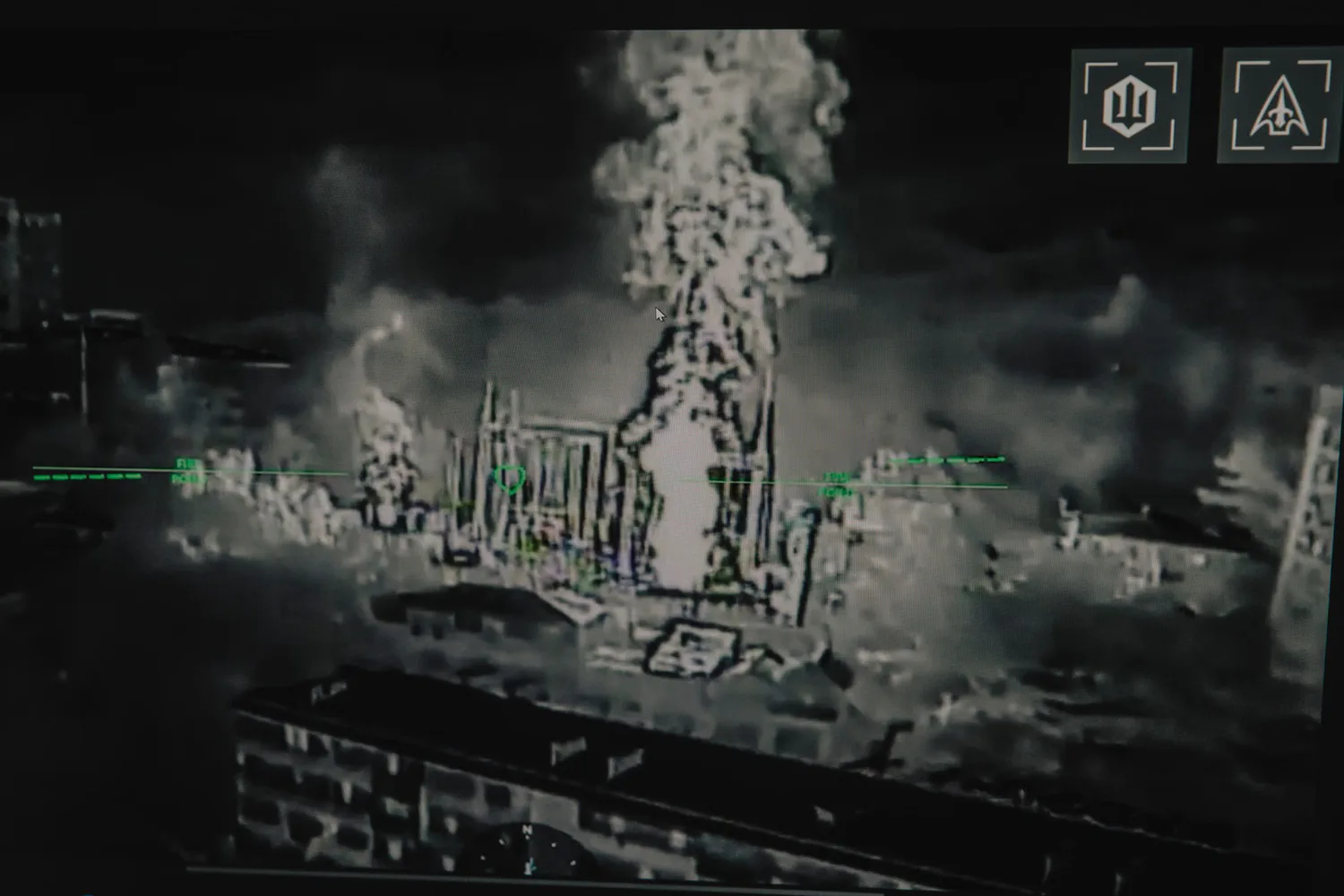
One of the brigade’s servicemen, with the call sign Schweik, predicts that food shortages may soon emerge as well.
The operation is endless. There will be a cascading effect. We will continue this pressure. They will think about survival instead of offensive operations
Schweik added: "For Russia, this situation is humiliating. Crimea has symbolic significance. It was Putin’s first trophy and the place where the world order was broken. It created a kind of euphoria in Russian society, which in turn gave him permission to go further and seize more territory. Now everyone in the world understands that Russia is actually weak".
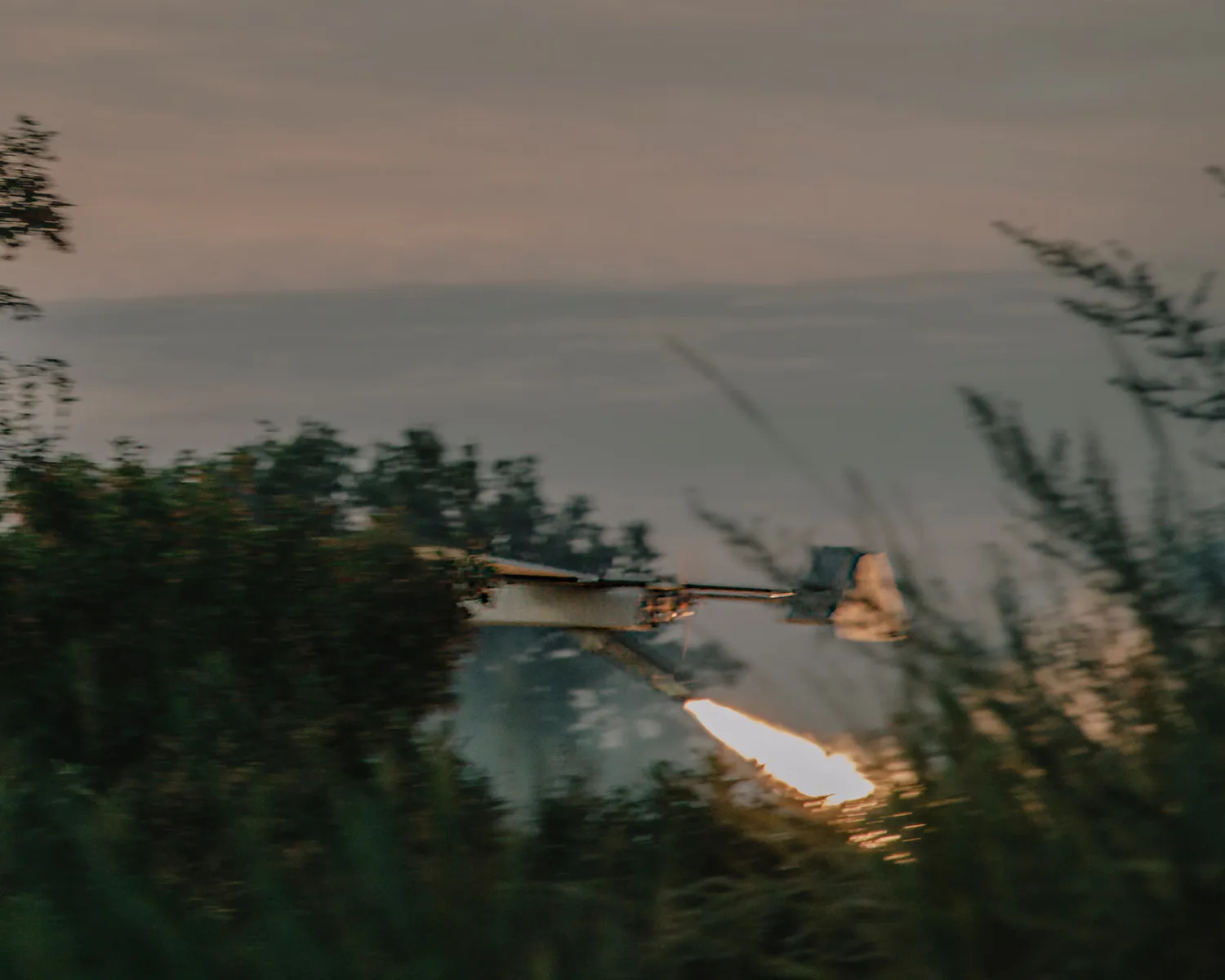
Not all Ukrainian drones reach their targets. According to Ray, approximately one-third of them are shot down over occupied territories. He acknowledged that losses in the skies over Russia are significantly higher. At the same time, the Ukrainian strategy aimed at increasing pressure on the Russian economy appears to be working.
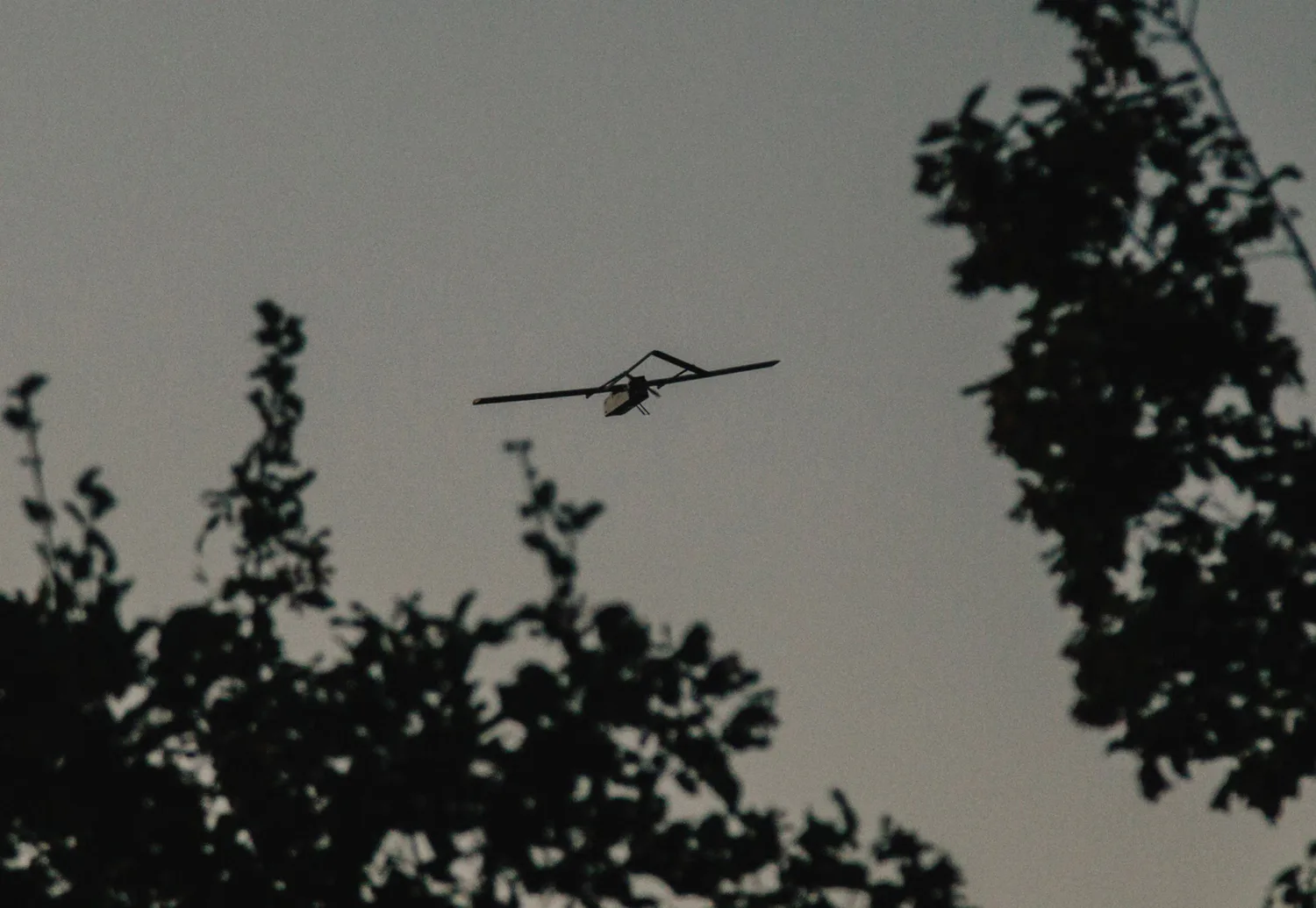
According to the military, long-range Ukrainian drones are used to strike facilities connected with supplying Russian forces: oil-refining infrastructure, warehouses, military logistics, ports, and other strategic targets.
The FP-1 has become one of the most notable examples of this Ukrainian model. Fire Point describes it as a system for long-range strikes and continues to develop its range of unmanned and missile systems. The scale of the company’s development already extends far beyond a single type of UAV. At the same time, Fire Point is working on missile projects and air defense systems.
Other countries want to have FP-1 drones in service – CEO of Fire Point01.08.26, 10:03 • 8761 view