









Africa is split by a volcanic superplume: what is known about the tectonic fault
Kyiv • UNN
Magma is raging under Africa, splitting the continent from the Red Sea to Mozambique. Scientists predict that the tectonic separation will lead to the formation of a new continent.

One of the largest continents on Earth is beginning to disintegrate. Geologists have different theories, but the key one is related to the formation of a huge "superplume" consisting of hot volcanic material and passing through Ethiopia, Kenya, Uganda and Malawi, between the Somali and Nubian tectonic plates.
UNN reports with reference to RTVE and Ladbible.
Details
Magma is raging under Africa, splitting the continent from the Red Sea to Mozambique. The Great East African Rift extends from Djibouti to Mozambique. It is about two large tectonic plates - Somali and Nubian, which diverge.
The African Horn is gradually separating from the continent due to this fault, which is forming
Continents in motion
Scientists note that the plates systematically move away from each other at an average speed of about 0.5 cm per year. Thanks to the chemical analysis of volcanic gases, researchers have discovered a huge mass of material deep beneath the Earth's surface.
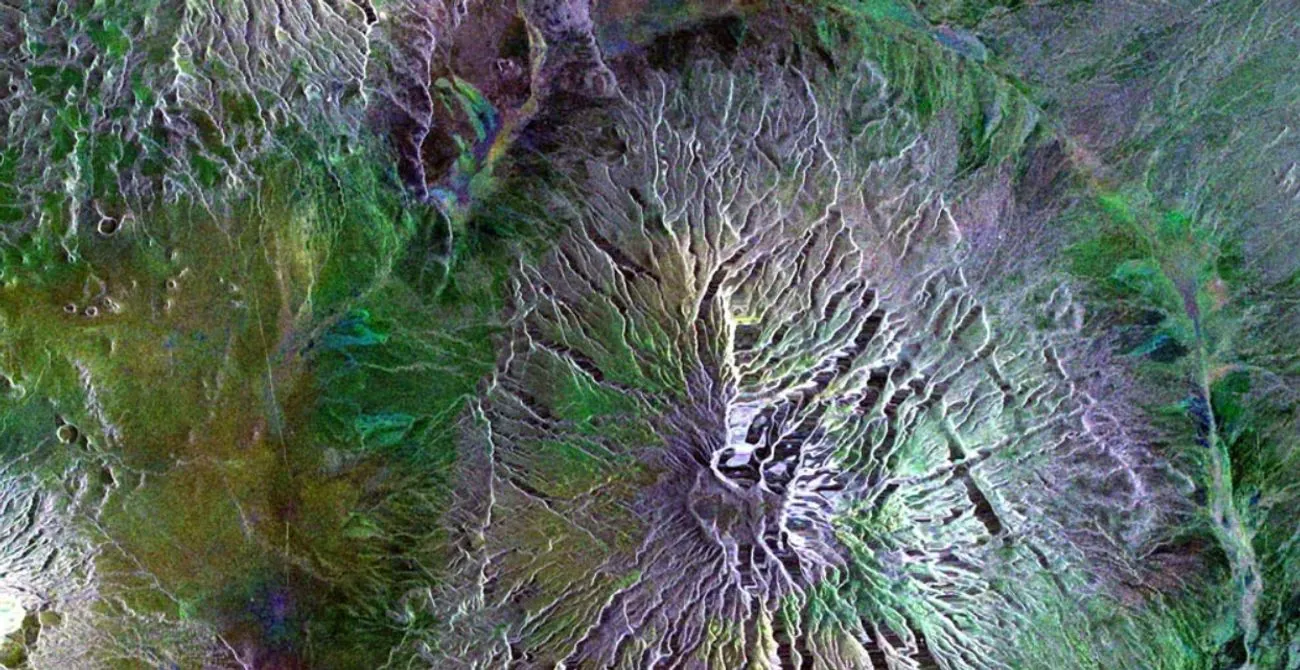
A deep thermal anomaly can cause magma to rise, leading to volcanic activity and earthquakes in Africa and surrounding regions, and contribute to the spreading of tectonic plates.
What is an erupted plume?
Under the eastern fault lies a huge "superplume" consisting of hot volcanic material rising from the core-mantle boundary and lifting the lithosphere, where the earth's crust is located. This was recently indicated in their study by experts from the University of Glasgow.
A giant hot mass of rock is located at the core-mantle boundary beneath Africa, stimulating plate movement and lifting the continent by hundreds of meters
This is the amount of very hot material that rises and comes out of the deepest part of the mantle, that is, from the area bordering the core, - adds Alba Gomez Arias, who is a representative of the Association of Spanish Scientists in South Africa.
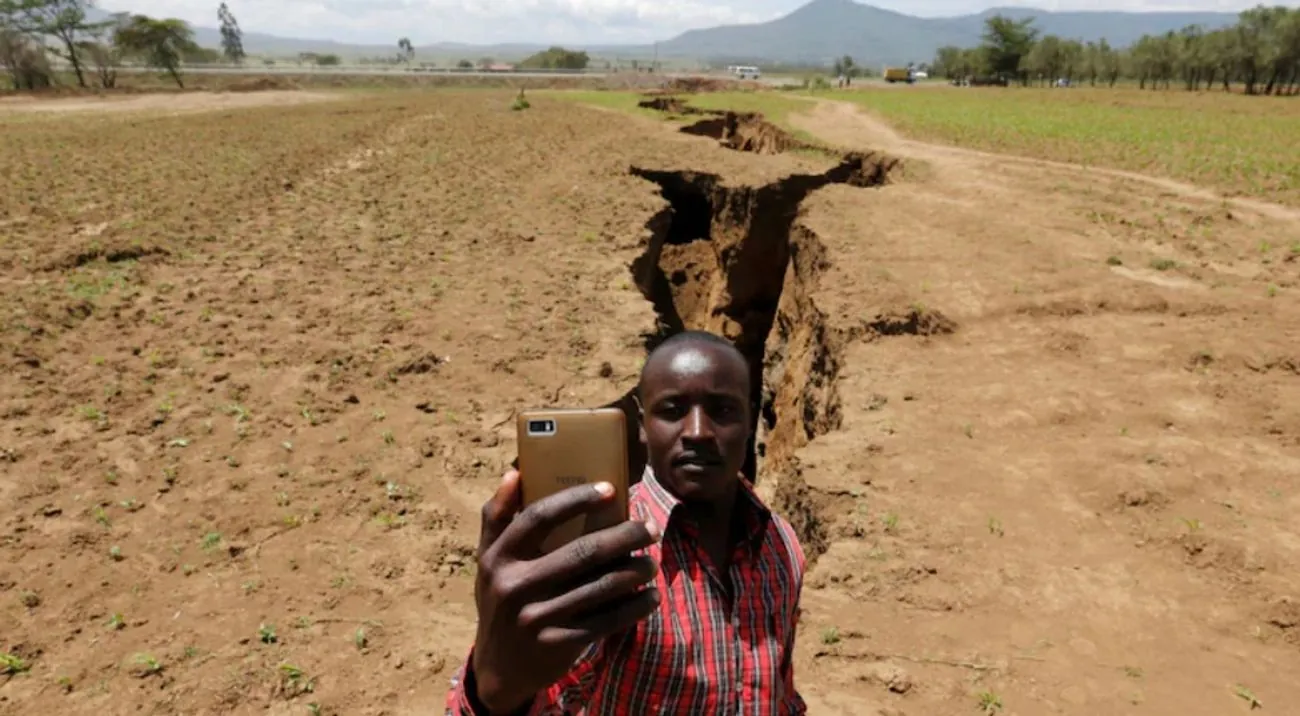
The gap that occurs in the fault is from two to ten millimeters per year.
In fact, science knew this in advance, but there is a discovery presented by a study by the University of Glasgow.
There is evidence that this separation does not cause many plumes [...], but something deeper, and that (the plumes) are all interconnected. And that is why it is called a superplume
Conclusion
Scientists predict that tectonic separation, which will last from one to five million years, may eventually lead to the formation of a new continent.
We will not see significant changes during human life. We will experience earthquakes, see volcanic eruptions, but we will not see the ocean enter our lives
Recall
An international team of scientists has discovered that the mountain ranges of the planet may contain large deposits of natural hydrogen. This discovery could be a breakthrough for clean energy.
UNN reported: an incredible event, from a geological point of view, occurred in Turkey after a deadly earthquake of magnitude 7.7 on the Richter scale, which "shook" the peninsula of Asia Minor: the whole country shifted by three meters.