









Earthquake in Bangkok: State of emergency and flight ban imposed, dozens trapped after skyscraper collapse
Kyiv • UNN
A powerful earthquake shook Myanmar and Thailand, trapping 43 workers in a collapsed skyscraper in Bangkok. Authorities have declared a state of emergency, and airports have suspended operations.

Dozens of workers have been trapped in a destroyed skyscraper under construction in Bangkok, where a state of emergency has been declared, and transport has been disrupted, including at airports, due to a powerful earthquake that shook Myanmar and neighboring Thailand on Friday, UNN reports, citing AFP and The Nation.
Details
The 7.7-magnitude tremor struck northwest of Sagaing city on Friday afternoon at a shallow depth, the US Geological Survey said. A 6.4-magnitude aftershock occurred in the same area minutes later.
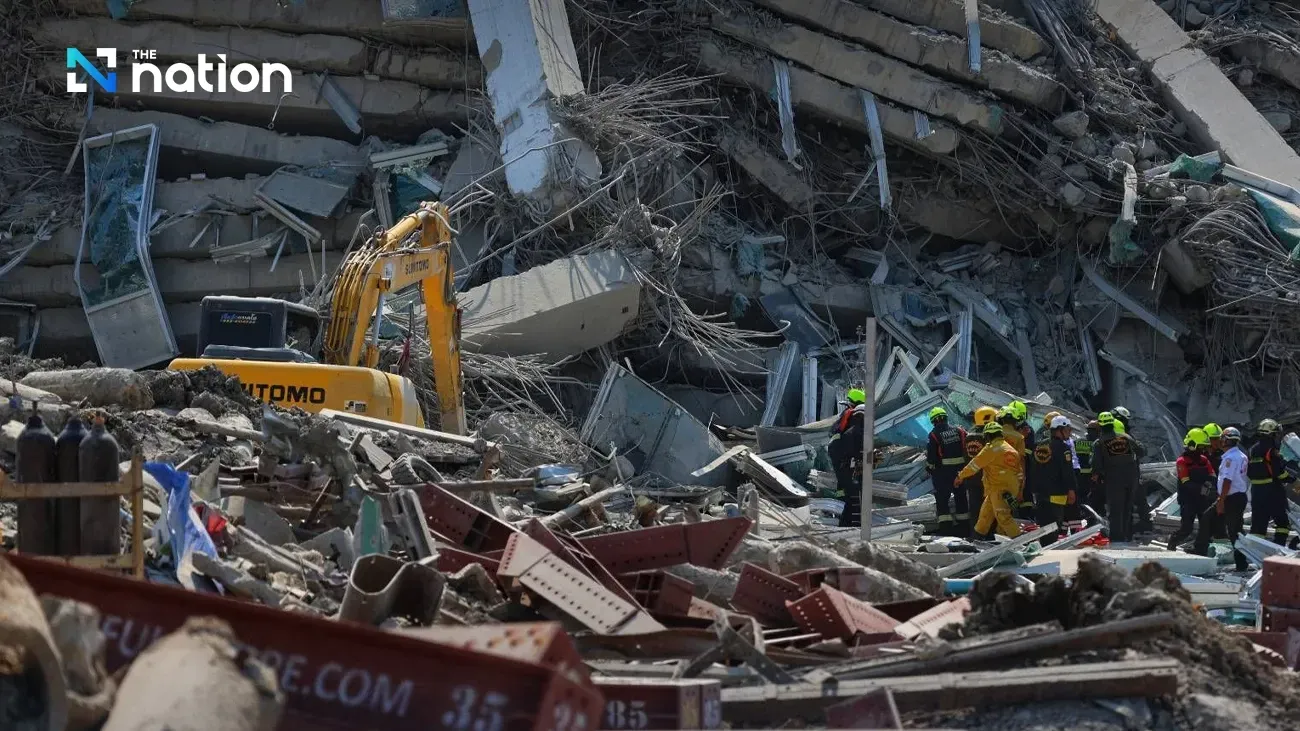
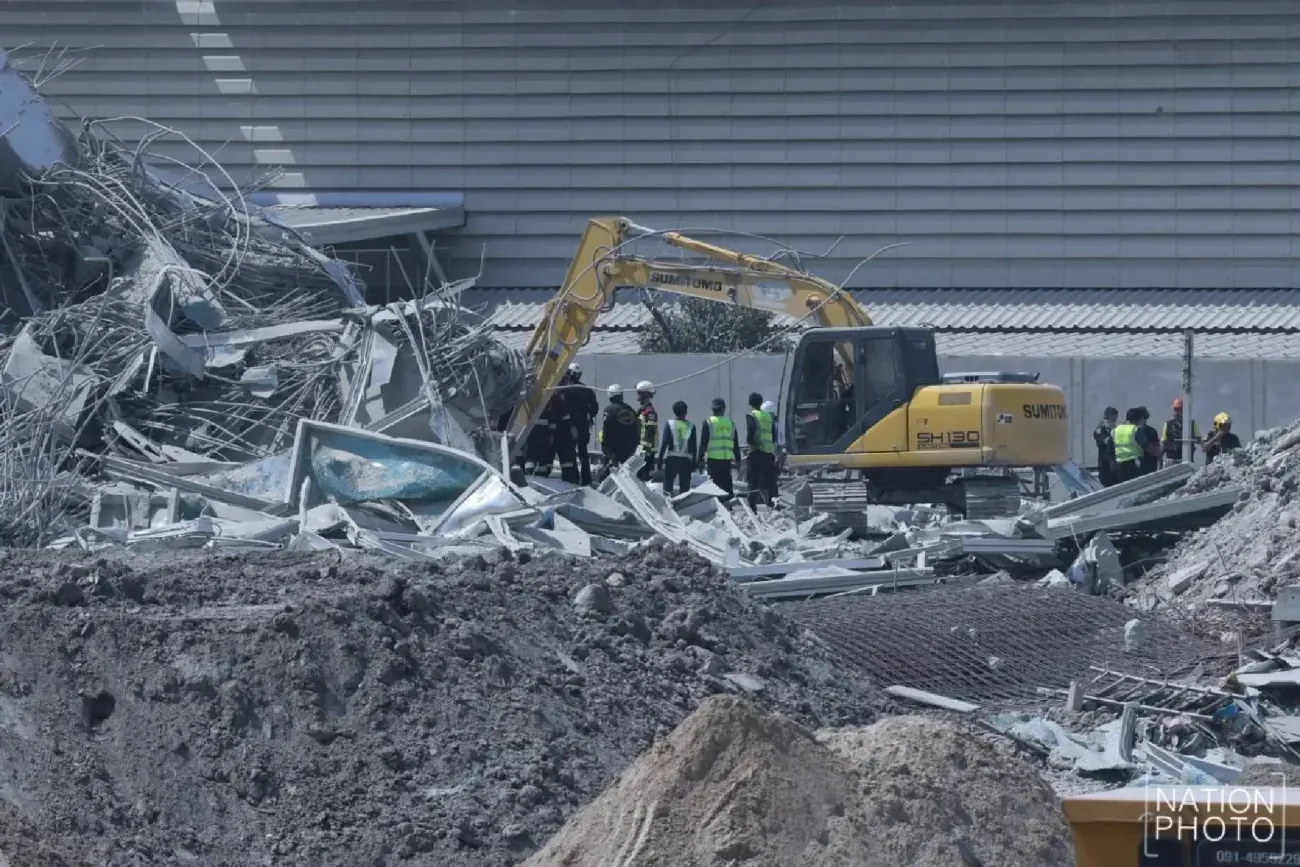
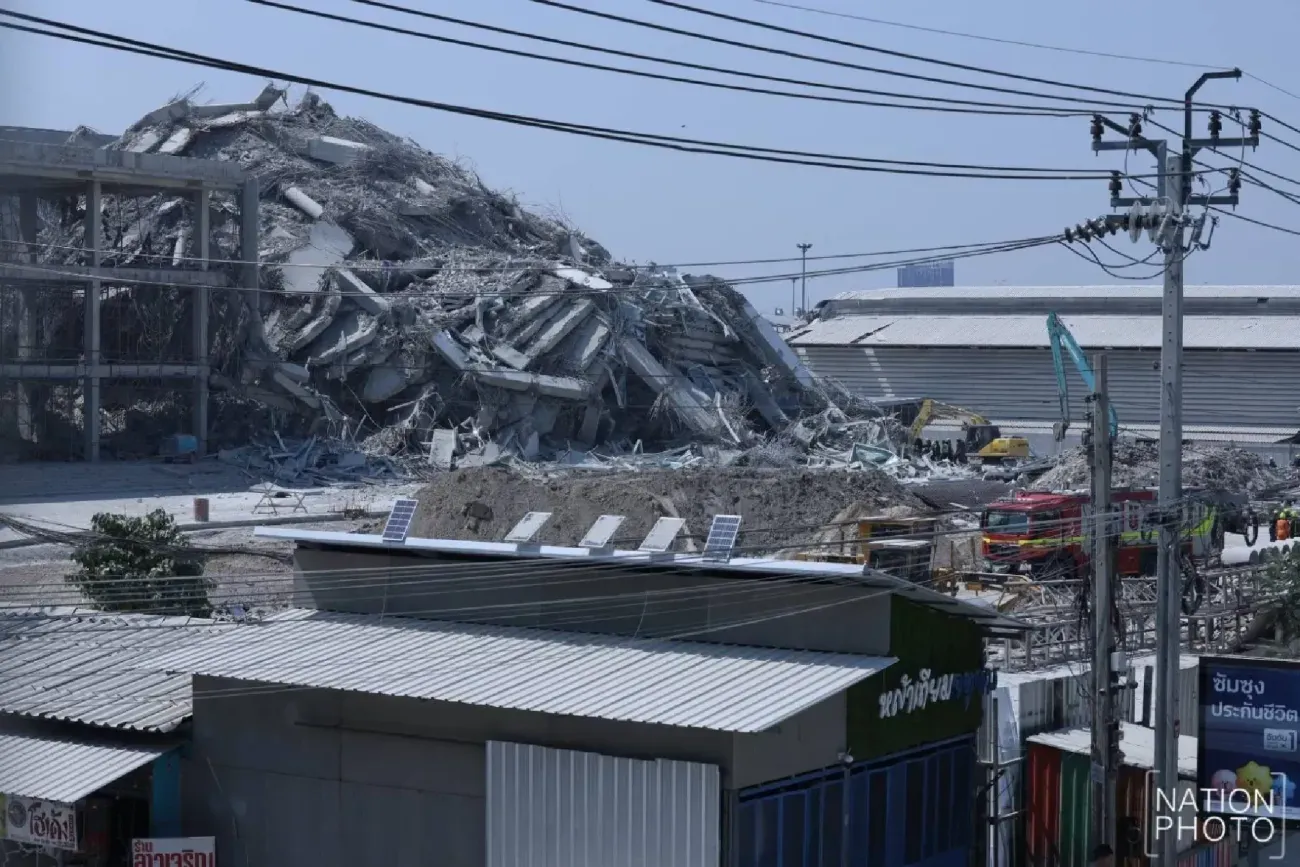
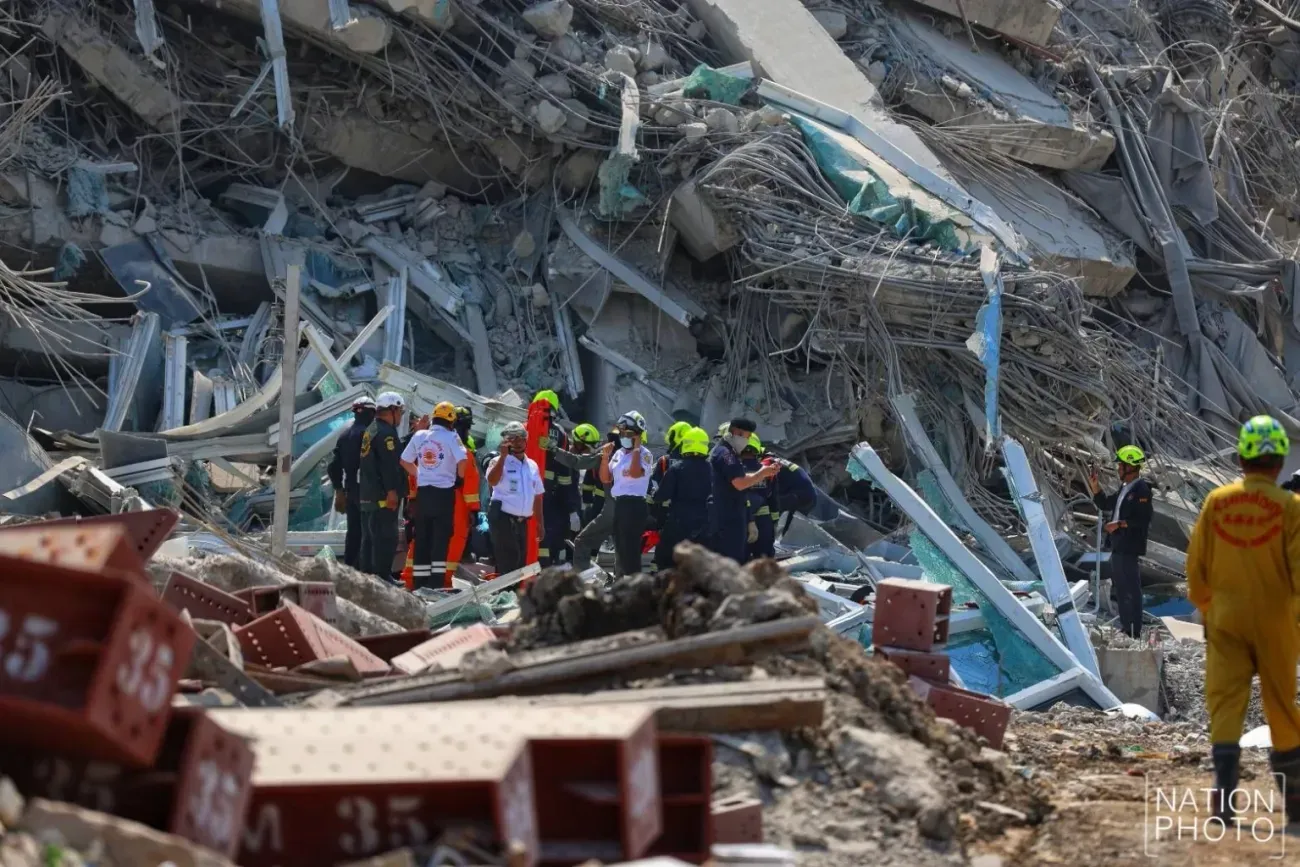
In the Thai capital, a 30-story building under construction collapsed, trapping 43 workers, police and medics said.
The huge building, intended for government offices, turned into a pile of rubble and mangled metal in seconds, footage posted on social media showed.
"When I arrived to inspect the scene, I heard people calling for help, saying, "Help me," said Worapat Sukthai, deputy police chief of Bang Sue district.
"We estimate that hundreds of people have been injured, but we are still determining the number of victims," he said.
Across the border in Myanmar, a group of AFP journalists were at the National Museum in Naypyidaw when the earthquake struck.
Pieces fell from the ceiling as the building began to shake. Uniformed staff ran outside, some trembling and crying, others grabbing their mobile phones to try to contact loved ones.
Roads nearby were curved and destroyed by the tremors, and the road to one of the city's largest hospitals was jammed with traffic.

According to officials, the hospital became a "mass casualty area" after the earthquake.
An ambulance weaved between cars, a paramedic shouting, "Cars, move aside so the ambulance can pass."
At the 1,000-bed hospital, the injured were being treated in the street outside, IV drips hanging from their gurneys.
Some writhed in pain, others lay motionless as relatives tried to comfort them.
People ran into the streets across the country because of the tremors.
"I heard it, I was sleeping at home, I ran out of the building in my pajamas as far as I could," Duangjai, a resident of the popular tourist city of Chiang Mai in northern Thailand, told AFP.
The earthquake caused transport disruptions in Bangkok. In particular, some subway and light rail lines in Bangkok were stopped - the Bangkok Mass Transit System (BTS) suspended the Sukhumvit Line.
And the Air Traffic Authority issued a nationwide flight ban to all airports in Thailand, according to local media The Nation.
Thai Prime Minister Phetthongthan Chinawat has declared a state of emergency.
She said earlier that she had cut short an official visit to the southern island of Phuket to hold an emergency meeting after the earthquake, according to a post on X.
According to the Beijing Seismological Agency, tremors were also felt in China's southwestern Yunnan province, with a magnitude of 7.9.
Addition
Earthquakes in Myanmar are quite common, according to the US Geological Survey, with six major earthquakes of magnitude 7.0 or greater occurring in the Sagaing Fault Zone, which runs north-south through the center of the country, between 1930 and 1956.
A powerful magnitude 6.8 earthquake in the ancient capital of Bagan in central Myanmar in 2016 killed three people and caused spires to fall and walls of temples to collapse in the tourist site.
Experts say that Myanmar's dizzying pace of urban development, coupled with crumbling infrastructure and poor urban planning, has also made the country's most populous areas vulnerable to earthquakes and other disasters.
The poor Southeast Asian country has an overburdened health care system, especially in rural states.