









Watermelon Season: When Berries Become Safe and Most Beneficial
Kyiv • UNN
Nutritionist Natalia Dubovyk spoke about the benefits of watermelons, the safe time for their consumption, and how to avoid poisoning. She emphasized that watermelons ripen naturally and contain a minimal amount of nitrates only from August onwards.

Only with the onset of August do watermelons ripen naturally and contain a minimal amount of nitrates, which makes them safe for consumption. Nutritionist Natalia Dubovyk told UNN about the benefits of this juicy berry, who should limit its consumption, and how to protect oneself from watermelon poisoning.
What are the benefits of watermelons for the human body?
According to Natalia, watermelon is a wonderful summer berry for maintaining hydration, especially in hot weather and after sports activities.
Watermelon can safely be called an electrolyte because it contains potassium and magnesium, which maintain proper water levels in the body. It contains many antioxidants, as well as the amino acid citrulline, which converts into arginine and improves the elasticity and function of our blood vessels.
She said that people all over the world used watermelon not only as a dessert. For example, in China, they love to fry watermelon seeds. This snack is called "guazi," says the nutritionist. Also, oil is pressed from the seeds, which is used in food and the cosmetic industry.
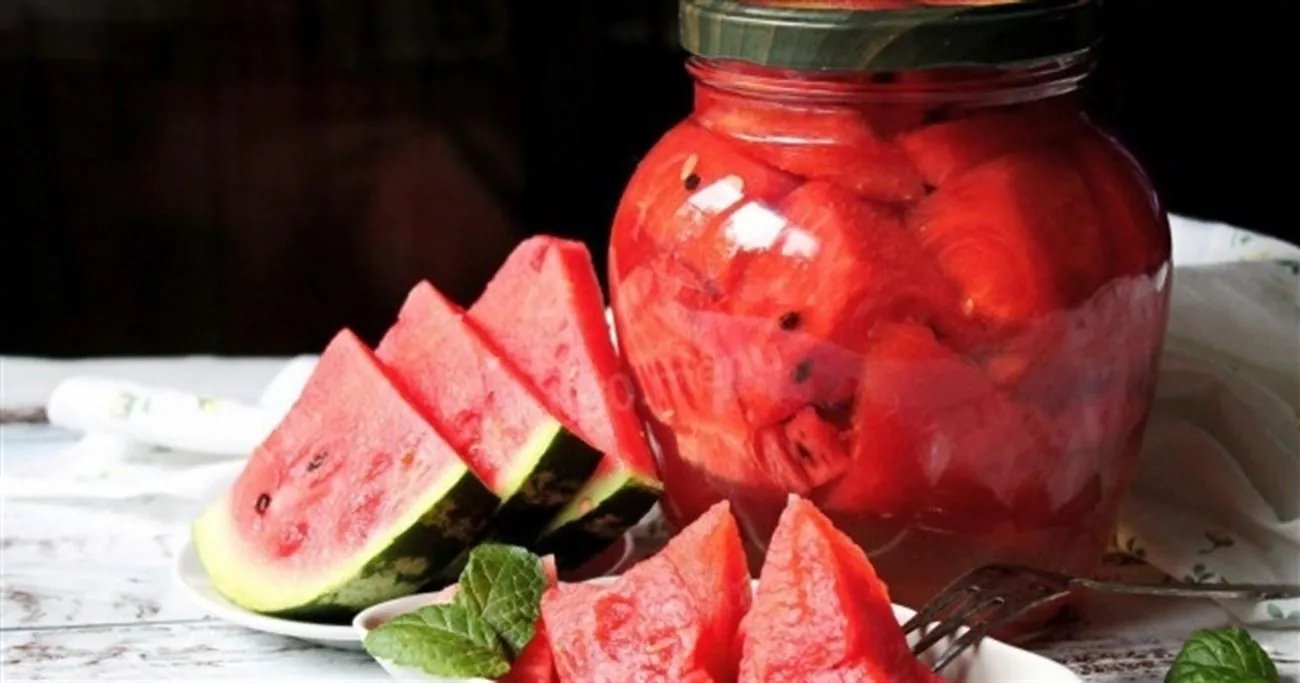
As for the rinds, there are a few more options. They are pickled like cucumbers or tomatoes. And it makes a rather original snack. Also, stir-fry is prepared from watermelon rind, mixing it with other vegetables. Watermelon rind in India can turn into a juicy vegetable stew or be used as an ice substitute for drinks because it contains a lot of liquid and has a neutral taste.
When is it safe to start eating watermelons?
"I don't eat watermelons until August, and I don't advise you to, no matter how strong the desire. Watermelon is a berry of the last month of summer and early September. At this time, they ripen naturally, bask in the sun, and have a minimum of nitrates. In Europe, the permitted level of nitrates. She advises to always wash the watermelon before consumption with a special solution for washing vegetables and fruits, or with regular soap.
"Because it grows on the ground and there is a risk of Salmonella or Listeria contamination," emphasizes the nutritionist.
Also, according to her, it is important not to store cut watermelon for too long. The berry should be placed in the refrigerator in a glass container or covered with cling film.
How many watermelons can you eat daily and who should limit consumption?
According to the nutritionist, the daily norm for watermelon consumption is 300-500 g. But there are categories of people who should limit the consumption of this berry. In particular, people who have:
- diabetes or insulin resistance. It is important to consume watermelon immediately after a main meal to avoid sugar spikes, advises the expert;
- kidney problems or a tendency to hyperkalemia - due to the high potassium content;
- cross-allergy, for example, to birch. Because watermelon contains a protein that contains a birch allergen. And our body can confuse it and produce an allergic reaction to watermelon.
She adds that allergic symptoms usually appear immediately after consuming watermelon. These include:
- itching or tingling on the lips, tongue, throat;
- swelling of the lips or face;
- sometimes - stomach discomfort or rash.

Causes of watermelon poisoning
Watermelon poisoning is a fairly common phenomenon in summer, especially among children. There are three main reasons that lead to this.
1. Consumption of watermelons out of season
One of the main risks is buying and consuming watermelons too early, when they have not yet ripened naturally. The real season for watermelons in Ukraine is the second half of August and September. Everything that appears on the shelves in June or even early July is most often grown using growth stimulants and fertilizers that can be harmful to the body. Unripe berries, moreover, may contain chemical residues that have not had time to decompose, and also be tough and difficult to digest.
2. Increased nitrate content
Nitrates are salts of nitric acid used as fertilizers in agriculture. In moderate doses, they are harmless, but when the norm is exceeded, they accumulate in the watermelon pulp and can cause acute food poisoning. This is especially dangerous for children, the elderly, and people with weakened immune systems.
The first symptoms of nitrate poisoning can appear within 2-6 hours after consumption: nausea, vomiting, abdominal pain, diarrhea, weakness, headache. In severe cases - respiratory distress, cyanosis of the lips, convulsions.
To avoid poisoning, you should buy watermelons only in verified places, and also not take berries with a cut surface or those lying directly on the ground near the road.
3. Excessive consumption
Even the freshest and most environmentally friendly watermelon can cause discomfort if consumed in excessive quantities. Watermelon contains a lot of water (about 90%), fiber, and fructose. Excessive consumption - especially in the evening or on an empty stomach - can cause bloating, diarrhea, and intestinal cramps. In combination with other products, especially dairy, fatty, or alcohol, watermelon can cause fermentation in the stomach. Therefore, doctors advise eating watermelons separately - as a standalone dish, and not overeating: 200-300 g per serving is enough, especially for children.
How to protect yourself from watermelon poisoning

The most important rule: don't rush to buy watermelons in June or July. In August, the likelihood of encountering "watermelons with chemicals" is significantly lower, especially if you buy them from verified sellers or supermarkets with quality control.
Always wash the watermelon before slicing. Even if the watermelon looks clean, its skin can contain bacteria, dirt, nitrates, or pesticide residues, which can easily get inside when cut with a knife. That is why it is imperative to wash the watermelon under running water with a special cleaner, soap, or baking soda before consumption. Also, avoid buying watermelons that are sold cut open outdoors - especially in hot weather. Bacteria multiply instantly in the open air.
Don't overeat. Despite its lightness and freshness, watermelon is not just water, but a source of fructose, fiber, and trace elements. In large quantities, it can cause bloating, diarrhea, and even metabolic disorders.
Store watermelon in the refrigerator, but not for too long. Ideally - no more than 1-2 days. Do not consume watermelon if it has a sour smell, has changed color, or has become slimy. It is also important to remember: it is better to cool the watermelon before slicing, not after - this reduces the risk of pulp contamination.
Kherson Watermelon geographical indication registered in Ukraine01.08.24, 00:21 • 50071 view