


The medical negligence case is being dragged out: should victims turn to the European Court of Human Rights?
Kyiv • UNN
Systematic postponements of court hearings in medical negligence cases may violate victims’ rights. Roman Yedeliev, an associate professor at Taras Shevchenko National University of Kyiv, explained when it is possible to apply to the ECtHR, how the expiry of limitation periods affects the case, and whether a closed criminal proceeding can be reopened.

Hundreds of criminal proceedings are registered in Ukraine every year under Article 140 of the Criminal Code of Ukraine — improper performance of professional duties by medical or pharmaceutical workers. According to the Prosecutor General’s Office, 409 such proceedings were registered in 2025, and another 305 in the first eight months of 2026. Some of these cases concern the deaths of patients whose families spend years trying to establish the circumstances of the tragedy and obtain justice. Instead, they face lengthy expert examinations, regular postponements of court hearings, and some cases are closed because the statute of limitations has expired. Can such delays constitute grounds for applying to the European Court of Human Rights? Roman Yedelyev, Associate Professor of the Department of International Law at Taras Shevchenko National University of Kyiv, told UNN in an exclusive blitz interview.
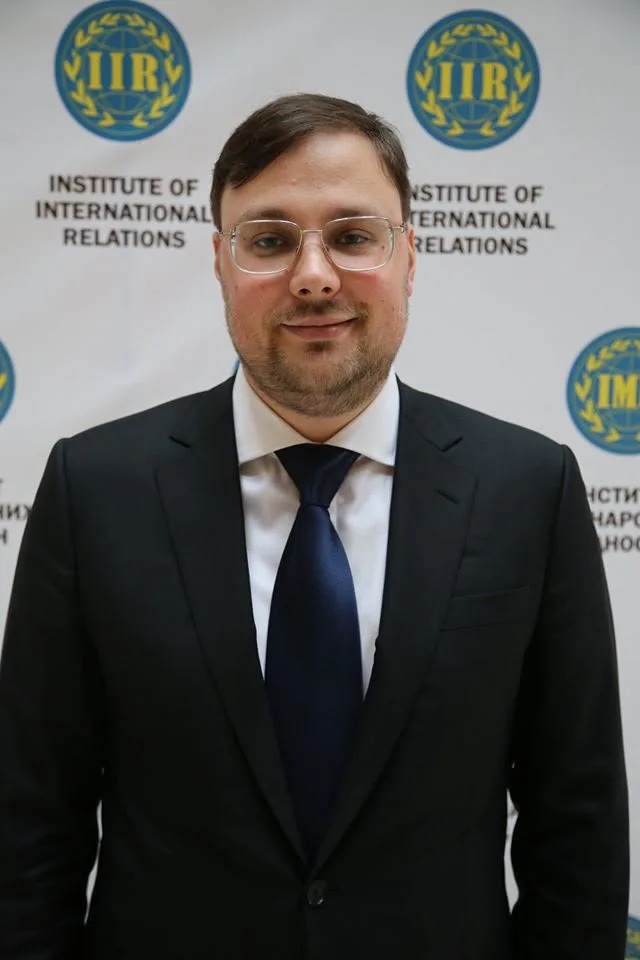
Photo caption: Roman Yedelyev, Associate Professor of the Department of International Law at Taras Shevchenko National University of Kyiv.
- Can the systematic postponement of court hearings in medical negligence cases violate victims’ rights and become grounds for applying to the ECHR?
- Yes, it can. However, it is important to understand that not every postponement of a court hearing constitutes a violation of the Convention. If a patient’s death resulted from possible medical negligence, Article 2 of the Convention, which guarantees the right to life, requires the state to ensure an effective and timely examination of the case that will establish the circumstances of the death and clarify the issue of liability. If court hearings are systematically postponed without proper justification, the proceedings make no progress for years, and the delays create a risk that the statute of limitations will expire, this may indicate a violation of the Convention.
Such ECHR case law also exists concerning Ukraine. In particular, in the case of "Sinko and Others v. Ukraine" (2026), the Court found a violation of Article 2 due to shortcomings in and delays to proceedings concerning the deaths of patients. Similarly, in "Lukashenko v. Ukraine" (2025), the Court found that the investigation into the circumstances of a patient’s death, which had lasted for many years, was ineffective.
To apply to the ECHR, it is important to prove not merely that hearings were postponed, but that the delays were unjustified and negatively affected the possibility of an effective examination of the case. In certain circumstances, the prolonged ineffectiveness of the proceedings may justify an application even before their conclusion.
- If criminal proceedings in a medical negligence case are closed because the statute of limitations has expired without a verdict on the merits, will the victims be able to challenge this before the ECHR?
- Yes, victims may apply to the ECHR even after criminal proceedings have been closed because the statute of limitations has expired. However, it is important to understand that the mere fact that proceedings were closed does not necessarily mean that the Convention was violated. The ECHR will primarily assess whether the state ensured an effective investigation and judicial examination. If the limitation periods expired as a result of unjustified delays, inaction by state authorities, or numerous procedural shortcomings, this may constitute a violation of Article 2 of the Convention, which guarantees the right to life.
The case of "Lukashenko v. Ukraine" (2025) is illustrative. In that case, criminal proceedings concerning a patient’s death were closed because the statute of limitations had expired after more than ten years of investigation. The ECHR found a violation of Article 2; moreover, even the compensation received by the victim in civil proceedings did not remedy the shortcomings of the investigation. In "Sinko and Others v. Ukraine" (2026), the Court also confirmed the state’s responsibility for the ineffectiveness of proceedings concerning possible medical negligence.
At the same time, the Convention does not guarantee victims a mandatory conviction. The main requirement is that the state ensure a genuine opportunity to establish the circumstances of the incident and obtain legal protection, including compensation for damage.
- What practical results can victims achieve through the ECHR? Can its judgment contribute to the resumption of the examination of the case and a decision on the merits?
– First and foremost, victims may obtain official recognition that the state violated their rights, as well as financial compensation. For example, in the cases of "Lukashenko v. Ukraine" (2025) and "Sinko and Others v. Ukraine" (2026), the ECtHR found violations of Article 2 of the Convention due to the ineffectiveness of proceedings concerning medical negligence and awarded the applicants compensation for non-pecuniary damage. However, the significance of an ECtHR judgment is not limited to compensation. Under Article 46 of the Convention, the state is obliged to comply with the Court’s judgment, including, where necessary, taking measures to eliminate the consequences of the violation.
Could this lead to the reopening of the criminal proceedings? In theory, yes, but not automatically. Ukrainian legislation provides for the possibility of reviewing judicial decisions after the ECtHR has established a violation of the Convention. However, everything will depend on the nature of the violation established, the circumstances of the specific case, and the existence of appropriate legal grounds.
- What legal steps should victims take now to protect their rights and minimize the risk of the proceedings being closed due to the expiry of the limitation period?
- First and foremost, I would advise victims not to remain passive participants in the proceedings, especially if the expiry of the limitation period is approaching. It is important to use the available legal mechanisms to seek the timely consideration of the case.
First, it is worth submitting written applications to the court requesting compliance with the reasonable time limits for consideration, drawing attention to the risk that the limitation period may expire. Article 28 of the Criminal Procedure Code of Ukraine provides for this possibility. If hearings are systematically postponed, it is necessary to demand a proper justification of the reasons and, where possible, propose alternative ways for the accused to participate, including via videoconference.
Second, it is important to document all instances of delays in the proceedings, including the dates of postponed hearings, the reasons for the adjournments, the applications submitted, and the court’s decisions. This may be crucial if it later becomes necessary to apply to the ECtHR.
Third, I would recommend not limiting oneself exclusively to the criminal proceedings, but assessing the possibility of filing a separate civil claim for damages. Even if the criminal case is closed, the possibility of civil-law protection may remain under certain conditions. At the same time, it is important not to miss the time limits for filing such a claim.
Ultimately, the most important thing is not to wait until the limitation period expires. An active procedural position does not guarantee that the proceedings will not be closed, but it may help protect victims’ rights at the national level and create an appropriate evidentiary basis for a possible application to the ECtHR.
In medical negligence cases, time is of particular importance. The longer the proceedings continue, the more difficult it is to establish the circumstances of the incident, gather relevant evidence, and ensure that those responsible are held accountable. Therefore, the ECtHR assesses not only formal compliance with procedural rules, but also the actual effectiveness of justice.