









Strikes on ports and logistics networks — what consequences can Ukraine expect
Kyiv • UNN
Russia has intensified attacks on Ukrainian ports and warehouses, leading to a reduction in exports and the suspension of companies' operations. Experts predict a 5–10% increase in commodity prices due to logistical problems and shortages.

Russia has intensified attacks not only on Ukrainian seaports but also on the warehouses and logistics centers of major retailers and international companies. The temporary suspension of vessels calling at Black Sea ports is already affecting agricultural and steel companies, while the destruction of warehouse infrastructure creates risks of shortages of certain goods and rising prices, UNN writes.
At the end of July, Russia intensified attacks on Ukrainian ports, which led to the suspension of their operations and has already affected Ukraine’s foreign trade. According to preliminary data from the State Customs Service, goods exports fell to $3.1 billion in July from $3.5 billion in June.
The brokerage company Spike Brokers stated that at the beginning of August, grain shipments by rail toward the ports of Greater Odesa had effectively stopped: the total volume of grain exports through the ports fell to 40.8 thousand tonnes, or by 84.3% compared with the same period in July.
The blocking of the ports also hit the steel industry, as a result of which Ferrexpo, which owns the Poltava and Yeristove Mining and Processing Plants (GOKs) in Ukraine, which extract iron ore and process it into iron ore pellets, first announced the suspension of exports via the Black Sea, and later announced the complete suspension of its operations in Ukraine due to the blockade of the ports by the Russians.
Ferrexpo suspends production in Ukraine due to the blockade of ports05.08.26, 17:15 • 4250 views
In a comment to UNN financial analyst and member of the Ukrainian Society of Financial Analysts Andriy Shevchyshyn said that he would distinguish separately between the consequences of strikes on ports and warehouses.
"They will take shape differently and have different impacts. The ports will affect the state and foreign-currency earnings, creating pressure on the foreign-exchange market accordingly. They will also restrain the growth of prices for some goods that we will be unable to export. This is grain and some agricultural products that have not been shipped—they will remain on the domestic market and put pressure on it. Losses in revenue range from $25 million per day to $75 million per day, respectively. Roughly speaking, this is about 1% of GDP," Shevchyshyn says.
He adds that, accordingly, for as long as Ukraine remains under blockade, it will not have normal foreign-currency earnings.
"However, this trend has not yet fully materialized; it will accumulate. The problem is that there is a lack of storage space where grain can be kept. In addition, Russia shelled Mayaky and the crossing to Palanca—in other words, everything heading to Constanța, Romania, and the Danube ports. So I would assess it this way: losses of $25 million are the light-case scenario, while the severe-case scenario is UAH 75 million," Shevchyshyn adds.
According to him, one should not forget about steel companies that are suspending their operations. He emphasizes that farmers can send grain for domestic processing, build up domestic supply, and bring prices down, whereas steelmakers will have to suspend operations or "produce for storage".
"This puts pressure on the hryvnia through inflation. And the congestion of routes at the western borders will restrain the possibility of normal entry. This logistics problem became clear two weeks ago, when it became clear that Ukrzaliznytsia had increased freight tariffs by 30%," the expert adds.
It should be noted that Reuters, citing sources, reports that Ukraine is considering transporting grain by rail through Moldova as a safer export option than by sea and has asked the authorities in Chișinău to reduce transportation tariffs.
Sources in Ukraine and Moldova said that Kyiv would like to transport its grain through Moldova to the Romanian port of Constanța at a 50% discount on the nominal tariff.
Ukraine is considering transporting grain by rail through Moldova11.08.26, 13:13 • 5333 views
In addition to strikes on ports, strikes on retailers’ warehouses at the beginning of August caused significant problems. Thus, in the Kyiv region, the ROZETKA warehouse complex was destroyed and cannot be restored; in Kyiv and the region, two key logistics complexes belonging to "Epicentr" were destroyed; the central warehouse of products belonging to the German company Liqui Moly, which specializes in the production of motor oils, automotive chemicals, lubricants and additives, was destroyed, while Bosch Ukraine was also attacked, resulting in the destruction of warehouse premises where the company’s products for various business areas were stored.
In addition, on August 5, the occupiers struck the warehouses of the "Silpo" chain, and the consequences of the attack are already being felt in supermarkets due to the absence of certain products.
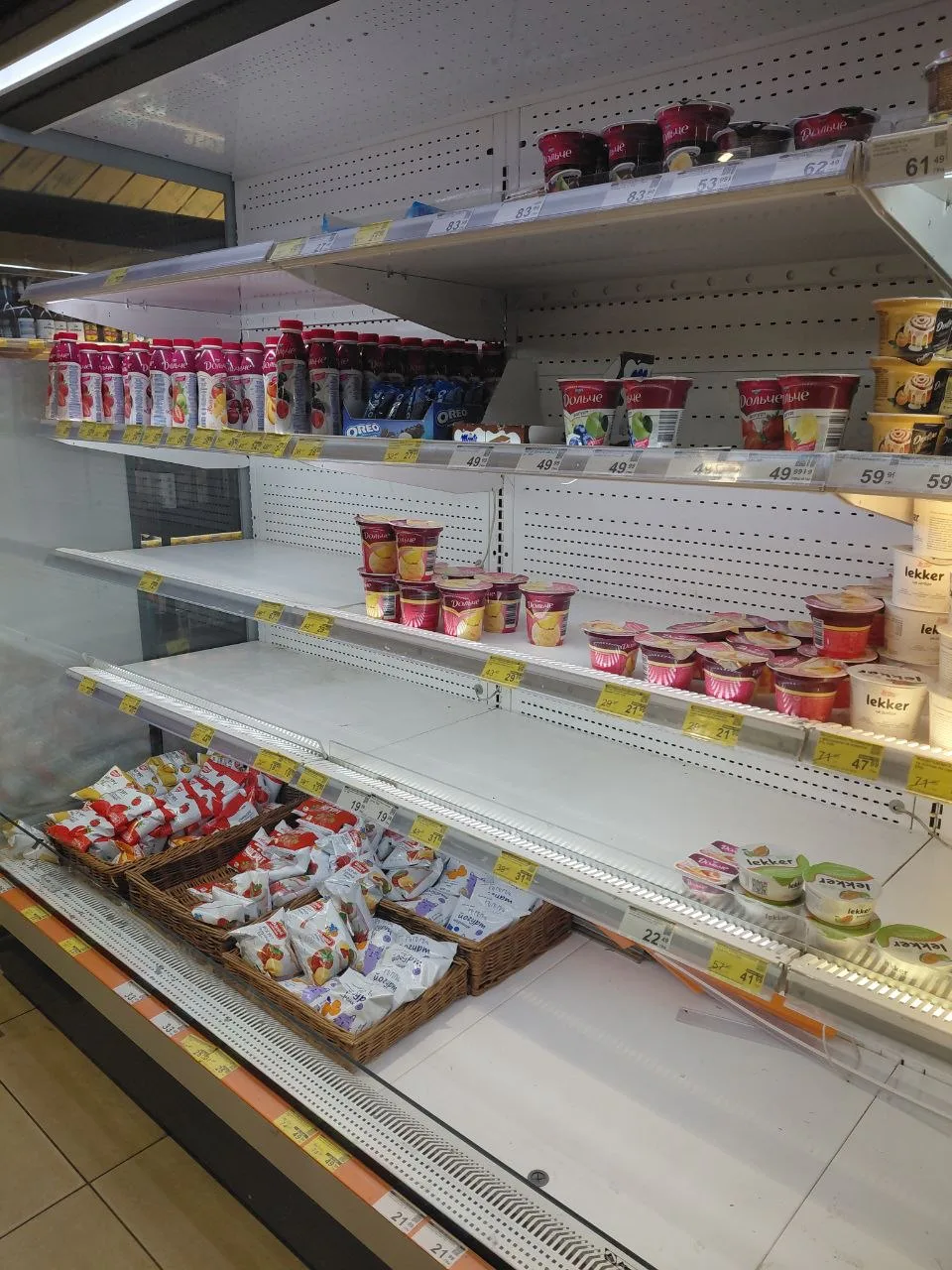
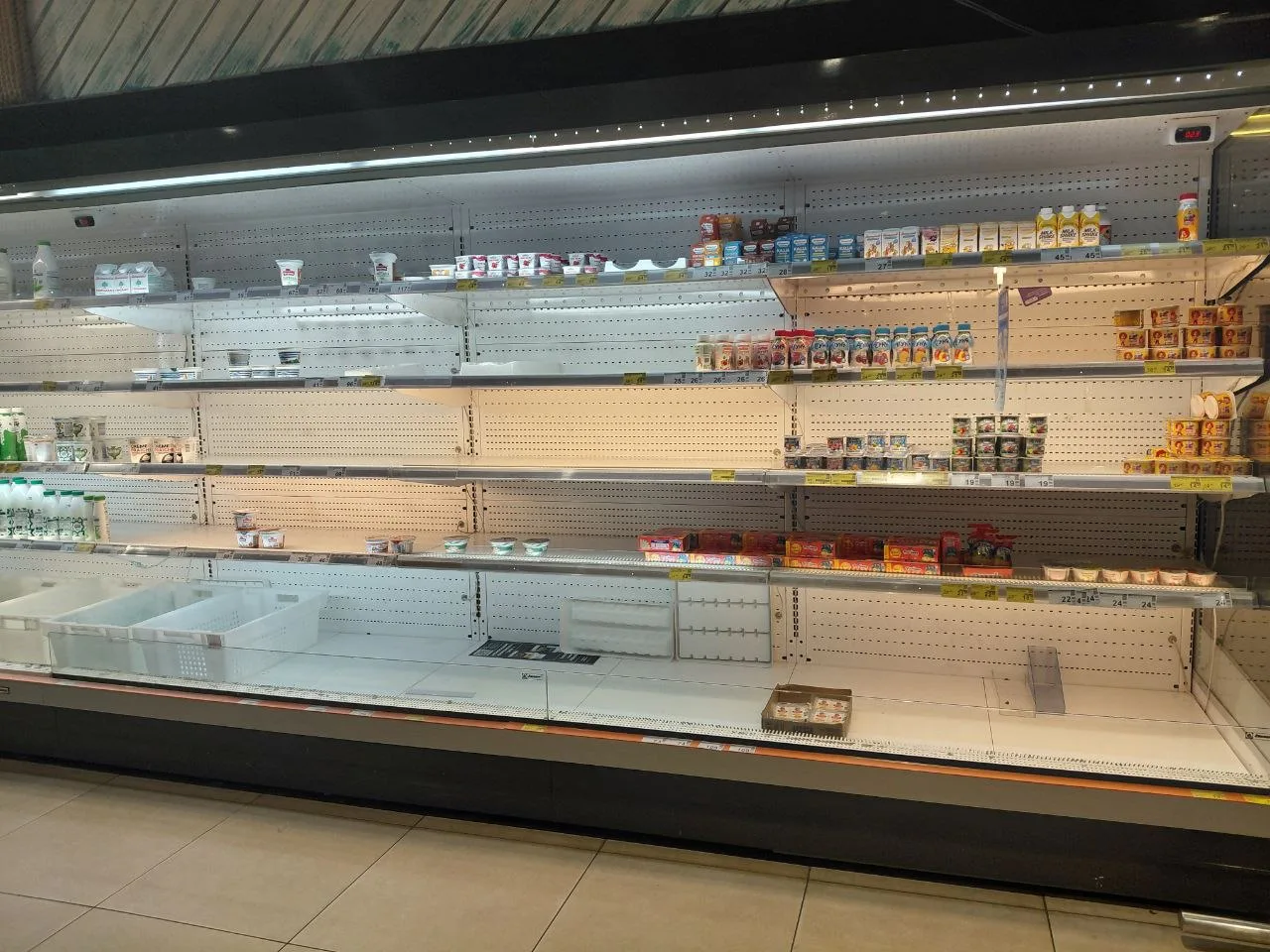
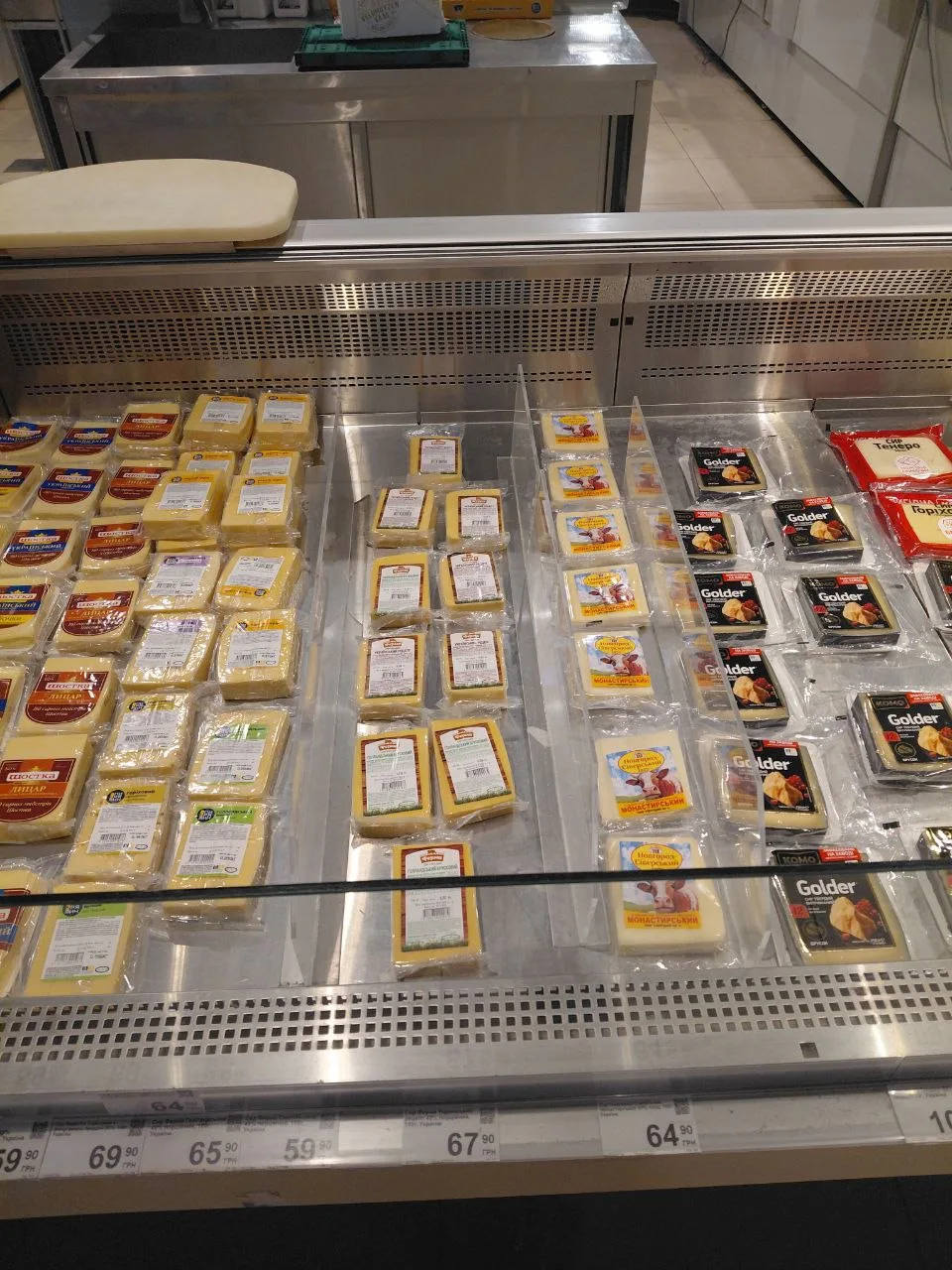
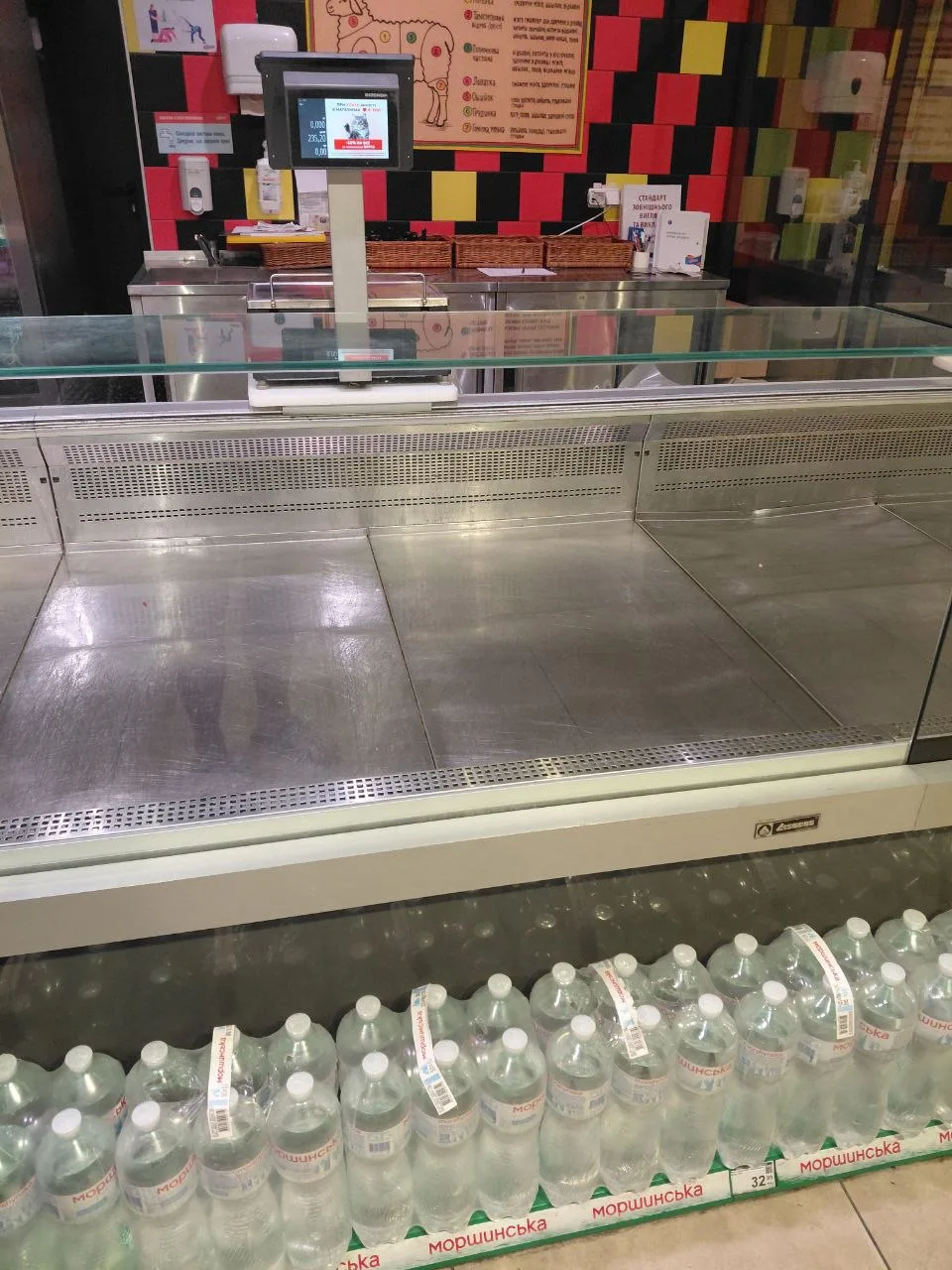
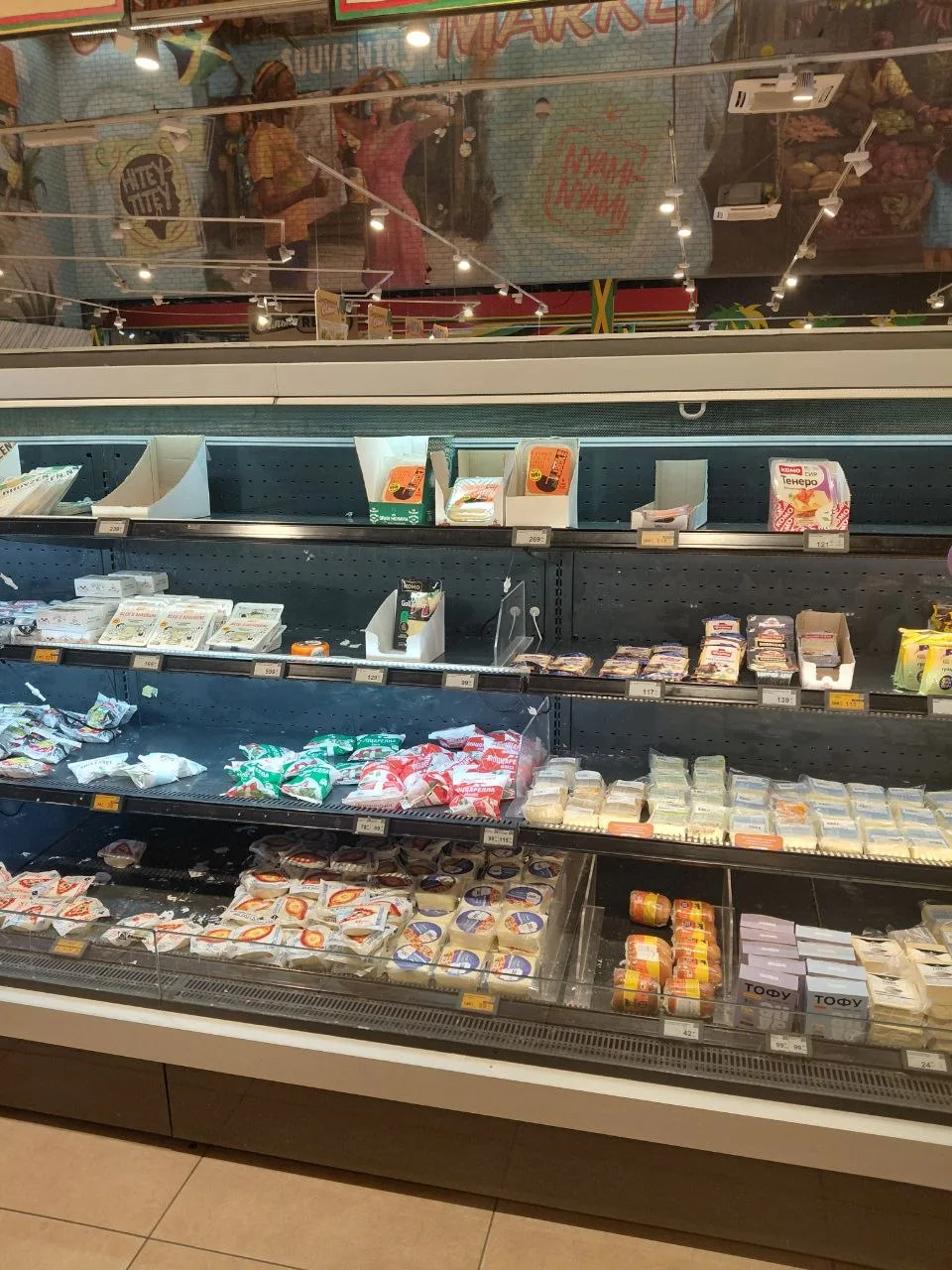
The expert also emphasizes the cost of fuel, the high congestion of roads, and the lack of agreements with partners regarding the export of Ukrainian products. According to him, this also applies to imports.
"Next, we move toward business. For them, the situation is slightly different, but, as a rule, they operate under a tolling arrangement, for the sale of goods. Some may even leave the market entirely because they will be unable to recover. Businesses need to develop a new logistics model and new, smaller warehouse premises," says Shevchyshyn.
He notes that the vacancy rate in Kyiv’s warehouse real estate market fell by 1 percentage point in the first half of 2026, reaching 2.5%; the available supply is unable to meet demand for large spaces.
"What remains are state-owned warehouse premises that the state has offered, and we understand the quality of these warehouse premises. They need to be put in order and utilities brought in. These are additional burdens and additional funds that need to be available and directed toward investment. For restoration, the purchase of new goods, and, accordingly, losses incurred because goods disappeared or burned down. Insurance risks are good, insurance is good, but insurance does not cover everything, nor the entire amount," the analyst notes.
He emphasizes that the dispersal of goods among warehouses could lead to an increase in prices.
"Potentially, we could see an increase of 5% to 10% until the market recovers," Shevchyshyn adds.
Moreover, according to him, due to the shelling, consumers will face shortages of certain groups of goods, whose prices will ultimately rise, as the costs of new goods, a new warehouse, new logistics, and so on will have to be factored in.
"But this is not a catastrophe. Yes, there will be no promotional goods. Some premium-class goods that had low demand will not be available," the expert concluded.
2026 Harvest: Ukraine has already harvested nearly half of its fields11.08.26, 12:55 • 21088 views