










Not all have become cheaper: prices for medicines not included in the Ministry of Health's list have increased in Ukraine
Kyiv • UNN
The Ministry of Health has approved a list of medicines that should become cheaper, but prices have not fallen for all. Drugs that were not included in the list rose in price by 5-10% in March, in particular, analgin and loratadine became more expensive.

The Ministry of Health has approved a list of more than 100 medicines that should become 30% cheaper. However, according to analytical data, prices have fallen by only 25%, while the cost of other drugs not included in the list continues to rise. In March, the price of drugs that were not included in the TOP 100 increased by 5-10% compared to February, UNN reports.
On March 1, Cabinet of Ministers of Ukraine Resolution No. 168 on reducing drug prices, adopted in pursuance of the decision of the National Security and Defense Council of Ukraine, came into force. According to the government decree, the Ministry of Health approved a list of medicines that should become 30% cheaper. Currently, the list consists of more than a hundred drugs, and in the near future, the Ministry of Health promises to add about 160 more drugs to it.
Medicines that made it to the TOP 100 have indeed become cheaper, although not by the full 30%. According to research by analytical platforms, their price has fallen by an average of 25%. This made it possible to return drug prices to the level that was in the summer-autumn of 2024.
It is worth noting that the reduction in drug prices did not become a serious blow to manufacturers, because in two years (2023-2024) they managed to form a "safety margin" due to a systematic increase in prices. In general, the cost of medicines has increased by an average of 30% over two years, which actually compensated manufacturers for the discount to which they were forced by the state.
At the same time, along with the obligation to reduce the cost of some, but not all, drugs by 30%, manufacturers also received a significant preference. The government allowed them not to conclude marketing agreements with pharmacies, that is, to give a discount to retail on their goods. Thus, manufacturers additionally freed up about UAH 500 million, which was previously included in the price of drugs for their promotion.
That is, it would be logical for the prices of all medicines of domestic production to decrease by about 30%, which was previously included in the manufacturer's selling price as marketing costs. However, the analysis shows that drugs that were not included in the TOP 100 not only did not become cheaper, but their price continues to rise.
For example, the Ministry of Health's list includes the drug "Loratadine" manufactured by the company "Darnitsa", its price is fixed at UAH 41.50.
However, the same drug from other Ukrainian manufacturers continues to rise in price. On average, this drug has risen in price by 5-10%.
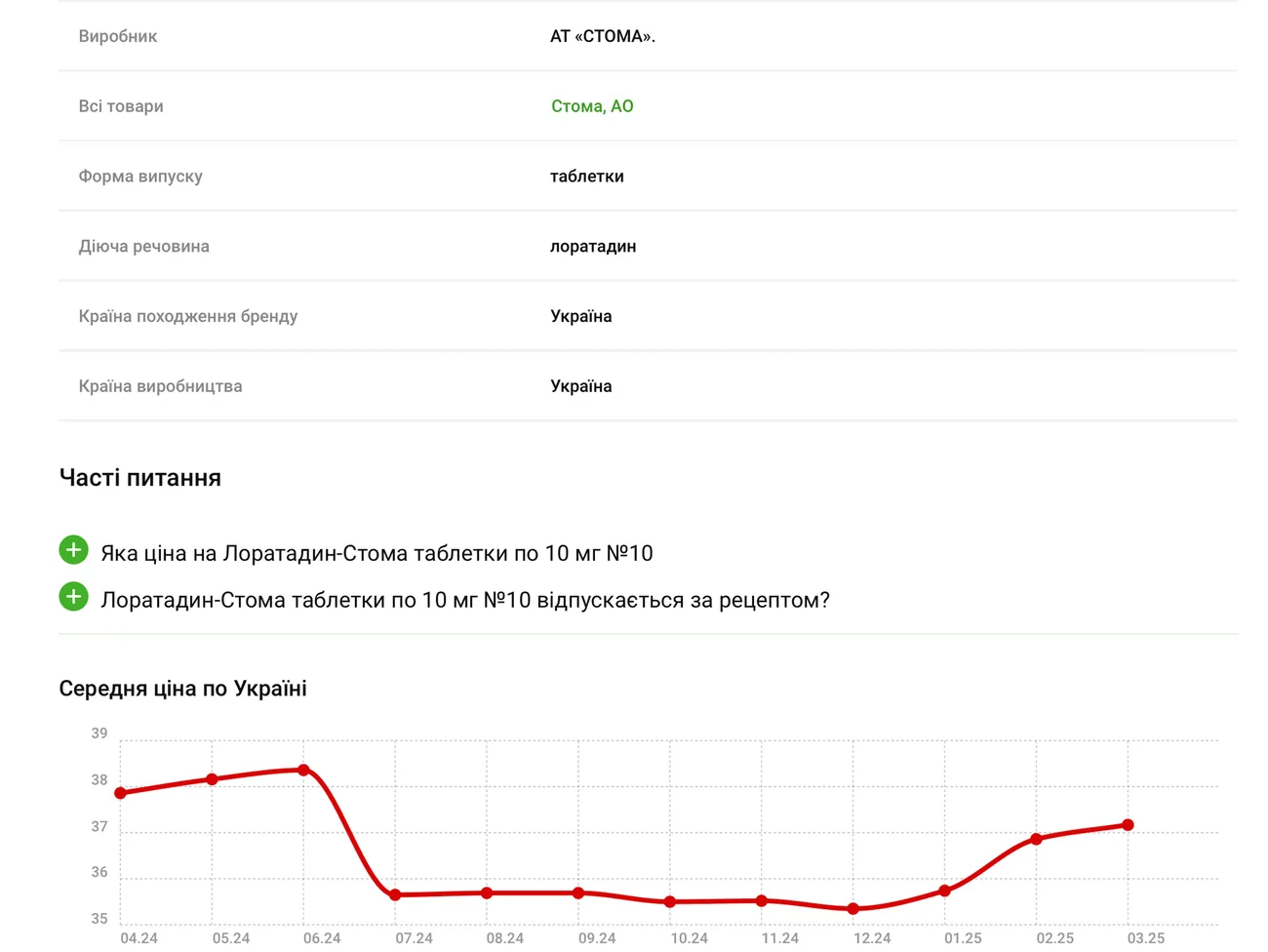
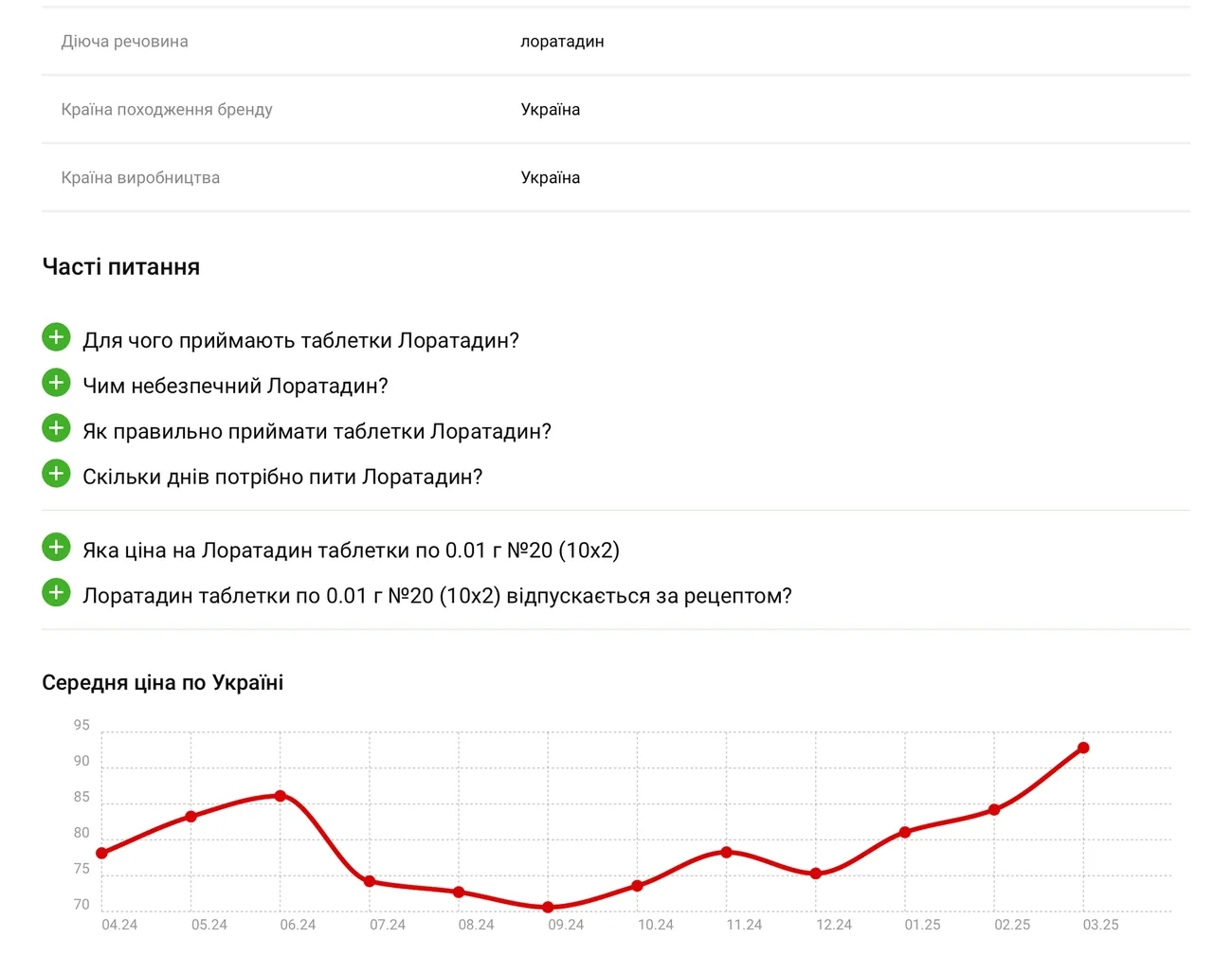
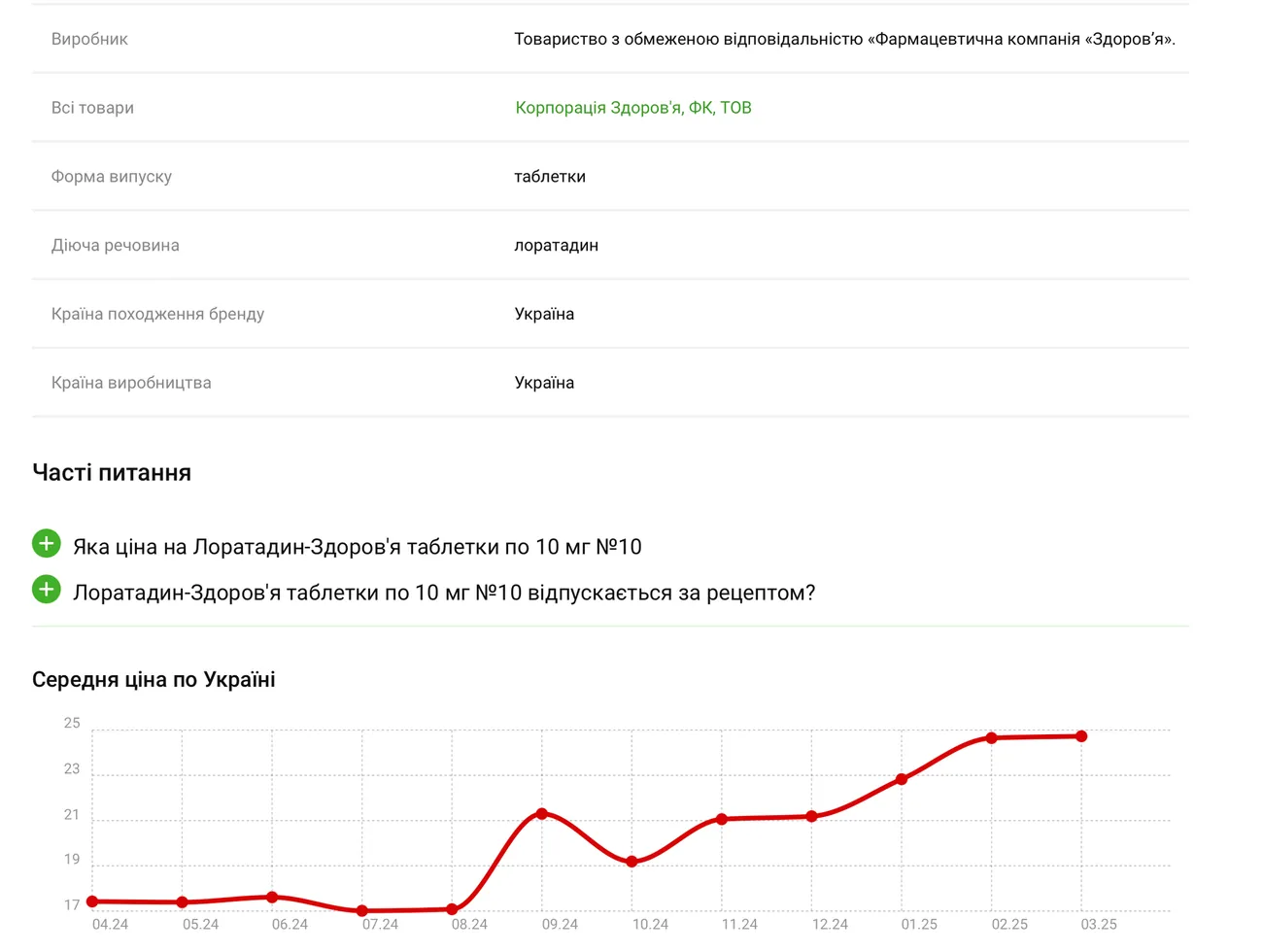
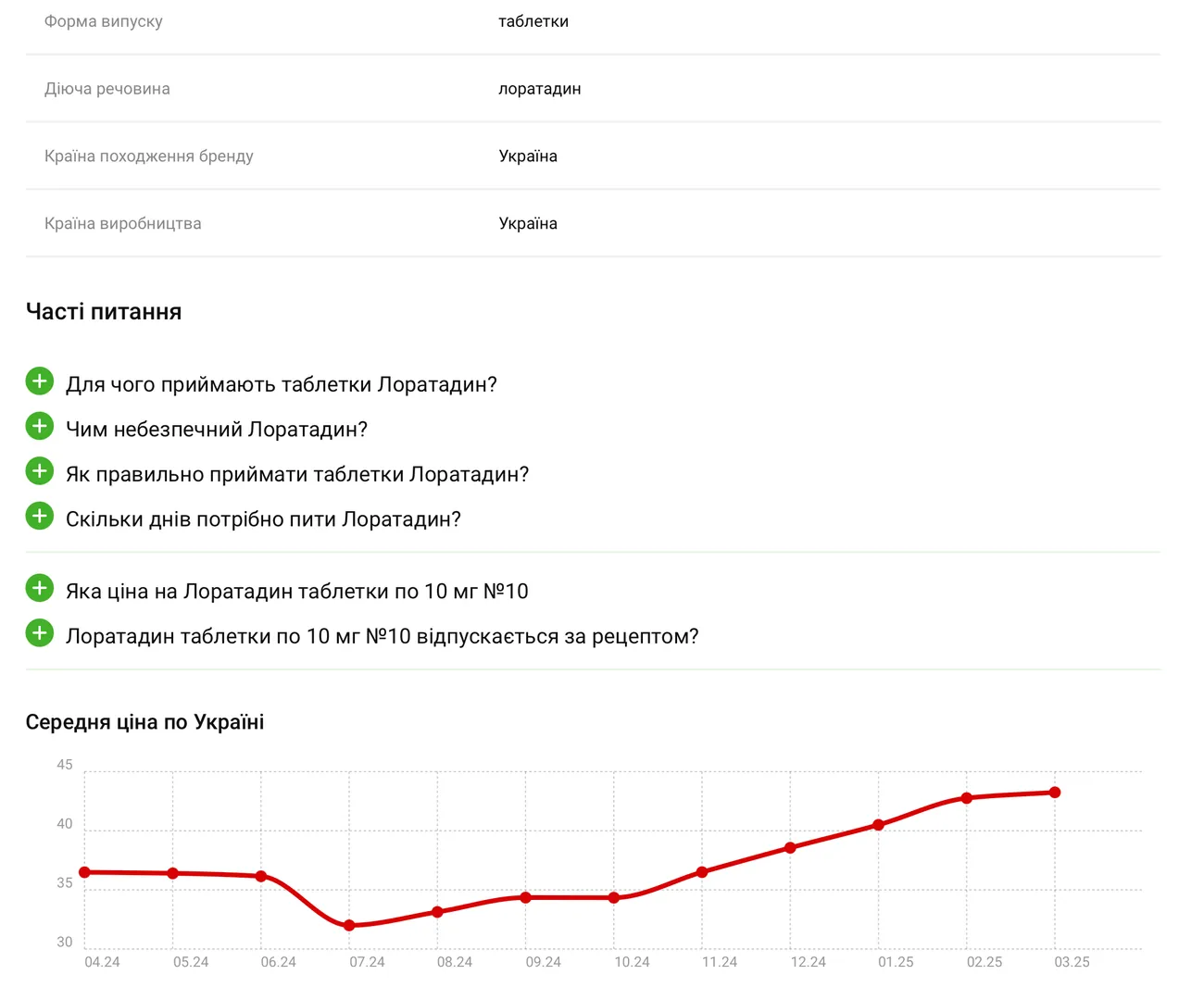
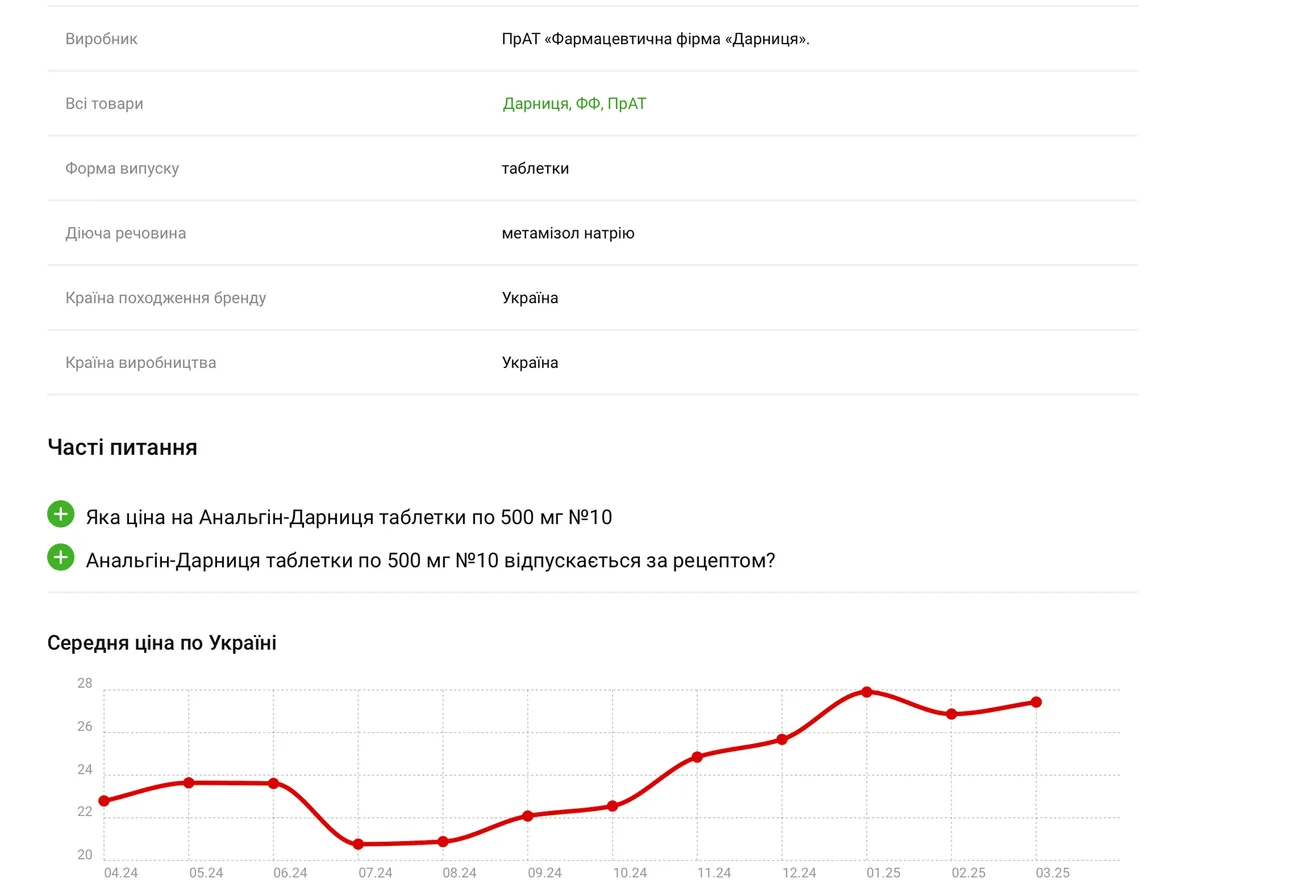
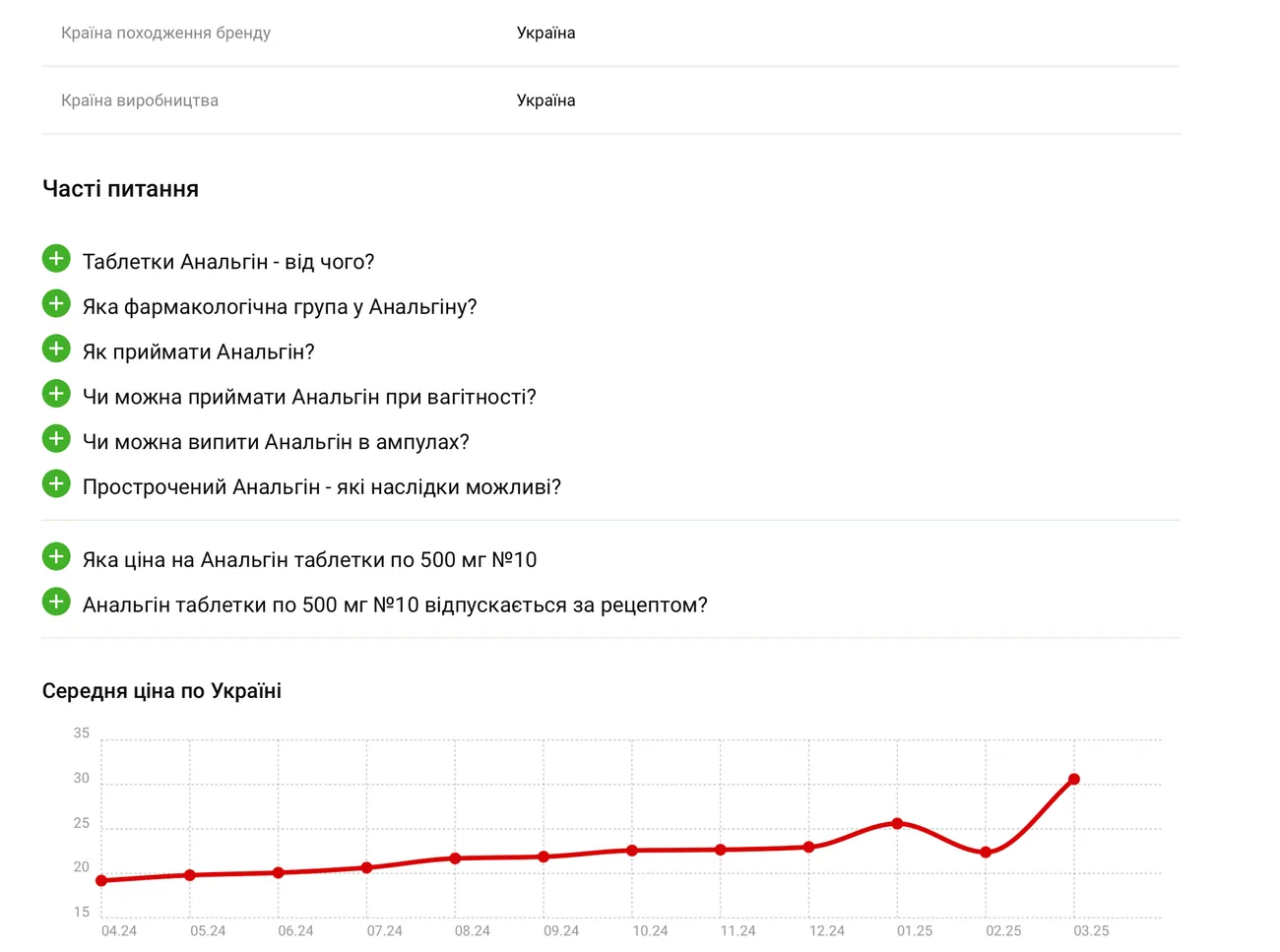
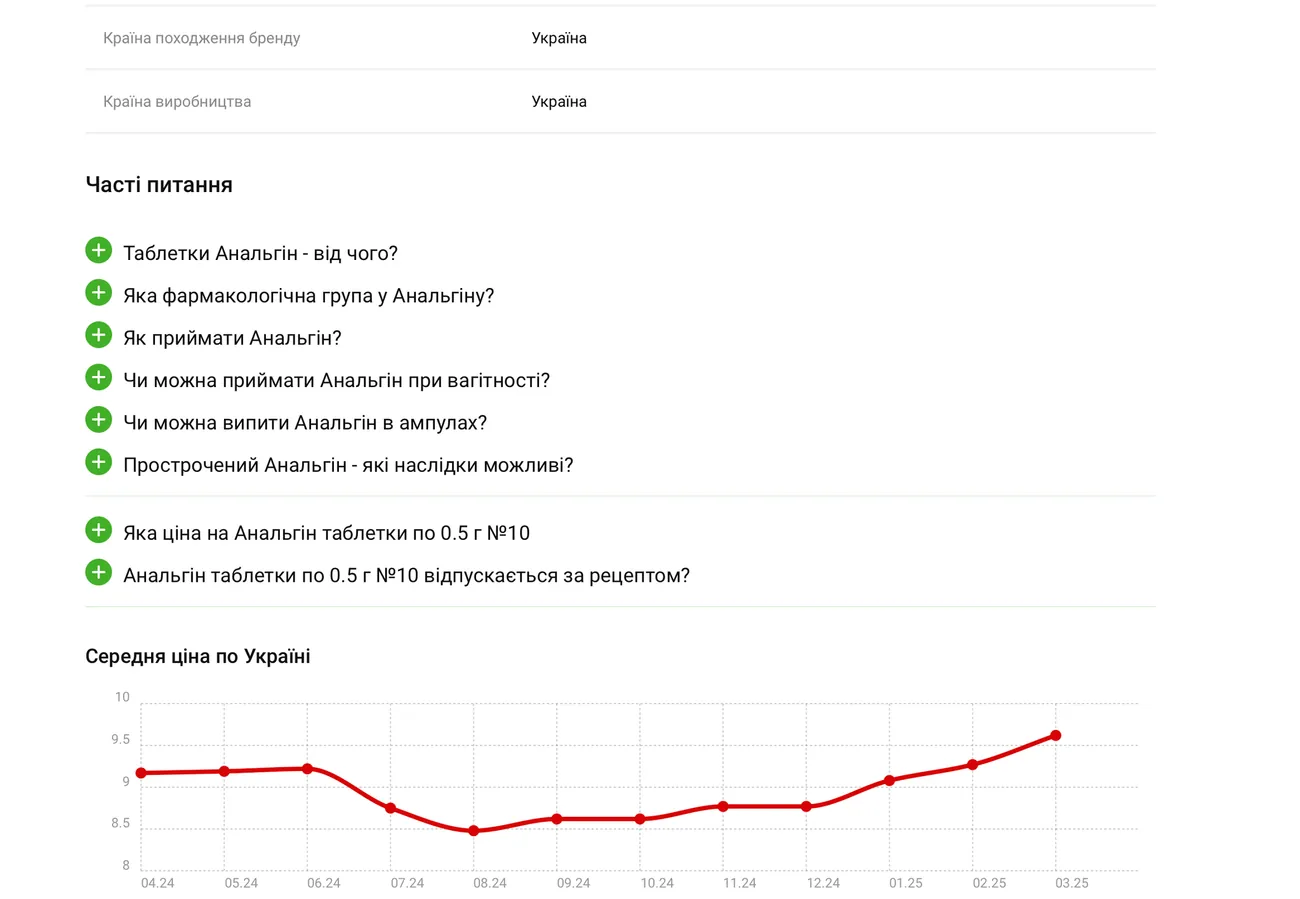
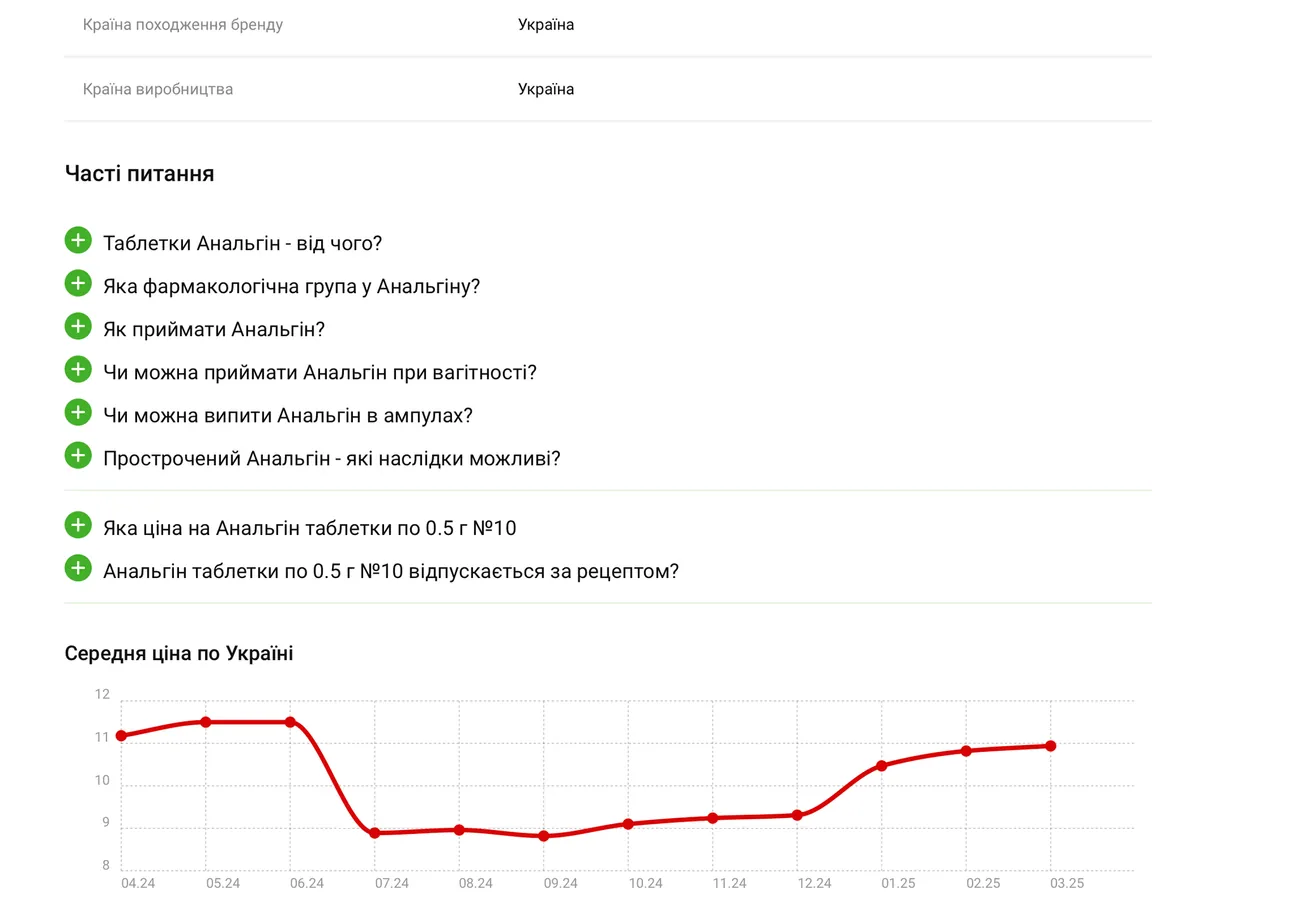
The well-known pain reliever "Analgin", which was not included in the TOP 100, has also become more expensive. As in the previous case, this drug began to rise in price in March. Its price also increased by an average of 5-10%.
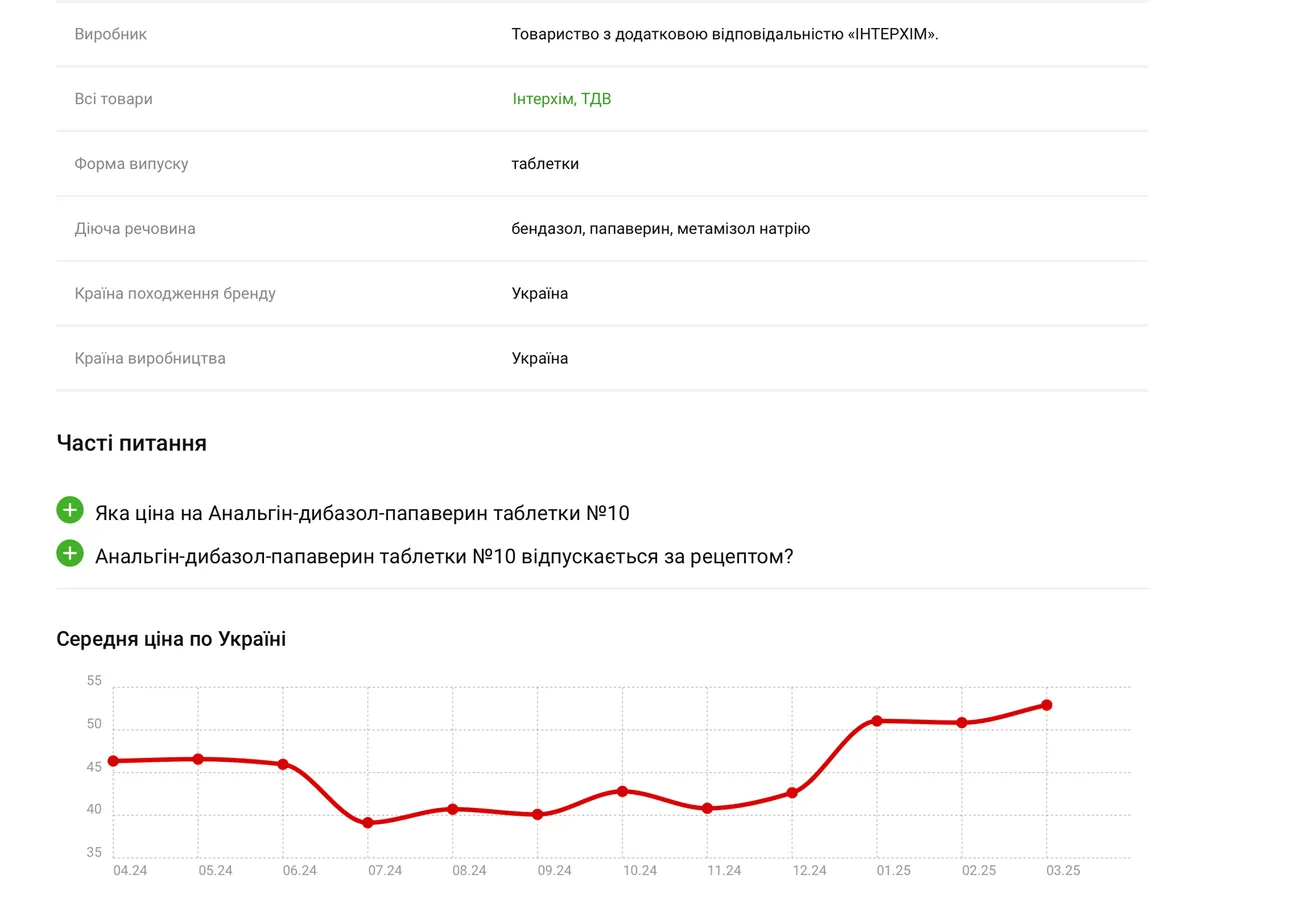
Previously, thanks to marketing agreements, pharmacies could make their own discounts for patients and sell medicines cheaper, as well as develop social projects. However, after the ban on marketing, pharmacies lost this opportunity. Moreover, in order for the business not to lose the opportunity to work, retail is forced to increase the margin.
Before the introduction of the new regulation, pharmacies had been reducing the markup on drugs for the past few years, reducing it to an average of 10-15%. However, after the ban on marketing, they are forced to increase it to the maximum permitted 30%.
So the problem is complex: on the one hand, manufacturers are not ready to lose super profits, and on the other hand, retail has no choice but to increase margins. Ultimately, patients suffer, because they are again faced with rising drug prices.
Let us remind you
According to the State Tax Service, Ukrainian pharmaceutical manufacturers in 2024 paid the least taxes in the industry, which raises questions about possible shadow schemes and unfair fiscal burden. Thus, legal entities and individual entrepreneurs engaged in retail trade of medicines in pharmacies paid about UAH 5.4 billion in taxes to the budget in 2024. Distributors in the same year brought more than UAH 9.7 billion to the state budget. Manufacturers, on the other hand, only slightly more than UAH 4.5 billion.
According to economist Oleh Hetman, such a market model, where manufacturers pay the least taxes, looks strange and may indicate the use of tax evasion schemes.
According to the Opendatabot service, in 2024, the income of only the three largest plants amounted to almost UAH 23 billion, in particular, the income of the "Darnitsa" plant amounted to more than UAH 6.8 billion, "Farmak" - UAH 10.7 billion, and "Arterium" - UAH 5.2 billion.
Let's add
At the end of February, law enforcement officers searched the "Darnitsa", "Farmak" and "Arterium" pharmaceutical plants in Kyiv. The name of the fourth enterprise, where investigative actions were also carried out, has not yet been officially disclosed.
The Kyiv City Prosecutor's Office informed UNN that it concerns possible misappropriation of state and budget funds by officials of pharmaceutical manufacturers, who, according to the investigation, entered into a criminal conspiracy with representatives of one of the distributors in the western regions of Ukraine. According to the case materials, officials established an illegal mechanism for selling medicines at inflated prices to state and communal medical institutions, which later made it possible to seize funds and legalize them.
As a result of actions that qualify as abuse of office and money laundering, the budget suffered losses in the amount of UAH 3.15 million. Five people in this case have already been notified of suspicion of legalizing (laundering) proceeds of crime.