










What you can save on when raising a child during wartime: life hacks for mothers of children aged 0 to 16
Kyiv • UNN
Learn how to save money on a child in each age category during wartime by shopping smartly and utilizing free opportunities. From basic clothing for toddlers to financial literacy for teenagers – advice for parents.

At a time when every hryvnia counts, parents are looking for ways to provide children with everything they need while avoiding unnecessary expenses. Even during the war, it is possible to find a balance to shop wisely and use free opportunities for children's education and leisure. UNN investigated how to save money on a child of every age category during the war.
0–3 years
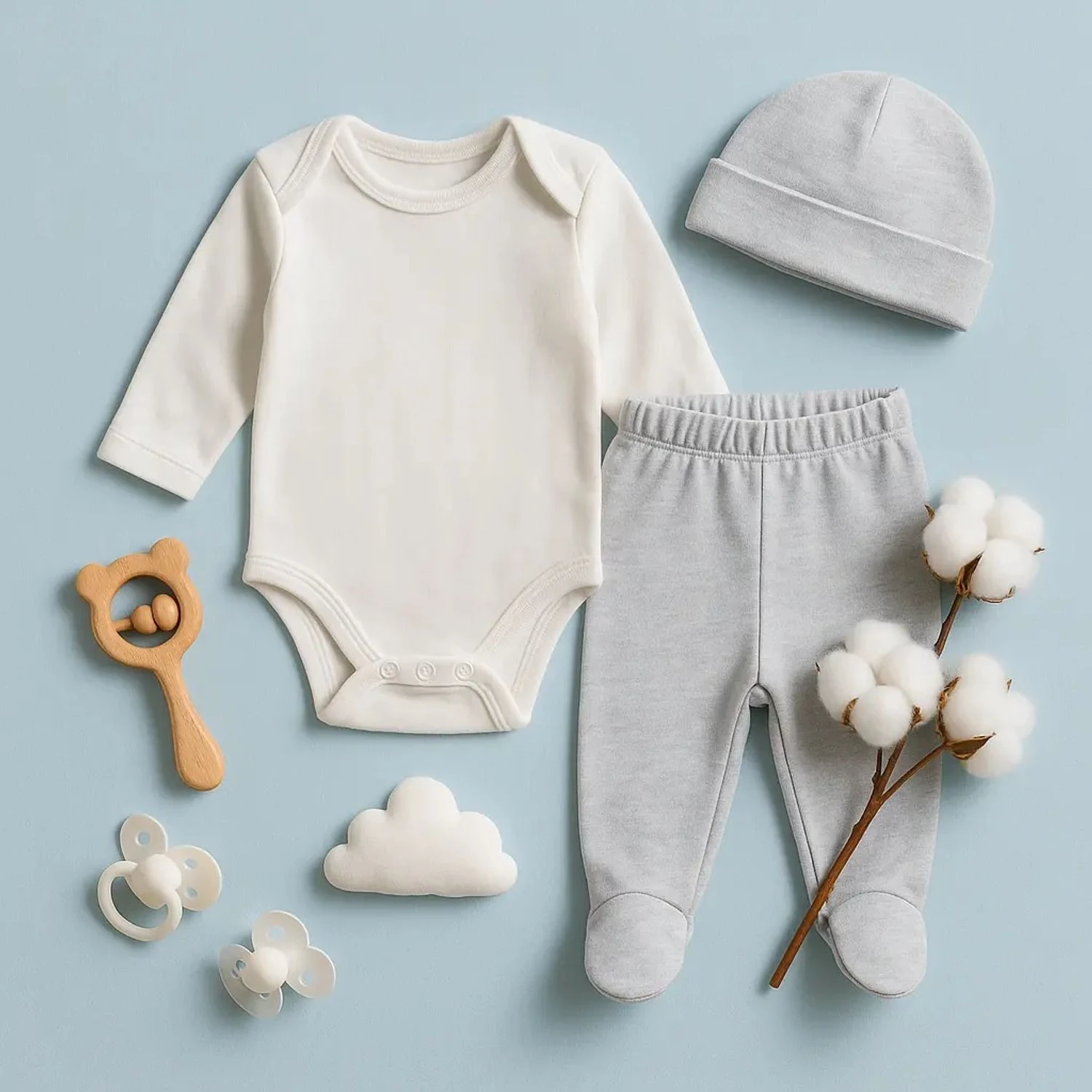
Buy basic, non-branded clothing. Babies grow very quickly, and clothes are often worn for 1–2 months without having time to wear out, so it is better to choose quality but inexpensive items, for example, from Ukrainian manufacturers. There is also an option to exchange clothes in local mom groups ("Moms of Lviv", "Moms of Kyiv", etc.).
Buy diapers in large packages or through wholesale websites – this reduces the price by 25-30%. At home, you can use reusable diapers. Baby food can also be prepared independently – it doesn't take much time, and moreover, you will be confident in the content of each puree. Homemade vegetables, apples, pumpkin, carrots are much cheaper than jars, and ready-made packs can be used on the go.
Much of the baby cosmetics for infants is just marketing. Most only need one quality cream, a neutral baby gel or soap, and powder. Playpens, strollers, cribs, and bathtubs can also be found in local groups or marketplaces. On OLX, Prom, or local chats, you can find items that have been barely used. Also, ask relatives or acquaintances whose children have grown up.
When my son turned two, I realized that the best saving is common sense. At first, I bought tons of toys, but he just sat and played with a child's plastic spoon. It served as both a shovel and a slingshot for him. Now I prioritize quality over quantity and don't buy out the entire store. I also often exchange things with other mothers and my sister, who also has a son, a little older than my Mykhailo.
Financial anxiety: what it is and how to cope12.06.25, 15:52 • 52143 views
3–7 years
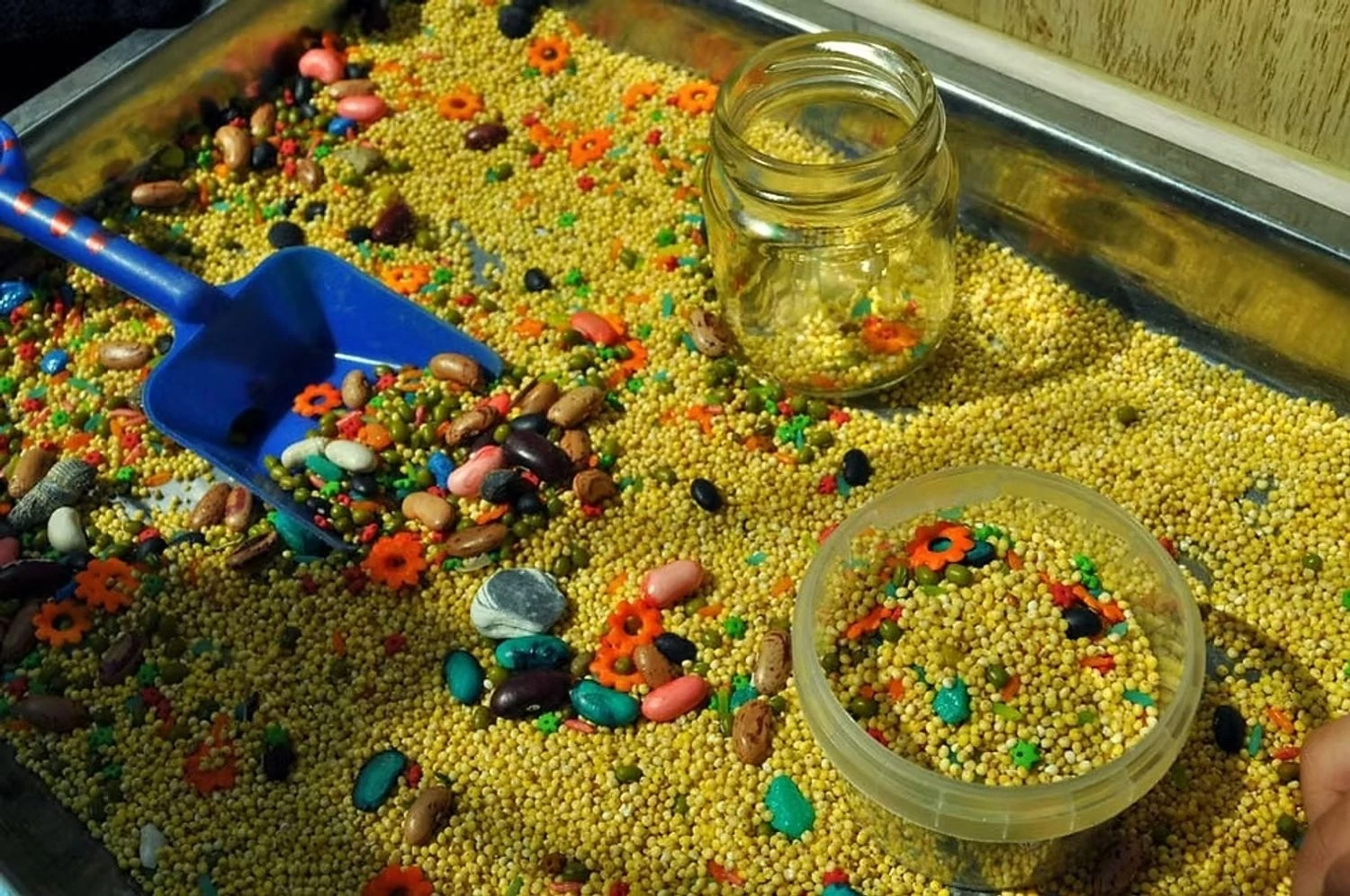
At this age, a lot of attention in a child's development is given to creativity, and it doesn't necessarily have to be expensive. Cardboard, buttons, cereals, old newspapers - all of this can become excellent material for applications and crafts. There's no need to buy expensive "craft kits" - the main thing is for the child to be interested in creating something with their own hands.
You can also get by with a modest set of children's books. Nowadays, they can be borrowed from a children's library, or you can use audio or e-books. In addition, you can arrange with other parents to exchange books.
The same principle applies to toys: don't accumulate, but rotate. Hide some toys, and a month later replace them with others. For the child, it will be like a "new item," and you won't waste money on new purchases unnecessarily. Organize a "children's item exchange" with friends: what has become too small for your child may be perfect for another. This is a simple way to save money and at the same time care for the environment.
Not all clubs always require payment. Schools and communal institutions often have free sections for drawing, singing, or dancing. If there are none nearby, you can use online classes - on YouTube or in thematic online communities - there are many of them, and they are available at any time.
As for food, instead of store-bought yogurts and sweet bars, it's better to prepare homemade snack options: muesli bars, smoothies, pastila. This is not only cheaper but also much healthier.
Sofiyka is four, and she demands a new toy every time she sees a store. Currently, my husband and I have come up with a legend: we "give" some old toys to fairies, and they give Sonya one new one in return. This way, I control the number of toys and see what my daughter actually plays with, and what just lies around gathering dust. From time to time, I hide some toys and take them out after a few weeks – they pique my daughter's interest again.
7–12 years
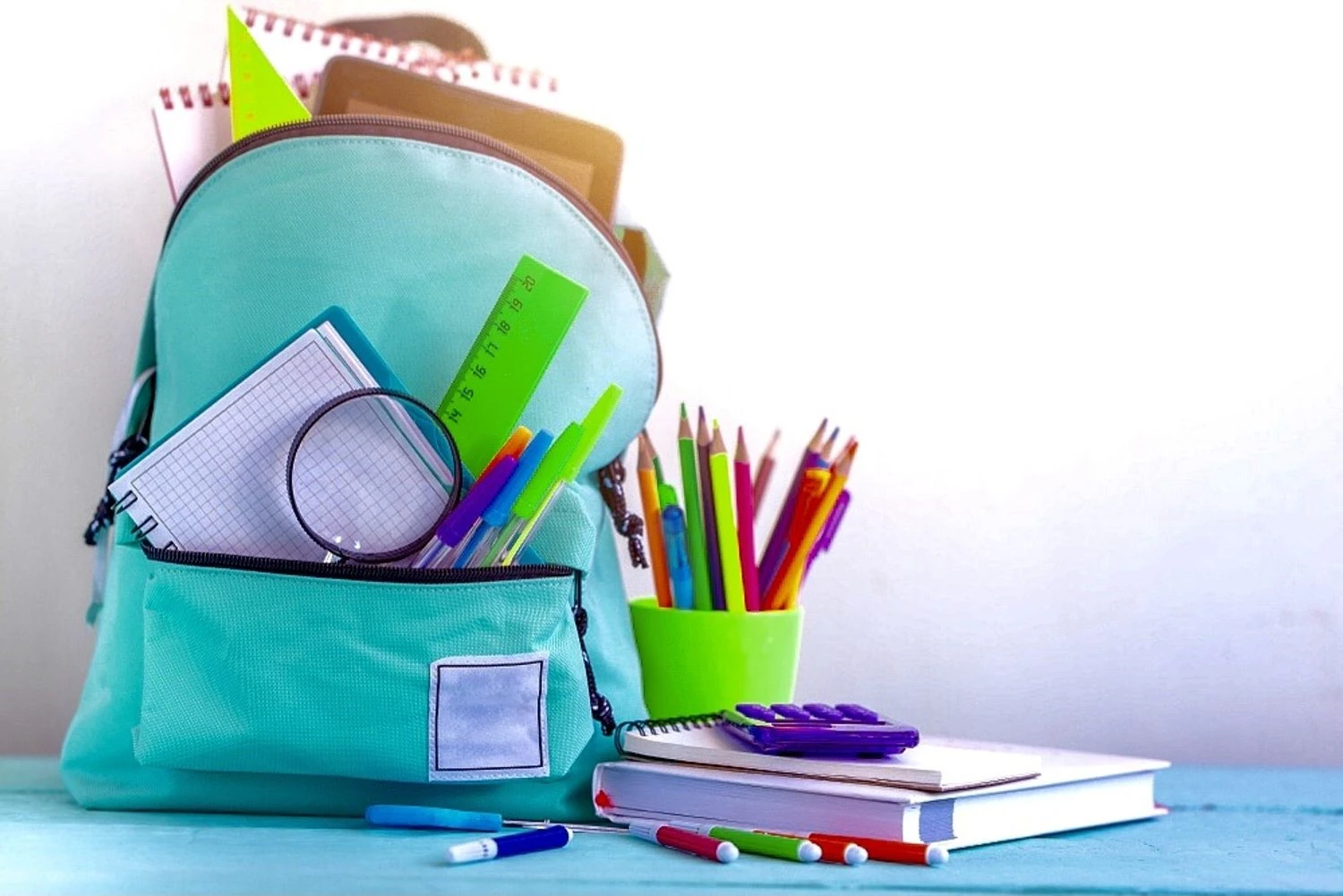
At this age, parents face a new challenge – getting their child ready for school without getting into debt. It's more profitable to buy stationery in bulk – one large purchase for the year will be cheaper and save time than monthly "small" expenses. The same applies to basic clothing and underwear accessories: socks, tights, panties, etc., are better bought in bulk rather than retail. It makes sense to take care of winter clothes and shoes in summer or autumn – during the off-season, there's an opportunity to find cheaper options.
As for learning, there is always an alternative to expensive courses in the form of online tutoring, YouTube lessons, and interactive platforms. The main thing is to show the child how it works, engage them, and spend time learning together with them.
If the child regularly travels to school by public transport, it is worth purchasing a travel pass or season ticket - this will help reduce travel expenses by almost 40% each month.
Leisure for a child at this age can also be arranged quite affordably, by giving them vivid impressions - a day spent with the family, a home cinema, or a pizza night will be remembered no worse than another toy or phone. The latter, by the way, should not be a subject of competition. A regular gadget that performs its basic function - allowing calls or sending SMS - is sufficient. At this age, a child still easily loses or damages things, and an overly expensive phone can be an imprudent purchase.
My daughter is now at an age where she wants everything to be "like the bloggers" - glitter, a glowing backpack, holographic sneakers. But I've learned some tricks: now, before each season, we review her clothes together and make a list of what she really needs. And we recreate ultra-fashionable items ourselves. For example, recently she was obsessed with a skirt with foil inserts. We took an old item, picked out similar glitter at a haberdashery store, and created a designer piece for her, in which she, by the way, filmed more than one TikTok video. She really liked that she created it herself. I tell her: saving is also creativity. And the child even finds it interesting when something cool comes out of simple things.
Subsidies for orphanages and large families: new rules13.06.25, 15:32 • 2659 views
12–16 years
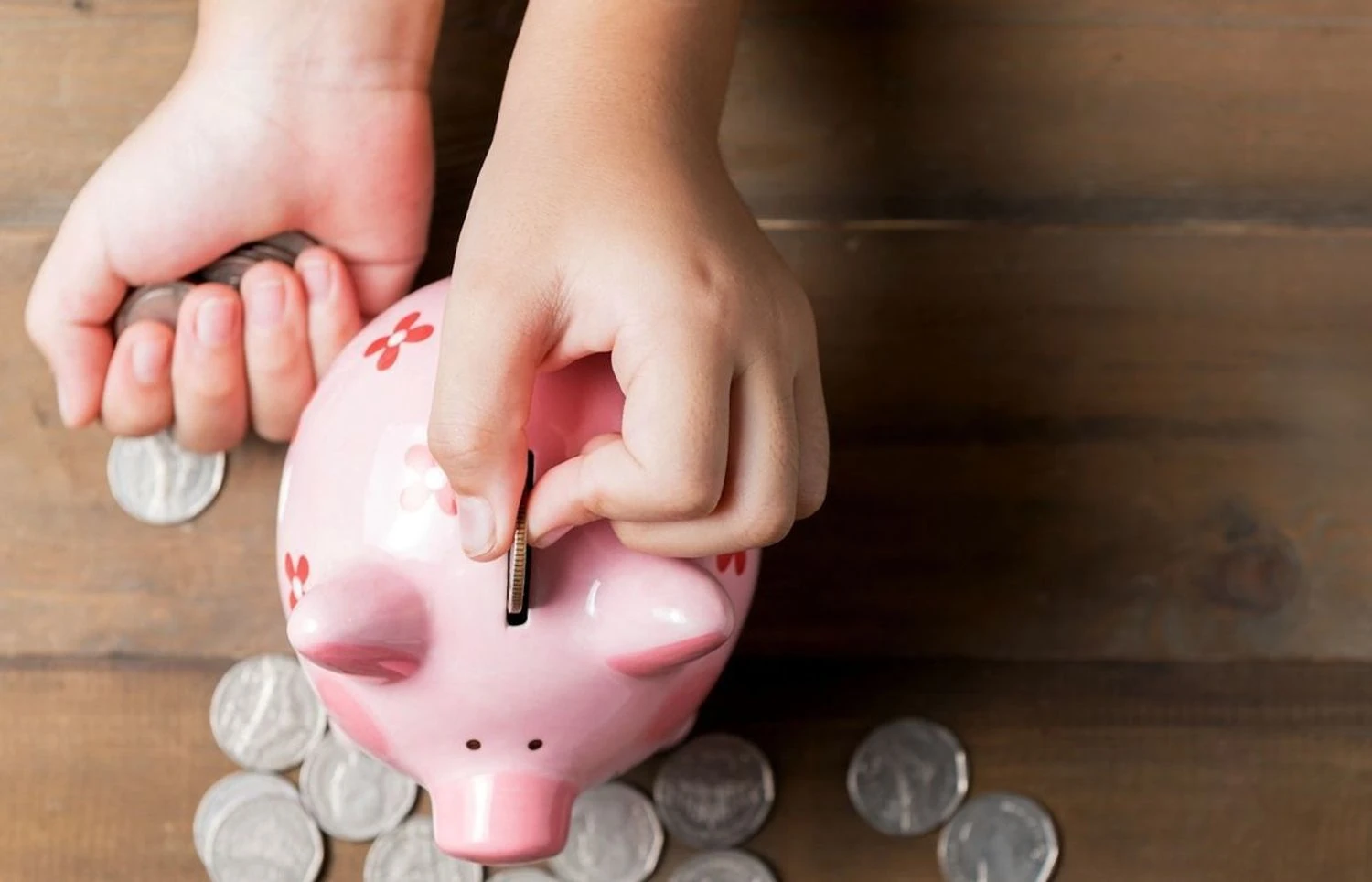
At this age, a child is old enough to be gradually taught how to handle money. Start by creating a pocket money budget. Determine a fixed monthly amount and allow them to plan their expenses independently. Even if not everything works out the first time, mistakes will become valuable experience.
It is useful to teach a teenager to earn money independently - to help with a family business, try freelancing, or seasonal employment. You can also find a volunteer project in your city with a small reward where a teenager can prove themselves - this will teach them to value work and money.
It is equally important to talk to your child about financial literacy and explain what savings accounts, cashback, and expense planning are, because saving is not about restrictions, but about conscious choice.
Regarding clothing – all the same rules apply as for children of other age categories, with a slight amendment that at this age, teenagers strive to express themselves through their appearance and often do not trust their parents to put together "looks" for them. Help your child distinguish between fashion and style. The latter does not depend on the price of items, because a stylish and unique look can be assembled even in a second-hand store, diluting it with interesting accessories. What you should not save on is quality shoes and outerwear.
Entertainment can also be affordable: walks in parks, outdoor sports, outdoor gyms, free events and concerts. To prevent the teenager from getting bored, you need to help them organize a company of like-minded people, for example, create a neighborhood basketball team or arrange quest tours with classmates.
Saving on a teenager is not about "buying cheaper." They need so many things: technology, cool sneakers, and a new, cool model bicycle. But my husband and I decided to stick to the scheme "it's better to buy quality once than to throw away 3 times." Instead of very expensive brands, we look for things that also look stylish, but at the same time withstand Matviy's pace of life - sneakers that won't fall apart in a week, a backpack that will survive school and training. Gadgets go through family approval: why, is it really necessary. If we conclude that it is necessary, we will try to make such purchases by a certain day: the end of the school year, New Year, etc. And we also agreed: if you want something expensive - you earn part of it yourself. This is a great way to appreciate work and money.