










Ukraine celebrates Unity Day: what this day means for Ukrainians
Kyiv • UNN
On January 22, Ukraine celebrates Unity Day in honor of the proclamation of the Act of Unification of the UPR and WUPR in 1919. This event became a symbol of Ukrainian state-building and unity.

Today, January 22, Ukraine celebrates Unity Day. The event was established in 1999 in honor of the proclamation in 1919 of the Act of Unification of the Ukrainian People's Republic and the Western Ukrainian People's Republic, writes UNN.
According to the decree of the President of Ukraine Leonid Kuchma from 1999, "taking into account the great political and historical significance of the unification of the Ukrainian People's Republic and the Western Ukrainian People's Republic for the formation of a united (soborna) Ukrainian state," Ukraine established the Day of Unity of Ukraine, which is celebrated annually on January 22 - on the proclamation in 1919 of the Act of Unification of the Ukrainian People's Republic and the Western Ukrainian People's Republic into a single independent state.
For some time, starting in 2011, according to a decree of the President of Ukraine (at that time Viktor Yanukovych), Unity Day was renamed "Day of Unity and Freedom of Ukraine." However, in November 2014, by a decree of the President of Ukraine Petro Poroshenko, the holiday's name was restored.
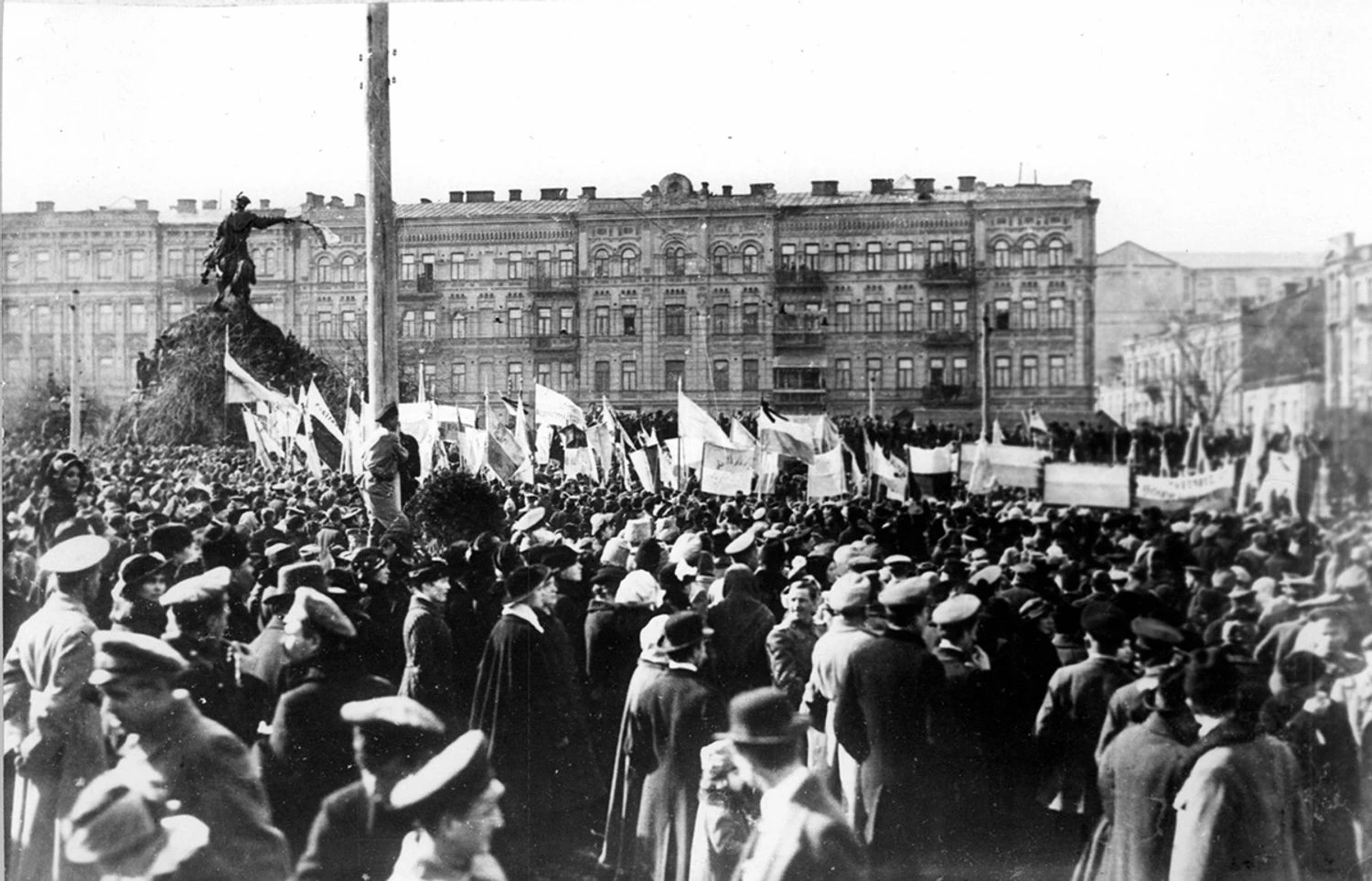
It was on this day, in 1919, on Sofia Square in Kyiv, in a solemn atmosphere, that the Act of Unification of the Ukrainian People's Republic and the Western Ukrainian People's Republic into a single independent state was proclaimed.
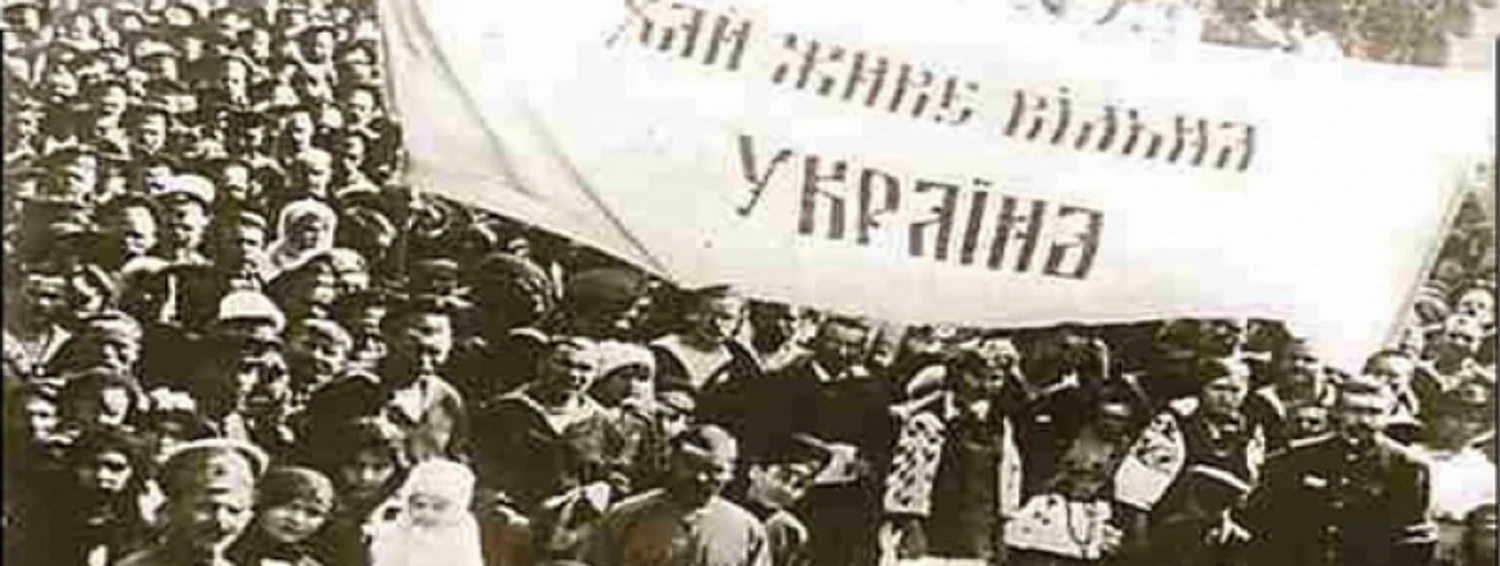
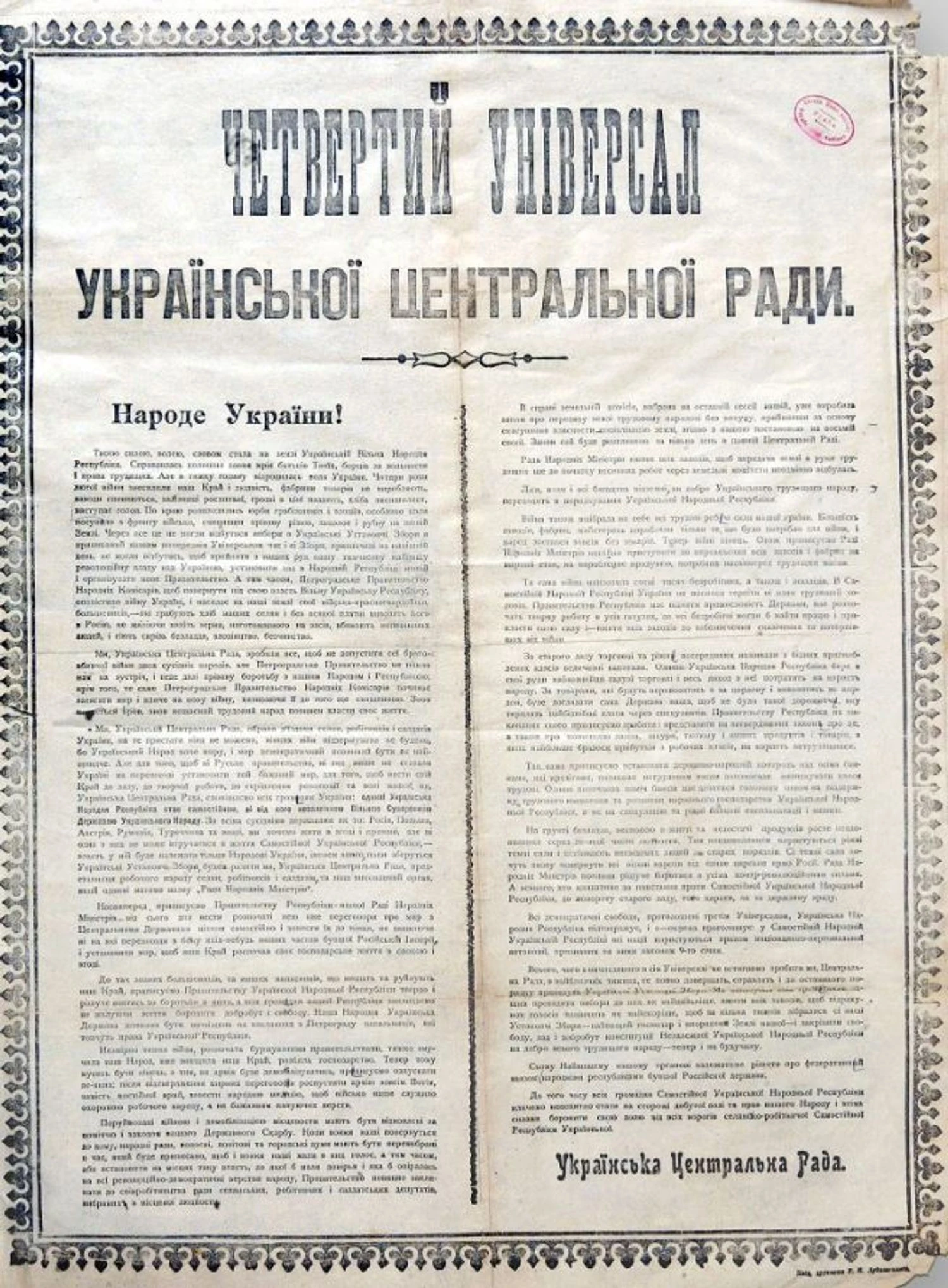
The "Universal of Unity" read at the meeting, in particular, stated: "From now on, the parts of a single Ukraine, separated for centuries – the Western Ukrainian People's Republic (Galicia, Bukovina, Hungarian Rus') and the Great Dnieper Ukraine – merge into one. The age-old dreams, for which the best sons of Ukraine lived and died, have come true. From now on, there is a single independent Ukrainian People's Republic." This day became a symbol of Ukrainian state-building, embodying the unifying aspirations of Ukrainians for consolidation in one state.
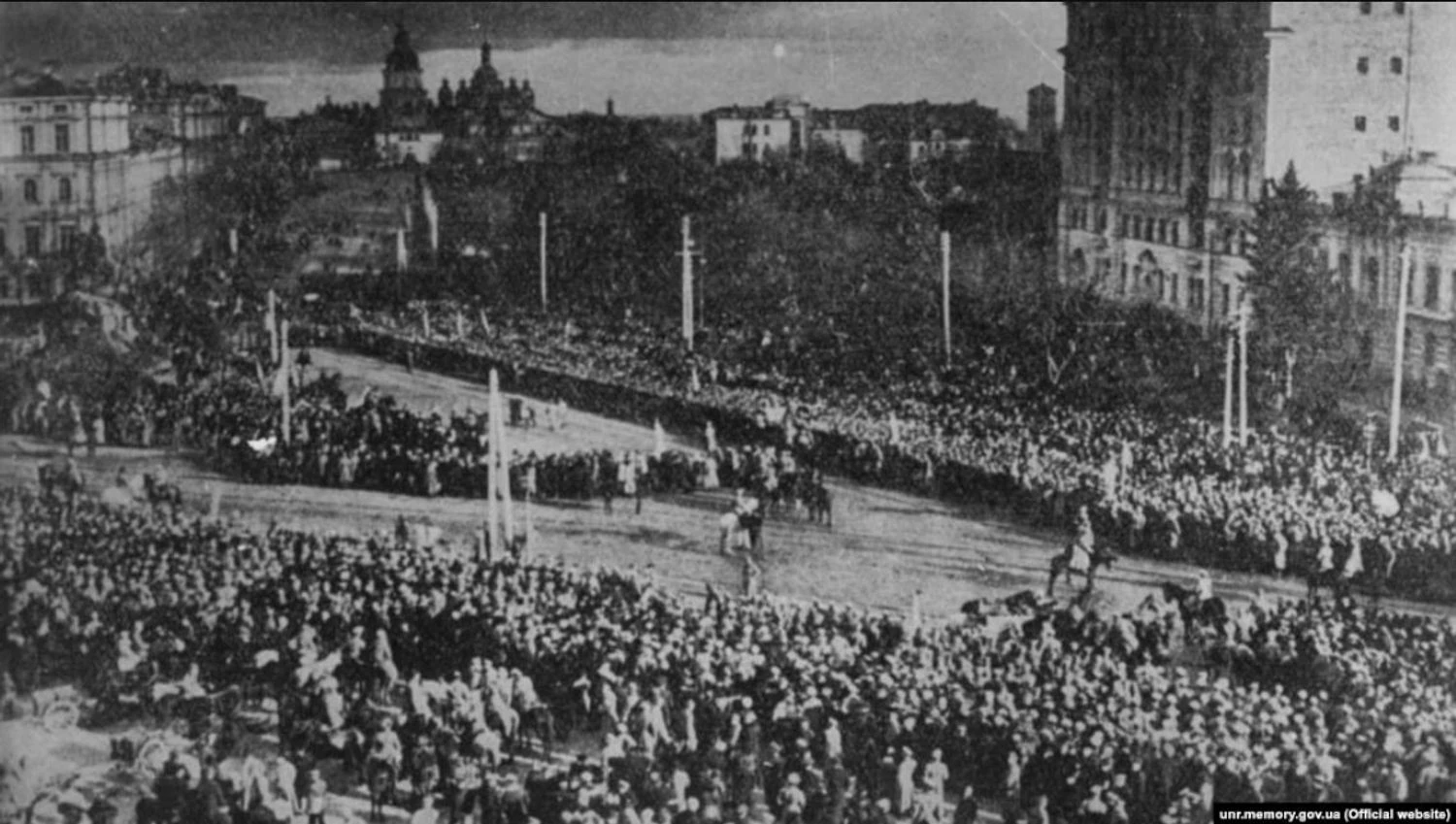
The proclamation of the Unity of the UPR and WUPR on January 22, 1919, is a historical act of uniting Ukrainian lands into one state. This event is fundamental for Ukrainian state-building. It completely refutes the claims of Russian propaganda that Stalin first united Ukrainian lands in 1939. The idea of Ukraine's unity was key for the next generation of participants in the Ukrainian liberation movement in the 20th century.
The Act of Unification on January 22, 1919, crowned the unifying aspirations of Ukrainians from both parts of Ukraine – the Dnieper region and the Dniester region – at least since the mid-19th century.
The next day, January 23, 1919, in the building of the Kyiv Opera House (modern National Opera of Ukraine), the Labor Congress of Ukraine discussed the mentioned documents and approved them. By thus ratifying the Universal of the Directory of the UPR, the Congress gave it legal force.
President of the UNRada Yevhen Petrushevych was soon elected to the Directory. After unification with the UPR, the WUPR changed its name to the Western Region of the Ukrainian People's Republic. Active cooperation began between the two state entities in economic, military, and cultural spheres.
Unity implies not only memory of the past but also requires cohesive joint work and interaction in modern Ukraine, when we, from different regions, communicate, work together, and create something significant and important. Unity is inseparable from the sovereignty and real independence of the people; it is the foundation for building a democratic state, a guarantee of the nation's survival and existence.
National unity is not only a basic value for the country's citizens but also a necessary prerequisite for successful resistance to external aggression.
Today, Ukraine continues its struggle for independence and unity. Therefore, unity remains on the agenda of national tasks.