










How to help pets with stress - veterinarian's advice
Kyiv • UNN
Veterinarian Yelyzaveta Babiy explained how to recognize signs of stress in pets and when to seek professional help. She explained the differences in stress manifestations in cats and dogs, as well as the danger of chronic stress.

Stress in pets is not just a temporary mood change, but a condition that can have serious health consequences. Elizaveta Babiy, a veterinarian, told UNN journalist more about how to recognize the signs of stress in pets, how to help independently, and in what cases it is worth seeking help from a specialist.
How stress manifests in cats
The veterinarian explains that the manifestations of stress in cats and dogs are different, and therefore the approach to help should also differ. According to the doctor, in cats, stress usually goes through several stages and does not always manifest sharply, so it is important for owners to distinguish between a short-term emotional reaction and a prolonged behavioral disorder. If the animal's condition does not pass or deepens, this is a signal of a problem.
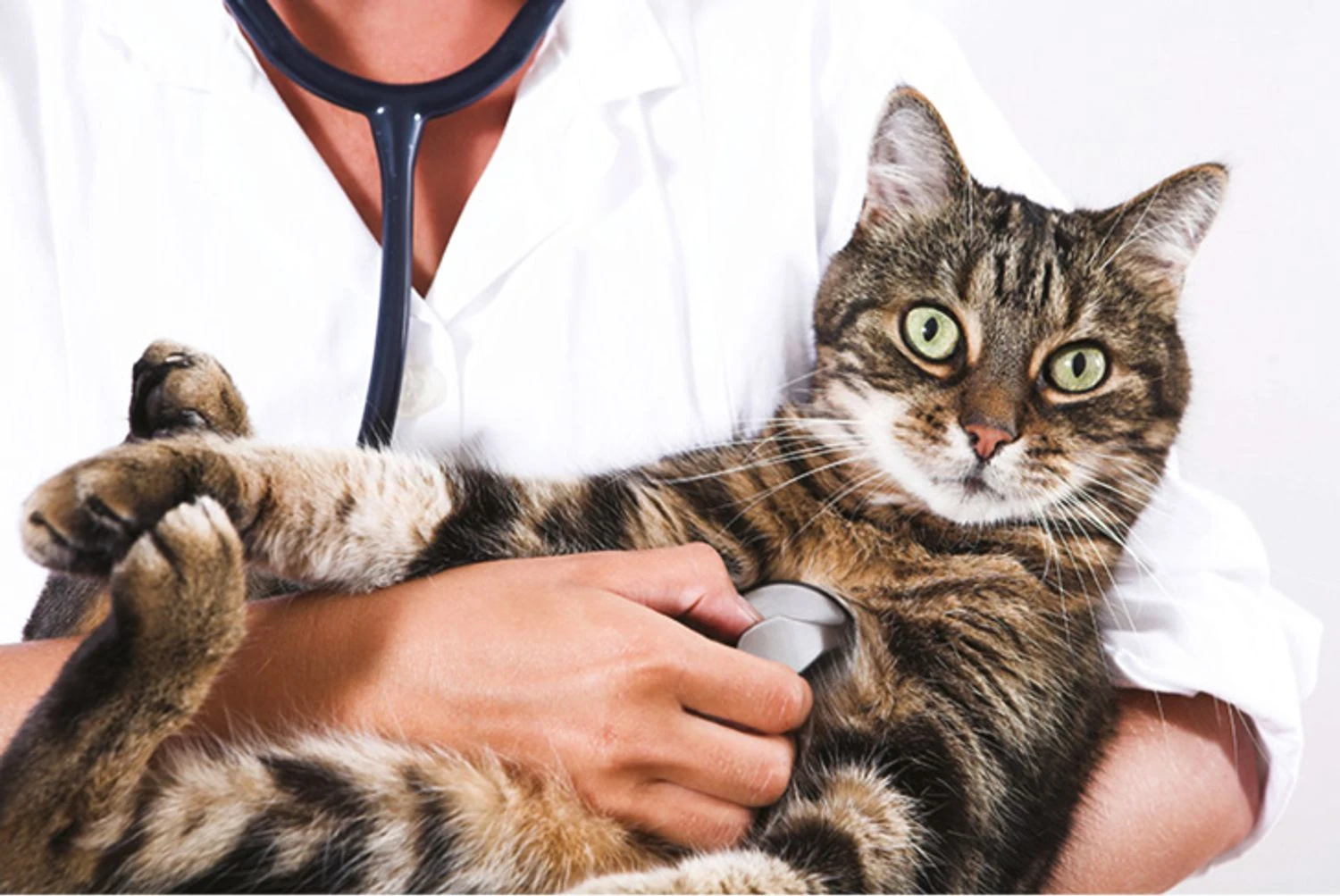
First comes the initial shock reaction of "fight, flight, or freeze." In cats, this is most often aggression or stupor. If it's just a change of mood, the cat quickly returns to a state of balance. If the condition drags on and has several stages - excitement, and then inhibition, then these are already signs of stress
Elizaveta Babiy said that after an acute reaction, a cat may enter a phase of so-called compensation. During this period, behavioral changes often appear, and owners perceive some of them as "mischief," although in reality, this is a signal of internal tension.
Cats may start hiding, looking for a den-like place, or conversely, damaging things. Also, a very common manifestation is hypergrooming, when the cat licks itself until hair falls out and even until the skin becomes inflamed. Others may start going past the litter box or demonstratively relieving themselves where they shouldn't. This is also a way to show that the animal is not coping with stress
How stress manifests in dogs
Dogs react differently, the doctor says. In addition, stress in them can usually be noticed immediately. At the same time, if we are talking about chronic, not acute stress, then dogs can even return to their usual behavior from time to time.
Moving with pets: what you should know20.12.25, 20:00 • 113281 view
A dog often immediately shows fear, and may hide, tuck its tail, whine, or show aggression. It may refuse food and not react even to favorite toys. But, usually, after a few days, it can sharply return to normal. It is very important during this period to communicate more with the dog and support it
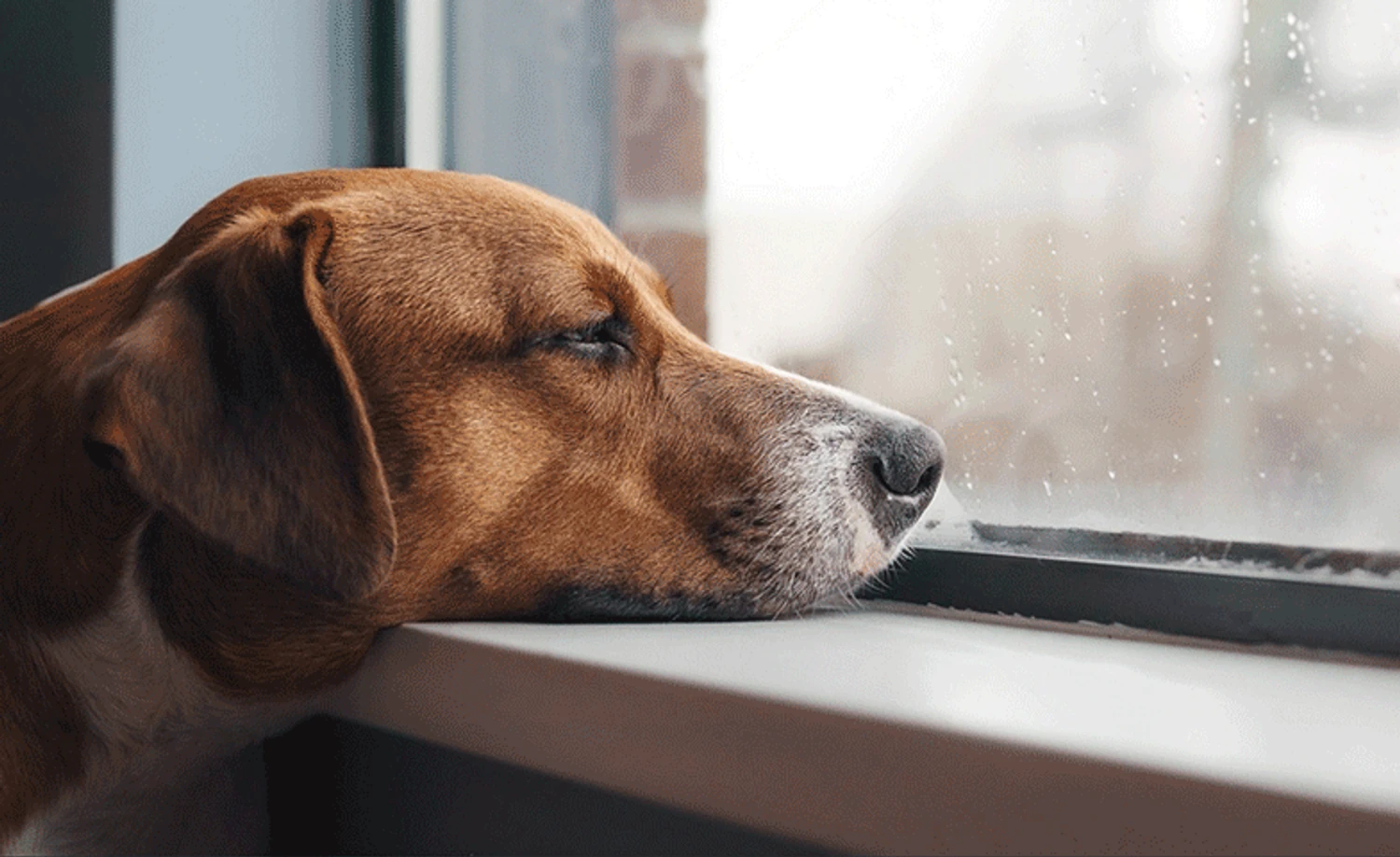
The owner can help the animal independently if it is not a critical condition. For cats, it is necessary to reduce irritants and give them time to adapt, while for dogs, it is important to maintain contact and talk to them a lot and calmly.
If the cat is aggressive, it just needs 10-15 minutes to adapt. Close the windows, doors and allow it to explore the territory. With a dog, you need to work through contact, that is, speak calmly, praise even for a minimal reaction. The main thing is not to restrict movement sharply and not to increase fear
When to contact a veterinarian for animal stress
However, there are symptoms that require immediate veterinary attention. This is especially true for cats, in whom stress can quickly turn into a dangerous condition. Among the alarming signs are breathing difficulties, a blue tongue, or complete loss of behavioral control.
How to improve care to maintain your pet's health: veterinarian's tips10.12.25, 19:30 • 39755 views
If a cat breathes with an open mouth, its tongue turns blue or purple, and its breathing is loud and frequent, then this is already a threatening condition. If the animal is out of control, hitting doors or windows, or showing aggression towards everything around it, then it needs to be taken to the clinic urgently. Blood from the ears after a loud sound is also an immediate reason for help, as it indicates that the eardrums have not withstood
Chronic stress in pets - what is the danger
Chronic stress, according to the veterinarian, can lead to serious diseases. Cats are especially vulnerable to this. Problems can affect the urinary system, pancreas, and even hormonal balance.

"In cats, cystitis, pancreatitis, and gastritis often occur against the background of stress. Even stress-induced diabetes can develop. If a cat does not eat for more than a day, it is already critical. Therefore, with any prolonged behavioral changes, it is better not to delay and consult a doctor," emphasizes Elizaveta Babiy.
The specialist emphasizes: attentiveness to changes in behavior is the owner's main tool. If an animal changes sharply, it is always a reason to be wary. Early response will help avoid serious complications and preserve the pet's health.