










Magnetic storms in November: when to expect solar flares
Kyiv • UNN
In November 2025, Earth is expected to experience a series of magnetic storms, with the most intense ones predicted for November 8 and 9. Experts advise monitoring forecasts and taking care of rest, nutrition, and activity to mitigate the impact.

In November 2025, the Earth will be hit by a series of magnetic storms of varying intensity, the most noticeable of which are expected on the 8th and 9th. Experts advise monitoring space weather forecasts and taking care of rest, nutrition, and physical activity to reduce the impact of disturbances on the body. This was reported by UNN with reference to the Space Weather Prediction Center of the US National Weather Service.
What is a magnetic storm
A magnetic storm is a sharp fluctuation of our planet's magnetic field, caused by powerful solar flares: streams of charged particles ejected by the Sun reach the Earth and interact with its magnetosphere, causing a "shake-up" of the field.
During magnetic storms, disruptions in the operation of navigation systems, communications, and electronics are often observed. People sensitive to weather changes may experience fatigue, headaches, or sleep problems. The level of geomagnetic activity is determined on the Kp scale, which has 9 points. Indicators of 5 and above indicate a noticeable disturbance that can affect both technology and human well-being.
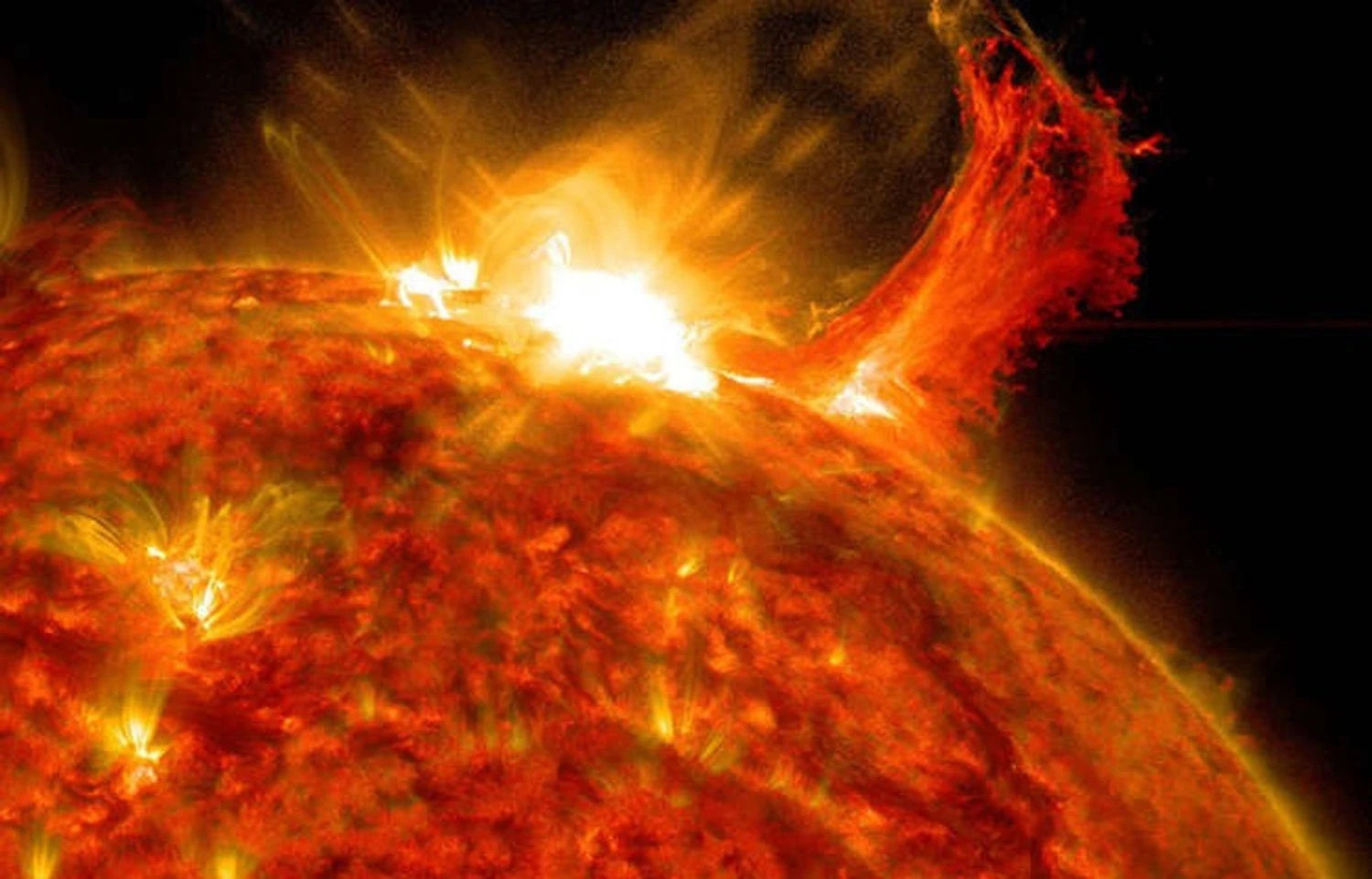
Space weather in November 2025
Experts predict the following dates for possible disturbances:
- November 7 – weak storm (Kp 4);
- November 8, 9 – moderate storm (Kp 5);
- November 15 – weak storm (Kp 4).
No serious magnetic fluctuations are expected during the rest of November. At the same time, information about the state of the geomagnetic field is updated every Monday by 6:00 PM Kyiv time and contains a space weather forecast for the next 27 days. Currently, available data covers the period until November 22. Experts advise weather-sensitive people to carefully monitor forecast updates and pay attention to their own well-being even during minor magnetic field disturbances.
How magnetic storms affect health
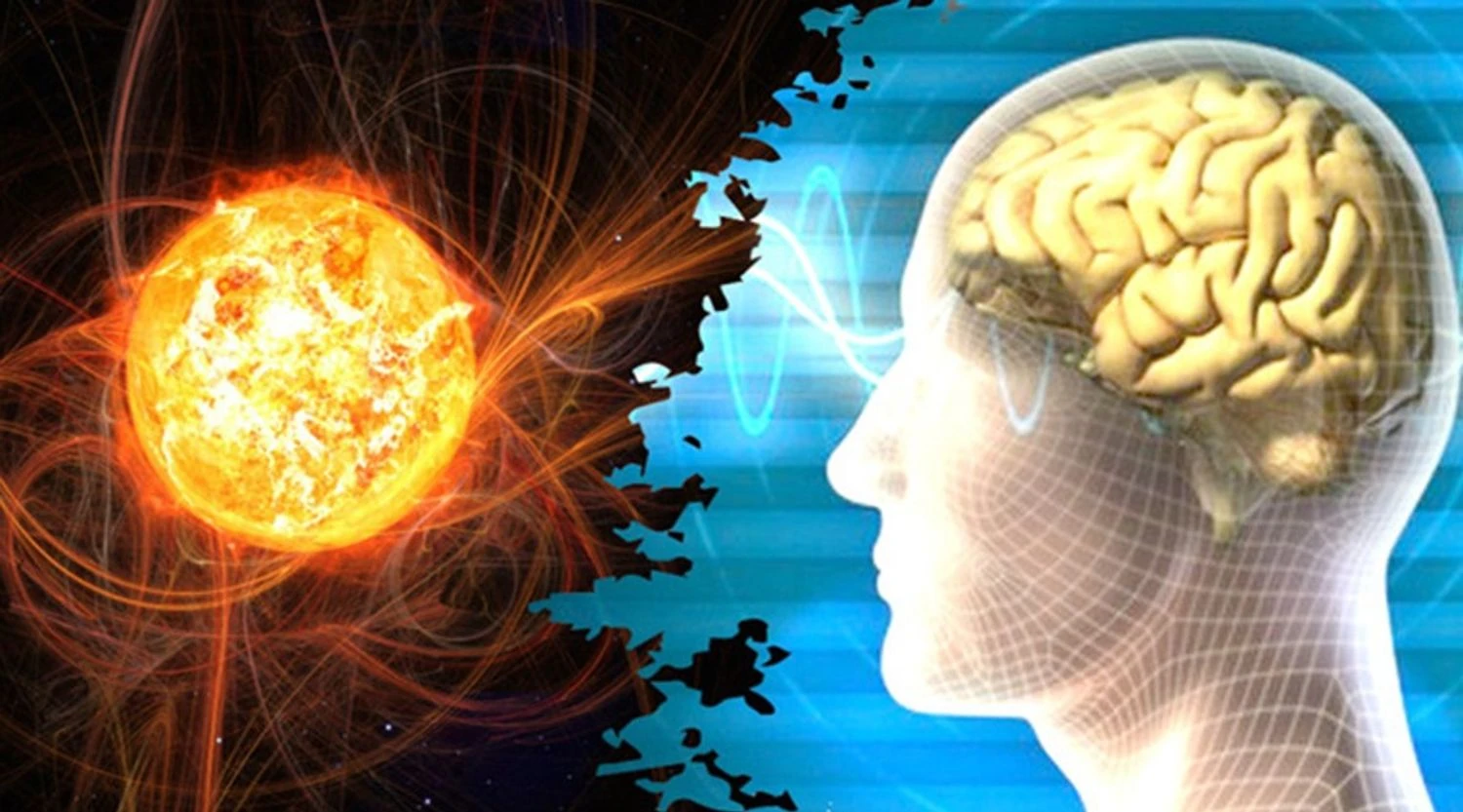
During periods of increased solar activity, many people experience changes in their well-being. The most common symptoms are headaches, increased fatigue, blood pressure fluctuations, sleep disturbances, and exacerbation of chronic diseases.
These manifestations are explained by the influence of electromagnetic fluctuations on the human nervous and cardiovascular systems. Weather-sensitive people, who easily react to any fluctuations in the magnetic field, are especially susceptible to such changes. The elderly with chronic diseases, patients with cardiovascular problems, and pregnant women are considered the most vulnerable. For them, even small magnetic disturbances can cause a noticeable deterioration in well-being.
How to reduce the impact of a magnetic storm on the body
To mitigate the negative impact of magnetic storms on health, doctors advise paying more attention to physical and emotional stress during periods of increased solar activity. It is important to avoid stress and overwork, and to get enough rest and sleep.
Walks in the fresh air and light physical activity, such as yoga or leisurely walks, will be beneficial. Nutrition is no less important. During magnetic storms, you should limit your consumption of coffee, alcohol, and fatty foods. It is better to give preference to light meals, fresh vegetables and fruits, and drink enough water. This approach helps the body to tolerate geomagnetic fluctuations more easily and reduces the risk of exacerbation of chronic diseases and unpleasant symptoms in weather-sensitive people.
History of magnetic storm research
Even in ancient times, navigators in China and Greece noticed strange fluctuations in the compass needle: it sometimes deviated from its usual direction or began to tremble for no apparent reason. For centuries, these phenomena remained a mystery and were interpreted as accidental or local magnetic anomalies.
A true scientific explanation appeared only in the mid-19th century, when the German geographer and traveler Alexander von Humboldt systematically described the oscillations of the magnetic needle. At first, they were considered random "noise" arising from the unevenness of underground magnetic flows. However, a series of experiments conducted in 1836–1841 by Carl Gauss and Wilhelm Weber proved that these disturbances occur simultaneously throughout the planet, i.e., they are global in nature.
Modern science allows tracking magnetic storms using satellites and ground-based magnetometers. Space weather forecasts make it possible to warn in advance about strong disturbances and assess their potential impact.
Hurricane Melissa threatens catastrophic floods in Jamaica and Haiti27.10.25, 08:31 • 5849 views