









How the war changed Ukrainian cinema - key takeaways from 2026 Odesa International Film Festival
Kyiv • UNN
The 17th Odesa International Film Festival has concluded in Kyiv. Over the course of nine days, audiences were shown more than 80 films across ten programs, including 13 Ukrainian films in the National Competition. Professional discussions about how to develop Ukrainian cinema during the war and where to find resources for new projects were an important part of the festival.

The 17th Odesa International Film Festival has concluded in Kyiv; it ran from August 27 to September 4. This year, the festival screened more than 80 Ukrainian and foreign films in ten programmes. The National Competition featured 13 Ukrainian full-length films. In addition to film screenings, the OIFF hosted professional panels with directors, producers, actors, veterans and other industry representatives, UNN reports.
Cinema of the New Reality
The 17th OIFF was held in Kyiv for the third time. Due to the full-scale war and security risks, the festival was temporarily relocated from Odesa to the capital. This year, the main festival venues were the Zhovten and Oscar cinemas. In total, viewers had the opportunity to watch more than 80 films in ten programmes.
The National Competition programme was particularly notable this year. Only films whose production was completed in 2025 or 2026 were selected for it. In other words, these works were created during Russia’s full-scale war against Ukraine.
One of the festival’s main premieres was Valentyn Vasyanovych’s dystopian film "For Victory!". The director does not show the war itself; he looks further ahead—to post-war Ukraine, where victory does not at all mean a return to normal life. According to the plot, the protagonist is a film director who remains in the country but can no longer work as he did before. His wife and daughter have lived in Vienna for several years and see no reason to return. Through this personal story, Vasyanovych addresses the contemporary problems of broken families, emigration and what awaits people in a country where the war has ended but pre-war life has not returned.
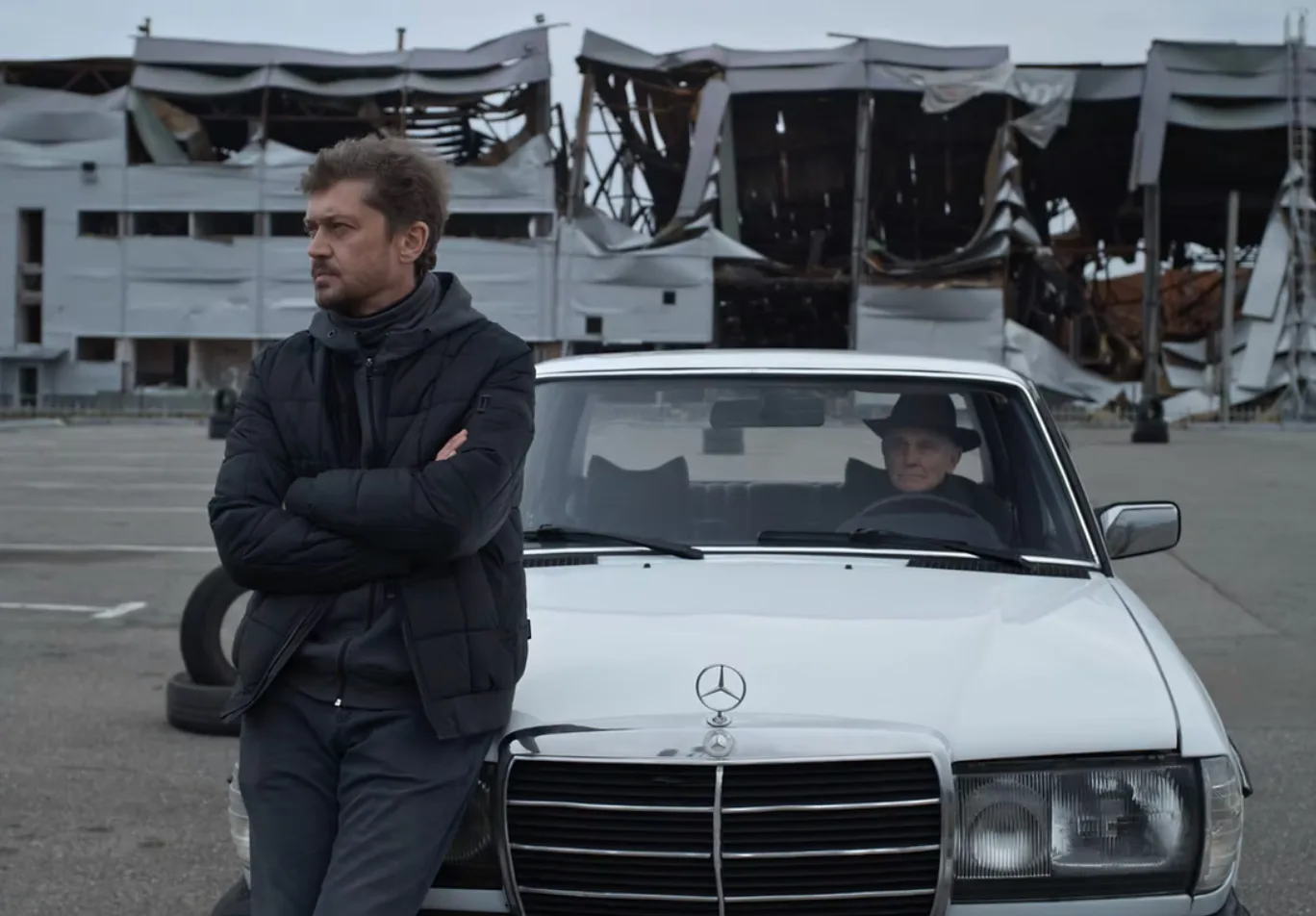
The National Competition also included Denys Kolesnikov’s "Kira’s Dream" and Serhii Storozhev’s "The Soloist".
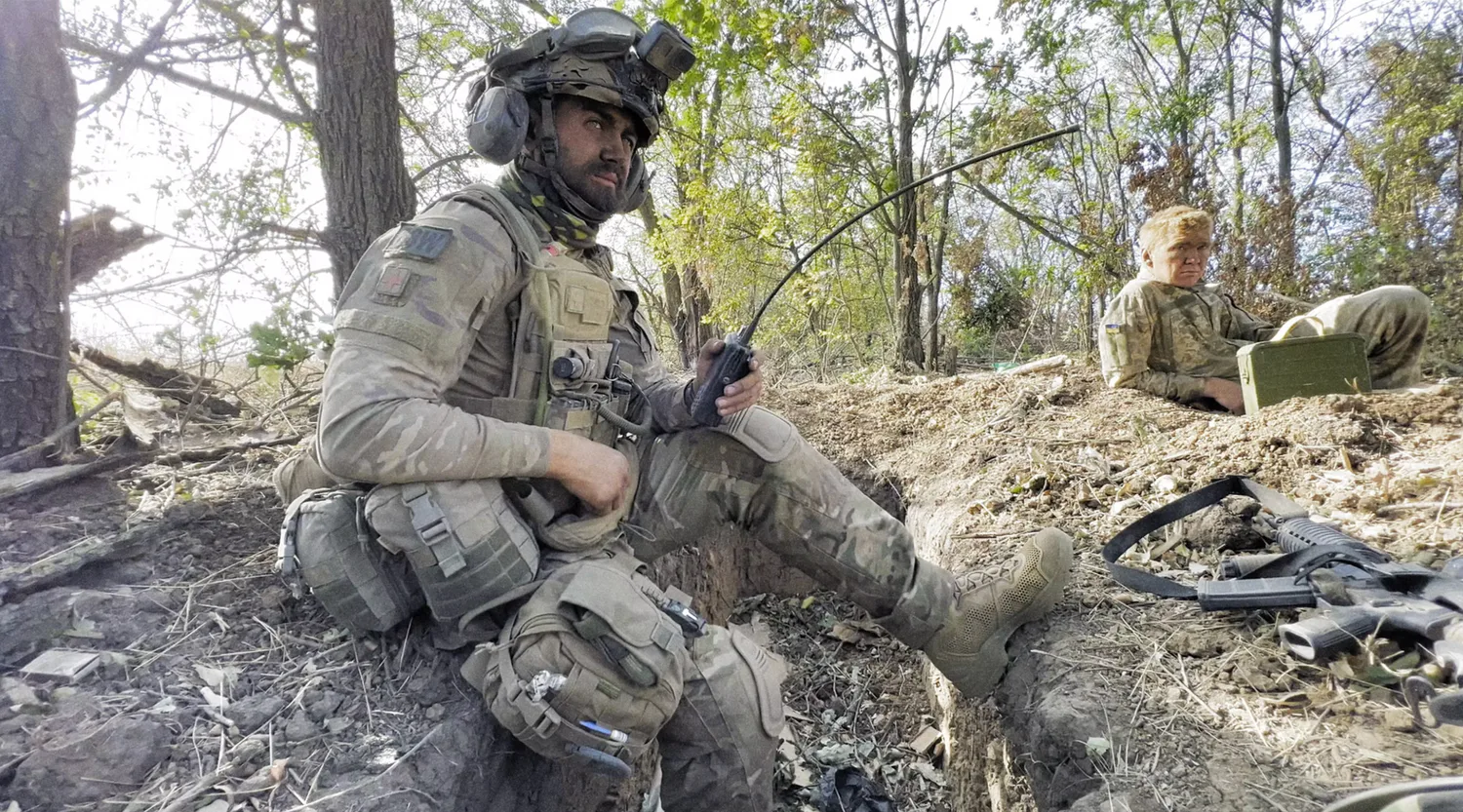
Documentary films also stood out at the international film festival. Viewers were impressed by Yevhen Titarenko’s work—the film "Generation 2014". For ten years, the filmmaker filmed six volunteers from the Hospitallers medical battalion. The film shows how the war, which began for them in 2014, changed their lives and influenced their personal development.
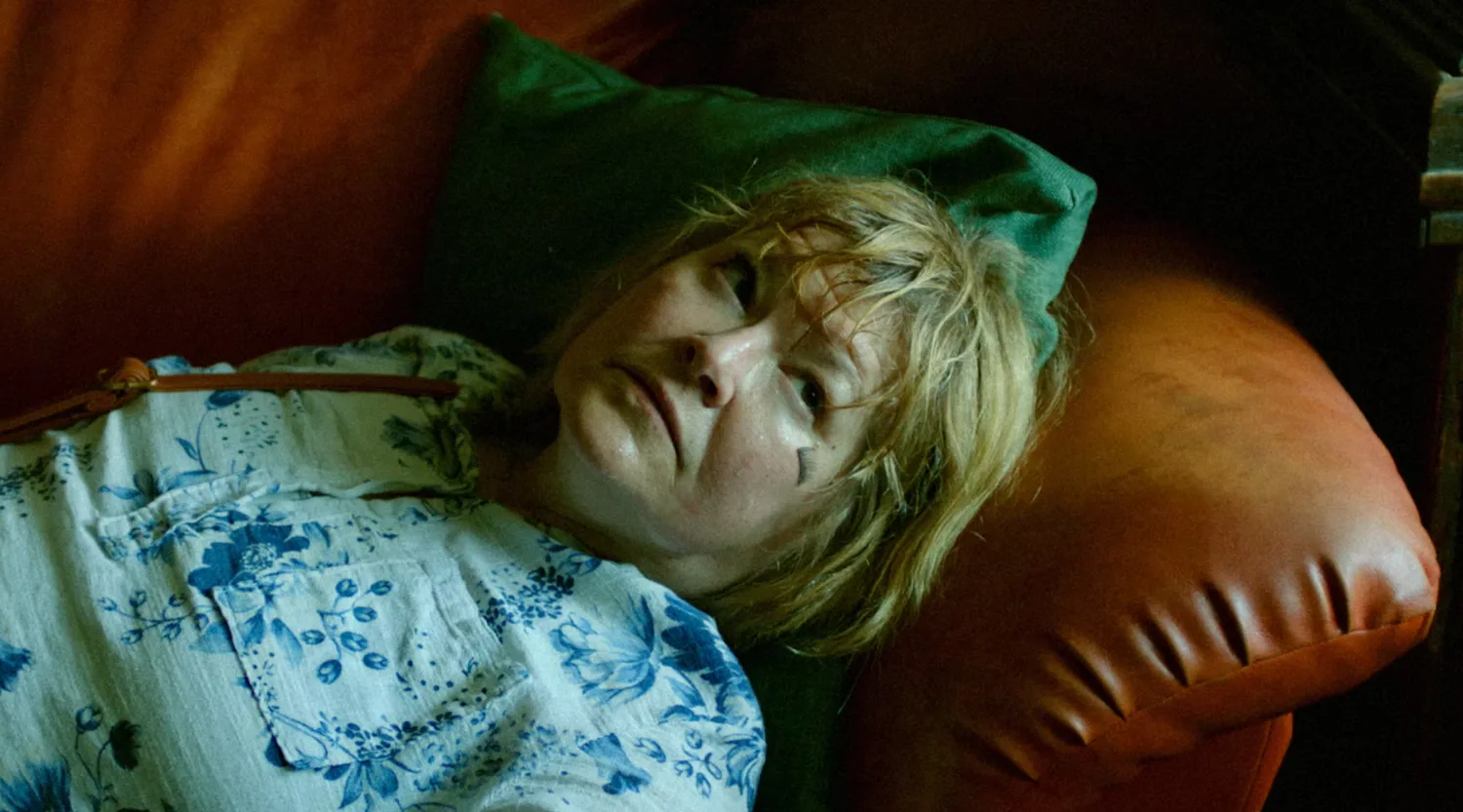
"Peace for Nina" by Zhanna Dovhych tells the story of Nina Branovytska—the mother of Donetsk Airport defender Ihor Branovytskyi, who was captured in 2015, tortured and killed by Russians. In the film, the fallen soldier’s mother searches for witnesses, reconstructs the circumstances of her son’s death and seeks punishment for those responsible.
The subject of war also appeared in the International Competition. In the Bulgarian-Greek film "Dirty Money—White Nights" by Kristina Grozeva and Petar Valchanov, Russia’s invasion of Ukraine destroys the plans of a married couple who had been saving money for a trip to St. Petersburg. Through this story, the filmmakers portray people trying to remain "above politics", even when the war is already directly affecting their lives.
Gábor Holtai’s Hungarian film "Like Home" is structured as a surrealist thriller but in fact tells the story of the mechanisms of an authoritarian state—when lies gradually become the norm if society agrees to accept them.
The OIFF also presented the "Festival of Festivals" programme, featuring films that had already received awards at international film festivals. These included the winner of the Sundance-2026 Grand Jury Prize, "The Mischievous Bear" by Gabriela Osio Vanden and Jack Weisman, and "The Tin Castle" by Alexander Murphy, which was recognised in Cannes.
How has Russia’s war against Ukraine changed the film industry?
In addition to screenings, the Film Industry Office professional section operated at the OIFF. Here, film-industry representatives discussed not individual films but the problems facing the industry itself during the war.
Topics included financing new projects, international cooperation, the distribution of Ukrainian films, the work of television channels and streaming platforms, as well as how cinema should address the subjects of war, military personnel and veterans.
A separate block of discussions was devoted to veterans.
At the panel "Veterans, War and Cinema: New Heroes, New Professions", participants discussed the involvement of military personnel in the film and television sectors, not only as on-screen heroes but also as part of film crews and creative teams. The discussion was attended by Yegor Skalyha, founder of the BRIGHT POINT Skalyha Foundation; producer and veteran Volodymyr Yatsenko; director, actor and serviceman Akhtem Seitablaiev; Dmytro Khrypun, general producer of ICTV2's serial production; Maksym Sukhenko, host and producer at 2+2; and Lesia Prymakova, Work.ua's Director of Communications and Partnerships. The panel was moderated by television presenter Yuliia Zorii.
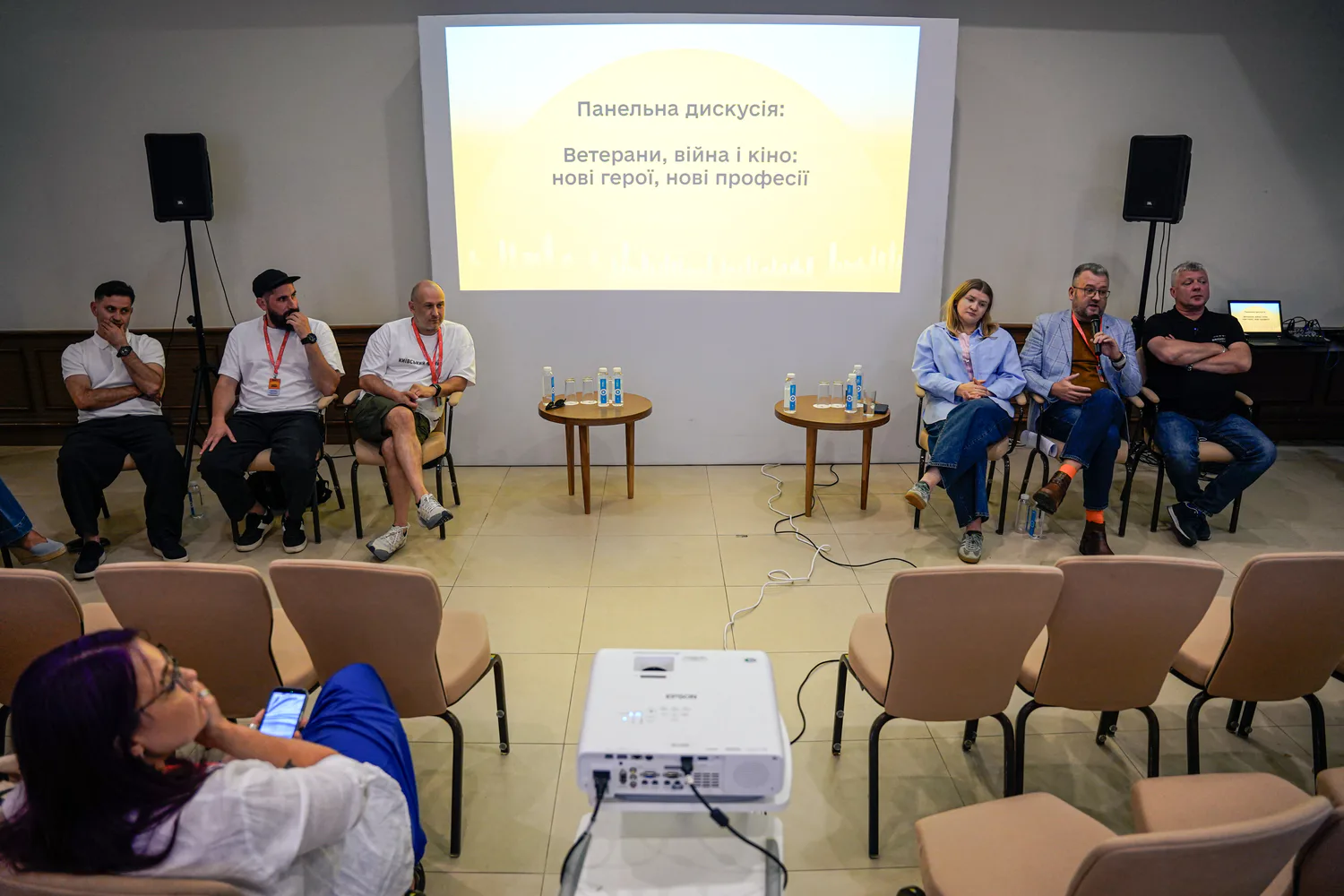
Producer and veteran Volodymyr Yatsenko pointed out that the Ukrainian situation differs from the classic idea of a veteran: thousands of people who worked in film, business, culture and other fields before the war went to the front. And after their service, far from all of them will be able simply to return to their former lives.
"We are civilians who went to war. The only thing to remember about trauma is that it is very important. Many people are waiting, it seems to me, for them to return the way they were. (...) They will be somewhat different from how they were," Yatsenko said.
Yegor Skalyha, who worked in cinema for around 20 years before the full-scale war, stressed that the industry itself has many professions in which military experience can become an advantage. These include the work of set constructors, lighting technicians, administrators, drivers and other members of a film crew.
"A person who is capable of building themselves a shelter in a dugout will certainly also be capable of building a set—a three-room apartment—in two days. So there are many points of entry," Skalyha noted.
He agreed with Yatsenko's view that employers will also have to take into account the consequences of war—health, memory or psychological problems. According to Skalyha, in such cases it is important not to reject a person, but to consider where they have returned from and help them adapt.
This is one of the fundamental changes that the war has brought to Ukrainian culture. For cinema, a veteran is no longer only a character. It is a future screenwriter, director or cinematographer.
Cinema is already shaping the image of the Ukrainian military with which the country will live for decades. That is why the Film Industry Office held a separate discussion about the ethics of working with women in the military, the boundary between artistic intent and the psychological safety of the heroes, as well as who has the right to tell someone else's combat experience at all.
Other discussions focused on how Ukraine will remember this war and where the boundary lies between art, documentation and propaganda.
"Culture is our space. And this space gives us the strength to be ourselves. By defending it, we are thus resisting," said Vadym Karpiak, spokesperson for the 8th Corps of the Ukrainian Air Assault Forces, during a panel on cultural resistance.
In fact, the point is that after 2022, culture in Ukraine lost the possibility of existing separately from the war. Even a film that is not about the war is created by people who live through war, lose loved ones, experience mass emigration and are already shaping the memory of events that will define the country for generations to come.
Not Waiting for the War to Become History
The symbolic guest of this year's festival was Bosnian director and screenwriter Danis Tanović. His feature-film debut, "No Man's Land," based on his own experience working as a documentarian during the Bosnian War, received an Oscar, a Golden Globe and the award for Best Screenplay at the Cannes Film Festival.
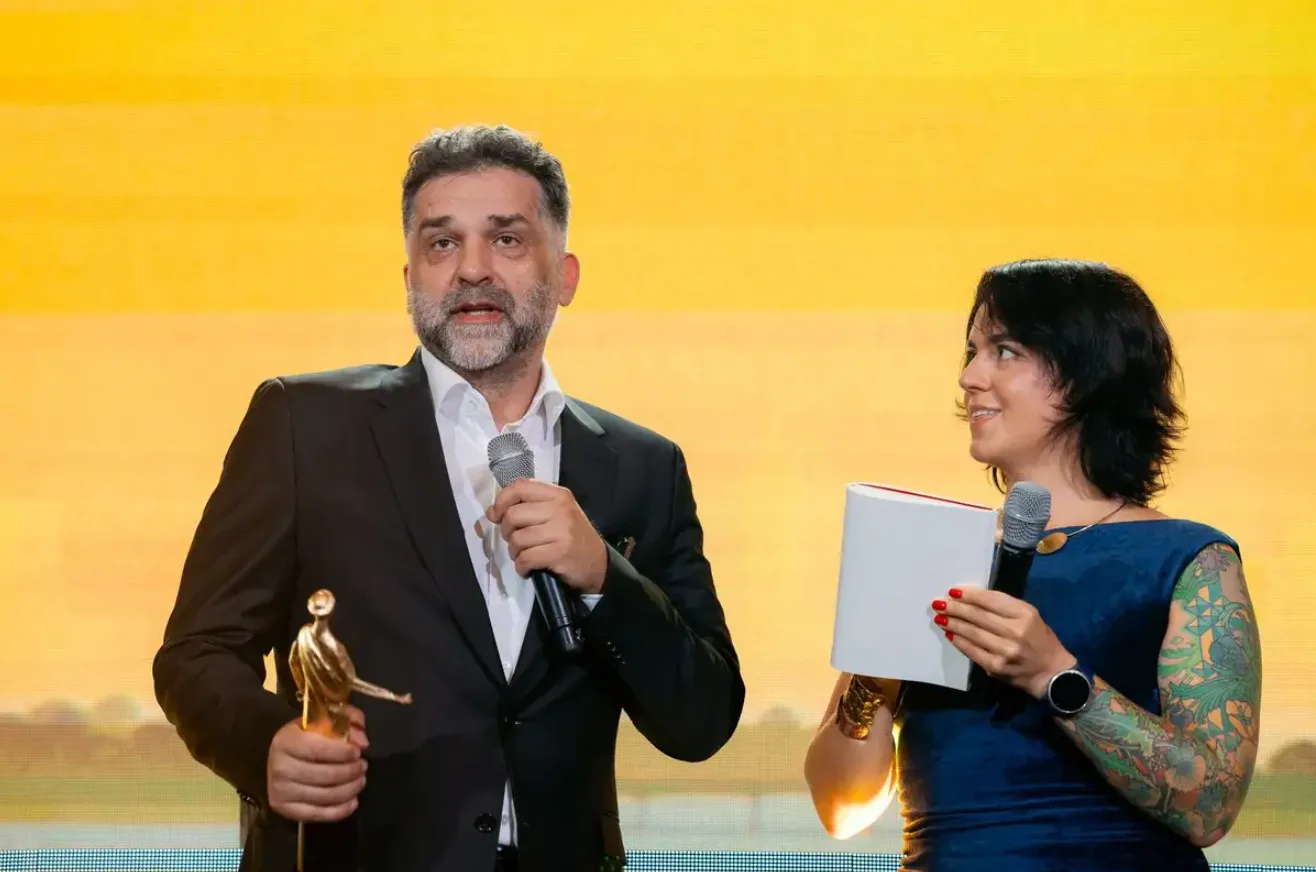
At the Odesa International Film Festival, Tanović was presented with the Lifetime Achievement Award for his contribution to world cinema. Presenting the award, festival president Viktoriia Tihipko called on Ukrainian directors not to wait until the war becomes history, but to talk about it now.
This thought aptly captures the mood of this year’s festival. Ukrainian cinema reflects on the war and speaks about loss and pain, veterans, emigration, and the country’s future. At the same time, filmmakers are seeking a way not to reduce all Ukrainian cinema solely to wartime themes and to leave room for other stories.