


Following the Russian strike on Komyshuvakha, 45 people remain missing
Kyiv • UNN
Following the Russian strike in Komyshuvakha, the bodies of 55 victims were found, and the identities of 29 have been established. The search for 45 missing people continues amid drone attacks.

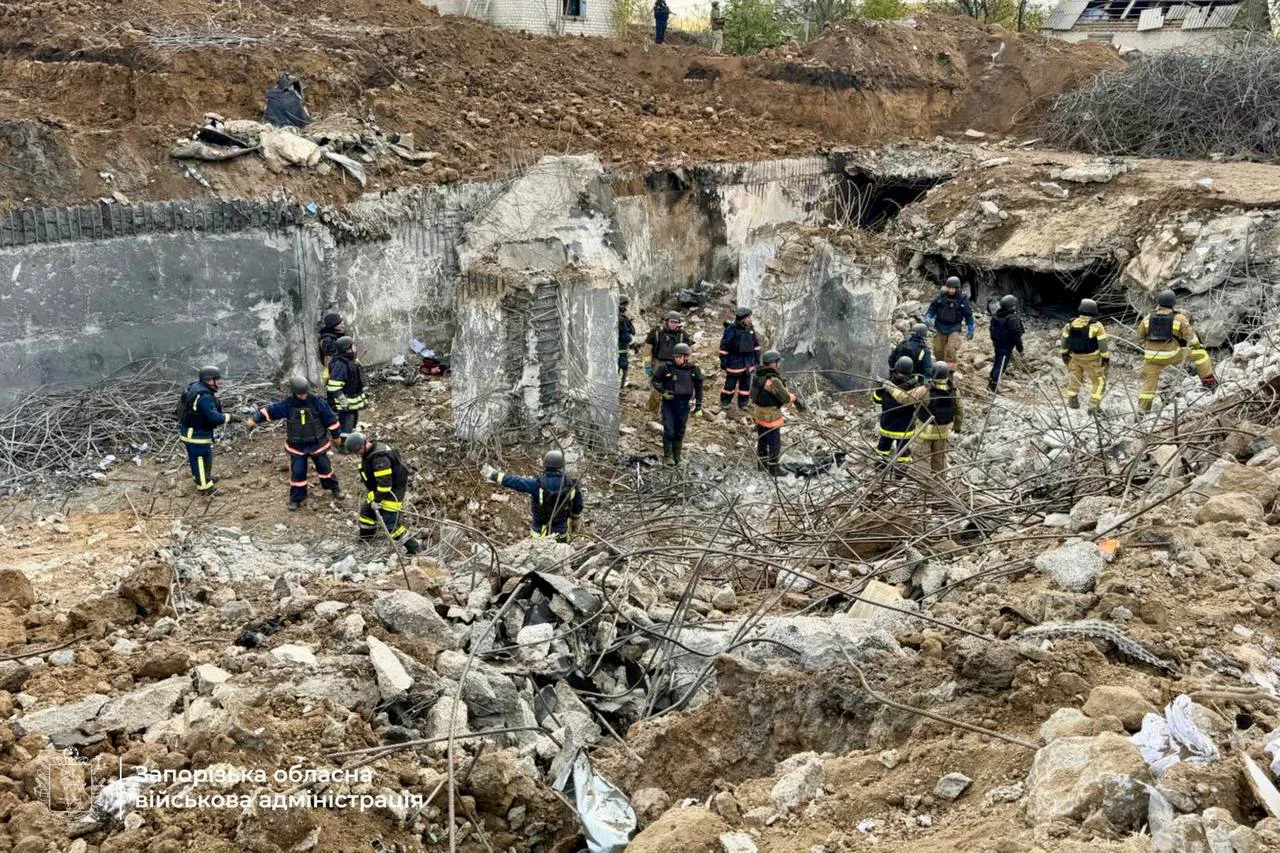
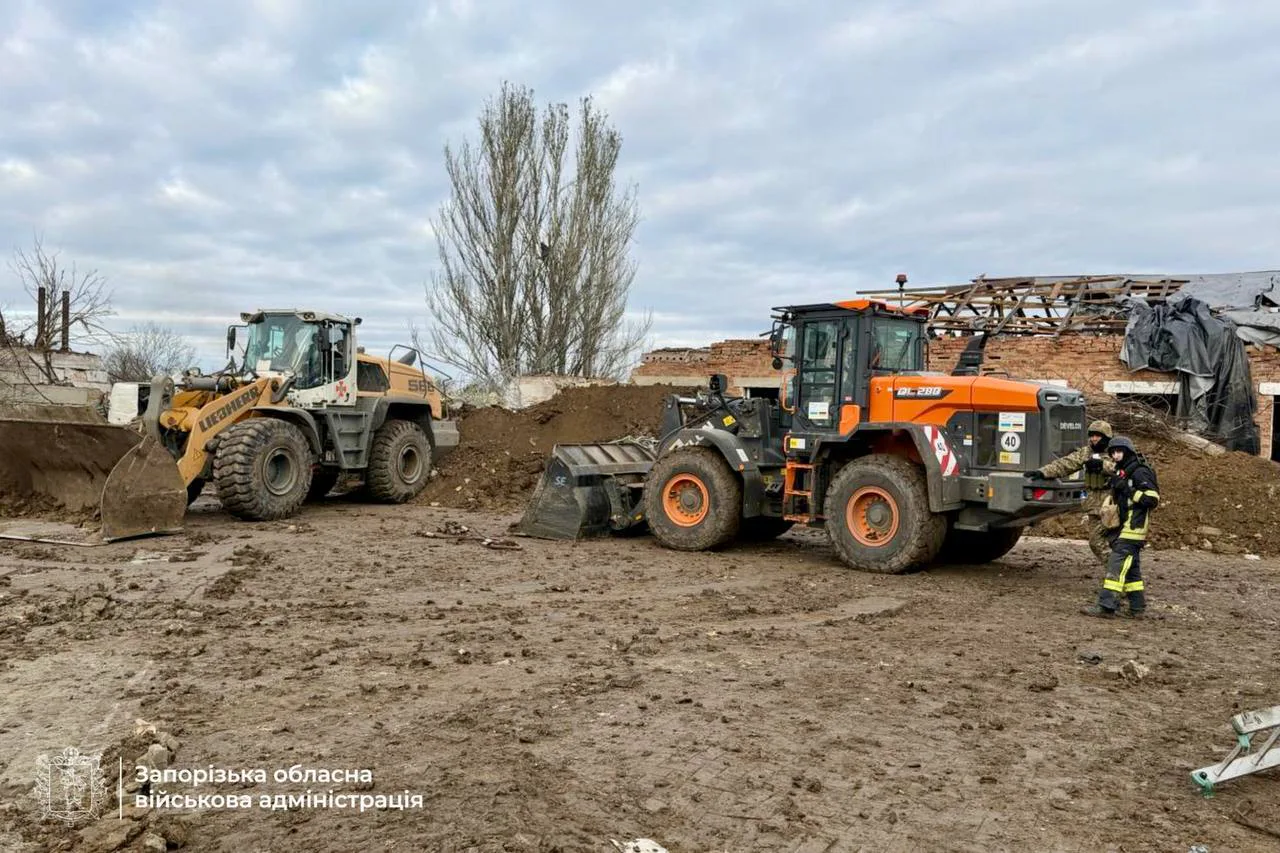
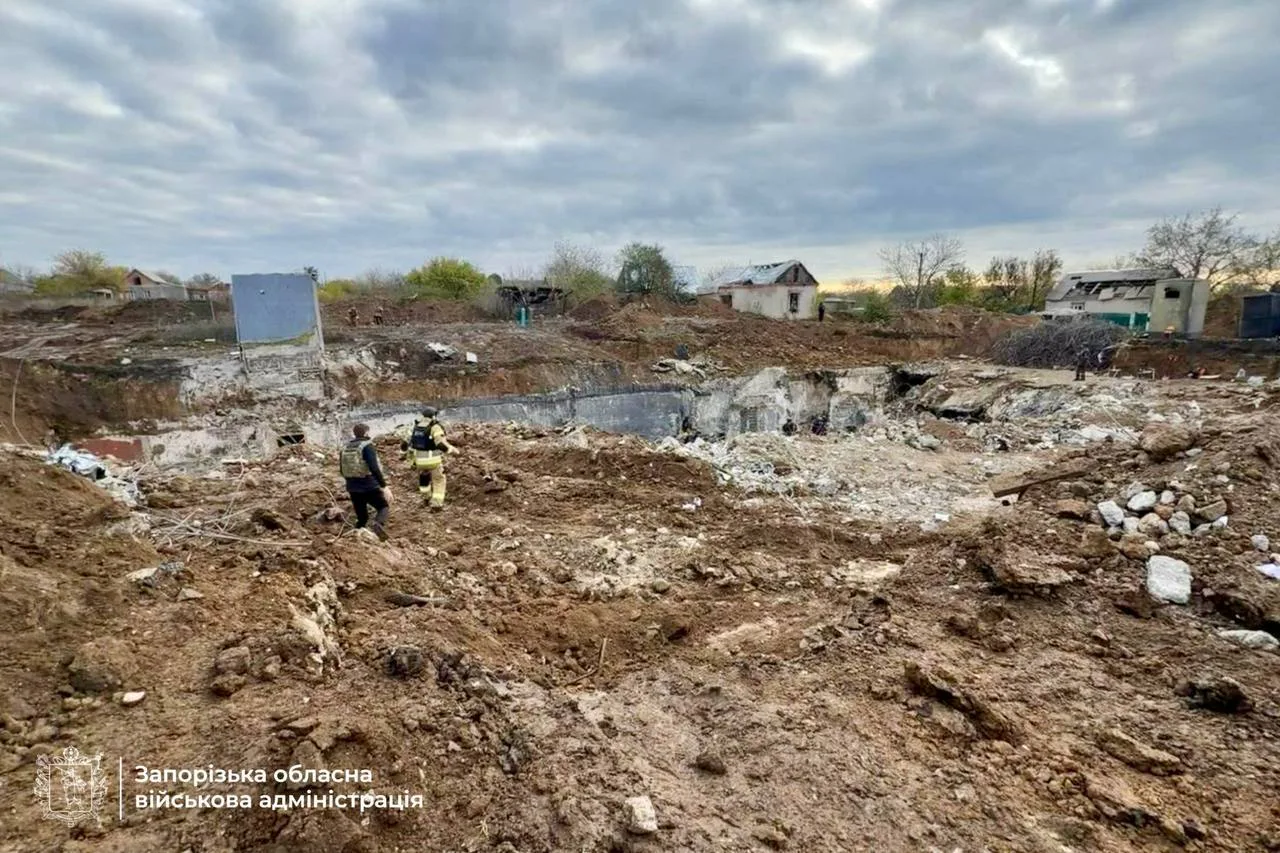
Search-and-rescue operations have been ongoing in Komyshuvakha for the seventh day following the Russian strike carried out on November 2. This was reported by Zaporizhzhia Regional Military Administration head Mykhailo Semikin, UNN writes.
As of now, the bodies of 55 people killed have been recovered from the rubble. The identities of 29 people have already been established. Another 45 people are listed as missing. Some of them may apparently be among those whose bodies have already been found
The work is being complicated by constant attacks by Russian drones. Because of the danger, rescuers have to periodically suspend the search.
"We cannot yet say when the operation will be completed," representatives of the rescue services said.
"The most important thing now is to find everyone, establish the identities of those killed, and give families answers about the fate of their loved ones. At the same time, we must protect the lives of the rescuers working at the site of the tragedy," they noted.
Addendum
On November 2, the Russians attacked the settlement of Komyshuvakha in Zaporizhzhia region, using guided aerial bombs. The enemy strikes damaged the premises of an educational institution, a utility building, and vehicles. The prosecutor's office reported that people were trapped under the rubble.
As acting head of the Zaporizhzhia Regional Military Administration Mykhailo Semikin reported, the enemy treacherously attacked the settlement precisely when people were receiving humanitarian aid at the community center. It was a targeted combined attack. The Russians carried out at least nine strikes. First, they dropped FAB-500 guided aerial bombs. Then they used FAB-3000 bombs. The FAB-3000 is a three-ton aerial bomb containing nearly one and a half tons of explosives. Such weapons are used to destroy powerful concrete fortifications and bunkers. After the direct hit, the concrete structure of the underground center collapsed. Ordinary people were there at that moment. They had come for assistance.
The underground space struck by the Russians was used not as a community resilience center, but as a humanitarian aid distribution point for local residents. Until February 2026, an "underground" school operated there. However, in February, the educational process in the space was suspended, and children no longer attended it for classes.