










Earthquake in Japan: 34 people already injured
Kyiv • UNN
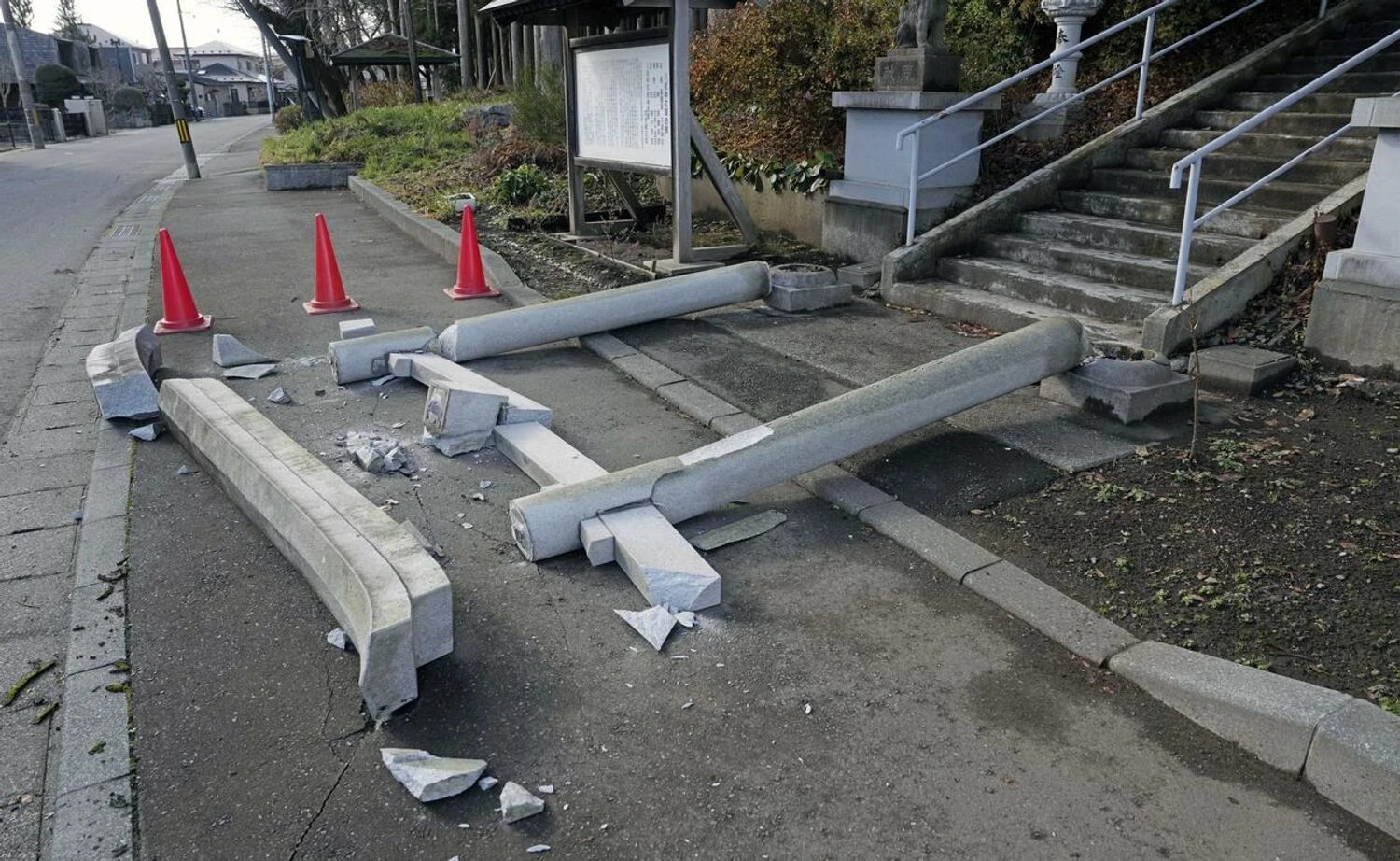
A powerful 7.5 magnitude earthquake struck northeastern Japan, injuring at least 34 people. Authorities warn of the possibility of stronger tremors in the coming days.

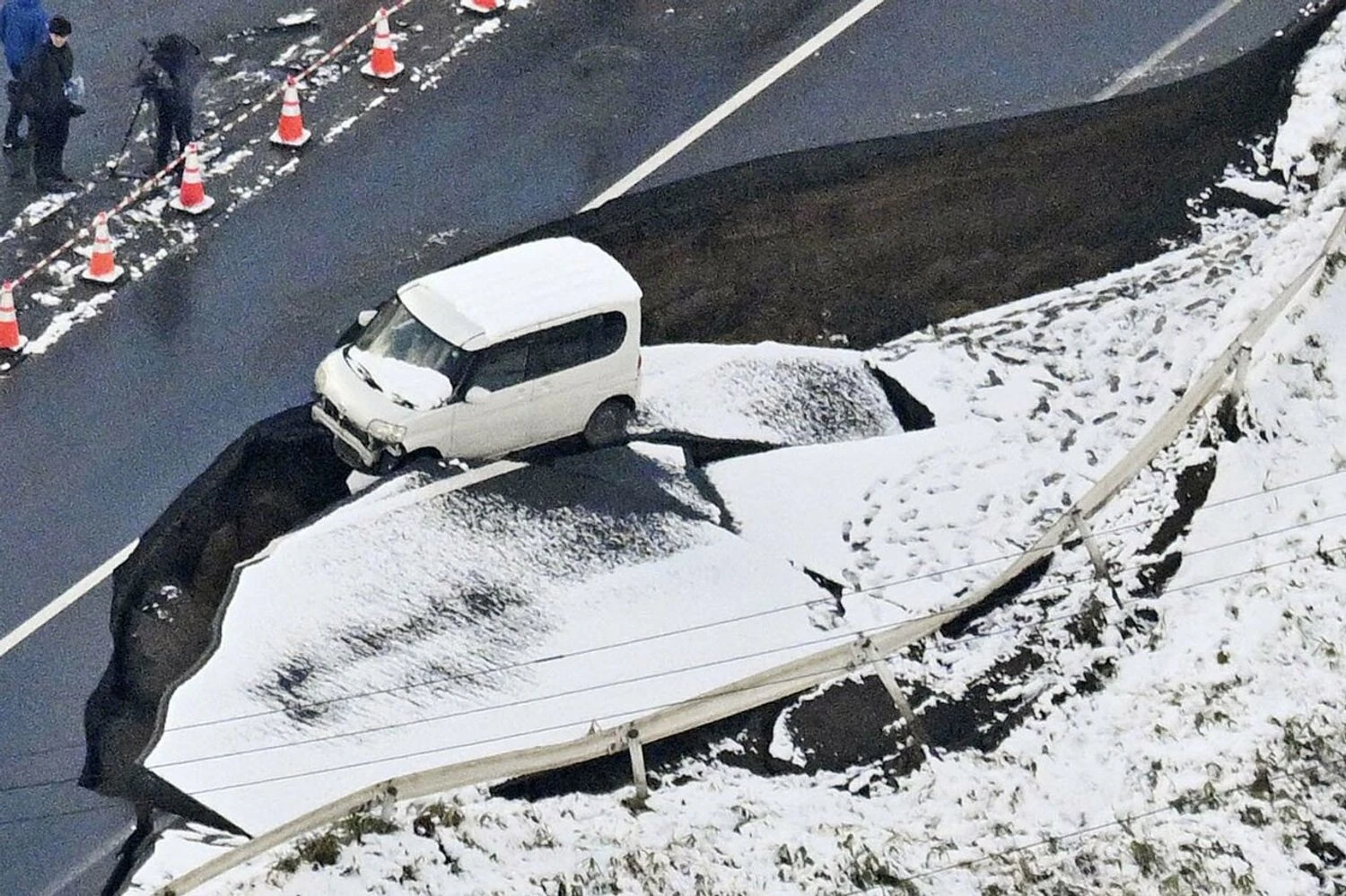
At least 34 people were injured in a powerful 7.5-magnitude earthquake that struck northeastern Japan late Monday night, Kyodo News reports, writes UNN.
Details
Transportation and water supplies were disrupted, and schools in various areas were suspended, as authorities warned of the possibility of a stronger earthquake.
The Japan Meteorological Agency said that the earthquake, which occurred at 11:15 p.m. local time off the eastern coast of Aomori Prefecture at a depth of 54 kilometers, could be followed by an earthquake of similar or greater magnitude in the same area in the coming days.
This is the first time the agency has issued such a warning for the coastal areas of Hokkaido and the Sanriku coast, which stretches from Aomori through Iwate and Miyagi prefectures.
On Tuesday, JR East announced the suspension of high-speed train services on the Tohoku Shinkansen Line between Morioka in Iwate Prefecture and Shin-Aomori in neighboring Aomori Prefecture for inspections after the earthquake. Services are expected to resume in the afternoon.
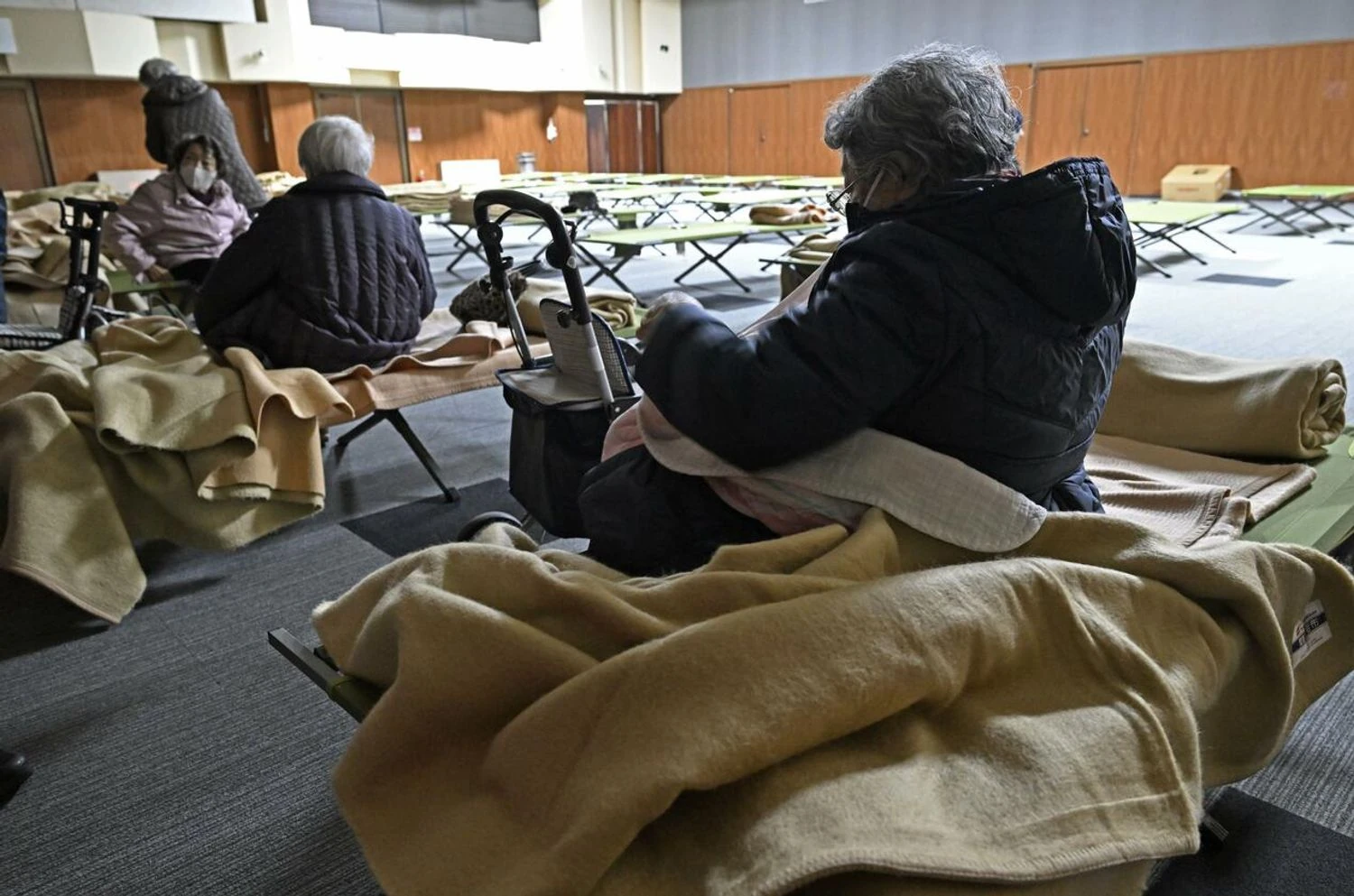
Reports of casualties came from Hokkaido, Aomori, and Iwate prefectures, while dozens of people remained in evacuation centers as of Tuesday morning.
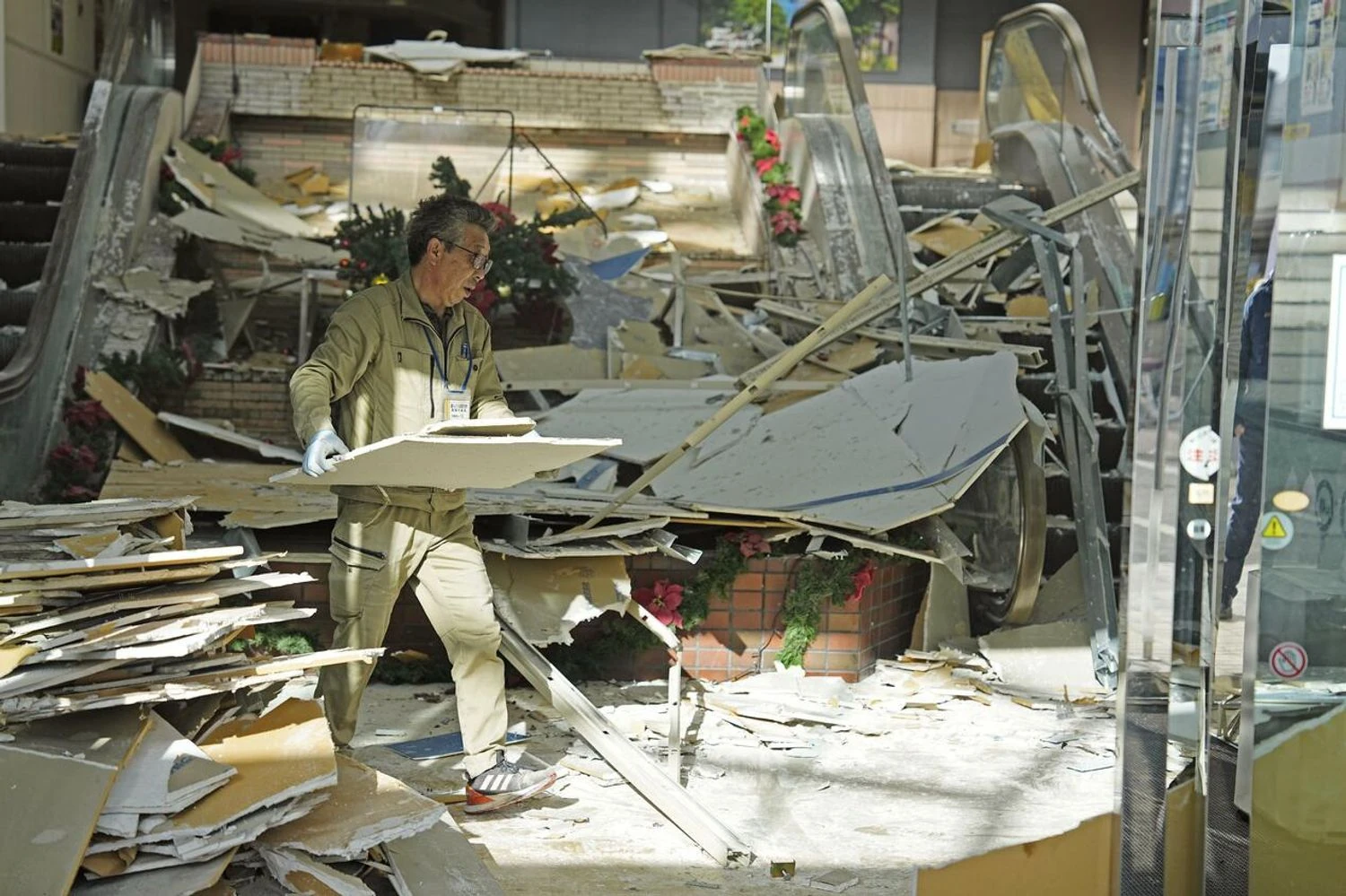

The government reported that about 1,360 homes in Aomori and Iwate prefectures were without water due to damaged pipes.
According to the Ministry of Education and local authorities, classes were canceled in 139 public elementary, middle, and high schools in Aomori Prefecture and 48 schools in Hokkaido.
Japanese Defense Minister Shinjiro Koizumi said that the Maritime Self-Defense Force air base and the Ground Self-Defense Force camp in Hachinohe, Aomori Prefecture, which was the hardest hit, were opened to the public as evacuation centers and at one point accommodated about 620 people and about 270 vehicles.
Many people were forced to evacuate due to the cold when the earthquake struck and a tsunami warning was issued. Warnings were downgraded within three hours of the earthquake and lifted at 6:20 a.m. local time on Tuesday.
No anomalies were reported at nuclear power plants in Hokkaido or the northeastern prefectures of Aomori, Miyagi, and Fukushima.
At the nuclear fuel reprocessing plant in Rokkasho, a village on the Pacific coast in Aomori Prefecture, water leaked from a spent fuel storage pool, but it did not spread beyond the building.
The agency, which revised the magnitude from the previous 7.6, warned of a tsunami up to 3 meters high after the earthquake. The highest tsunami waves observed in Iwate were 70 cm.
In some parts of Aomori, the earthquake registered 6 on the Japanese seismic intensity scale, which is 7, a level at which it is impossible to stand or move without crawling.
According to the agency, the earthquake occurred in an area along a trough running off the coast of Hokkaido and northeastern Japan, where strong earthquakes can occur when the Pacific Plate subducts beneath the main island of Honshu.