










DNA revealed previously undocumented diseases that affected the failure of Napoleon's troops in Russia
Kyiv • UNN
A new DNA study of Napoleon Bonaparte's soldiers has revealed previously undocumented diseases, such as paratyphoid and relapsing fever, which affected the failure of the French troops in 1812. These infections, along with cold and hunger, led to the mass deaths of soldiers in the Russian Empire.

New research offers deeper insight into the infections that affected the success of French troops during the Russian campaign in 1812. Napoleon's soldiers, already weakened by severe cold and exhaustion, were ravaged by numerous infections.
UNN reports with reference to AFP and The Independent.
Details
New scientific research sheds light on a tragic period of French history when, in 1812, Napoleon's army faced numerous difficulties during its campaign in the territory of the Russian Empire.
The researchers were able to draw conclusions thanks to the remains of Napoleon's soldiers found in mass graves in Lithuania.
Vilnius was a key point on the retreat route of 1812. Many soldiers arrived exhausted, hungry, and sick. A significant number died there and were quickly buried in mass graves.
He is the senior author of the study published in Current Biology.
Reference
In June 1812, Napoleon set out to conquer the Russian Empire, hoping to defeat the Russian imperial army. The French emperor assembled the Grand Army of 600,000 men from all provinces of the French Empire and allied states.
However, despite advances and victories, months later, only a few tens of thousands of this monumental force, after the infamous retreat, reached Vilnius, the current capital of Lithuania.
New discoveries about the diseases that affected Napoleon's army soldiers
It is already known from research that cold, hunger, and typhus affected Napoleon's military strength. A number of secrets were revealed back in 2006, thanks to PCR tests. It was determined that some of the soldiers suffered from typhus, as well as "trench fever" caused by the bacterium Bartonella Quintana.
With the development of new genomic technologies, scientists had the idea to continue their research to find out whether other pathogens could have affected Napoleon's soldiers.
I knew there were 13 teeth left for analysis, each belonging to a different soldier.
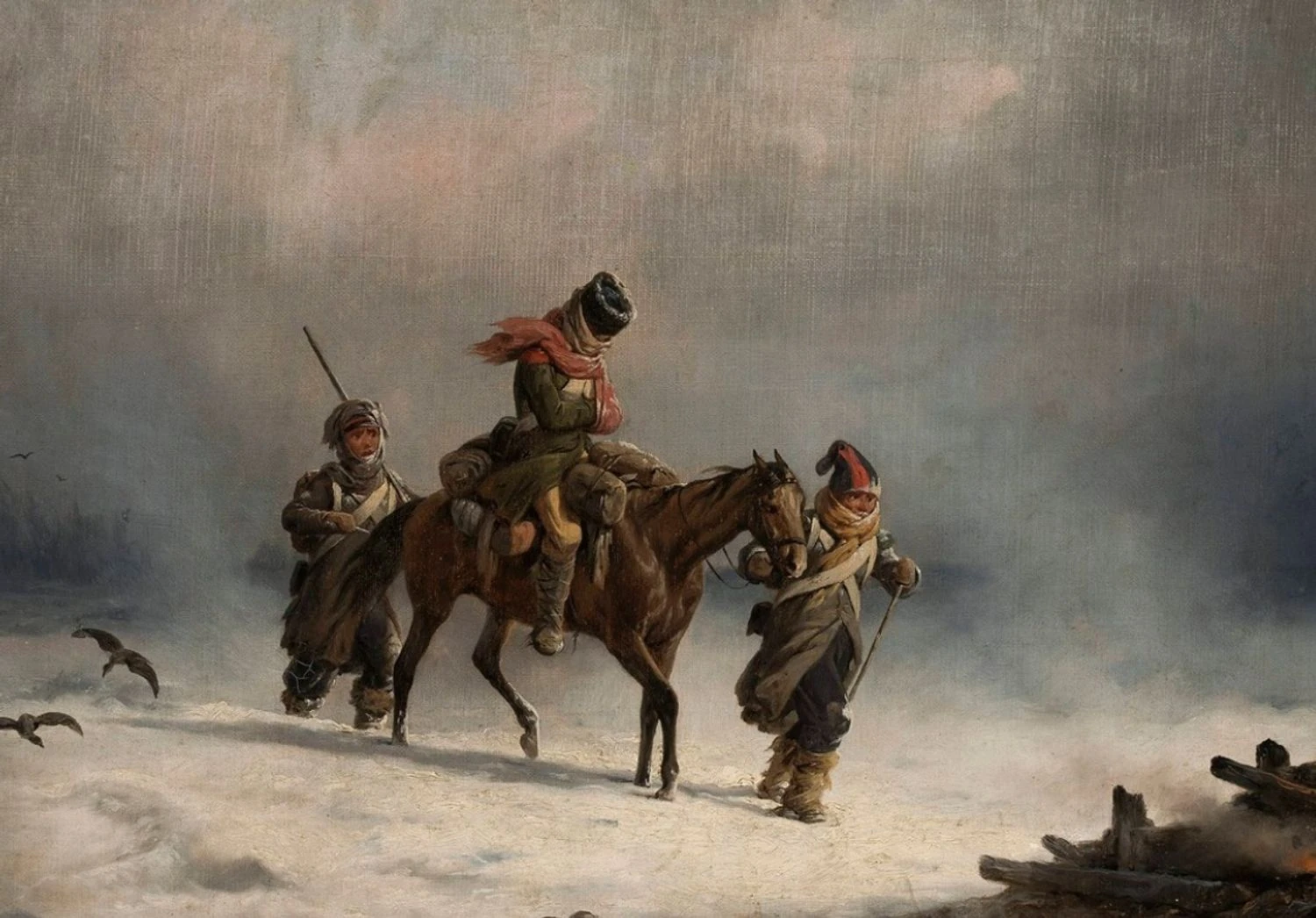
Each tooth provided about 20 million short DNA fragments transcribed into a text file.
Scientists had at their disposal a kind of "DNA soup" containing the DNA of the respective soldier, DNA from soil contaminants, environmental bacteria, and possible pathogens. This data was compared with a database containing the genomes of all microorganisms sequenced to date.
After numerous steps, the authenticity of the DNA fragments was verified, and scientists were able to select fragments that could be unambiguously attributed to pathogens.
Of the 13 soldiers analyzed, four tested positive for the infectious agent Salmonella enterica Paratyphi C (responsible for paratyphoid fever), and two for the agent Borrelia recurrentis, responsible for relapsing fever.
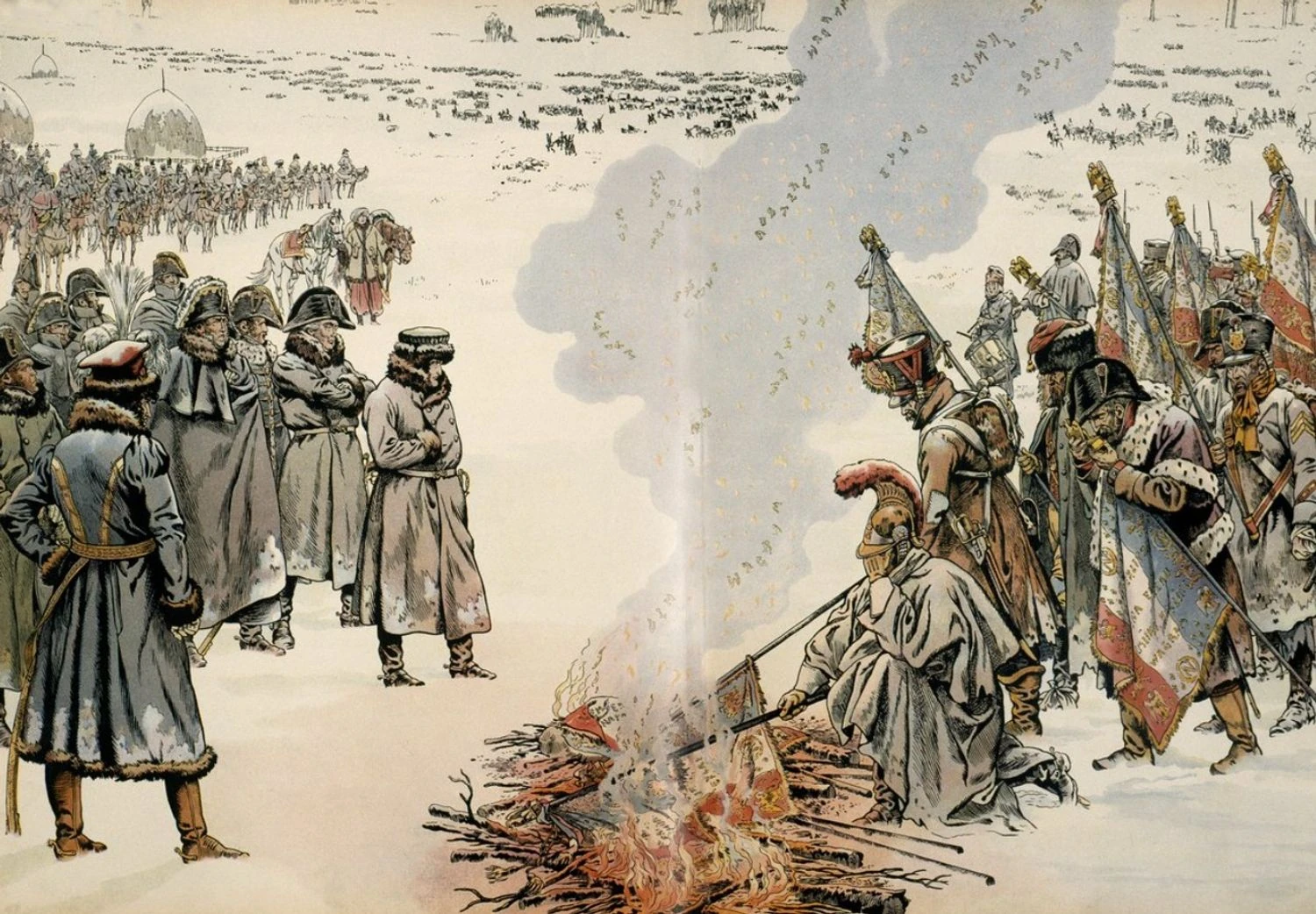
Thus, paratyphoid fever, usually transmitted through food or water, spread among Napoleon's soldiers, with symptoms such as fever, headache, abdominal pain, diarrhea or constipation, weakness, and sometimes a rash.
The "general picture" regarding relapsing fever in the ranks of the French army in the early 18th century was also clarified. It was transmitted by body lice and caused episodes of recurrent high fever with headache, muscle pain, and weakness.
Scientists explain that "the combination of cold, numerous infectious diseases, hunger, and fatigue" can explain the death of a large number of Napoleon's army representatives in the territory of the Russian Empire in 1812.
We also know from historical sources that the ranks of Napoleon's army were already ravaged by epidemics even before the start of the Russian campaign. This is extremely interesting, as it somewhat opens the way to understanding this huge health crisis.
Recall
In May 2025, one of Napoleon Bonaparte's most famous bicornes was put up for sale in Paris, estimated at 800,000 euros.