










Anniversary of the Ilovaisk tragedy: a symbol of Russia's perfidy
Kyiv • UNN
August 29 marks the 11th anniversary of the Ilovaisk tragedy, when Ukrainian military personnel were encircled. Despite agreements on a "green corridor," Russian troops treacherously opened fire on Ukrainian convoys.

Today, August 29, marks the 11th anniversary of the Ilovaisk tragedy, which became a "black day" for Ukraine during its Independence. The battles for Ilovaisk in Donetsk region lasted from August 6 and effectively ended on August 29, when Ukrainian soldiers found themselves in a "cauldron" and began to withdraw from the city. The column of Ukrainian troops had agreements with militants and the Russian leadership that the Armed Forces of Ukraine would be given a "green corridor", however, after only a few hours of leaving the city, Russian military and militants treacherously opened fire on Ukrainian soldiers, writes UNN.
Beginning of ATO
April 14, 2014, marked a new stage in the history of independent Ukraine. On this day, acting President Oleksandr Turchynov signed a Decree on the start of the Anti-Terrorist Operation (ATO) – the state's response to an attempt at external invasion and internal destabilization.
The operation aimed to liberate the territories of Donetsk and Luhansk regions seized by pro-Russian militants.
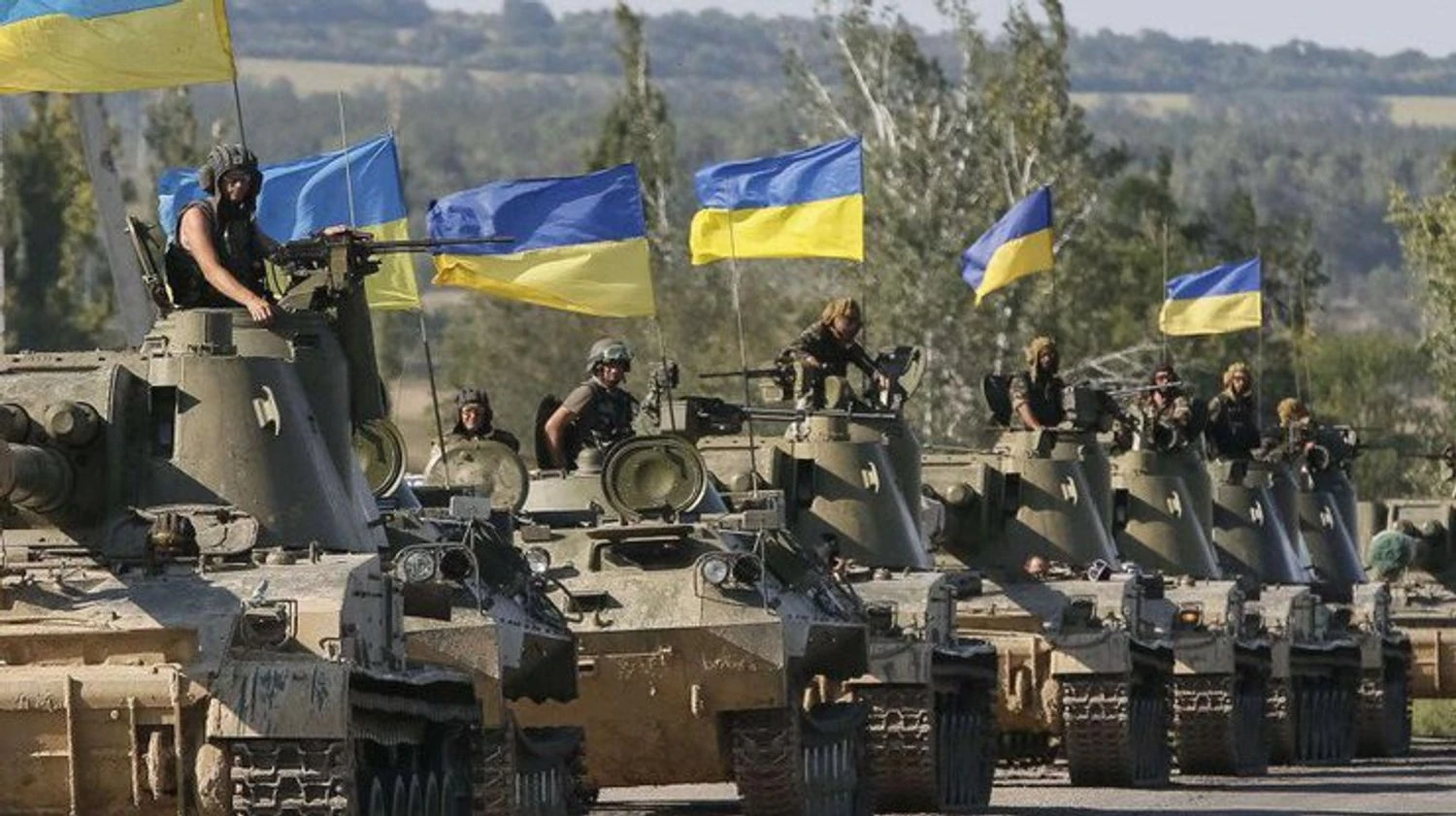
In the summer of 2014, Ukrainian forces began to liberate the occupied territories. In July, ATO fighters regained control over Sloviansk, Sievierodonetsk, Lysychansk. The operation to deblock the Luhansk airport began. One of the "black days" in Ukrainian history was the battles for Ilovaisk in Donetsk region.
11 years since the beginning of the ATO: How it all started in the east14.04.25, 07:30 • 119871 view
Battles for Ilovaisk
On August 4, 2014, the ATO headquarters decided to conduct an operation to partially encircle Donetsk in order to take control of the main communication routes. The first assault on Ilovaisk began on August 6. By August 20, Ukrainian units managed to partially take control of the city.
A decisive role in subsequent events was played by the fact that Russia openly began to send its military formations to help the separatists.
As a result of fierce unequal battles, as of August 28, Ukrainian troops were surrounded.
By August 28, the route for the withdrawal of Ukrainian troops via a "green corridor" in two columns had been discussed with the Russian side. However, on the night of August 28-29, the Russian side conveyed to the then Chief of the General Staff - Commander-in-Chief of the Armed Forces of Ukraine Viktor Muzhenko the condition to withdraw without equipment.
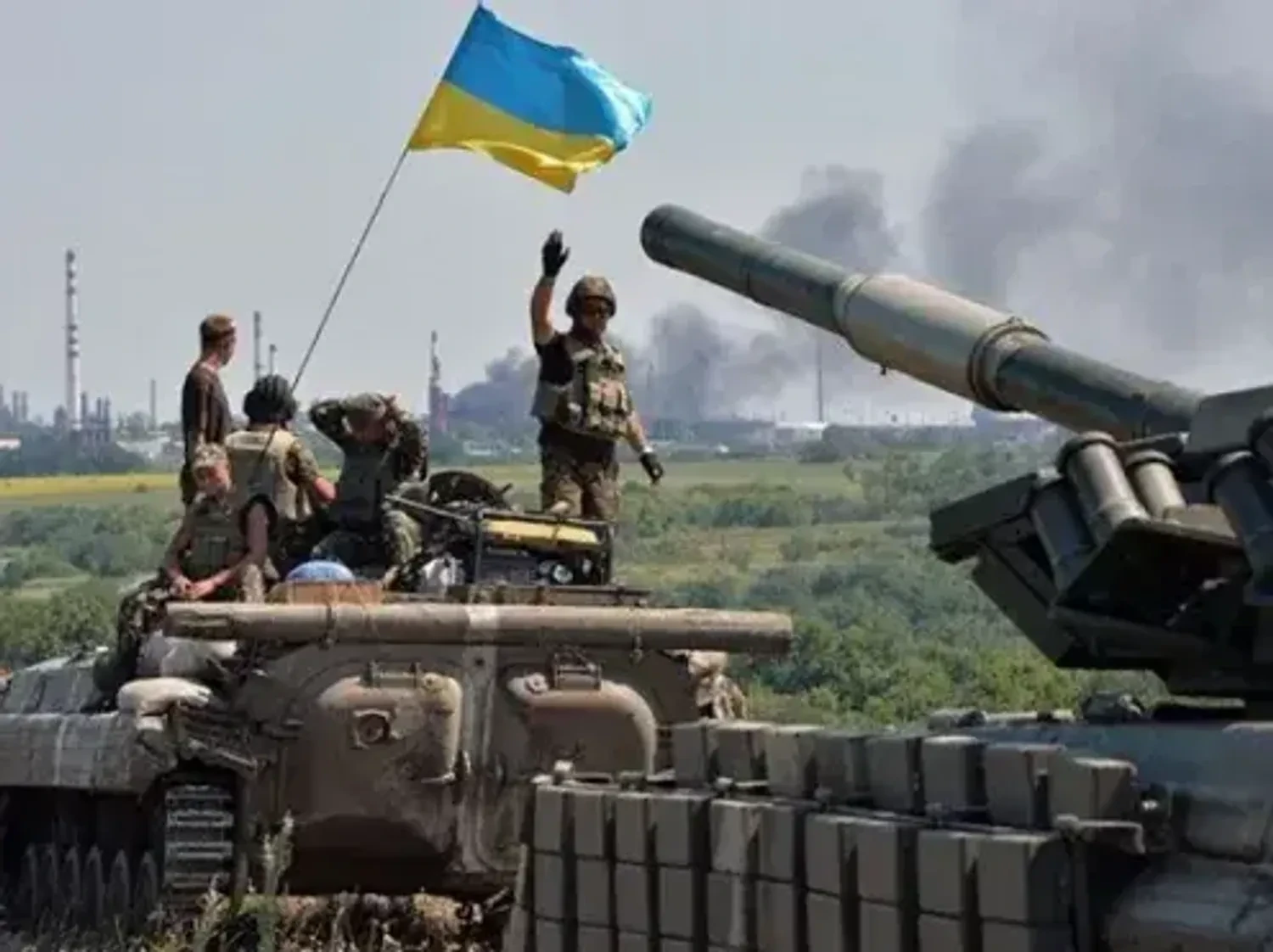
"It was agreed with the Russian side that our columns would withdraw along pre-agreed routes, which were designated as a humanitarian corridor. The initial conditions were for our units to withdraw with equipment and weapons from Ilovaisk itself. In the villages of Hronomichne and Mnogopillya, two columns were formed, and they would exit along two routes – one northern, the other southern – to the Starobesheve area. These routes were agreed upon with the Russians as routes for our units to withdraw under their guarantees. On August 28, around 11 p.m., the first deputy chief of the General Staff of the Russian Armed Forces, General Bogdanovsky, contacted me and said that the conditions were changing, and withdrawal was only possible if equipment and weapons were left behind. This was unacceptable to us, and it was planned to go for a breakthrough, which was supposed to start at 3 a.m. on August 29. It did not start. Because at a lower level, it was decided to withdraw under the guarantees of the Russian side," Muzhenko said in August 2025.
At 1 a.m. on August 29, a statement from Russian dictator Vladimir Putin to terrorists appeared on the Kremlin's website, calling for a "humanitarian corridor" to be opened for Ukrainian military personnel who were surrounded.
Withdrawal from Ilovaisk
On the morning of August 29, two columns began to form for the withdrawal from Ilovaisk: the northern column with the code name "Bulava" and the southern one - "Viter". Our military, in two organized columns, began to withdraw from Ilovaisk along previously agreed routes. At first, the Ukrainian columns moved unhindered past Russian fortified positions.
"Bulava" under the command of Ruslan Khomchak consisted of units of the 17th Separate Tank Brigade, separate units of the 93rd Separate Mechanized Brigade, "Dnipro-1", "Svityaz", "Myrotvorets", "Kherson", "Ivano-Frankivsk", 3rd BTGr of the 51st Separate Mechanized Brigade and "Kryvbas" - a total of 850 servicemen of the Armed Forces of Ukraine and 222 fighters of volunteer battalions of the Ministry of Internal Affairs. The column included 3 T-64BV tanks of the 17th Separate Tank Brigade, 1 T-64BV tank of the 51st Separate Mechanized Brigade and several BMPs of these brigades.
The column moved along the route Mnogopillya - Hronomichne - Novodvirske - Mykhailivka — Andriivka - Horbatenko - Chumaky - Novokaterynivka. It stretched over a very long distance: the head of the column was in Svitloye, while the tail had not yet left Hronomichne.
Before reaching the farmstead Horbatenko, in the tract Chervona Polyana, Russian troops destroyed 6 Ukrainian BMPs, several trucks and buses from the column of police units "Dnipro-1", "Svityaz", "Myrotvorets", "Kherson" and "Ivano-Frankivsk".
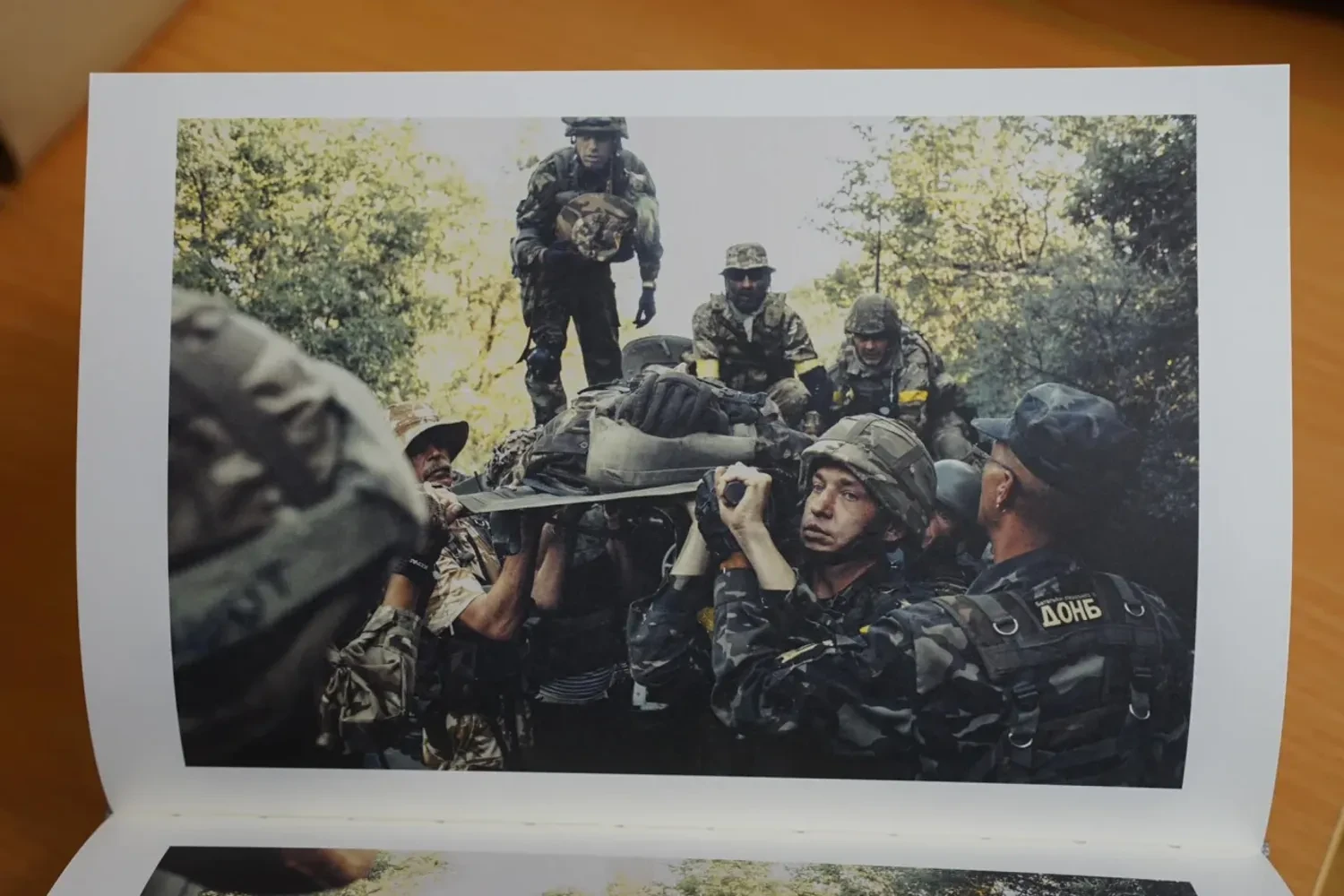
In the Novokaterynivka area, the head of the column, which had 4 tanks and several BMPs, noticed 3-4 dug-in Russian tanks and 4 BMPs. The armored vehicles of both sides exchanged fire, but 3 Ukrainian BMPs were almost immediately hit by the enemy. The tank company commander ordered to abandon the equipment, which detonated almost immediately after the crew evacuated. 42 soldiers of the 17th Separate Tank Brigade and 93rd Separate Mechanized Brigade who evacuated were able to walk out of the encirclement on August 30.
The southern column "Viter" under the command of Oleksiy Hrachov consisted of the BTGr of the 93rd Separate Mechanized Brigade (293 people), a group of the 3rd Special Purpose Regiment (30 people), units of the 39th Territorial Defense Battalion and "Kryvbas" (a total of 50-60 people), "Donbas" and 50-60 fighters from other units of the Ministry of Internal Affairs and the Armed Forces of Ukraine - a total of 650 people. The column included two tanks: a captured Russian T-72B3 and a T-64BV from the 93rd Separate Mechanized Brigade.
The column moved along the route Mnogopillya - Chervonosilske - Osykove - Pobeda - Novokaterynivka.
The head of the column with the captured T-72B3 tank and most of the armored vehicles managed to pass Chervonosilske when Russian troops opened fire on the column.
The T-64BV of the 93rd Separate Mechanized Brigade was the first to be hit, thus almost all automotive transport from the second half of the column was cut off and did not pass Chervonosilske.

The cut-off tail of the column with vehicles, instead of trying to break through Chervonosilske further, made an unexpected turn towards the positions of Russian units. The Russians managed to destroy several trucks and 2 Ukrainian BMP-2s with fire, but the "Donbas" fighters were able to suppress the resistance and entrench themselves in the settlement. As a result of the attack, at least 2 T-72B3 tanks of the 6th Tank Brigade were captured - one was burned almost immediately, the other was heavily damaged.
In addition to equipment, 4 Russian servicemen were captured. In Chervonosilske, the following were concentrated: the "Donbas" battalion, groups of fighters from the 3rd Special Purpose Regiment, the 39th Territorial Defense Battalion, and soldiers from other units - a total of about 300 people, 70 of whom were wounded. Their fate was decided for more than a day.
On August 30, according to an agreement with Russian officers, the Chervonosilske group left their weapons in the village and on August 31 were handed over to representatives of the Red Cross in exchange for captured Russian servicemen. However, the fighters of the "Donbas" battalion, of whom there were 108 people, were not released, but handed over to the militants of the so-called "DPR", who transported the Donbas fighters to Donetsk and held them captive.
Losses and Commemoration
According to the General Staff, in August 2014, in the battles for Ilovaisk in August 2014, the Ukrainian army lost 220 servicemen, 40 went missing.
In 2019, President of Ukraine Volodymyr Zelenskyy, "in support of public initiatives and with the aim of honoring the memory of servicemen and participants of volunteer formations who died in the struggle for the independence, sovereignty, and territorial integrity of Ukraine, perpetuating their heroism, strengthening patriotic spirit," established in Ukraine the Day of Remembrance of Defenders of Ukraine who died in the struggle for the independence, sovereignty, and territorial integrity of Ukraine, which is celebrated annually on August 29.