









The oldest whale bone tools found in Spain: details of the find
Kyiv • UNN
Scientists have discovered 20,000-year-old whale bone tools in Spain. The find indicates a close connection between ancient people and the marine environment.

The artifacts found provide a new understanding of the relationships between humans and whales in the Late Paleolithic period. Also, the identification suggests that the Bay of Biscay, north of Spain and west of France, was an ecologically rich area.
UNN reports with reference to El Pais and Nature Communications.
Details
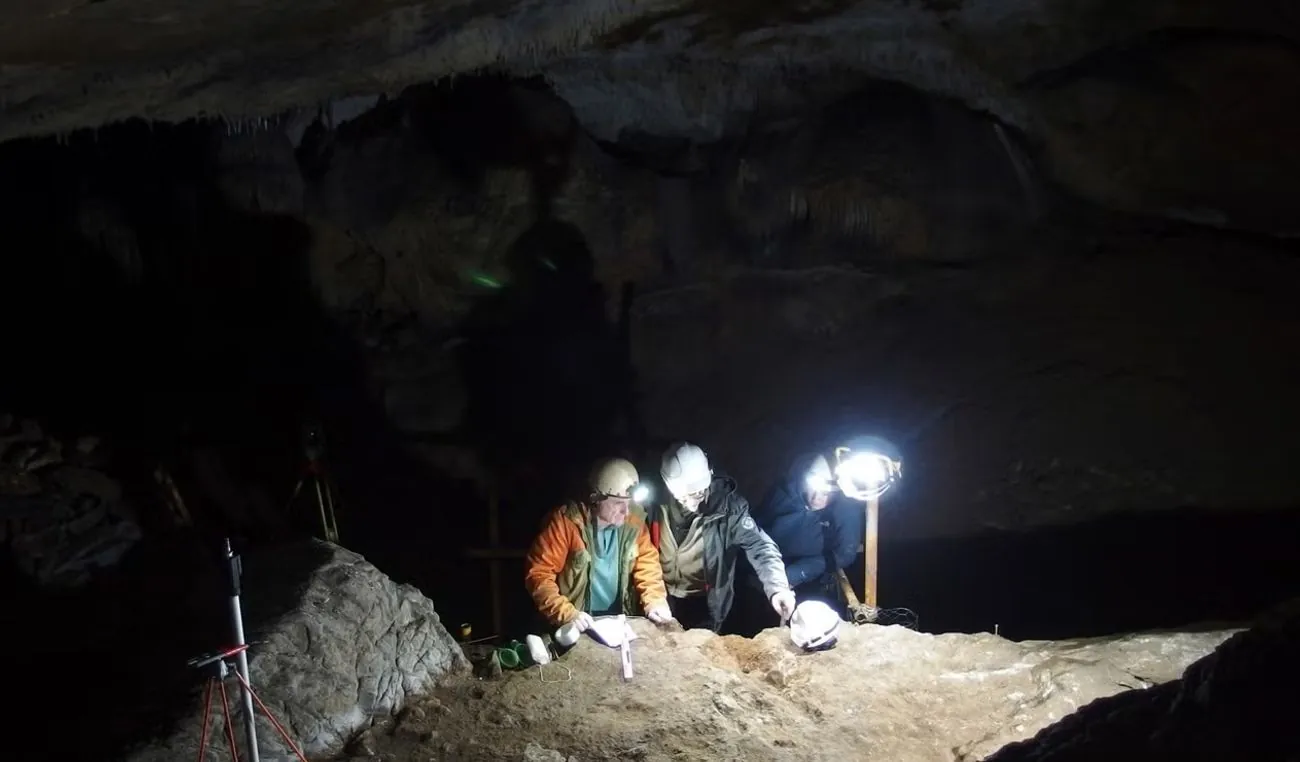
A recent study sheds new light on the ancient relationship between humans and whales 20,000 years ago, in the Late Paleolithic era in the Bay of Biscay region (Spain). Scientists analyzed 83 bone tools and 90 bone fragments from the Santa Catalina cave. Researchers were able to accurately identify several species of cetaceans and determine the period of use of these remains. Advanced tools were used during the work:
- mass spectrometry (ZooMS);
- radiocarbon dating;
- isotopic analysis.
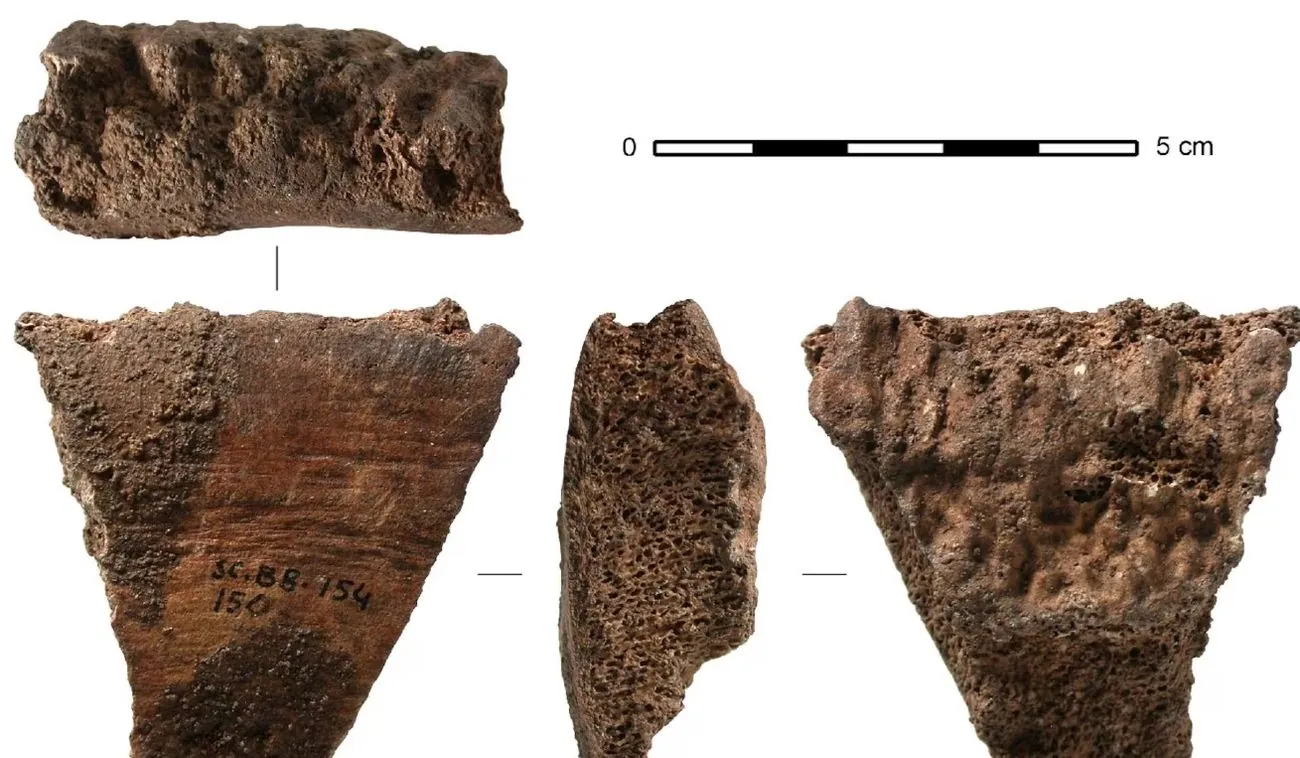
The collected data show that the bones belong to at least six different species of large cetaceans:
- sperm whales;
- fin whales;
- blue whales;
- gray whales;
- North Atlantic right whales;
- Greenland whales
Some of them have traces of blows, which may indicate the possible removal of meat or fat.
Comment
Whale bones and other products were likely used for a variety of purposes. The fact that some of these baleen whale artifacts were transported over long distances suggests that they were valuable and potentially highly desirable items
"Our results suggest that marine resources and coastal habitats were more important to some prehistoric communities than is usually thought," she concludes.
Human-whale interaction in the Paleolithic
Reconstructing the early use of whale products has been a challenge for science due to the fragility of coastal sites and the effects of marine erosion and sea level rise.
After sea levels reached their lowest point about 20,000 years ago, they rose by more than 100 meters at the end of the last ice age, flooding coastal areas once inhabited by these groups
Paleolithic hunter-gatherers maintained a close connection with the marine environment, the expert noted, thanks to the discovery of resources such as shellfish, fish and seabirds.
Cetaceans, however, have been less studied. There is no evidence of organized whaling in the European Paleolithic. The necessary technologies, such as marine navigation or specialized weapons, had not yet been developed. People used carcasses thrown on the beaches.
Human groups settled on the coast, although the use of stranded whales "did not play a central role in the survival strategies of Paleolithic hunter-gatherers who lived in the Bay of Biscay at the end of the Ice Age."
In general, the new study highlights the "wide variety of whale species discovered" on the northern coast of Spain. The results demonstrate how marine resources played an important role in the daily and cultural life of Paleolithic communities in southwestern Europe.