










Sun allergy: doctor spoke about symptoms and causes
Kyiv • UNN
Allergist Maya Ruselevich explained that sun allergy is photodermatosis caused by UV radiation. She described symptoms, risk factors, and prevention methods, including sun avoidance and the use of protective measures.

Sun allergy is a generalized term for various photodermatoses. What can cause sun allergy and how to deal with it was exclusively told to UNN by allergist, pulmonologist and pediatrician, Ph.D., healthy lifestyle doctor Maya Ruselevych.
What are the forms of sun allergy
Sun allergy is a generalized term for various photodermatoses. These are skin diseases that occur as a response to ultraviolet radiation exposure
According to her, the most common forms are solar urticaria.
"This is an immediate reaction in the form of blisters, redness after UV radiation. These can be phototoxic, photoallergic reactions caused by the interaction of the sun with certain substances - medications, cosmetics, possibly essential oils," she pointed out.
The allergist also noted that polymorphic light eruption can occur.
This is a rash, itching, blisters that can appear one or two days after sun exposure. There is also actinic keratosis. This is a chronic form that often occurs in people with sensitive skin and can have seasonal exacerbations
Symptoms of sun allergy
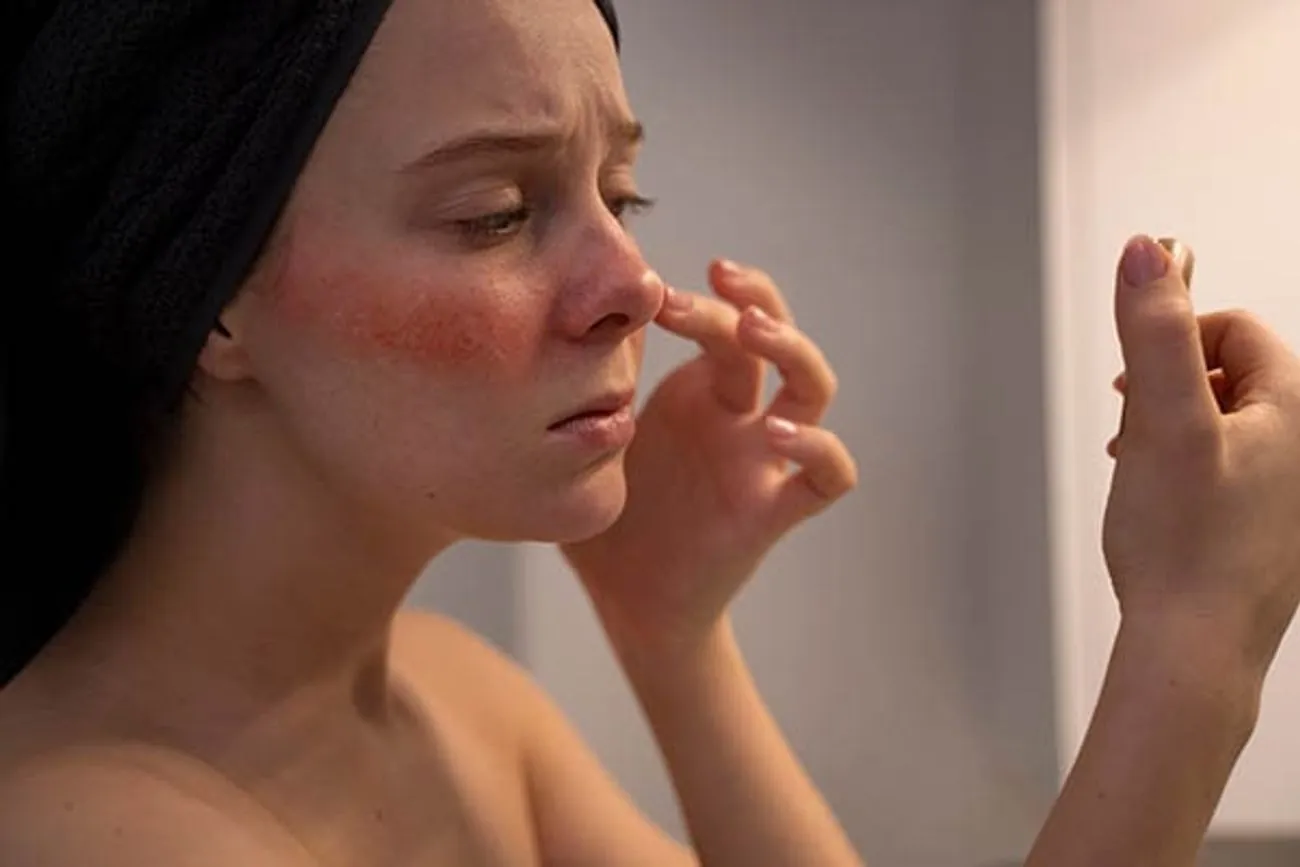
Ruselevych said that among the symptoms can be redness on the skin, itching.
There may be a rash, like spots, blisters. There may also be swelling, dryness, peeling. Symptoms usually appear on exposed areas of the body - face, hands, forearms, neck. They can appear both a few minutes and a few hours after sun exposure
What causes sun allergy?
Ruselevych explained that the main factor in the occurrence of sun allergy is ultraviolet radiation - these are UV-A and UV-B rays.
The reaction can be enhanced in people who have a genetic predisposition, who take various medications, for example, antibiotics, diuretics and non-steroidal anti-inflammatory drugs. People who use perfumes, cosmetics that contain photosensitizers that can cause a reaction. Also people who suffer from immune system diseases, for example, systemic lupus erythematosus
The allergist also explained who has a higher chance of having a sun allergy.
"In people with fair skin, that is, the first and second phototypes. In women, very often due to hormonal background and the use of cosmetics. This can be a patient whose family already has a family history of photodermatoses. People with autoimmune diseases and those who take photosensitizing drugs," said Ruselevych.
How to protect your hair in summer: trichologist's advice 09.06.25, 08:45 • 252995 views
Are there causes of sun allergy that can be avoided?
"Yes. It is better to avoid cosmetics and perfumes with fragrances or essential oils before going out in the sun. Medications that increase sensitivity to the sun," said Ruselevych.
"Also, excessive sun exposure without adaptation (negatively affects - ed.). Especially in spring, on vacation, when we suddenly get into the sun," explained the allergist.
She noted that it is important to have sufficient skin protection through clothing, a hat and sunscreen.
How to deal with sun allergy?
Ruselevych noted that first of all - it is prevention.
You need to avoid sun exposure, especially from 11:00 to 16:00, even until 17:00 depending on where you are. Wear protective clothing, a hat, glasses. Use sunscreen with SPF 50 and preferably with physical filters. These are zinc oxide, titanium dioxide, mineral filters

She noted that medication therapy should be used after consulting a doctor.
"You can take antihistamines. Sometimes it is necessary to prescribe topically, recommend steroids, if there is significant inflammation. Phototherapy, as complex cases of deformation of tolerance to the sun. Of course, there should be lifestyle correction, avoiding triggers and keeping an observation diary with which you can consult a doctor," said Ruselevych.
Sun protection: tips and myths from a dermatologist07.04.24, 10:44 • 133604 views