









Mattel unveiled Barbie with Type 1 Diabetes
Kyiv • UNN
Mattel has released the first Barbie doll with Type 1 diabetes, equipped with an insulin pump and a glucose meter. This toy is part of a series that aims to reflect diversity and inclusivity.

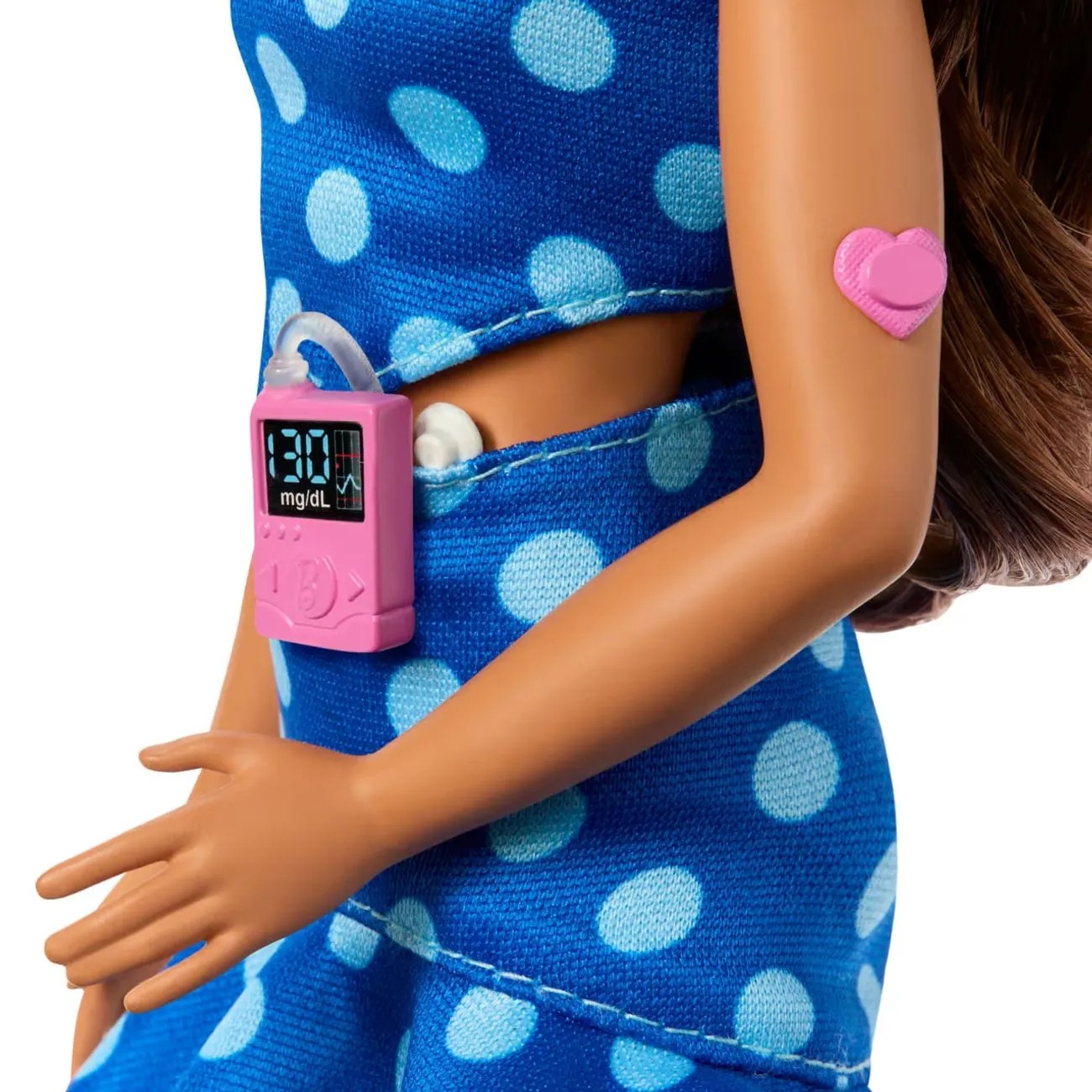
Mattel has announced the release of the first-ever doll with type 1 diabetes. The toy has an insulin pump and a glucometer. This was reported by The Guardian, writes UNN.
Details
Mattel recently introduced the first Barbie doll with type 1 diabetes — the latest addition to a series that the company claims was created "to enable more children to see themselves in dolls and encourage play that goes beyond their own experiences."
Type 1 diabetes is an autoimmune disease in which the body attacks and destroys the insulin-producing cells of the pancreas. It is often diagnosed in childhood, and patients need to monitor their glucose levels and take insulin daily.
The new Barbie was created in collaboration with the global non-profit organization Breakthrough T1D. The doll wears a continuous glucose monitor (CGM) on her arm and uses a heart-shaped (pink, Barbie-style) medical patch to secure it. Barbie also has a mobile phone with a CGM app that helps track blood sugar levels throughout the day.
Barbie has an insulin pump that automatically dispenses insulin as needed, and she also carries a purse large enough to hold all her essentials, such as a snack.
Announcing the release of the new doll, Krista Berger, Vice President of Barbie and Head of Global Dolls, noted that this is "an important step in our commitment to inclusivity and representation."
Addition
The first Black Barbie dolls appeared in the 60s, and Latina ones in the 80s. In the 90s and 2000s, many dolls appeared representing professions where women were underrepresented. Six years ago, there were no Barbie dolls with disabilities.
Currently, the Fashionistas line includes over 175 Barbie variations with different skin tones, eye colors, hair, different body types, and disabilities. These include a blind Barbie, a Black Barbie with Down syndrome, dolls with hearing aids, prosthetics, and wheelchairs, as well as a Barbie with vitiligo.
Barbie is not the only brand that has focused on diversity. For example, Lottie dolls include characters with Down syndrome and autism, and Lego sells minifigures with physical and invisible disabilities.