










Catamnestic observation: what it is and how it helps children and parents
Kyiv • UNN
Catamnesis is a long-term observation of children at risk, which allows timely detection of deviations and initiation of rehabilitation. The program covers prematurely born children and those who have experienced complex conditions, and includes a multidisciplinary team of specialists.

Prematurely born children, or, for example, infants who had complications in the first days after birth, require additional observation and rehabilitation, which can last not days or months, but years. Such support significantly improves the development of these children and prevents complications. This very observation and treatment is called catamnesis. What it is and how it can help not only the child but also parents, read in the material of UNN.
The Association of Parents of Prematurely Born Children "Early Birds" indicates that 46% of parents have never heard of catamnesis for prematurely born children. At the same time, it is catamnestic care programs that allow minimizing motor and cognitive disorders in premature children.
Catamnestic observation (also known as follow-up) – ensures timely and regular monitoring of the health status and development of children at risk. It consists of early detection of deviations in physical, motor, cognitive, speech, and adaptive development, prevention of possible diseases, and organization of timely referral of children for specialized medical or rehabilitation care.
Which children are subject to catamnestic observation
In addition to premature birth, a whole range of conditions can become grounds for catamnestic observation. In 2025, the Ministry of Health approved an order that clearly defines the list of signs that provide grounds for receiving such support.
The risk group includes children who have at least one of the following signs:
- prematurely born children;
- children with low birth weight;
- children who have suffered severe conditions in the neonatal period (seizures, encephalopathy, sepsis, intracranial hemorrhages, etc.);
- children with genetic diseases;
- children with intrauterine or postnatal growth retardation;
- children with congenital malformations, neurological pathology, and other diseases requiring long-term medical supervision.
Catamnestic observation is usually provided by multidisciplinary hospitals or level III perinatal centers, such as the Kyiv Perinatal Center.
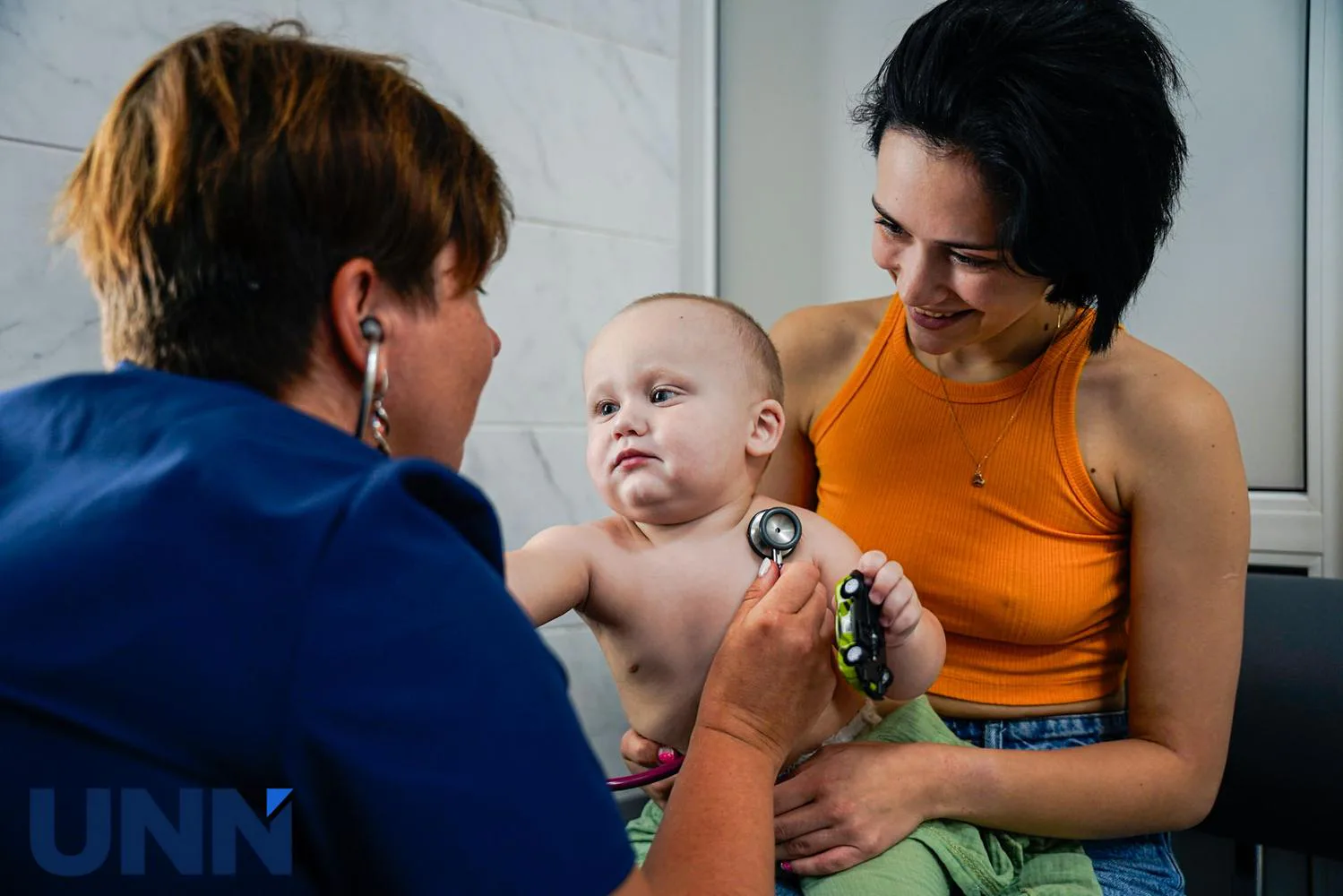
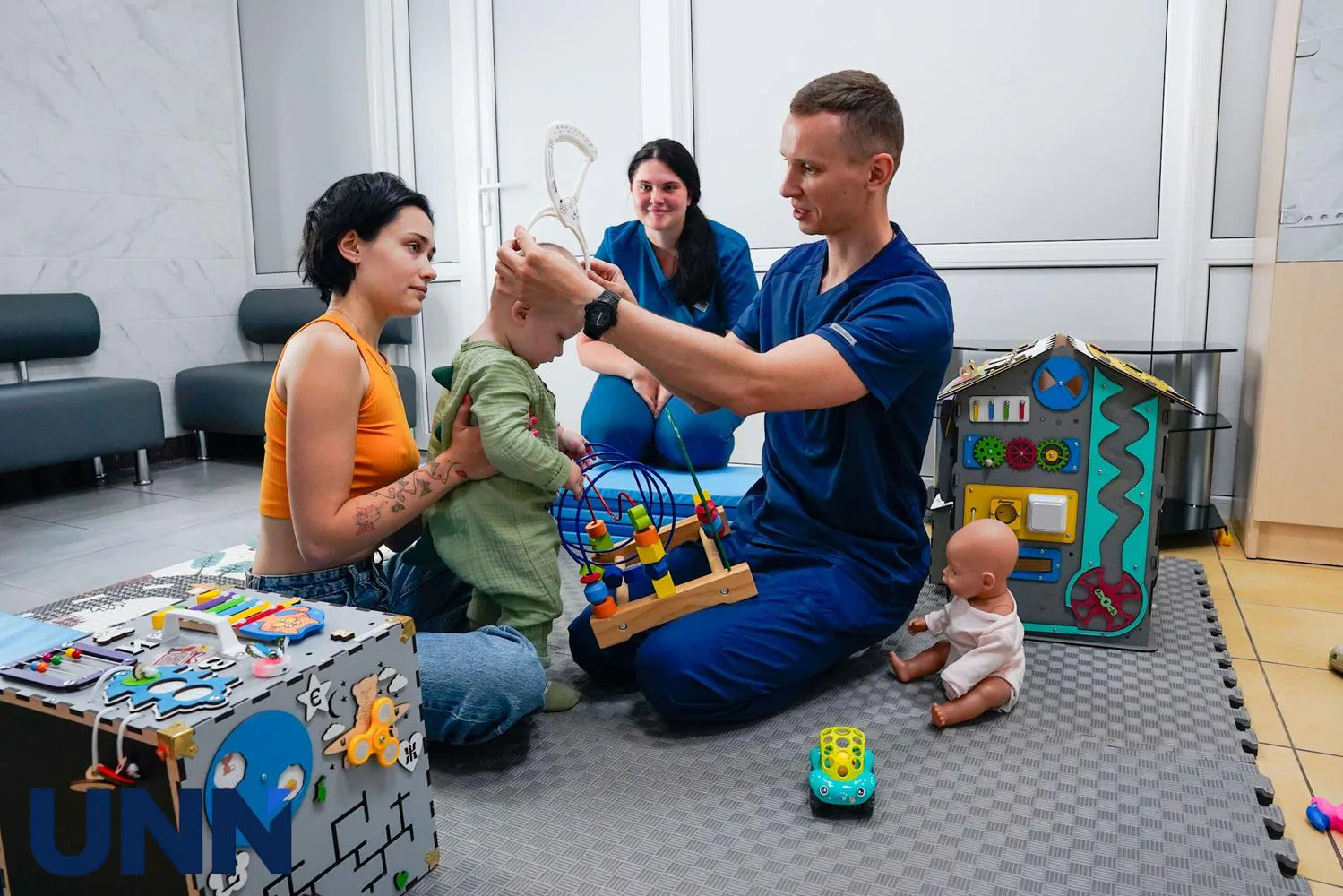
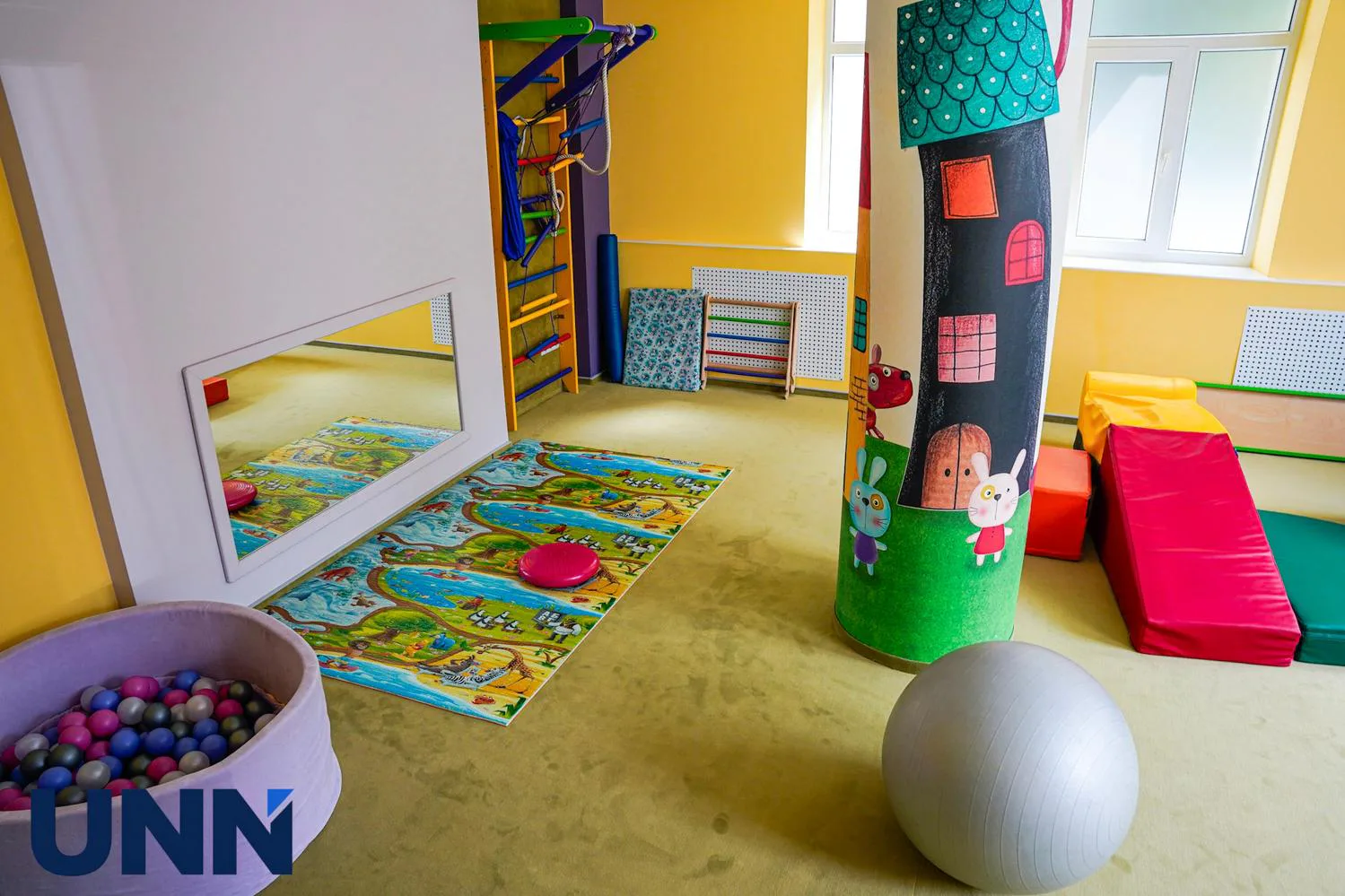
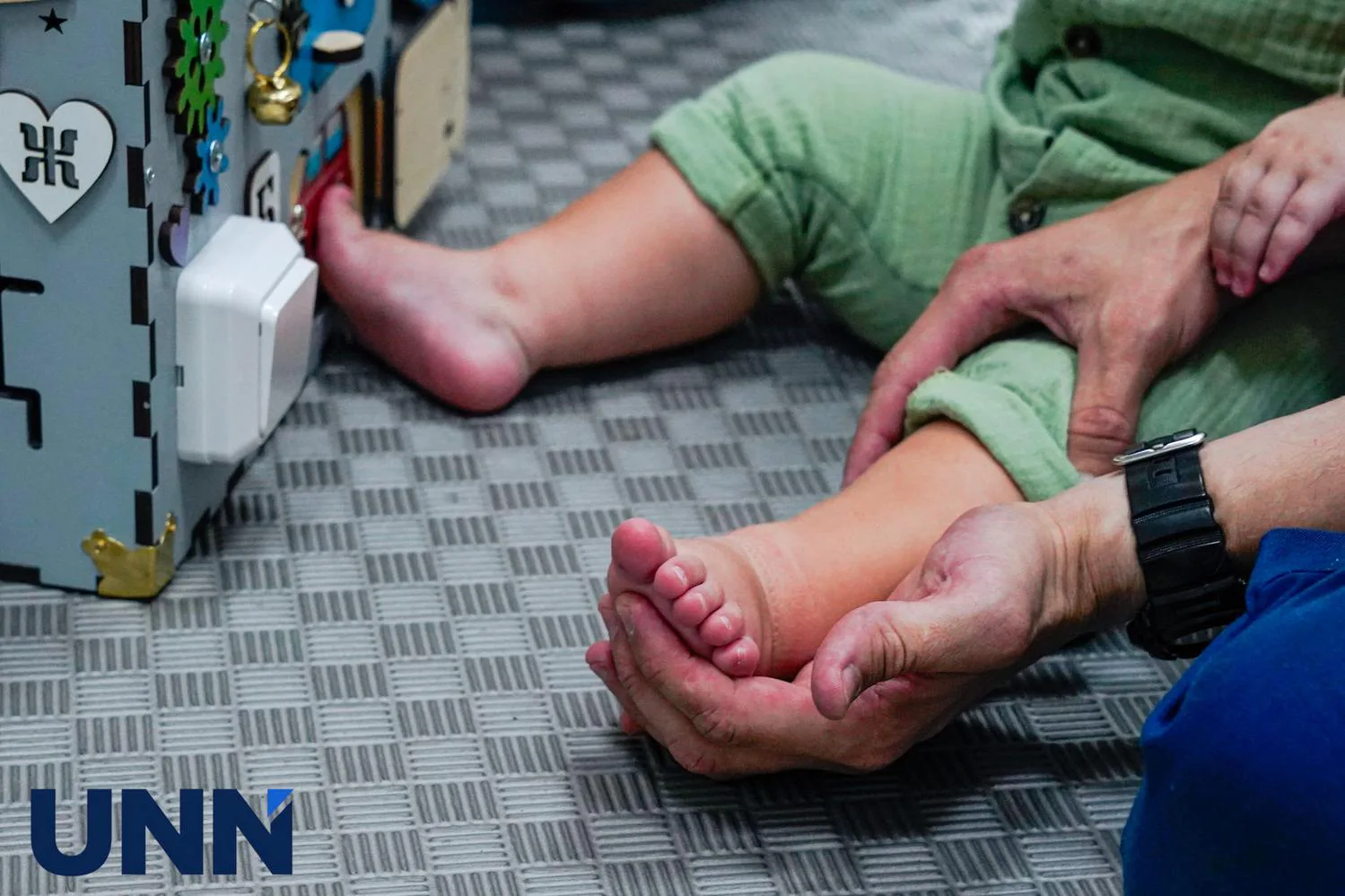
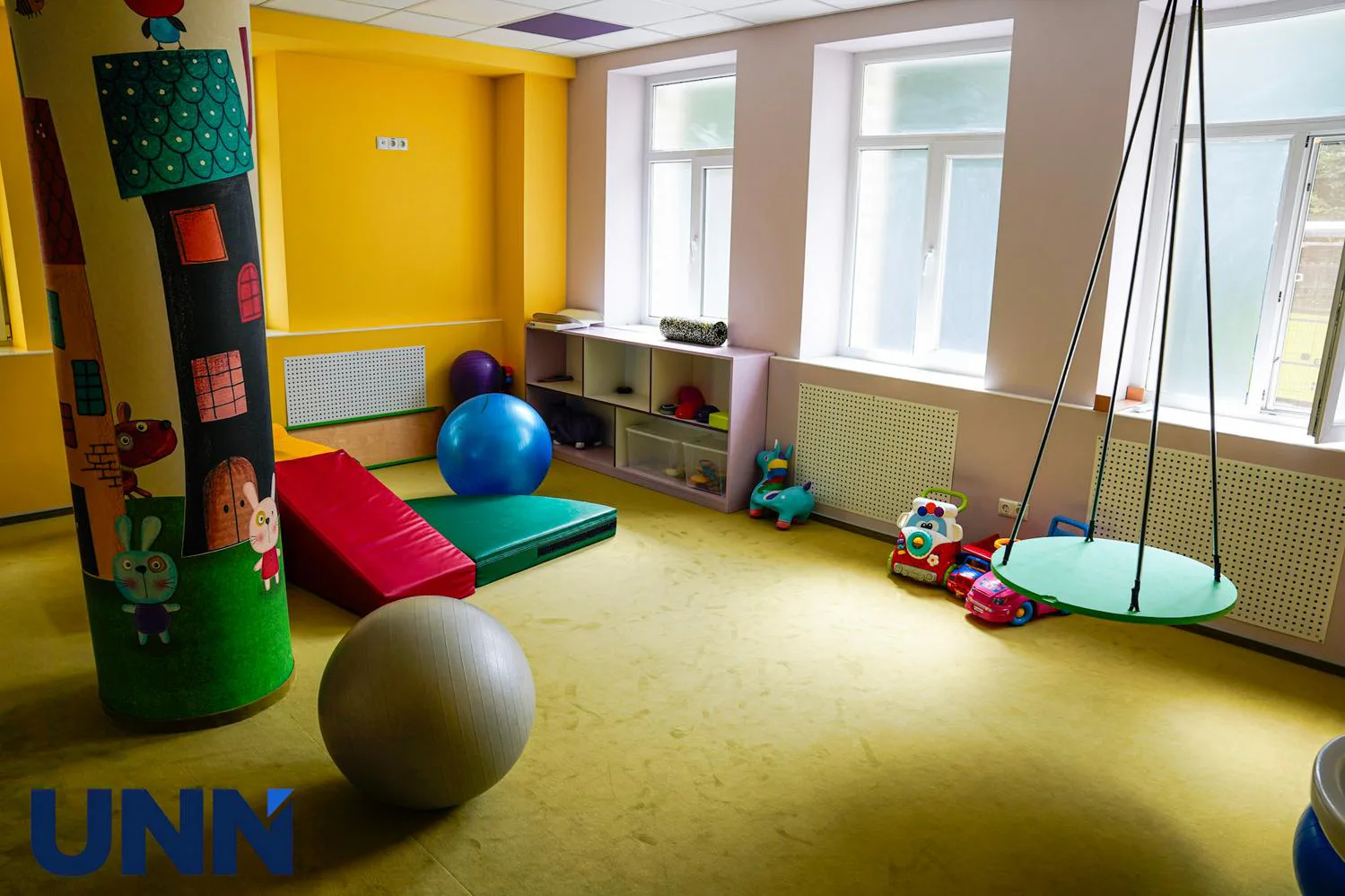
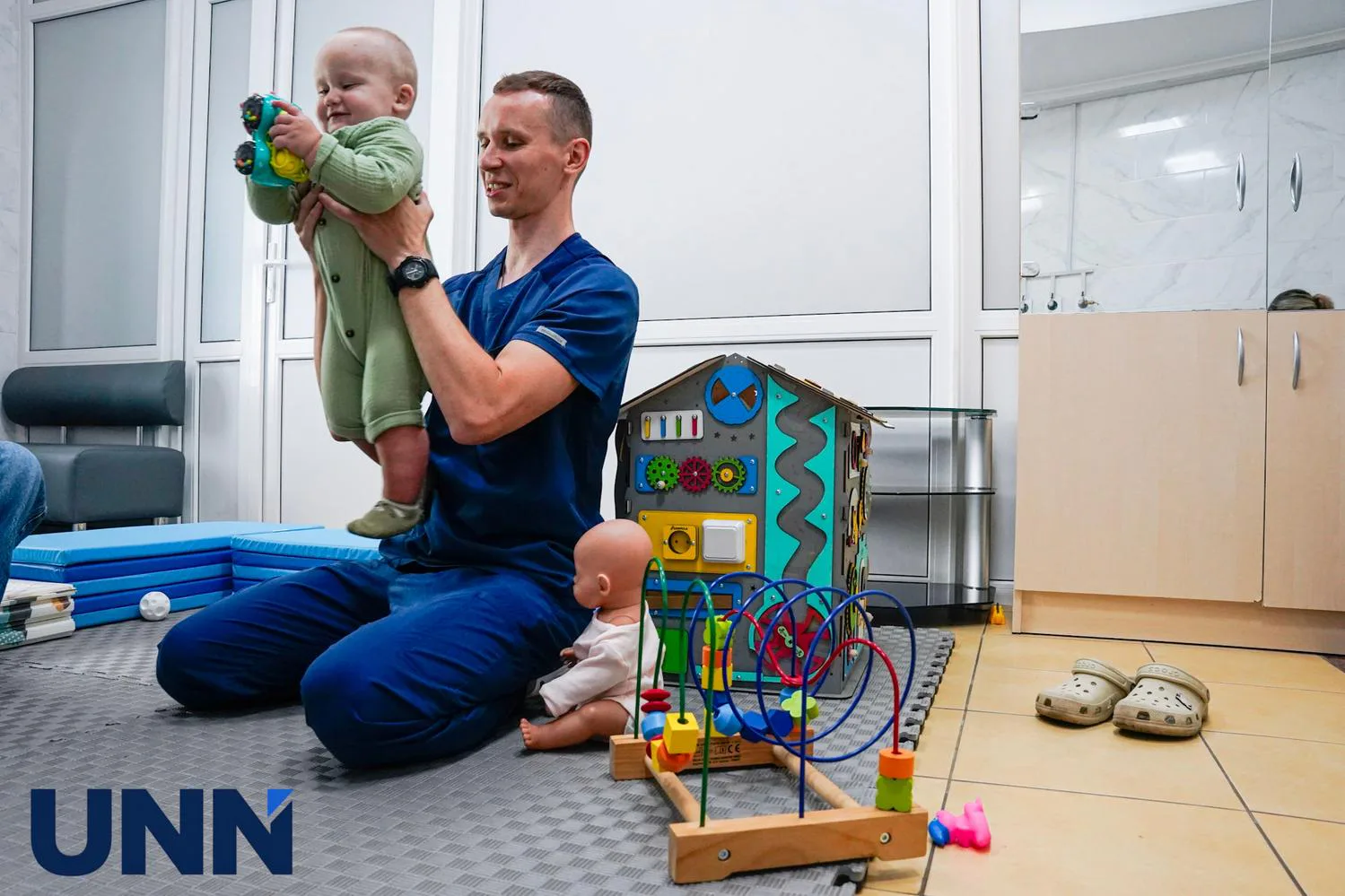
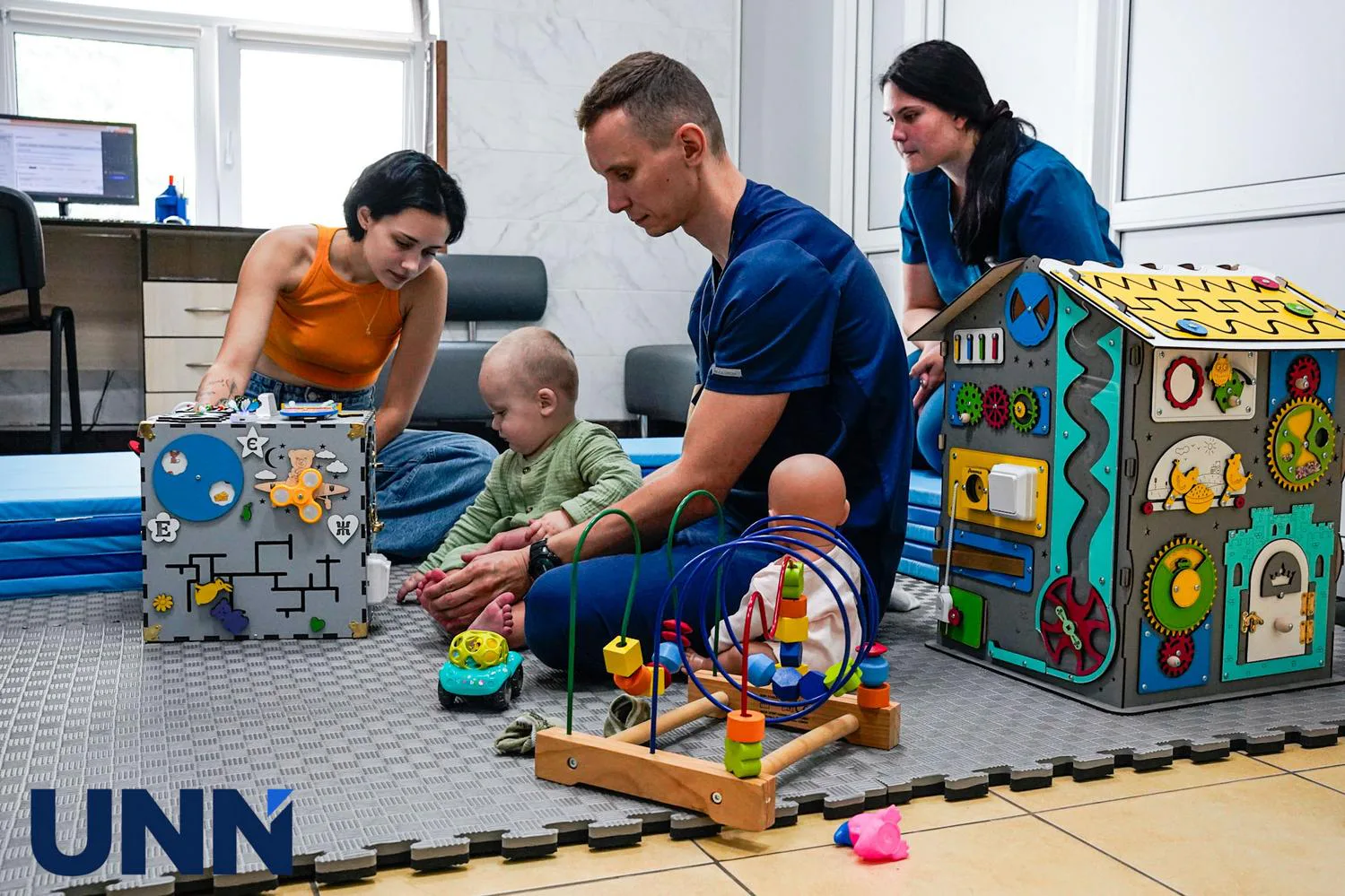
How catamnestic observation takes place
Even before discharge from the maternity ward, parents already know whether the baby needs catamnestic observation, explains pediatrician Nadiia Davydova, who deals specifically with follow-up observation at the Perinatal Center.
"Early detection is early rehabilitation. Early rehabilitation is bringing the child to a functional norm in the future," Davydova emphasized.
With children born at the Perinatal Center, a multidisciplinary team begins working during their inpatient stay at the facility. This makes it possible to provide the child with the necessary rehabilitation from the first days of life, and gives parents an understanding of what care the child needs.
Catamnestic observation at the Perinatal Center is possible up to three years. Specialists, including a physical therapist, a pediatric neurologist, a physical and rehabilitation medicine doctor, a child psychologist, a pediatrician, a neonatologist, a speech therapist, and an occupational therapist, are involved in the process of assessing the child's condition and creating a correction or treatment plan.
"We do not replace the pediatrician who follows the child, but thanks to the multidisciplinary approach, we can comprehensively assess the child's condition and select the help that this particular child needs – someone needs a pediatrician to help them grow and develop harmoniously, someone needs neurological help. And we can provide it," Davydova explains.
Much attention in catamnestic observation is paid to parents' skills and the formation of safe conditions for the child's development. And here a psychologist comes to the rescue. As Svitlana Humeniuk, a practical psychologist at the catamnestic center, said, quite often it is necessary to work with parents to relieve tension, then it will be easier to work with the child, because she will feel safe.
"If we are talking about a child under one year old, then it is necessary to understand that their condition depends on the mother. On how she feels, whether she has resources. The child depends on the mother, and the mother's well-being often depends on the child's well-being. We help ease difficult periods. Crises are inevitable, but they can be navigated more easily. And comfort in the family should be not only for the child but for all family members, then the child will feel better," explains the psychologist.
At the Perinatal Center of the capital, the follow-up observation service is provided at both branches of the institution. Babies born at the center who require additional observation immediately receive a consultation from specialists. If a child was born in another maternity hospital but falls under the need for such observation, parents can get a referral from a pediatrician.