










Blind solidarity and fatal mistakes: how the "Odrex Case" showed that the Ukrainian healthcare system needs a reboot
Kyiv • UNN
The "Odrex Case" became a litmus test for the systemic problems of Ukrainian medicine: imperfect legislation, lack of clear rules of responsibility, and mechanisms of professional control. Experts and politicians emphasize: without medical self-governance and transparent procedures for evaluating medical care, the system is doomed.

The Ukrainian healthcare system has been living in a state of semi-regulation for years. The legislation, which should equally protect both doctors and patients, often does not work in either direction in practice, writes UNN. In some cases, the legislation does not provide doctors with clear rules and guarantees, in others, it leaves patients alone with the consequences of medical errors.
But the greatest threat is not only the imperfection of legislation but also the blind solidarity of doctors, which sometimes turns into conscious cover-ups and justification of gross medical errors by colleagues. In such a situation, the system is virtually deprived of internal mechanisms of self-control and professional responsibility.
As former Minister of Health of Ukraine Oleh Musiy notes, the current model of medical regulation in Ukraine does not create a balance between state control and the professional responsibility of doctors themselves.
Today's legislation, the mechanisms that exist in medicine, do not protect both doctors and patients. This is due to the fact that we still have the old system from Soviet times of health care management. The so-called command-administrative system, where the Ministry of Health, health care departments or local departments and medical institutions are responsible for the medical profession. And doctors themselves do not have such an effective and time-tested good mechanism that exists in countries, for example, in Europe, called professional self-government
It is the lack of professional self-government, according to the ex-minister, that deprives the medical industry of tools for internal assessment of doctors' actions and real response to violations of standards.
People's Deputy of Ukraine Oksana Dmytriieva agrees with him. As Deputy Head of the Committee on National Health, Medical Care and Medical Insurance, she stated that Ukraine lacks clear procedures for access to medical documentation, independent examinations, transparent mechanisms for evaluating medical care, and there is no balance of responsibility between the doctor, the institution, and the owners.
Separate high-profile situations in medicine once again show that we need clear, predictable, and unified rules that simultaneously protect both the patient and the doctor. When conflicts arise, society wants to understand: was quality care provided, was the investigation conducted correctly, who is responsible, and what conclusions will be drawn. But today, Ukrainian legislation lacks mechanisms that ensure transparency and fairness in such cases
According to her, Ukrainian legislation does not contain a clear definition of what a medical incident is, in what cases it is about criminally punishable negligence, and when it is about a clinical error that requires expert review, not a punitive reaction. Dmytriieva announced legislative changes that are intended to protect patients' rights, ensure a fair and professional assessment of doctors' actions, minimize unjustified criminalization of medical practice, and form a culture of patient safety and honesty in medical institutions.
We must take this step – and move from reacting to scandals – to a systemic solution that will serve both people and the medical community
Patient's death and suspicion to two doctors
One of the most striking examples was the death of Odesa businessman Adnan Kivan – a case that formed the basis of the so-called "Odrex Case" and became the beginning of a wide public outcry.
It is known that during the last six months of his life, Adnan Kivan was treated at the "Odrex" clinic. His treatment was handled by oncologist Maryna Bielotserkovska, who, according to the editorial office of UNN, was in contact with the patient's family and provided recommendations for further therapy.
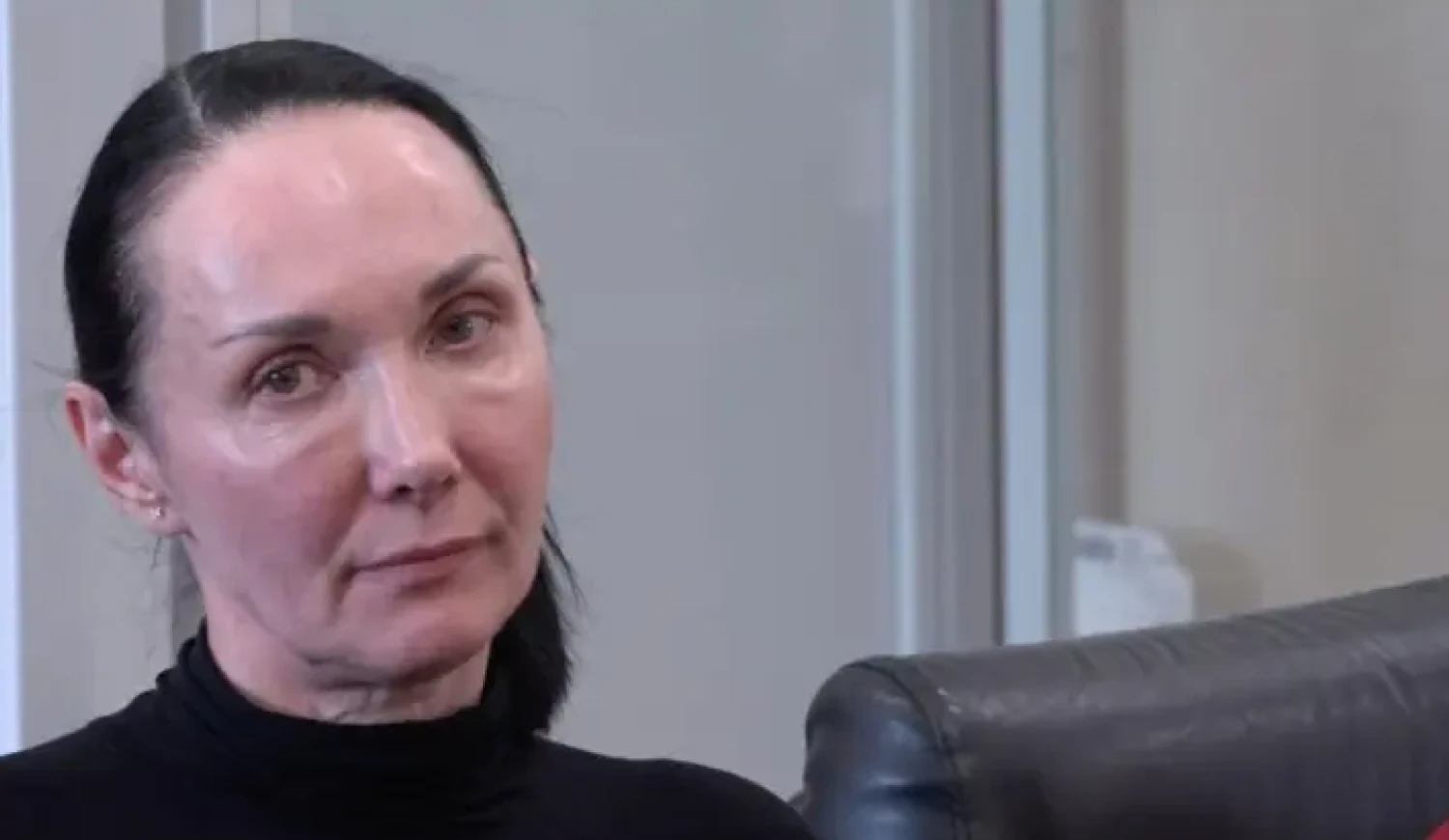
Maryna Bielotserkovska, oncologist
The surgical intervention, however, was performed by surgeon Viktor Rusakov – a long-time acquaintance of the Kivan family. According to information from journalist Zoya Kazanzhy, during his lifetime, Adnan Kivan gave Rusakov an apartment with renovations in a newly built residential complex and a Lexus car. But this did not prevent Rusakov himself, after the death of his patient, from claiming that he had no relation to his treatment.
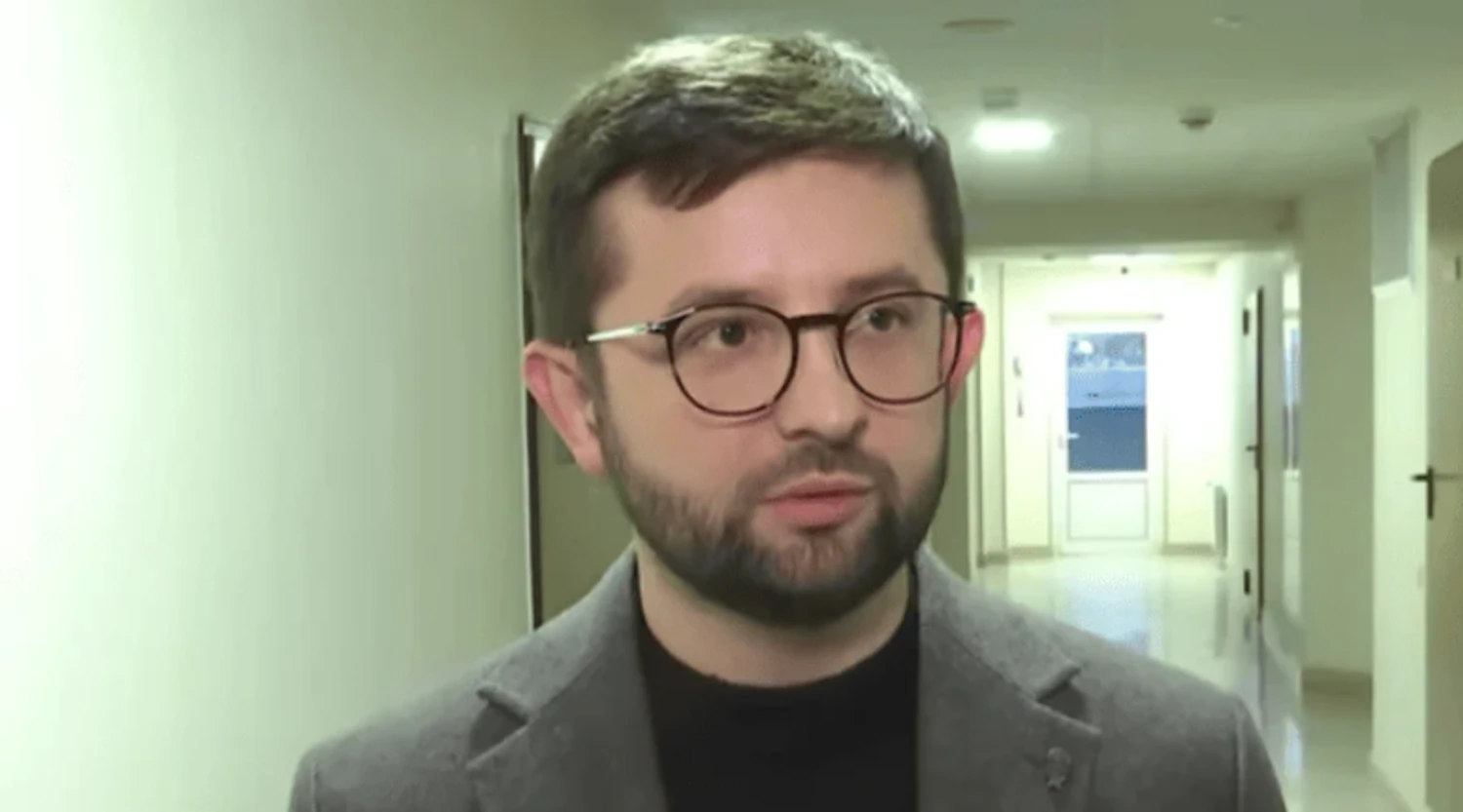
Vitaliy Rusakov, surgeon
Both doctors have been notified of suspicion in the criminal proceedings regarding the death of Adnan Kivan. The medics are charged with improper performance of professional duties, which caused the patient's death (Part 1, Article 140 of the Criminal Code of Ukraine). Currently, both Rusakov and Bielotserkovska have been suspended from medical activity and are under a preventive measure in the form of night home arrest, with the obligation to wear electronic bracelets.
It is also known that after Adnan Kivan's death, oncologist Maryna Bielotserkovska was dismissed from the Odesa clinic in a fairly short time. And, according to the editorial office's own sources at UNN, Odrex did not stop there – part of the medical staff who were involved in Adnan Kivan's treatment were also dismissed.
Investigation findings: direct causal link
The investigation believes that during the provision of medical care to Adnan Kivan, the medics made significant mistakes, as a result of which the patient developed sepsis, which, against the background of the oncological process, led to death.
As noted by the Prosecutor General's Office, the investigation's position is based on the conclusions of the commission's forensic medical examination.
Investigators, based on the conclusions of the examination, believe that the actions of these two doctors caused the patient's death. As evidenced by the commission's forensic medical examination, during the provision of medical care, there was no proper response to signs of complications and no necessary measures were taken for its timely treatment. Experts concluded that medical error, improper performance of doctors' professional duties due to negligent attitude towards them are in a direct causal link with the patient's death
Antibiotics, sepsis and contraindicated procedures
As it became known, surgeon Viktor Rusakov did not prescribe the patient Adnan Kivan the mandatory postoperative antibacterial therapy, which is a generally recognized standard for the prevention of infectious complications after surgical interventions.
The absence of timely antibiotic prescription could lead to uncontrolled development of the infectious process, which subsequently became complicated by a generalized infectious reaction of the body – sepsis.
In addition, medical procedures could have been performed by doctors that were contraindicated for the patient at that time, given his health condition, in particular, pronounced signs of a systemic inflammatory process.
When medical solidarity becomes complicity
Despite the gravity of the accusations, Rusakov received widespread public support from a part of the medical community. However, experts warn: blind defense of a specific doctor without analyzing facts and medical standards not only does not help the system, but also destroys trust in the profession.
According to former Minister of Health of Ukraine Oleh Musiy, a way out of this situation is possible only if a full-fledged medical self-government is created in Ukraine, which would allow the profession to independently react to violations of standards and moral and ethical norms.
In the medical context, this is professional medical self-government in Ukraine, which manages the healthcare system alongside the state. The state is responsible for state matters, and professional matters are the responsibility of its professional corporate organization of medical self-government. And together they manage the system, then this system is balanced and not only doctors benefit from this, but patients also benefit, because there is an appellate body. Unfortunately, today we do not have such a mechanism
Without real control, professional responsibility, and honest self-regulation, medicine risks losing the main thing – patient trust. After all, a "doctor's coat" cannot be an indulgence from responsibility for a lost human life due to negligence or mistakes.
"Odrex Case" as a symptom of a systemic illness of the industry
The death of Adnan Kivan became the central episode of the "Odrex Case" – a story that goes far beyond a single tragedy due to possible medical negligence. The relatives of the deceased and other patients of the clinic insist on a full and impartial investigation, stating numerous cases of possible medical violations in the private medical institution.
That is why the public movement Stop Odrex is gaining more and more support, calling not to keep silent about the problem, but to publicly tell their own stories related to treatment in the private Odesa clinic "Odrex".
Former patients of the clinic and relatives of those who died after treatment there created the website Stop Odrex, which collects stories of victims and publishes news regarding the progress of criminal cases against the "Odrex" clinic. In addition, on the website you can tell your own story related to treatment in Odrex: anonymously or openly; with permission to publish the story on the website and in the media and without.
Relatives of deceased Odrex patients also recorded a video address to law enforcement agencies and authorities. They ask to ensure an honest and transparent investigation, and also call for justice. After all, according to them, it is difficult for ordinary citizens of Ukraine to resist a private clinic that has the support of the Ministry of Health and significant financial resources. Thanks to which it can attract expensive lawyers and implement media campaigns to whitewash its image.