










Quiet hunting: which mushrooms to pick in October and how not to confuse them with poisonous "doubles"
Kyiv • UNN
In autumn, forests abound with porcini mushrooms, aspen boletes, chanterelles, and honey mushrooms, but along with them, dangerous poisonous doubles also appear. It is important to know how to distinguish edible mushrooms from poisonous ones to avoid trouble during "quiet hunting."

Autumn is a golden time for mushroom pickers. Right now, the forests are full of porcini, aspen boletes, chanterelles, and honey mushrooms. But along with useful gifts of nature, dangerous twins also appear — poisonous mushrooms that are easy to confuse with edible ones. How to distinguish safe species from poisonous ones and what rules for collecting must be followed so that "silent hunting" does not turn into trouble, writes UNN.
What mushrooms to pick in autumn: how to distinguish useful from dangerous ones
Autumn is considered the most generous time of year for mushroom pickers - it is now that the forest gives the most varieties of edible mushrooms, so this season is ideal for "silent hunting". Mushrooms feel good in a humid environment, so warm days and abundant dew, which appears due to temperature changes between day and night, create favorable conditions for their growth. If the temperature is lower than normal, only the most resistant species will remain in the forests, among which there are twins of poisonous mushrooms - so beginners should be careful.
In October, depending on the region of Ukraine, you can find porcini mushrooms, birch boletes, aspen boletes, russulas, chanterelles, honey mushrooms, and milk caps - these are the ones that most often end up in mushroom pickers' baskets this month.
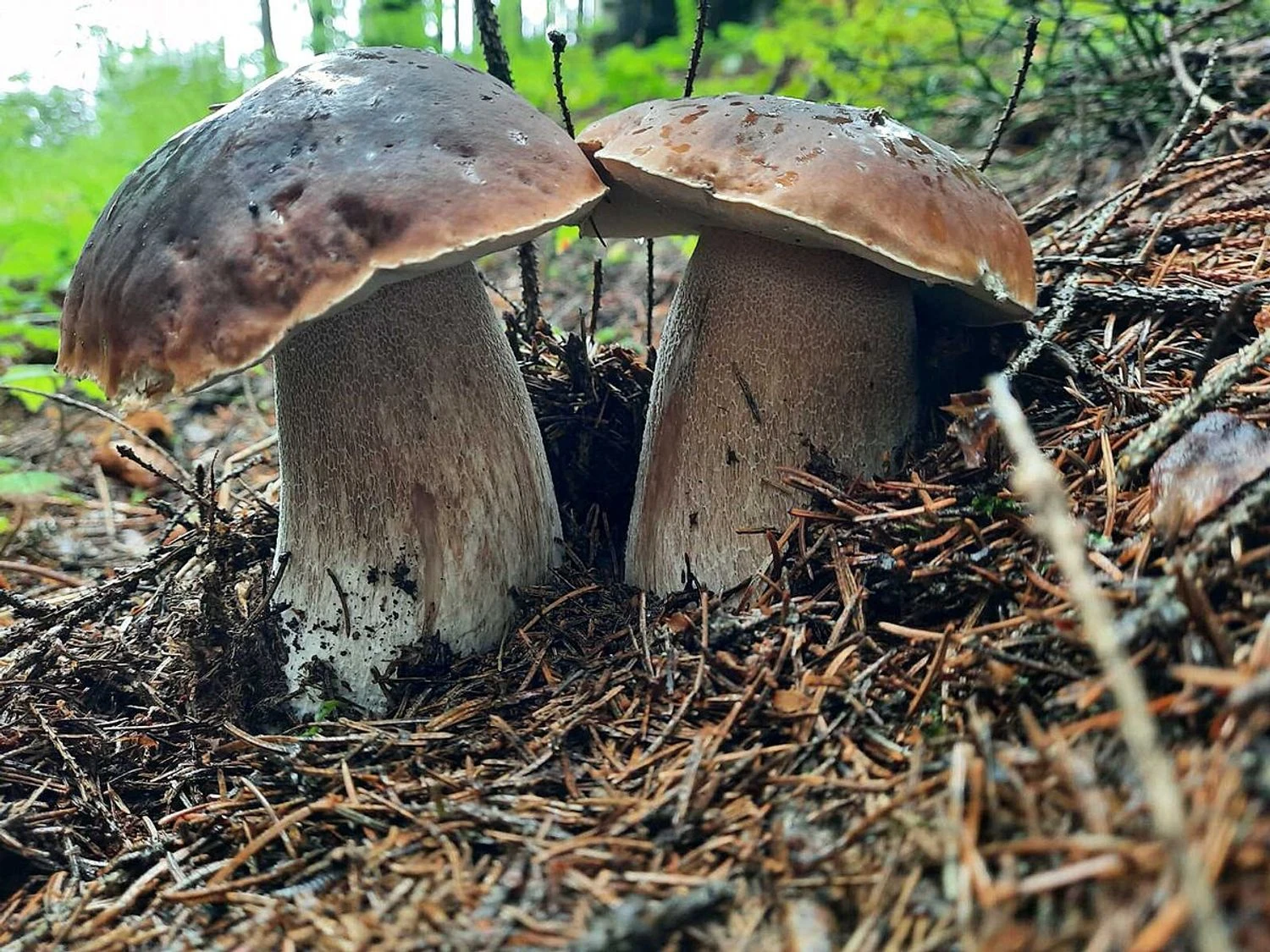
Porcini mushrooms
Despite the fact that the most active season for porcini mushrooms begins earlier, they can still be found in October. These forest delicacies most often appear among moss and lichens, preferring coniferous and mixed forests.
Butter mushrooms
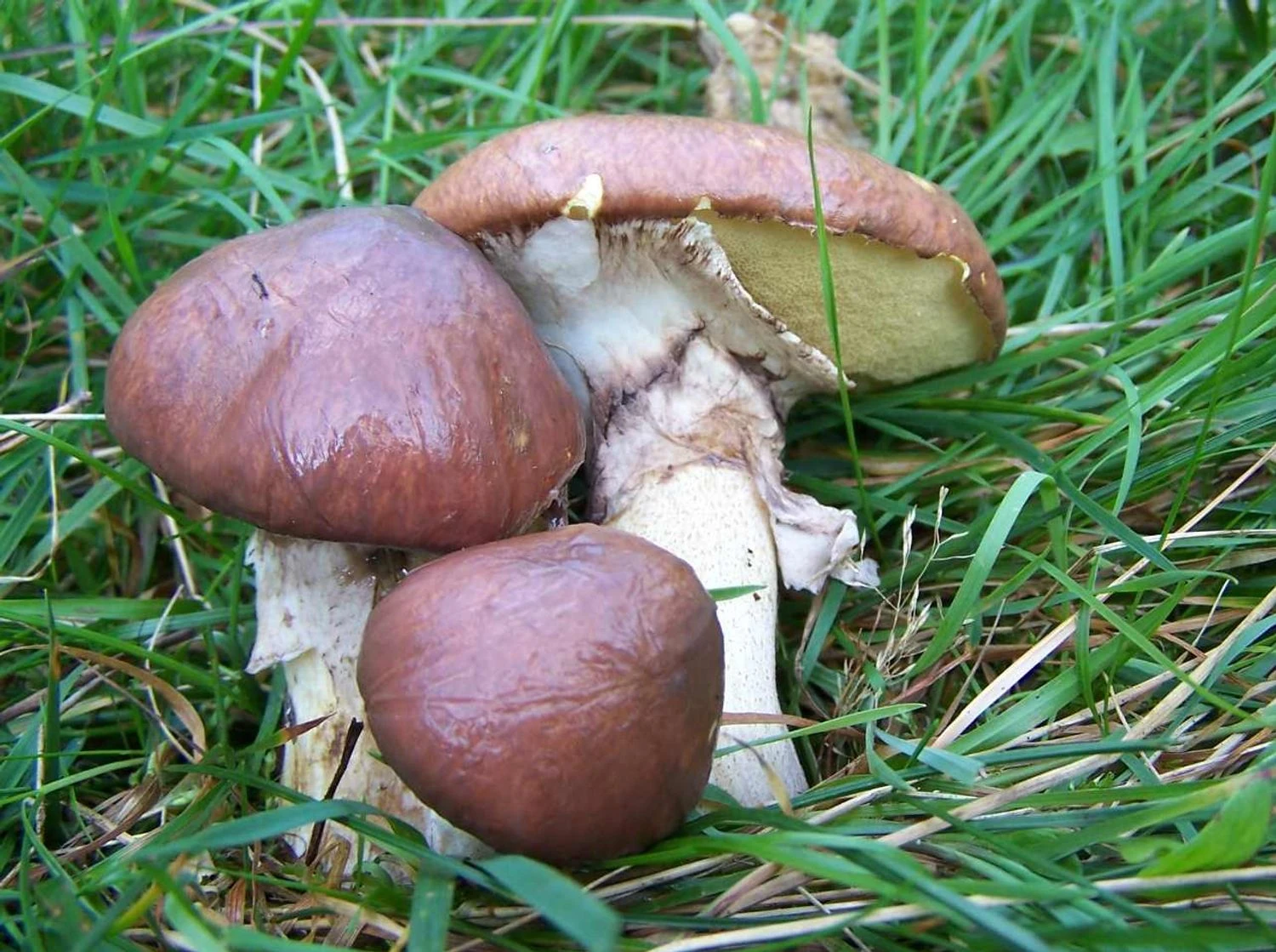
Butter mushrooms love warmth and grow abundantly in coniferous forests, but they can also be found in young mixed plantings. There are several types of these mushrooms, including inedible analogues. If the mushroom has an unpleasant smell, brittle structure, or indistinct color, it is better to leave it.
Bay boletes
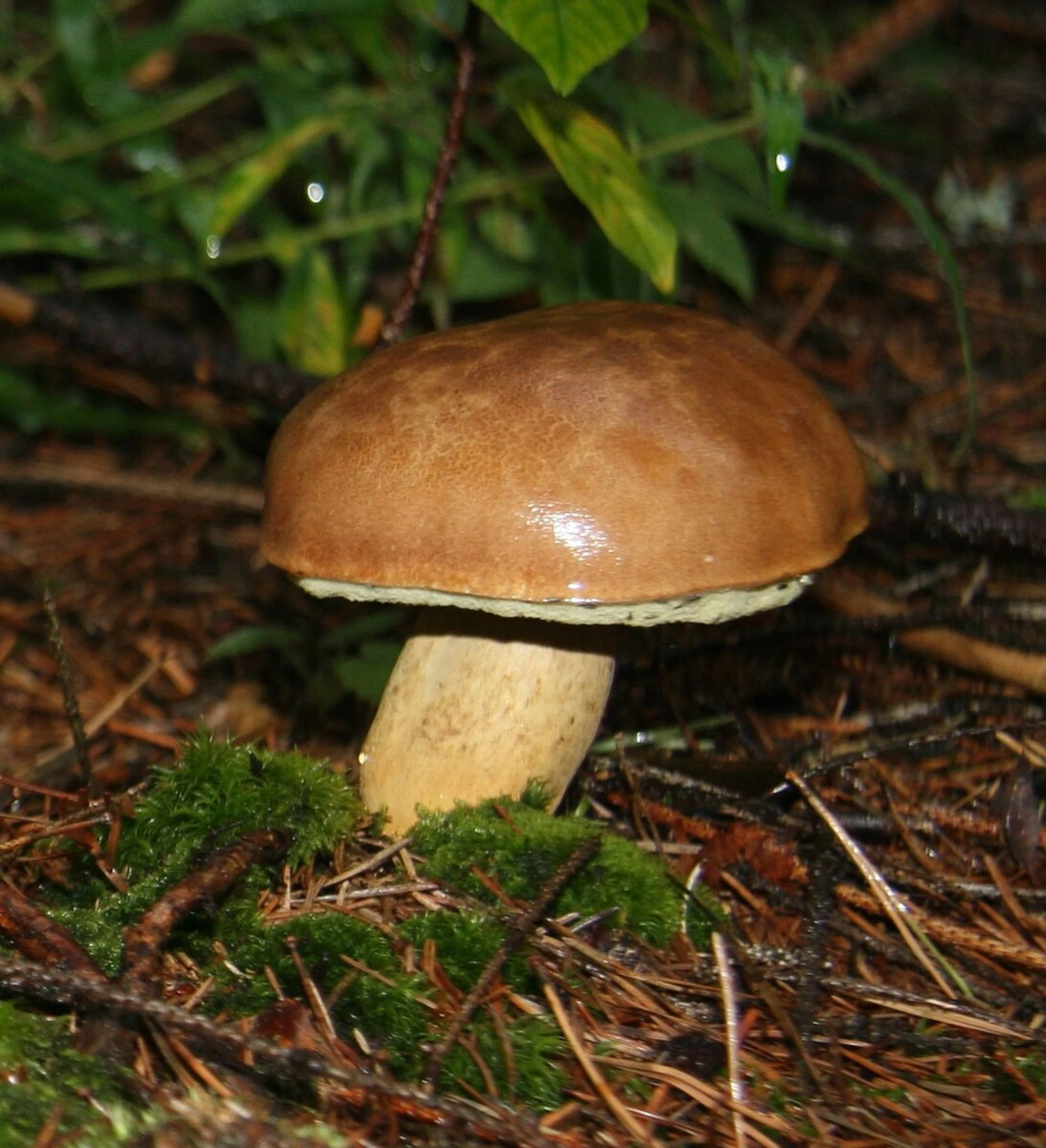
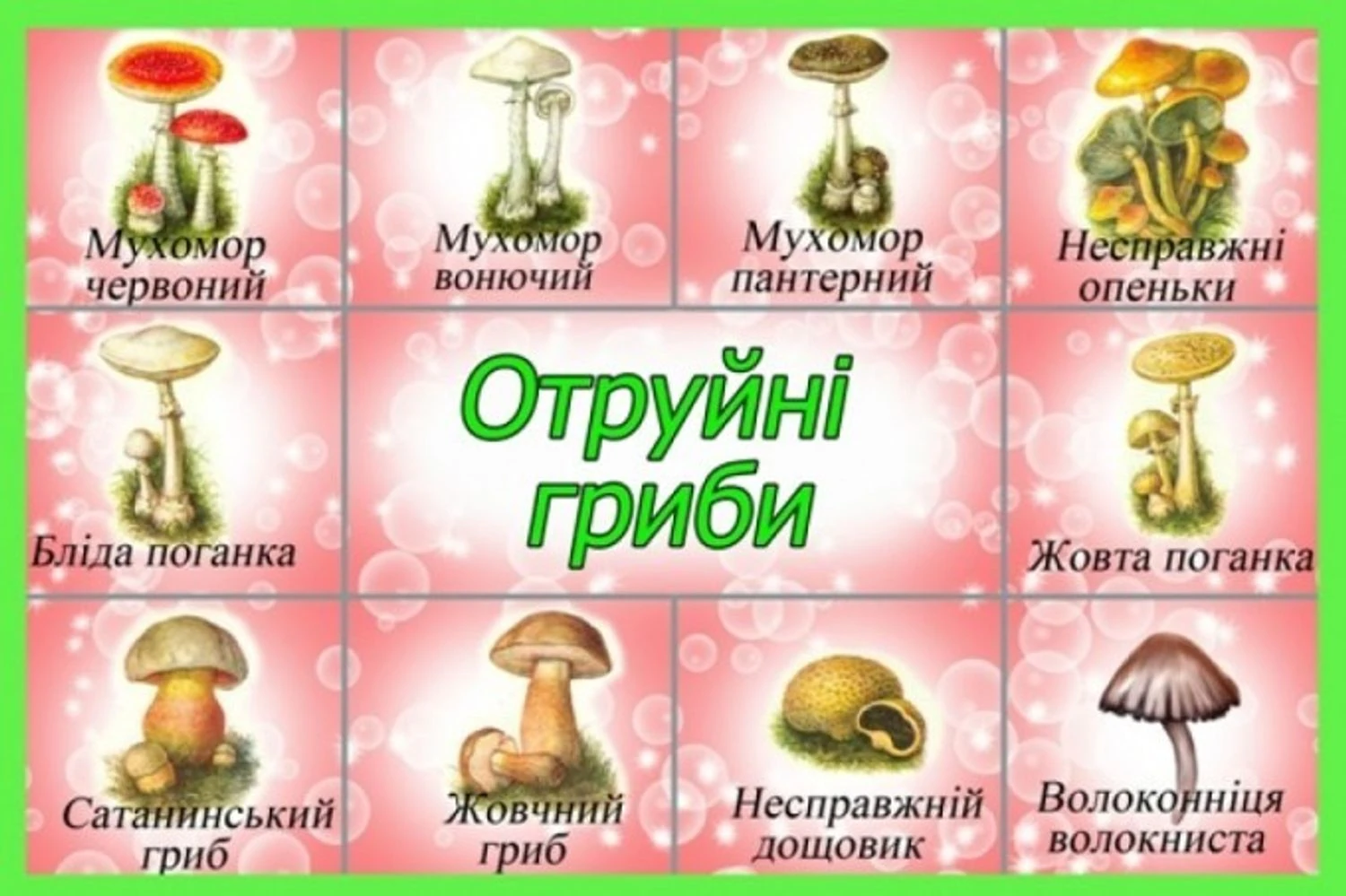
This species is often found in coniferous forests, especially where sandy soils are covered with needles. The bay bolete is sometimes confused with its inedible twin - they can be distinguished by the reddish tint on the underside of the cap. The dangerous satanic mushroom, similar in shape, also occurs in the forest, but its stem has a reddish-orange color.
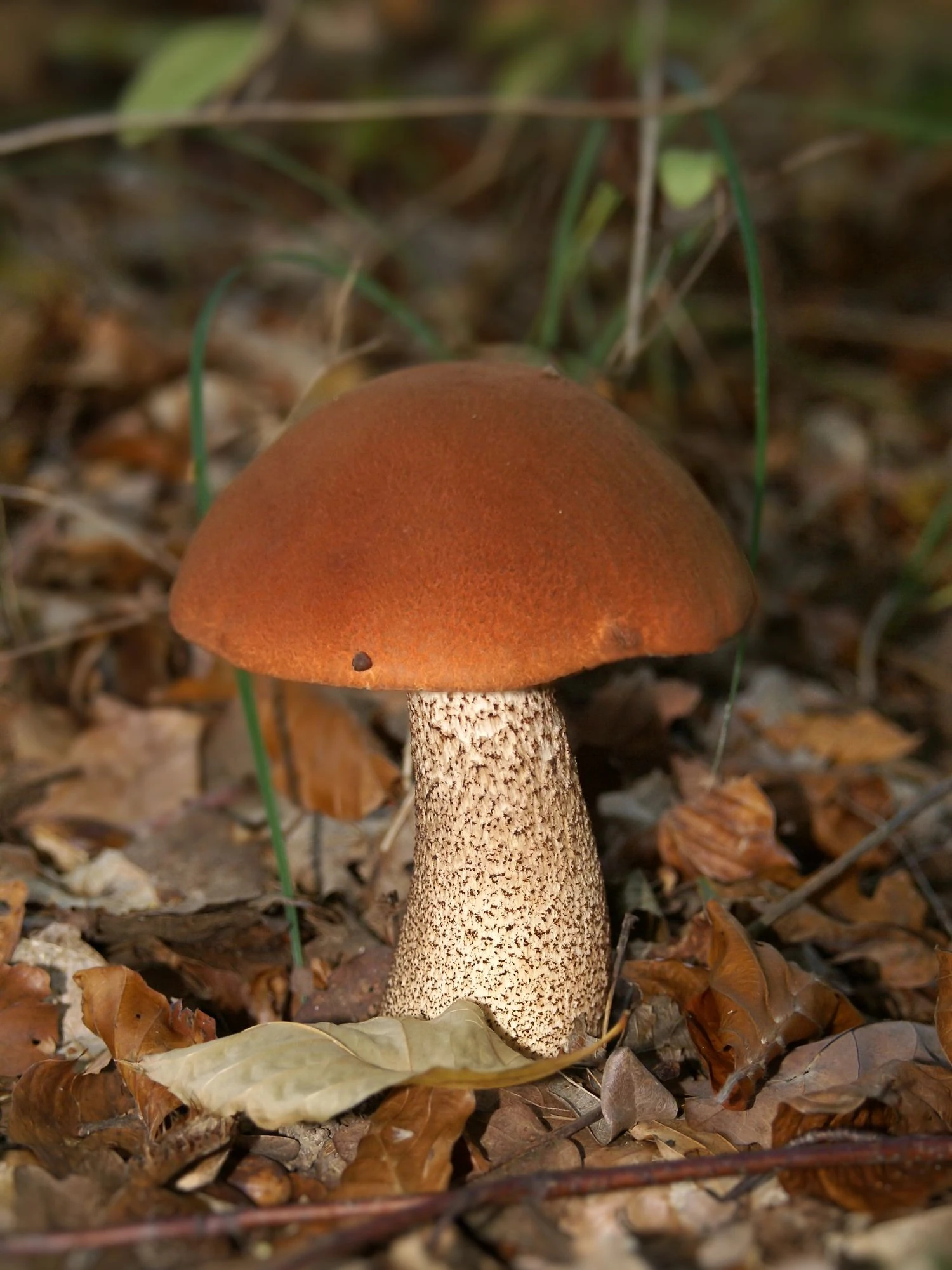
Birch boletes
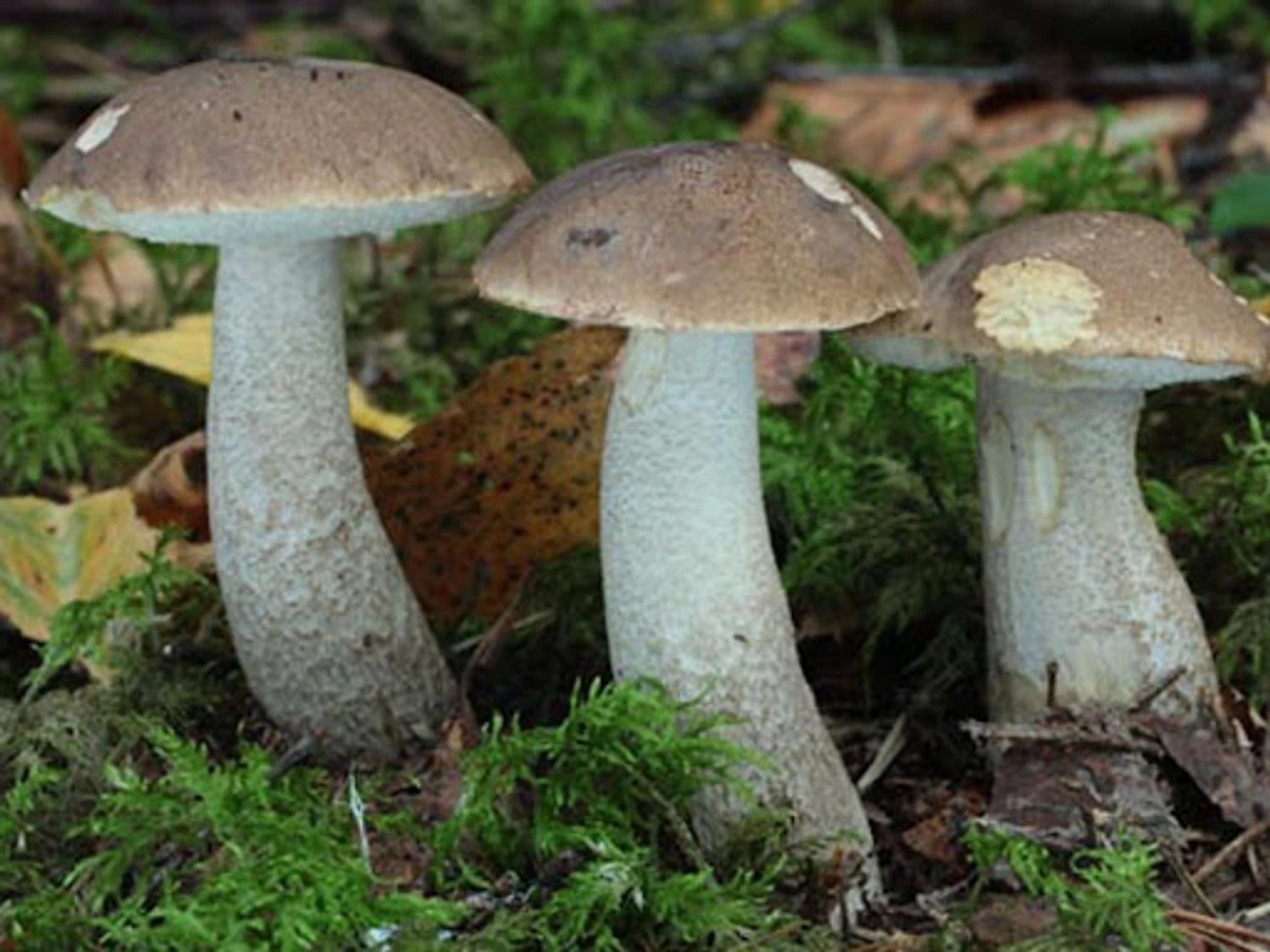
Birch boletes grow near old birches and even on stumps of dead trees. Their brown caps resemble the color of bark, and the stem is decorated with small scales. In October, these mushrooms are especially strong and juicy, with tender flesh that does not darken after cutting.
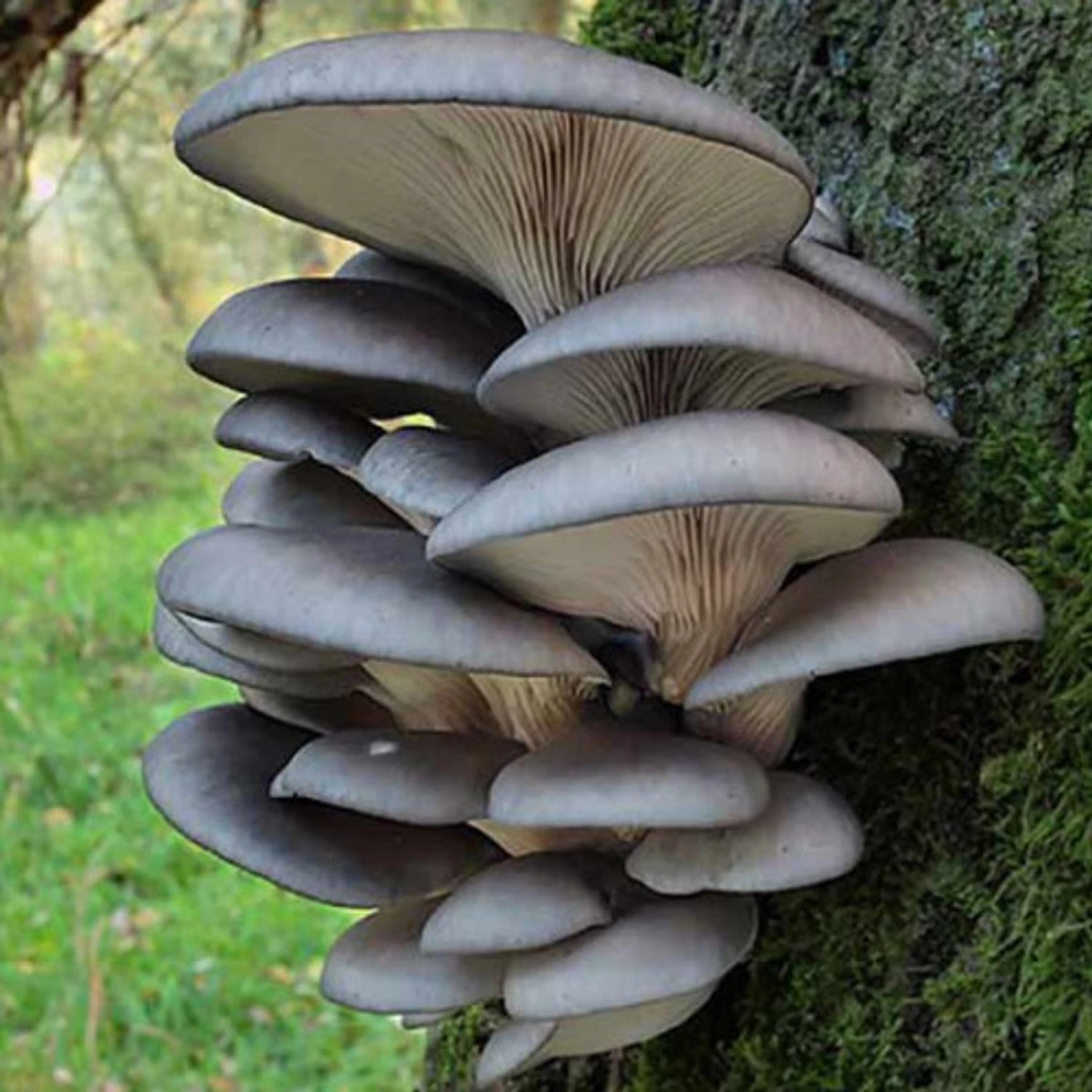
Oyster mushrooms
Gray-brown oyster mushrooms form large clusters on the stumps of deciduous trees. They feel great in humid places. In Central Ukraine, oyster mushrooms can be found in almost every humid grove.
Aspen boletes
Aspen boletes grow in deciduous and mixed forests, most often under young aspens. In hot summers, they even appear in humid aspen groves. All aspen boletes are edible and have similar taste properties, but each species has its own "favorite" places - some grow in Eurasian forests, others in North American ones. Red aspen boletes often form groups, which makes collecting even more pleasant.
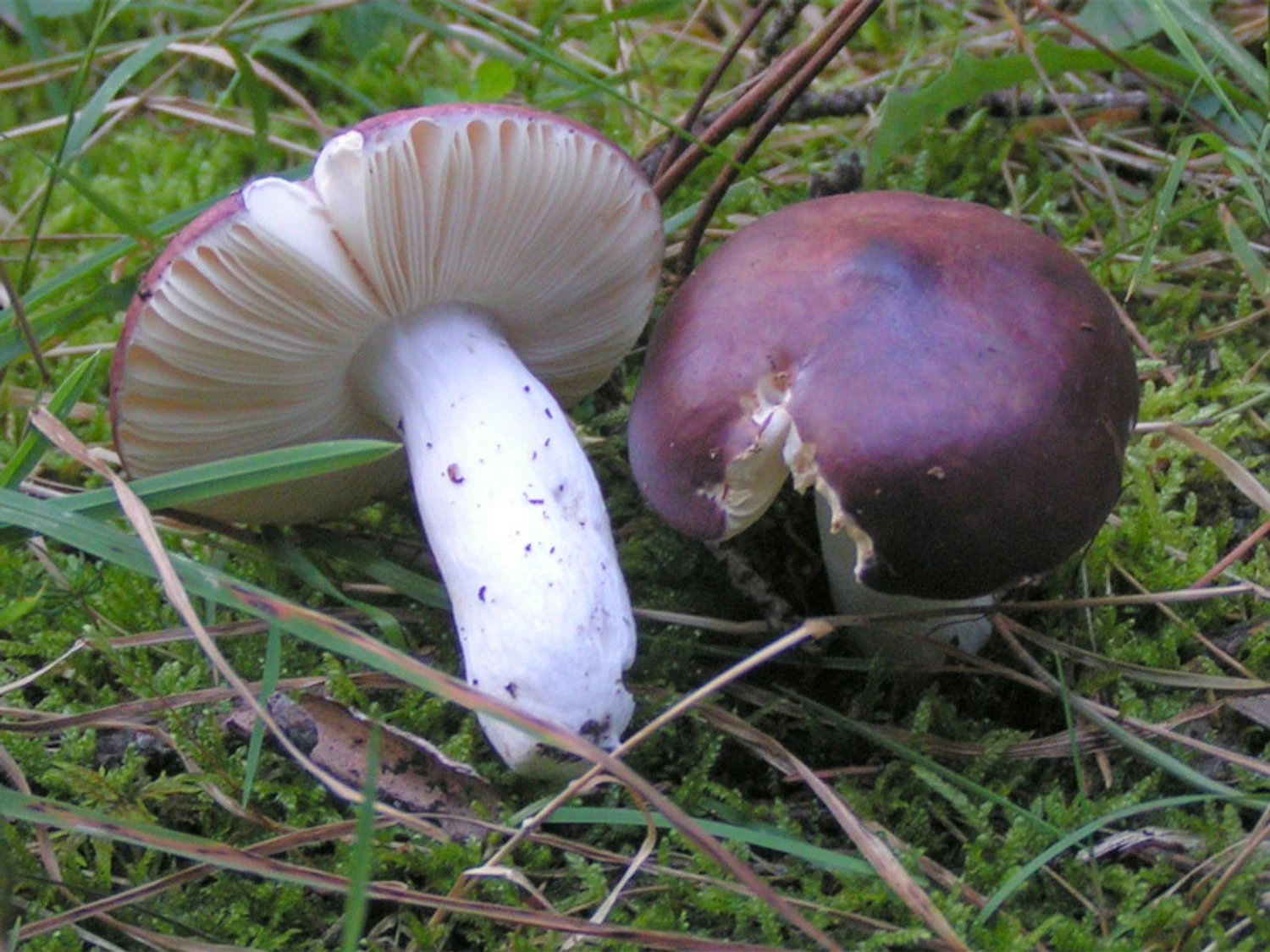
Russulas
Russulas can be found in almost any forest. In coniferous forests, swamp varieties with red caps are often found, in birch forests - green and yellow russulas, and in oak groves - edible ones. They prefer acidic and moist soils, but also feel good in mixed forests.
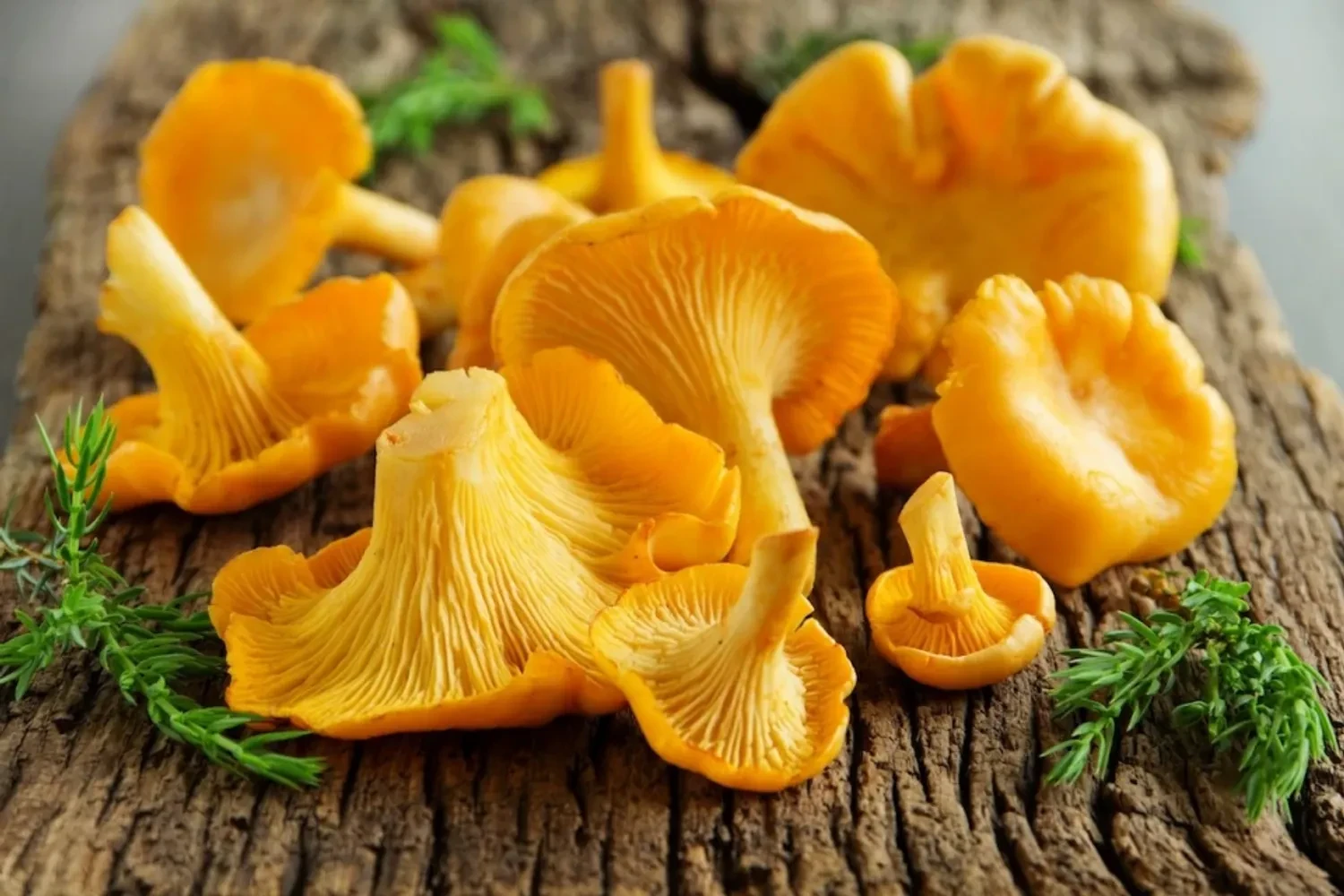
Chanterelles
Bright yellow chanterelles grow in groups in well-lit clearings or under the shade of trees in coniferous and deciduous forests. They are easily recognizable due to their color and wavy cap edges.
Honey mushrooms
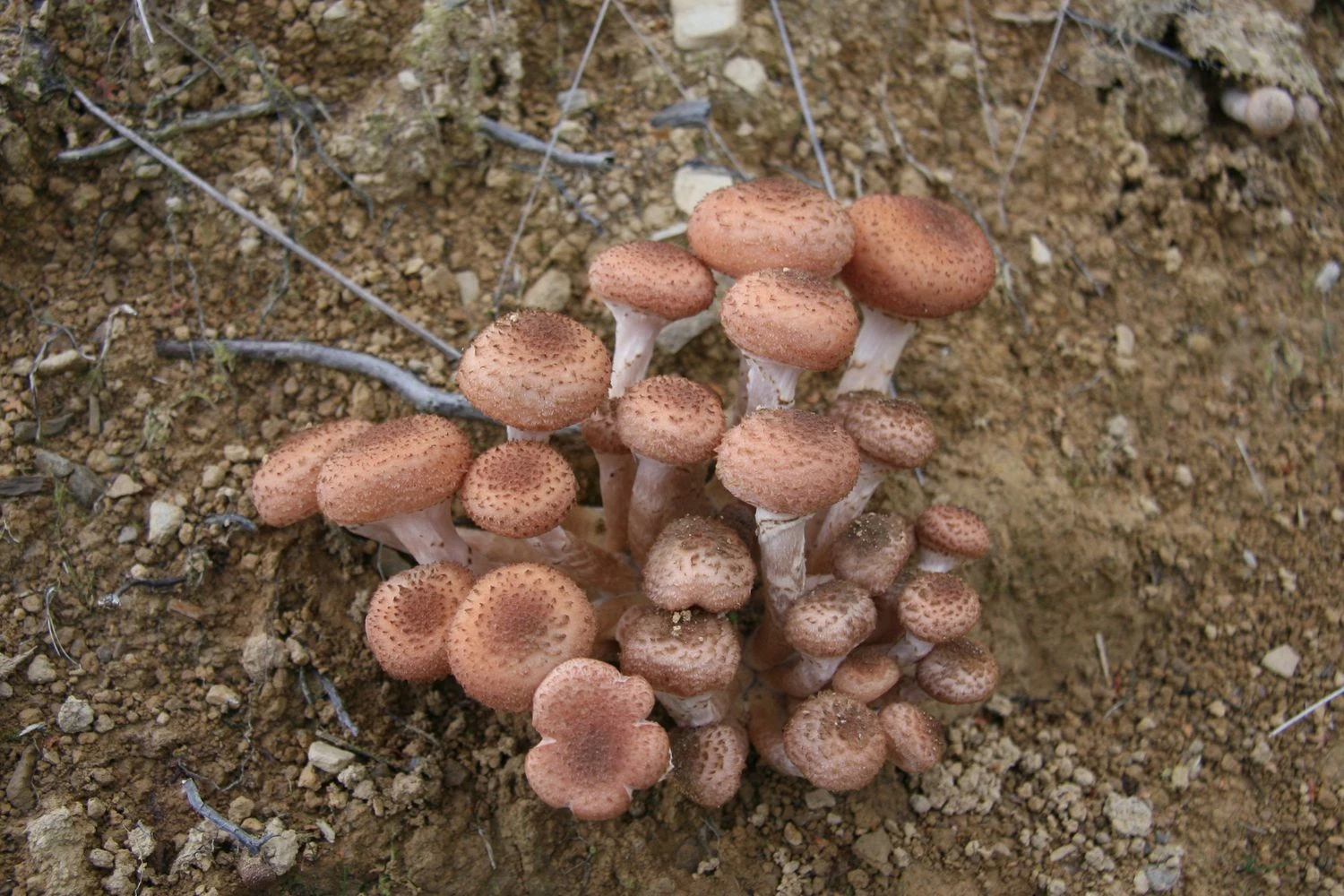
Honey mushrooms appear in whole colonies, mainly in young plantings and on old stumps. However, you need to be careful - inedible twins often occur next to them. Edible honey mushrooms have a pleasant mushroom aroma and a light stem, while false ones are darker and have an unpleasant smell.
The well-known rule for mushroom pickers remains unchanged: mushrooms must be carefully cut with a knife, not pulled out by the root. If the mycelium is damaged, it may not yield a new crop next season. The exception is tubular mushrooms (aspen boletes, porcini, birch boletes, butter mushrooms, moss mushrooms), which are allowed to be carefully twisted out of the soil.
Read also: In Rivne region, a pensioner who got lost in the forest while picking mushrooms has been searched for the third day
How to distinguish poisonous mushrooms from non-poisonous ones
The most important rule for picking mushrooms is never to take unfamiliar or questionable mushrooms. If you are not sure that a mushroom is edible, it is better to leave it in the forest. Do not try a questionable mushroom by taste or smell it - some species release toxic substances even with such contact. Do not pick overripe, withered, or damaged mushrooms, as toxins quickly accumulate in them.
Avoid mushrooms with a white sac at the base of the stem - this is a characteristic sign of deadly poisonous species, especially the death cap.
Beginners should go to the forest with experienced mushroom pickers who can help distinguish safe species. If this is not possible, remember a few basic guidelines:
edible mushrooms have a pleasant, forest aroma, while poisonous ones have a sharp, chemical, or sweetish smell;
poisonous mushrooms often have bright colors, and when cut, their flesh may turn blue or purple;
insects and worms do not touch poisonous mushrooms, so the presence of small insect damage indicates that the mushroom is safe.
if the mushroom does not have a tubular layer under the cap, but resembles a sponge or plates - it may be a dangerous twin.
Remember that, according to the Ministry of Health of Ukraine, most fatal cases among mushroom pickers occur precisely due to the consumption of the death cap, which is often confused with a champignon or russula. So it is better to return home with an empty basket than to risk your health.
When do mushrooms grow best?
The mushroom harvest varies every year - it all depends on the weather. Experienced mushroom pickers have their own signs and folk observations that help predict the harvest.
If a fog hangs over the forest for several days - it's time to go mushroom picking.
Rain without thunder is a good sign for mushroom pickers, but a thunderstorm "scares" mushrooms, and there will be no harvest after it.
The best time to pick is early morning, as soon as the sun rises.
Mushrooms grow especially well after a light warm rain.
Oak forests are a favorite place for many edible species.
Saw several rainbows in a row - prepare your basket, it will be mushroom season.
If the summer is rainy, then autumn promises a rich mushroom harvest.
Where you found one mushroom, there will certainly be others nearby - they grow in groups.
The appearance of fly agarics is a sign that porcini mushrooms will soon appear in the forest.
Read also: October garden work: what crops to plant for winter
Restrictions and fines
Uncontrolled "mushroom picking trips" or grazing livestock in the forest can result not only in harm to nature, but also in a fine for the visitors themselves. The forest is not limitless, and it needs respect. Therefore, any collection of mushrooms, berries, or nuts without a forest ticket or in prohibited areas is considered a violation. As is unauthorized grazing of livestock or mowing grass.
How much will you have to pay?
For such actions, administrative penalties (Article 70) are provided:
for ordinary citizens - from 17 to 51 hryvnias;
for officials - from 51 to 119 hryvnias.
In addition, seasonal bans are in effect in some regions - for example, during the flowering or ripening of forest crops. So before you go on a "silent hunt", make sure that the collection site is allowed. And if you have doubts - just call the local forestry.
Because a real mushroom picker not only knows where porcini mushrooms grow, but also protects the forest so that they grow there tomorrow.