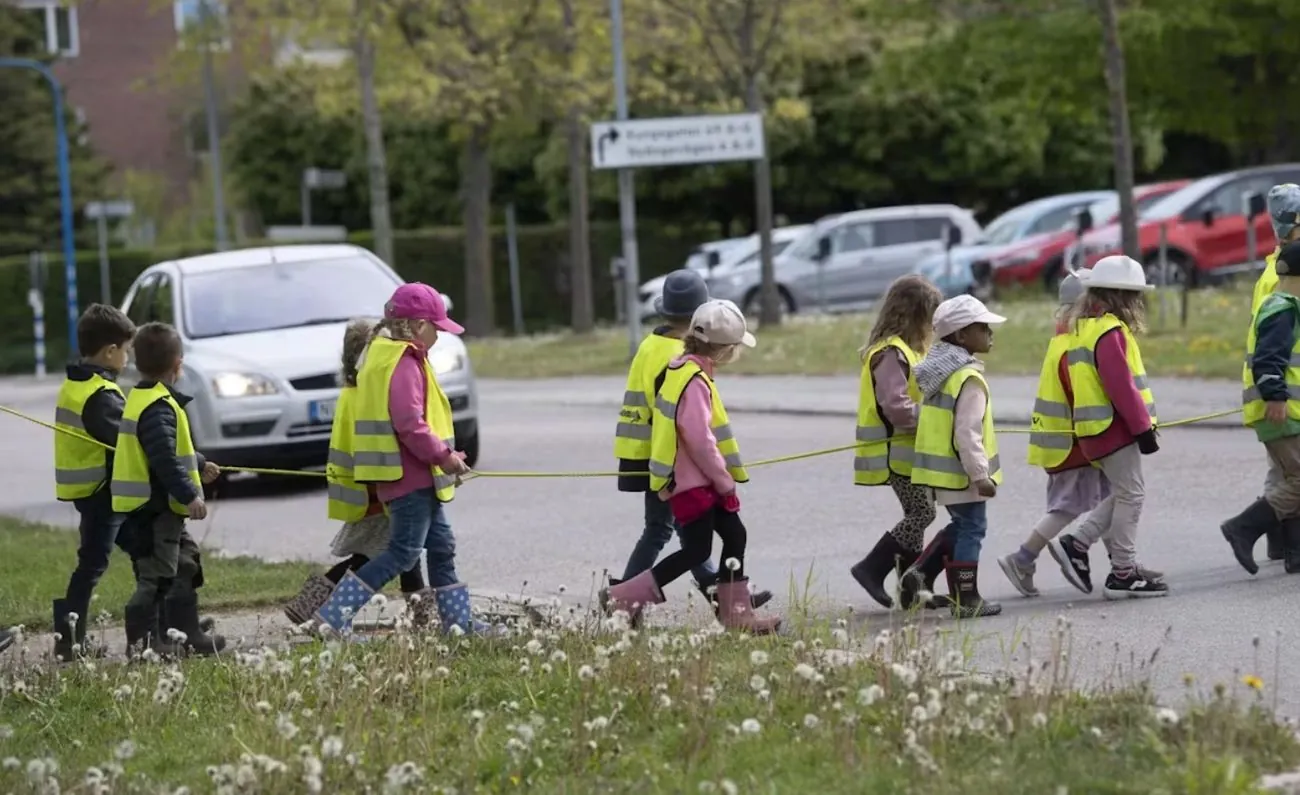
Photos only with consent: the Ombudsman explained how the filming of children in educational institutions is regulated abroad
Kyiv • UNN
Different countries have clear rules for photographing and filming minors in educational institutions. This is done to protect children's privacy in the context of digitalization.

There are clear rules in the world that regulate the photographing and filming of minors in educational institutions, as well as the use of images of children. This is necessary to protect children's privacy in the context of digitalization, increasing cyber risks and security threats.
The article on the website of the Ukrainian Ombudsman explains how children's privacy is protected abroad, writes UNN.
Details
The rules for photographing and filming minors in educational institutions and the use of their results are regulated in many countries around the world in order to protect children's privacy. It is especially vulnerable in the age of digital technology, the increase in cases of cyberbullying and other forms of violence
In particular, as reported, the member states of the European Union are subject to the General Data Protection Regulation, which has been in force since 2018.
Poland
According to the information, in addition to the legislation of the European Union, the norms of the Civil Code, the Family and Guardianship Code, as well as the norms of various laws, such as the Law "On Copyright and Related Rights", and acts of educational legislation are in force in Poland regarding this issue.
In turn, kindergartens, schools and other children's institutions are obliged to implement the Standards for the Protection of Minors, which are based on typical instructions from the Ministry of Justice.
Among the key provisions:
- an image of a child is considered personal data;
- it is forbidden to film children without the permission of the director and the consent of parents/guardians;
- teachers do not have the right to disclose confidential information;
- the school conducts educational activities for children and parents;
- a responsible person responds to cases of illegal use of images of children.
Sweden
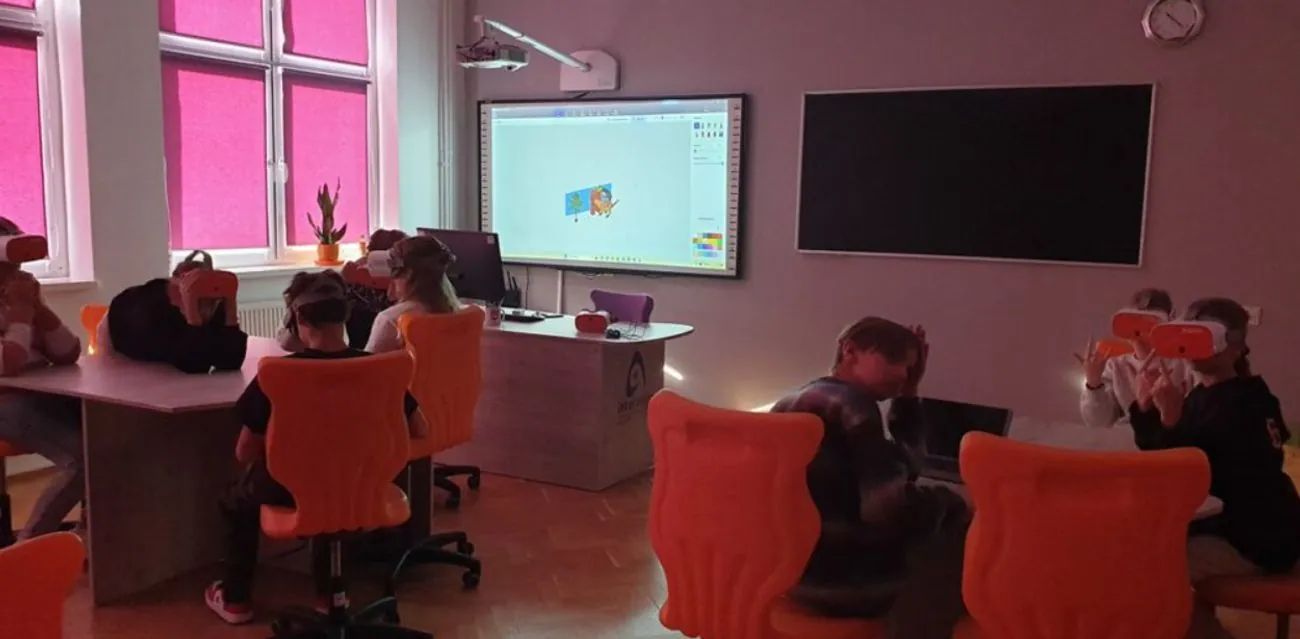
In Sweden, filming policies are regulated at the municipal level.
For example, in the municipality of Chevlinge:
- if municipal schools in Sweden use photos, videos or audio recordings exclusively for internal educational work and do not publish them outside the institution, parental consent is not required;
- in case of publication on social networks or in the media, written consent is required;
- children up to 13 years of age - the consent of both guardians, from 13 - can sign on their own;
- journalists must also obtain parental consent, even in the case of unannounced visits;
- parents are prohibited from publishing photos of other children without permission.
France
According to the information, there is a separate circular in France that concerns the protection of the school environment and, in particular, regulates the photographing in the school environment by a professional photographer and the use of these photos.
In particular, according to him:
- only one school photo session per year is allowed and it must be approved by the director and teachers;
- photographing should not interfere with educational activities;
- photos can only be sold through an association related to the school;
- publication is possible only with the consent of parents (guardians);
- it is forbidden to post personal data (including photos) without legal grounds.