










New BMW X5 to get five powertrain types: first official look
Kyiv • UNN
The new BMW X5 crossover will feature five types of powertrains, including gasoline, diesel, hybrid, hydrogen, and battery-electric versions. The first hydrogen model, developed jointly with Toyota, will go into production in 2028, while the new X5 is expected to debut next year.

The new BMW X5 crossover (SUV) will receive five types of powertrains, Motor1.com reports, writes UNN.
Details
BMW, as stated, plans to sell the next X5 with virtually all types of powertrains. Along with traditional gasoline, diesel, and plug-in hybrid versions, a hydrogen fuel cell version developed jointly with Toyota will be released. But that's not all: a battery-electric vehicle is also in development. There are even rumors of an extended-range electric vehicle – the Bavarians already have experience in this matter, selling the unusual i3 hatchback with a small gasoline engine that acts as a generator.
BMW has not revealed details about the fifth-generation luxury crossover but has confirmed that its first hydrogen model will go into production in 2028. However, there's no need to wait for the camouflage to come off. The new X5 (codename G65) is expected to debut next year. Meanwhile, the released images provide the first official glimpse of the Mercedes GLE competitor in its fuel cell version.
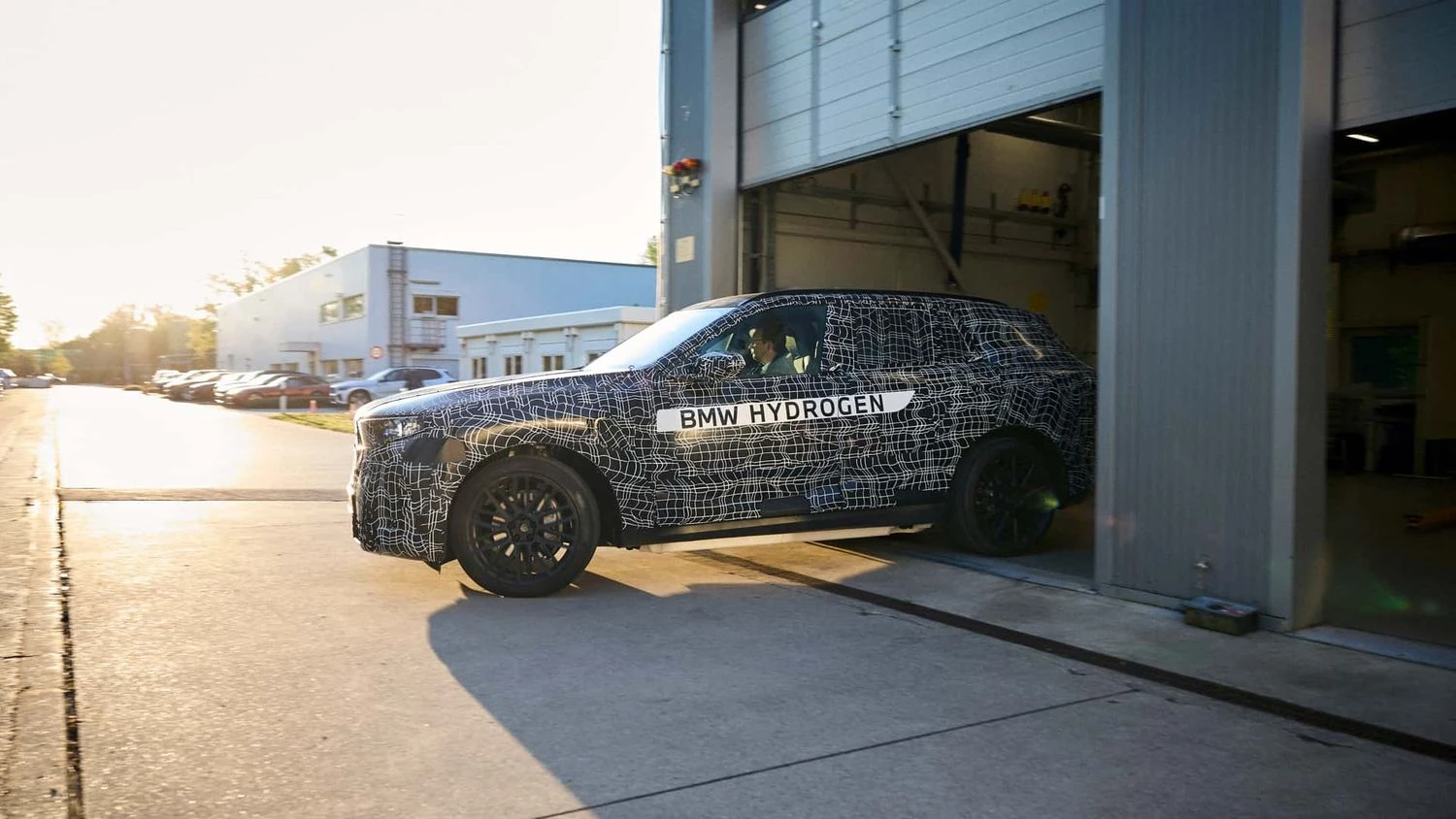
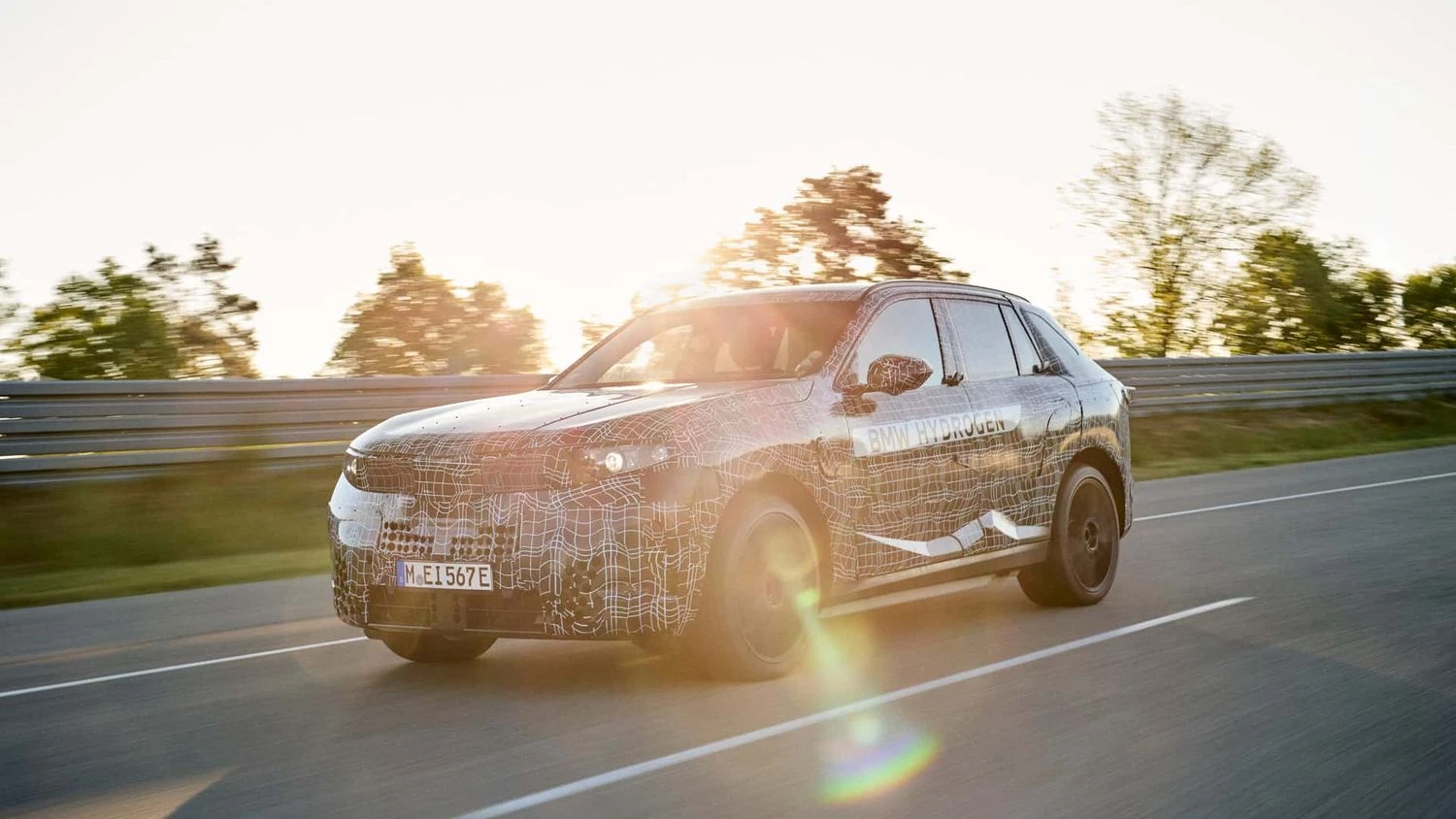
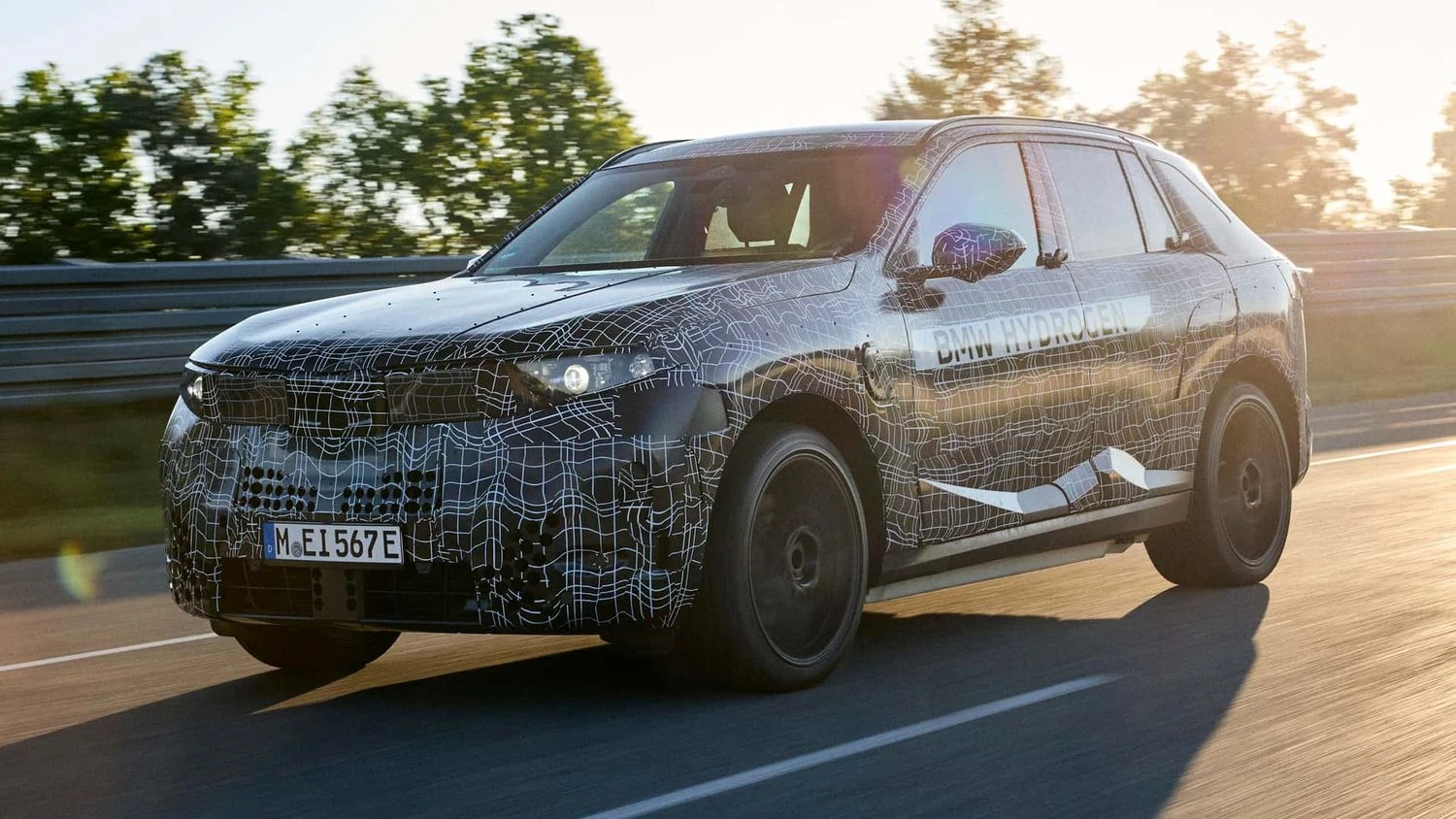
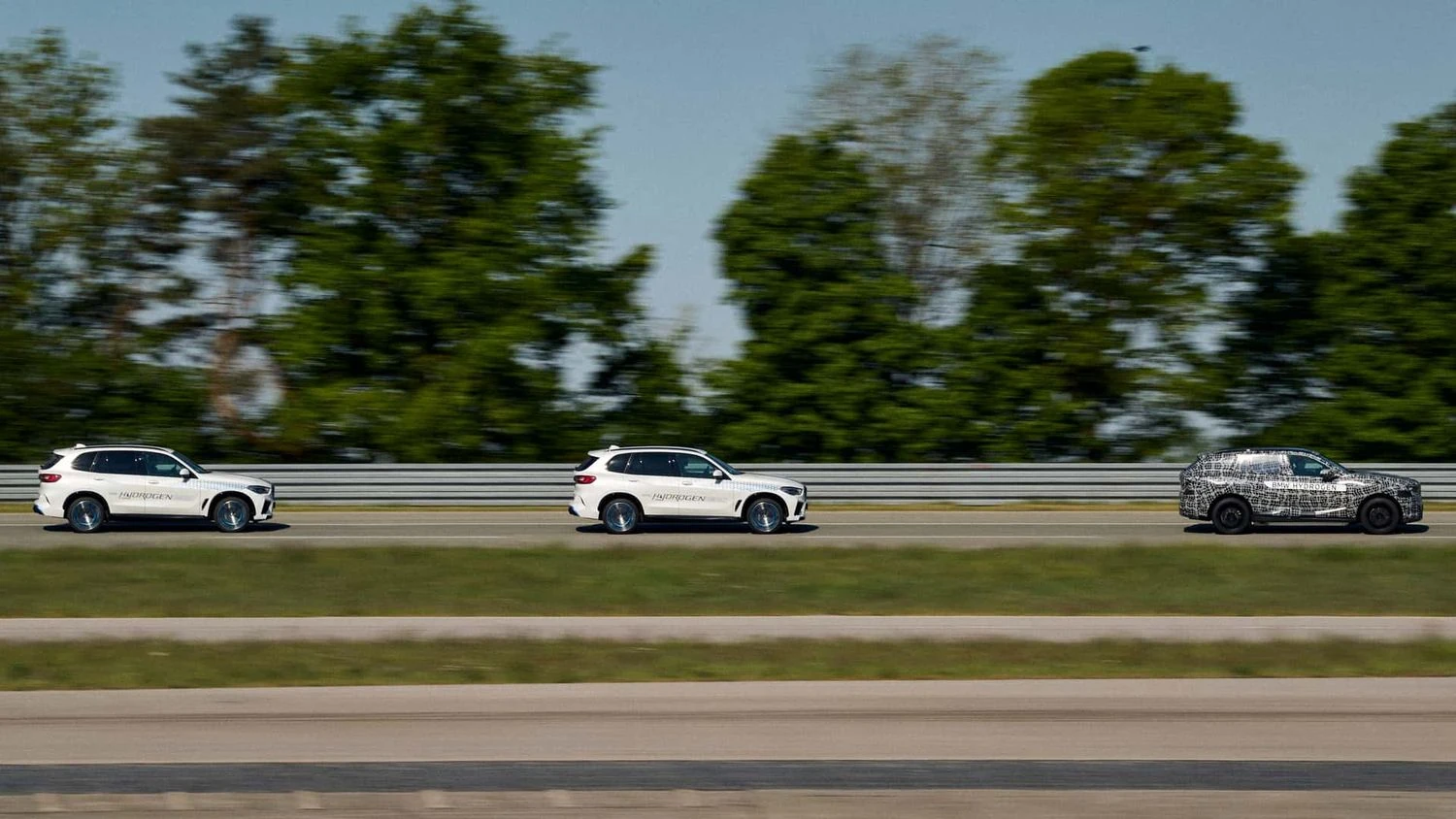
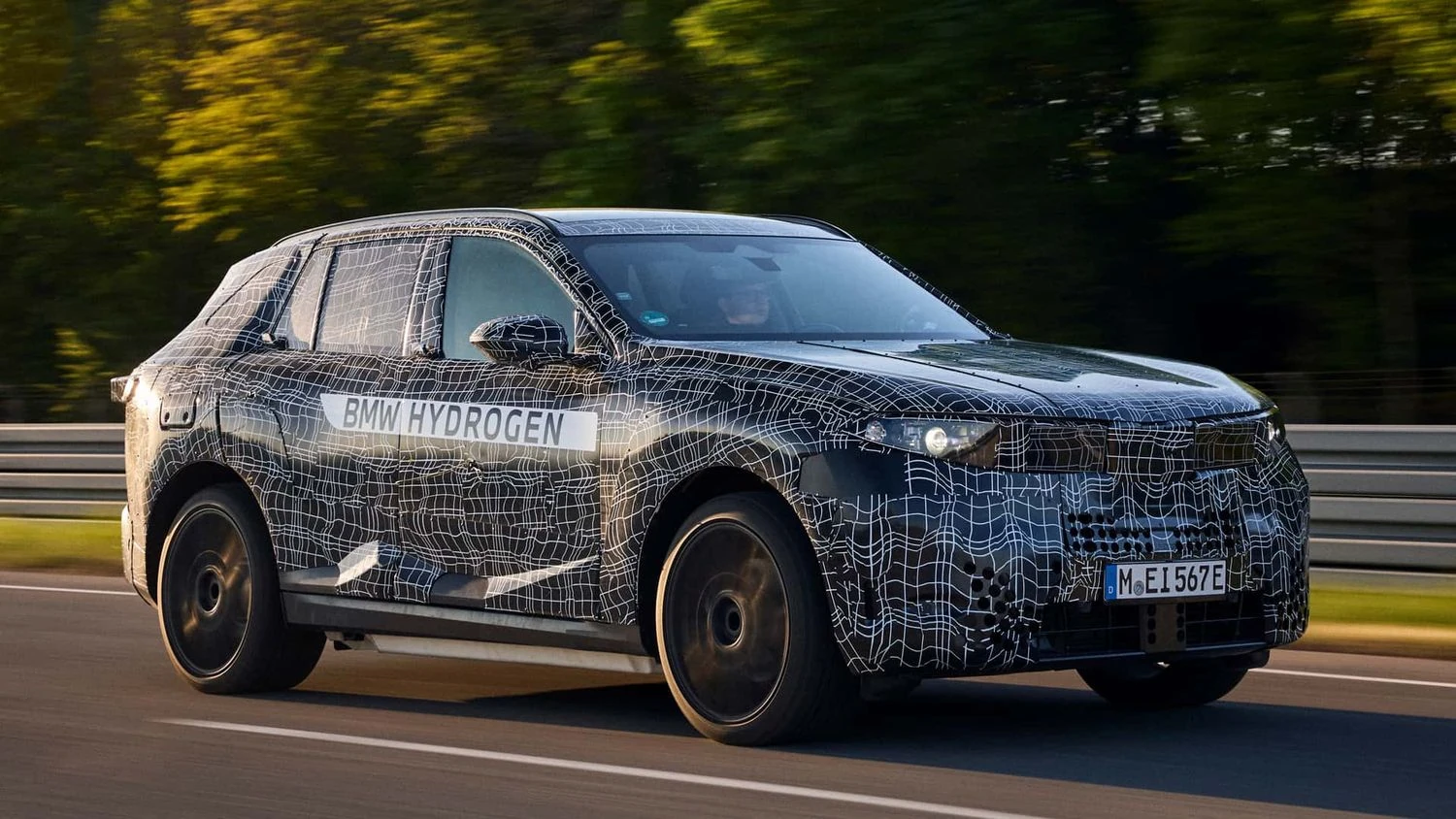
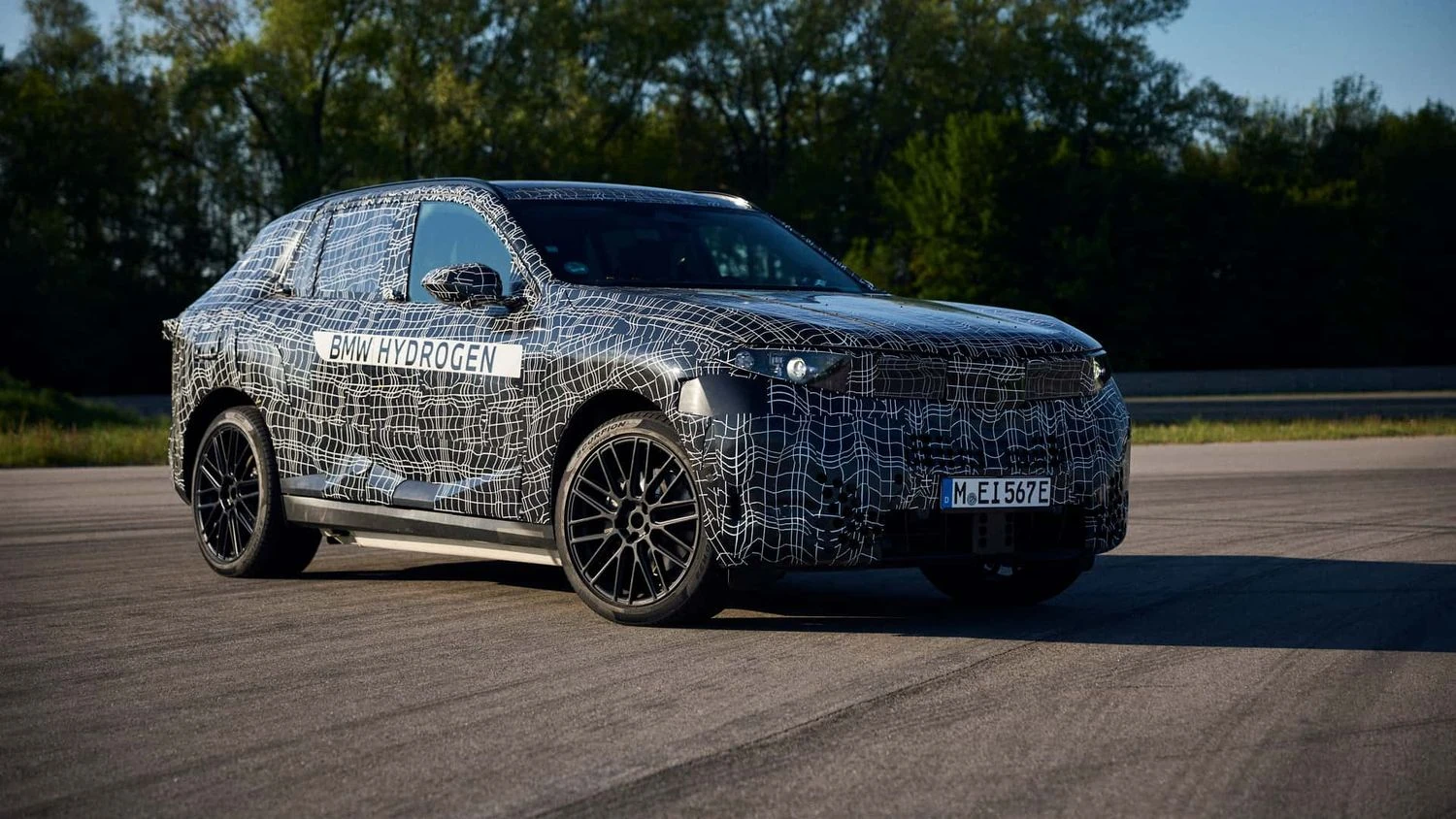
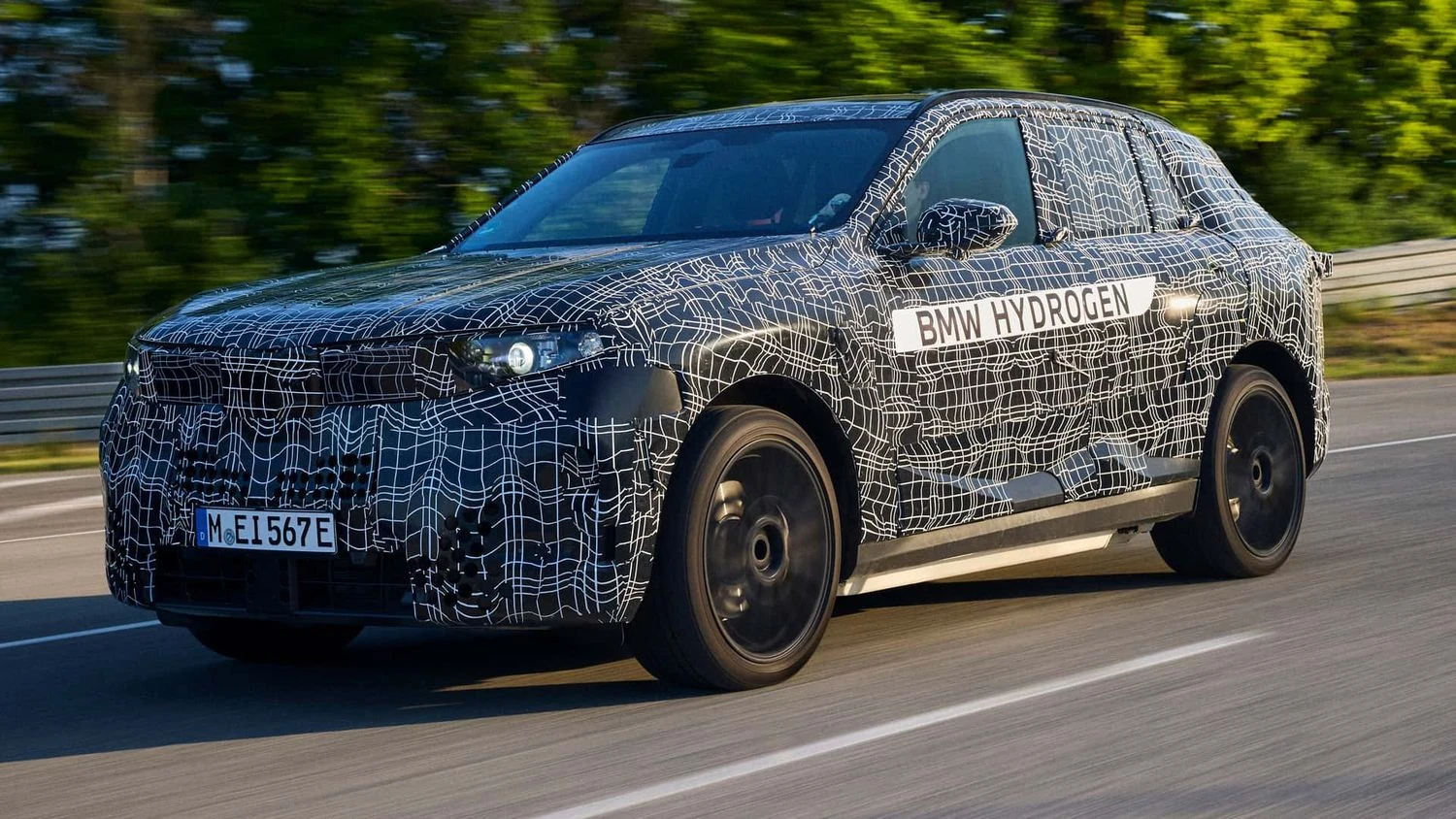
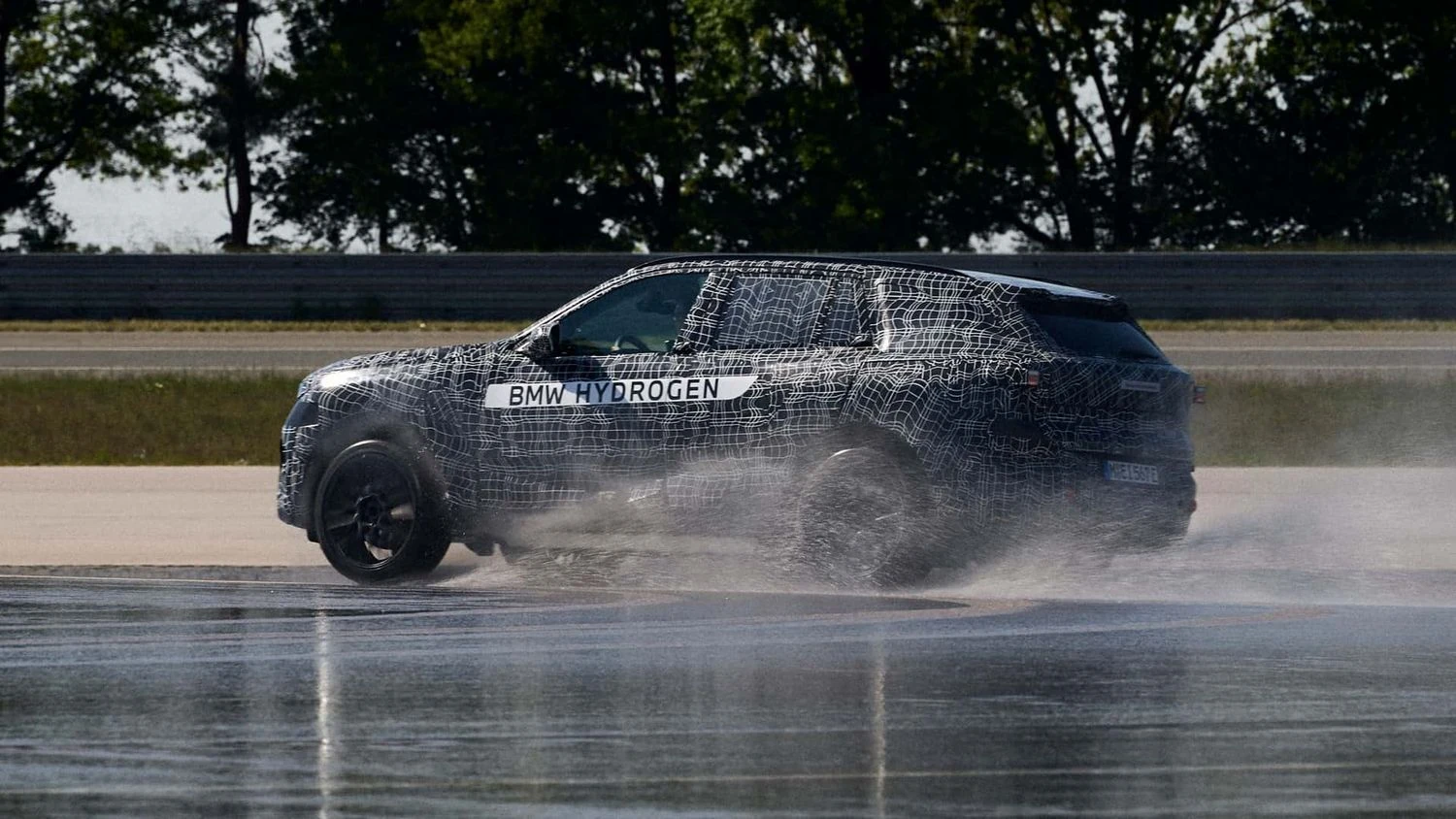
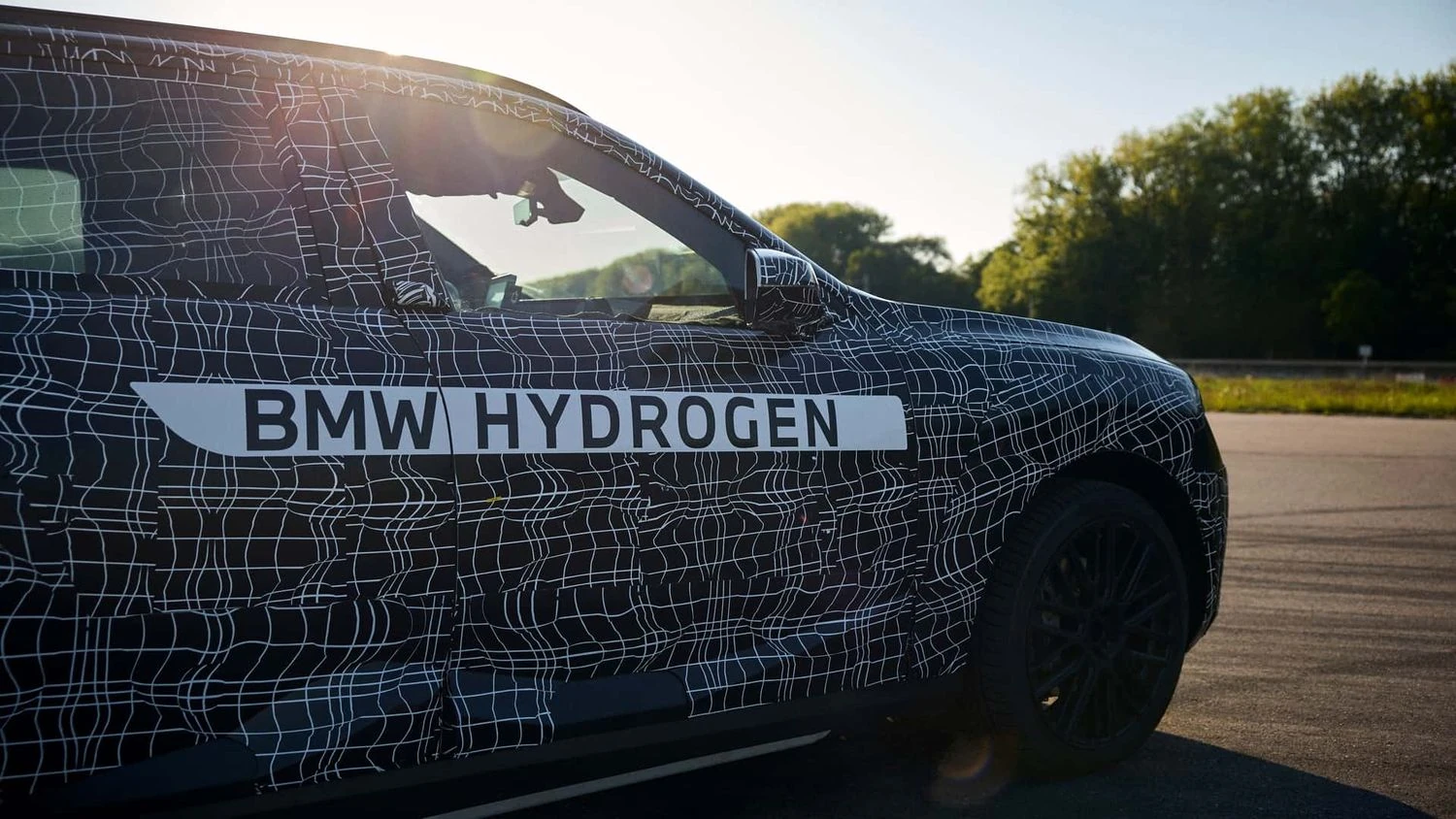
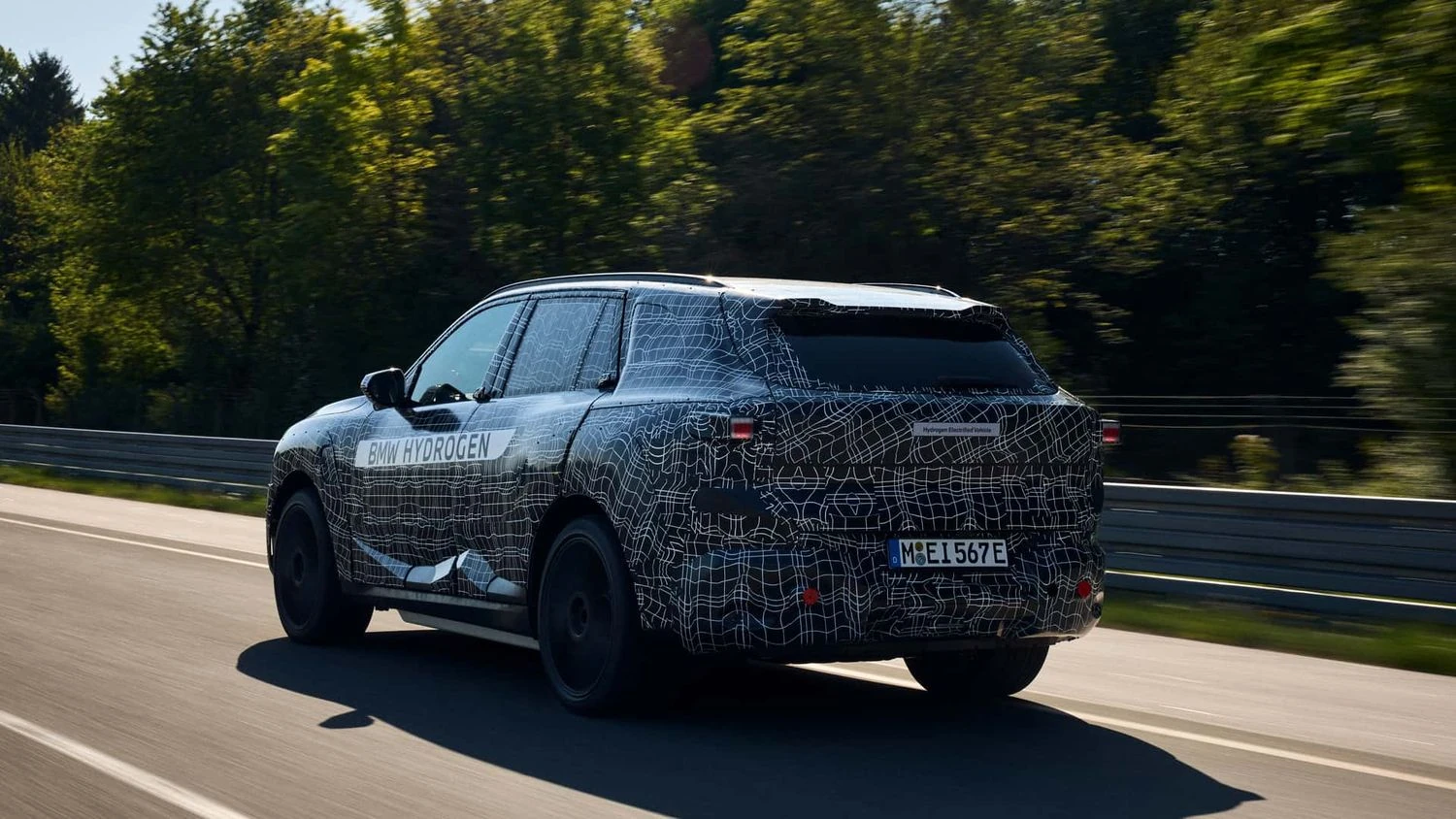
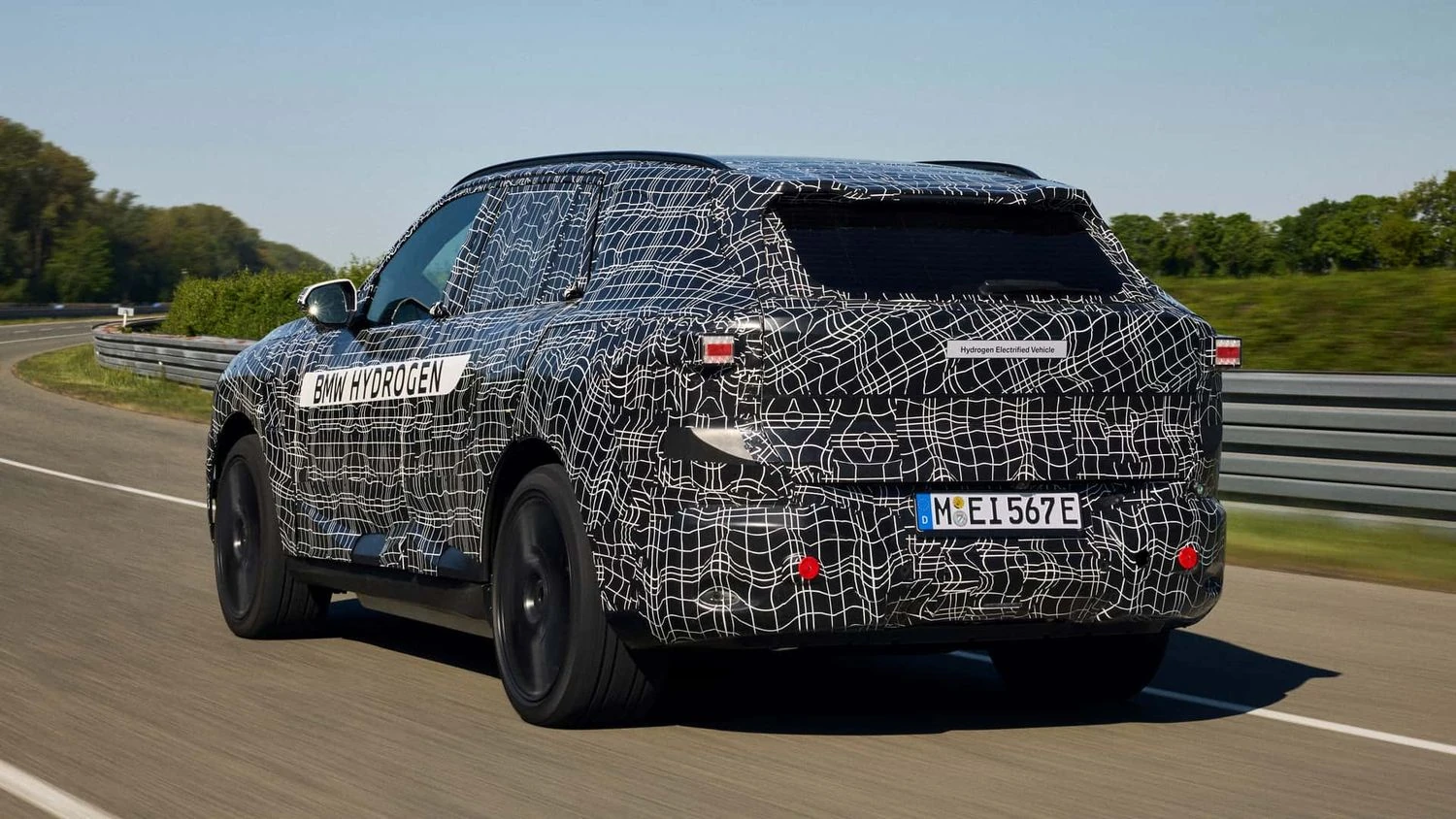
Even with the camouflage, several interesting details stand out. The Neue Klasse face is clearly hidden under the swirling camouflage, concealing vertical retro-style kidney grilles, like those on the new iX3. The headlights appear to have taken their final shape and size, although the internal graphics will look much more attractive on the production X5.
The retro grille isn't even the most interesting detail. A closer look at the profile reveals the absence of traditional door handles. Instead, wings integrated into the beltline are reminiscent of special versions of the BMW Speedtop and Skytop based on the M8, or even the Ford Mustang Mach-E electric crossover.
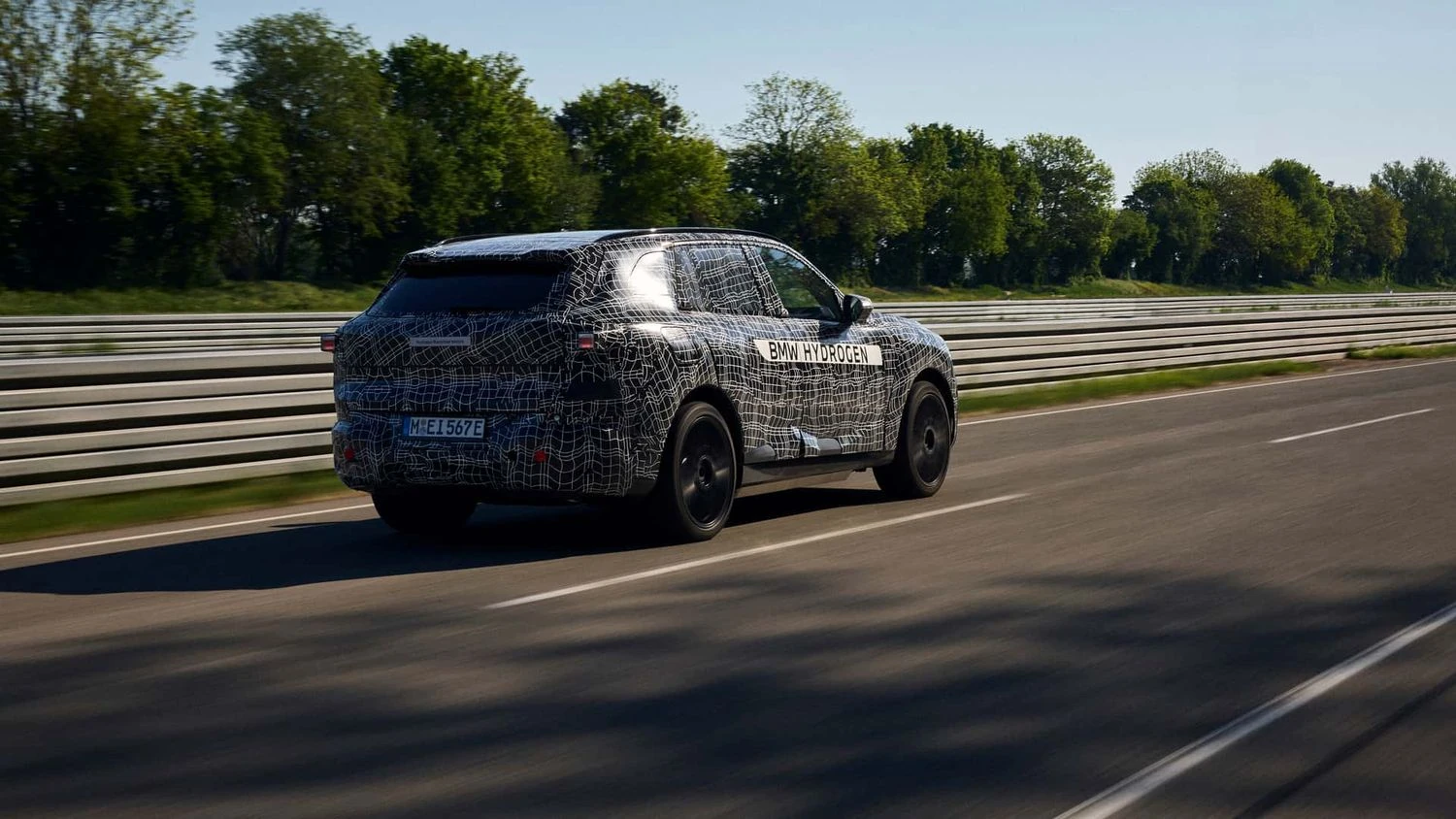
At the rear, the split tailgate appears to be retained, as it looks like a divided black horizontal line. In the current era of cost-cutting, this is a pleasant surprise, especially considering that the 5 Series Touring lost the ability to open the rear window separately from the tailgate.
BMW hasn’t revealed the interior yet, but the 2027 iX3's cabin provides a clear preview. The small, simple taillights are clearly temporary and will be replaced by wider ones, likely similar to the striking units of the new iX3, which almost converge in the center, were it not for the circular frame.
BMW has not yet presented the interior, but the 2027 iX3 cabin gives a clear idea of it.
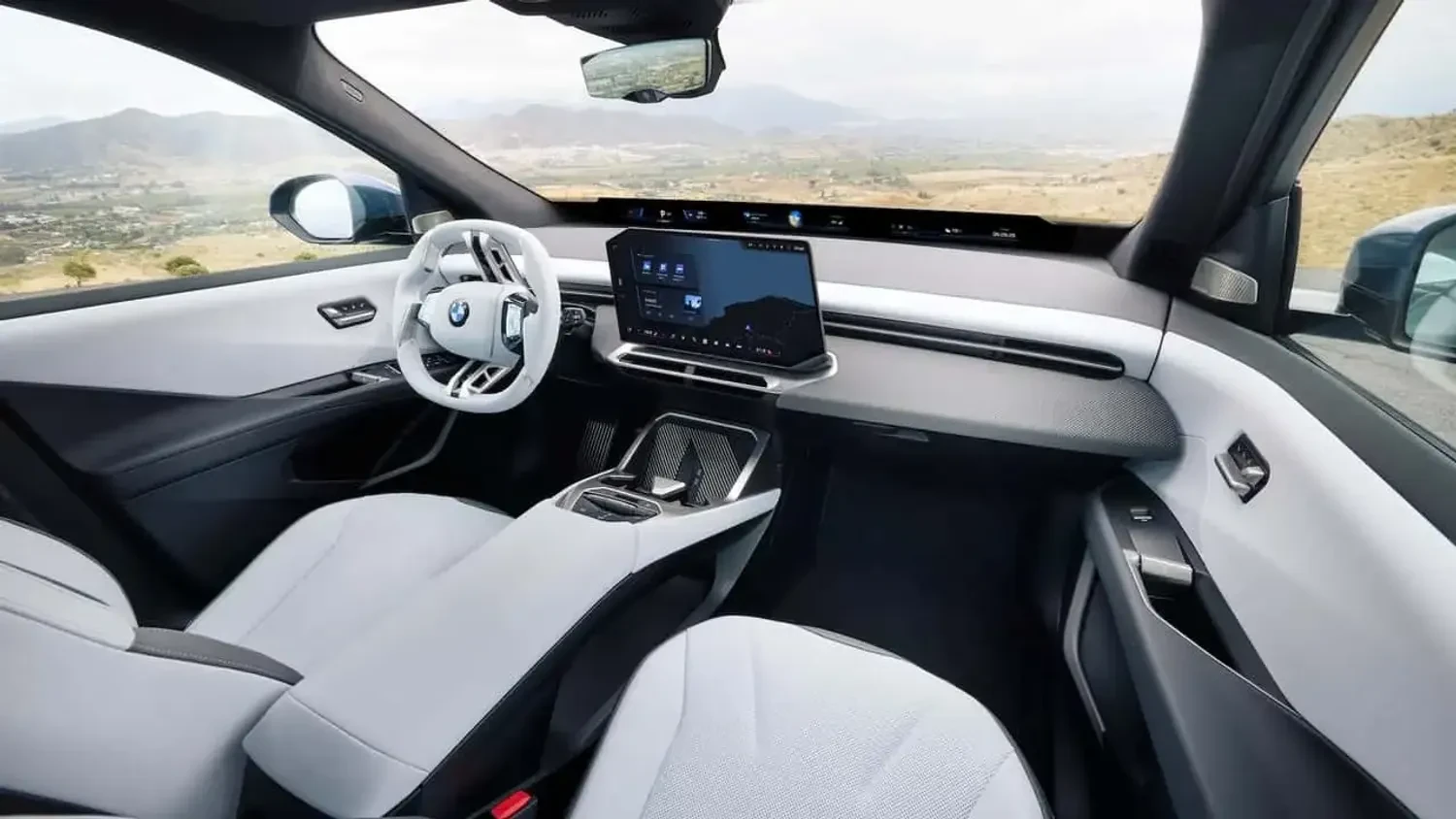
A completely redesigned dashboard with a 17.9-inch central screen is expected. The Panoramic Vision projection system, covering the entire front panel, will replace the traditional instrument cluster. It will have three fixed segments in the driver's field of vision and six customizable sections on the passenger side, projecting information at the base of the windshield.
The new X5 will ditch the iDrive rotary knob and most traditional controls for minimalism. In the second-generation iX3, even the airflow direction is controlled via the touchscreen. Sooner or later, all BMWs will adopt this simplified approach. By the end of 2027, the company plans to release more than 40 new or updated models with Neue Klasse DNA. The X5 will be one of the first internal combustion engine cars to receive this configuration when it arrives in 2026, along with the next generation of the 3 Series sedan.
Whether a three-row seating configuration will be offered is still unknown, although BMW may push buyers towards the X7. The second generation of the larger SUV will be released in 2027. An electric vehicle is also expected, but not a hydrogen fuel cell version.
While gasoline and plug-in hybrid X5s will be sold worldwide, diesels will likely remain primarily in Europe and a few other markets. Fuel cells, in turn, will only be available in a few regions. According to H2Stations.org research, there were only about 1,160 hydrogen fueling stations worldwide by the end of 2024. This number may increase by 2028, when the iX5 Hydrogen enters the market, but BMW is unlikely to sell this version widely, given the extremely underdeveloped infrastructure.
BMW and its partner Toyota are among the few automakers betting on hydrogen. While Stellantis recently abandoned its fuel cell ambitions, Hyundai, Honda, General Motors, and Renault/Alpine continue to support the technology.