










Mold in the bathroom: causes, removal methods, and prevention
Kyiv • UNN
Mold in the bathroom is a serious health threat, causing allergic reactions and exacerbating chronic diseases. UNN has investigated why it appears, how to effectively remove it, and prevent its recurrence.

Mold in the bathroom is not just an aesthetic problem, but also a serious health threat. It can cause allergic reactions, respiratory irritation, worsening skin conditions, and exacerbation of chronic diseases. Most people encounter mold at least once in their lives, so UNN investigated why it appears, how to effectively remove it, and prevent its recurrence.
Why mold appears in the bathroom
The main reason for mold growth is high humidity and insufficient air circulation. Steam generated during showering or bathing settles on the walls and ceiling, creating ideal conditions for fungal growth.
In addition to natural humidity, mold growth is also influenced by:
- faulty plumbing, including leaking pipes;
- poorly sealed seams and joints;
- use of materials that do not withstand high humidity well;
- errors during renovation and improper use of premises;
- construction defects;
- insufficient or absent ventilation;
- leaving wet towels and rugs in the room for a long time.
Why you need to get rid of mold
Fungal spores surround us everywhere, but in conditions of high humidity and poor ventilation, they quickly germinate, creating mold. Scientists have described hundreds of types of mold that differ in appearance, growth location, and harmful effects on health. In rooms with wooden finishes and furniture without protective coating, brown, white, and blue mold often appears, which gradually destroys materials.
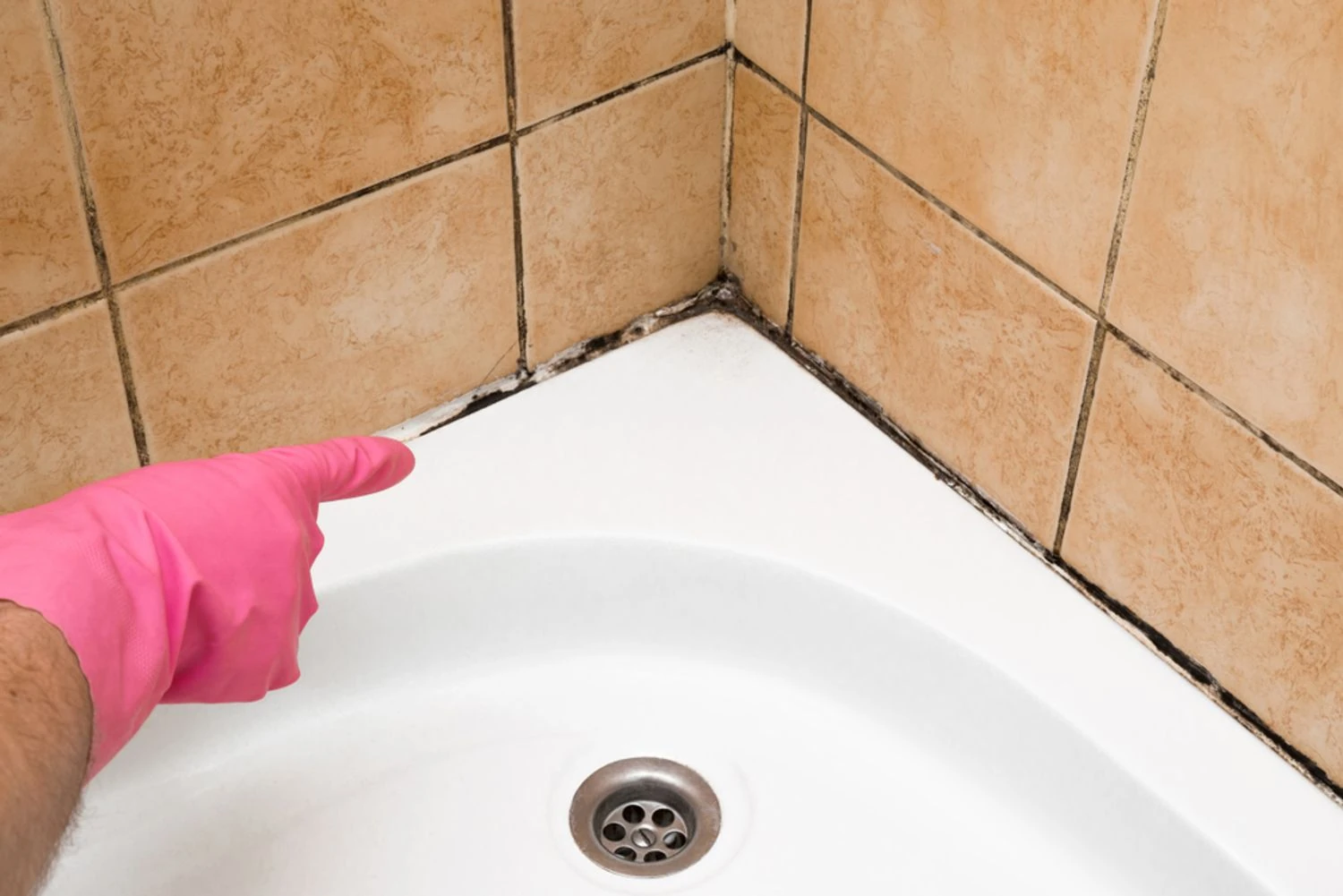
Black mold is considered the most dangerous in residential premises. It can affect any surface and even food products. For its active spread, minor ventilation problems, temperatures above 15 °C, and humidity above 70% are sufficient. This fungus is characterized by extreme vitality and easily adapts to environmental conditions.
Residents may not even suspect that frequent headaches, nervousness, allergies, digestive problems, exacerbation of bronchial asthma, or kidney and lung diseases can be a consequence of prolonged contact with mold. It is especially dangerous for pregnant women, children, and people with weakened immune systems.
How to remove mold in the bathroom: effective methods
Mold can be removed using both folk and professional methods, each of which has its advantages and limitations.
Folk methods of combating mold
It should be noted that folk remedies help only when minor black spots appear. Activated charcoal and calcium chloride are popular pharmacy remedies. Crushed charcoal is mixed with salt and placed in damp corners; calcium chloride acts similarly.
Table vinegar is also effective against fungus. For surface treatment, vinegar is applied with a spray bottle, after which it is recommended to mechanically clean the treated area and rinse off residues with water. The treatment will have to be repeated every 5–7 days to achieve results. Citric acid works similarly to vinegar, curdling mold, but black marks after treatment will have to be removed with soap. Potato starch and ground coffee neutralize odor on dark fabrics: sprinkle for 30 minutes, then scrape off and wash.
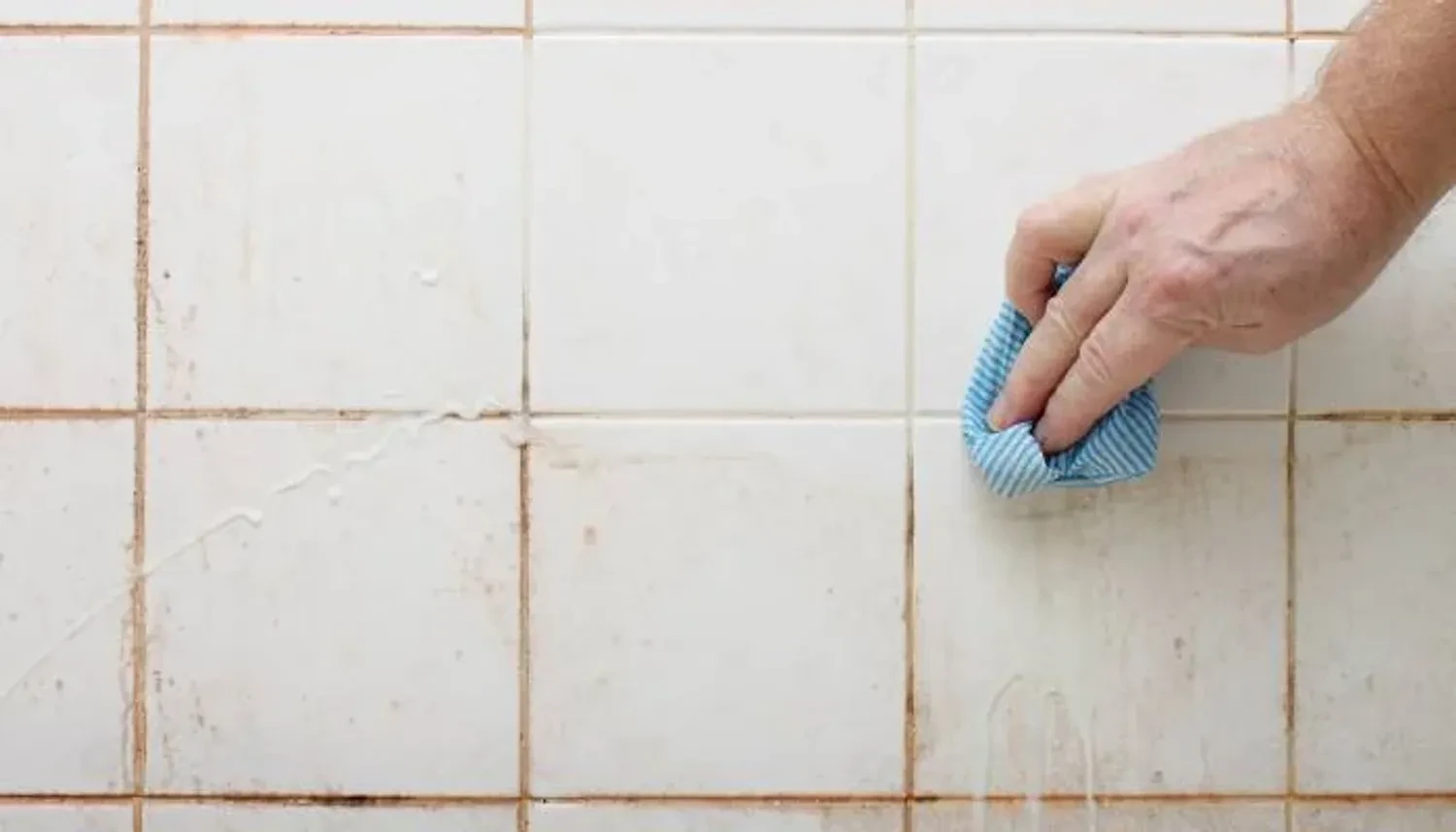
Creosote, a substance derived from tar and used for decades to treat wooden railway sleepers, is also quite effective. Creosote is usually diluted with essential or alcohol-containing solutions. At the same time, this substance contains components that can be harmful to human health, so after its use, the treated surface should be thoroughly rinsed.
In addition, surfaces can be cleaned of fungus using other improvised substances often found in the kitchen. These include baking soda, alcohol, essential oils, chlorine, bleach, and other agents.
Chemical and other agents
When working with chemicals, always follow the manufacturer's instructions, avoid contact with skin and eyes.
- bleach (diluted 1:10 with water) destroys fungi on most surfaces, but is not suitable for furniture and clothing;
- ammonia quickly eliminates developed colonies, but leaves stains on lacquered surfaces and is not suitable for colored fabrics;
- ascorbic acid in combination with alcohol helps clean things: mix 50 ml of alcohol with 1 spoon of acid, soak for 30–60 minutes, and then wash;
- hydrogen peroxide acts on the protein structures of the fungus. It is applied with a spray bottle for 10–15 minutes, after which the treatment is repeated for a lasting effect;
- copper sulfate (10 g per bucket of water) and lime treatment are effective for comprehensive renovation or restoration of heavily infected premises;
- antifungal sprays effectively destroy spores and create a protective layer that prevents mold from regrowing;
- gels and concentrates are well suited for cracks and seams. They penetrate pores and remove fungus even in hard-to-reach places;
- chlorine-based bleach instantly removes visible stains and disinfects surfaces, but it should be used carefully, ventilating the room and wearing gloves.
Top Things You Need to Replace More Often Than You Think 17.04.25, 08:10 • 133051 view
Mold prevention
To avoid the recurrence of mold in the bathroom, conditions must be created in which the fungus cannot develop. It is important to regularly ventilate the room after water procedures and, if possible, use an extractor fan or dehumidifier. After bathing, walls, tiles, and floors should be wiped immediately. Towels, rugs, and other textile items should be kept dry, and corners and seams should be periodically treated with antiseptic agents.
Regularly check the condition of sealants and seams and eliminate leaks. For repairs, choose moisture-resistant materials.
Mold in the bathroom is a common, but completely controllable problem. It is important to understand its causes, monitor humidity and ventilation, and take preventive measures in a timely manner.