










Easter celebrations on Sunday and Valentine's Day: how African Popes influenced the Catholic Church
Kyiv • UNN
North Africa was once a Christian center, from where Popes came who influenced the traditions of celebrating Easter, the introduction of Valentine's Day, and the establishment of the Catholic Church.

Today, North Africa is predominantly a Muslim region, but it was once a Christian center, from which came the Popes who left their mark on the history of the Catholic Church, which has consequences to this day. The famous pontiffs who came from Africa are described by BBC, writes UNN.
Details
"North Africa was the biblical belt of ancient Christianity," says Professor Christopher Bellitto, a historian at Keane University in the United States.
With the election of Pope Francis' successor, many Catholics in Africa expect the papacy to return to the continent for the first time in more than 1,500 years.
Victor I (189-199)
Pope Victor I was of Berber origin. He led the Catholic Church at a time when Christians were persecuted by the Roman authorities for refusing to worship Roman gods.
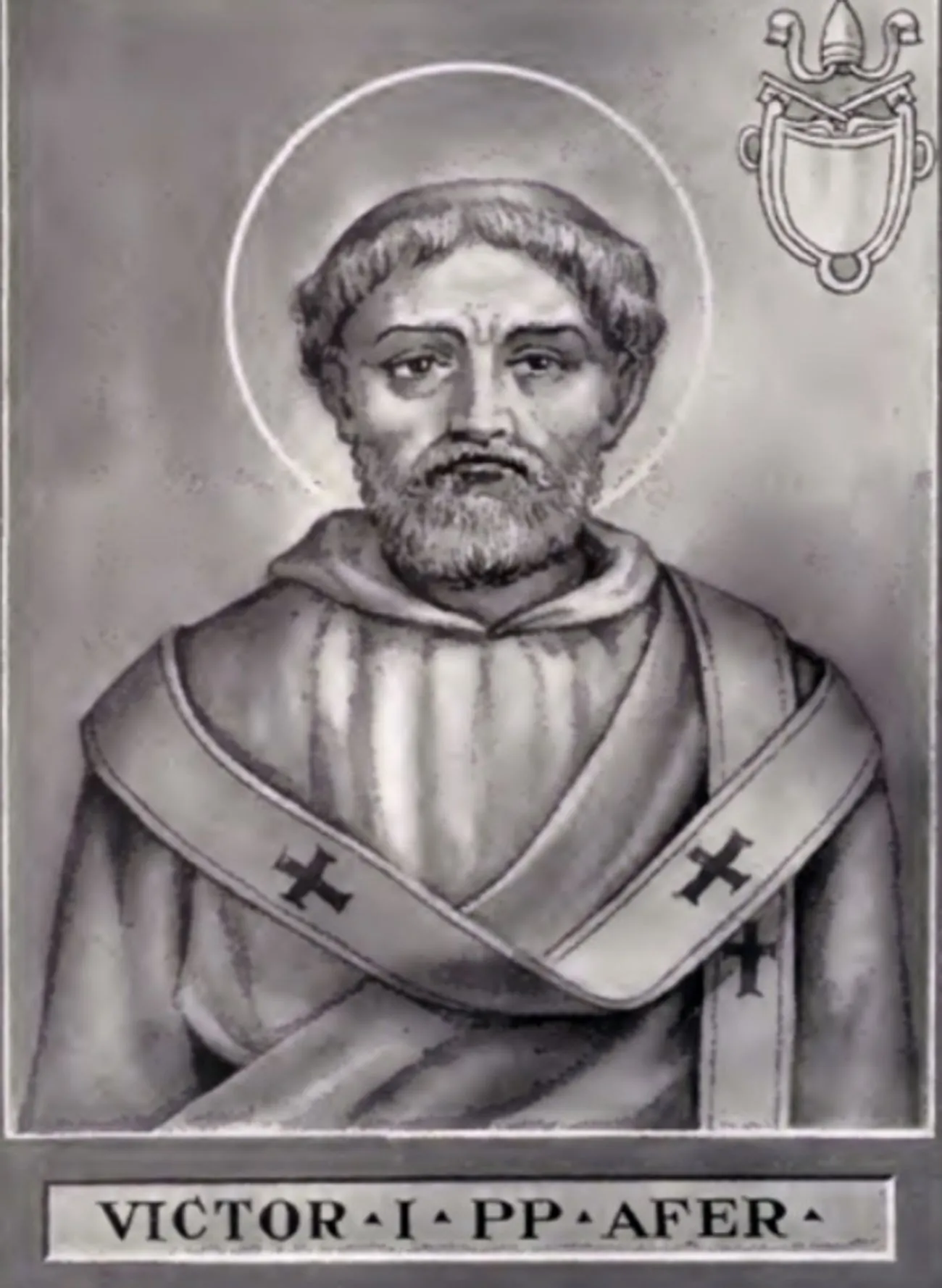
He is especially known for ensuring that Christians celebrate Easter on Sunday. In the second century, some Christian groups in the Roman province of Asia (in what is now Turkey) celebrated Easter on the same day that Jews celebrated Passover, which could fall on different days of the week.
However, Christians in the western part of the empire believed that Jesus rose on Sunday, so Easter should always be celebrated on that day.
Cardinal predicts short conclave to elect Pope03.05.25, 09:22 • 16373 views
The debate over when the resurrection took place made the issue extremely controversial.
Victor I convened the first Roman Synod, a meeting of church leaders, to break the deadlock. He did so by threatening to excommunicate those bishops who refused to comply with his wishes. Professor Bellitto emphasized that this was an impressive feat because "he was the Bishop of Rome when Christianity was illegal in the Roman Empire."
Another important part of Victor I's legacy was the introduction of Latin as the common language of the Catholic Church. Previously, ancient Greek was the main language of the Catholic liturgy, as well as the official communication of the Church.
Miltiades (311-314)
Pope Miltiades was born in Africa. During his reign, Christianity became increasingly widespread among Roman emperors, eventually becoming the official religion of the empire.
Previously, persecution of Christians was common at various periods in the empire's history. However, Professor Bellitto noted that Miltiades was not responsible for this change, arguing that the Pope was a "recipient of Roman benevolence" rather than a great negotiator.
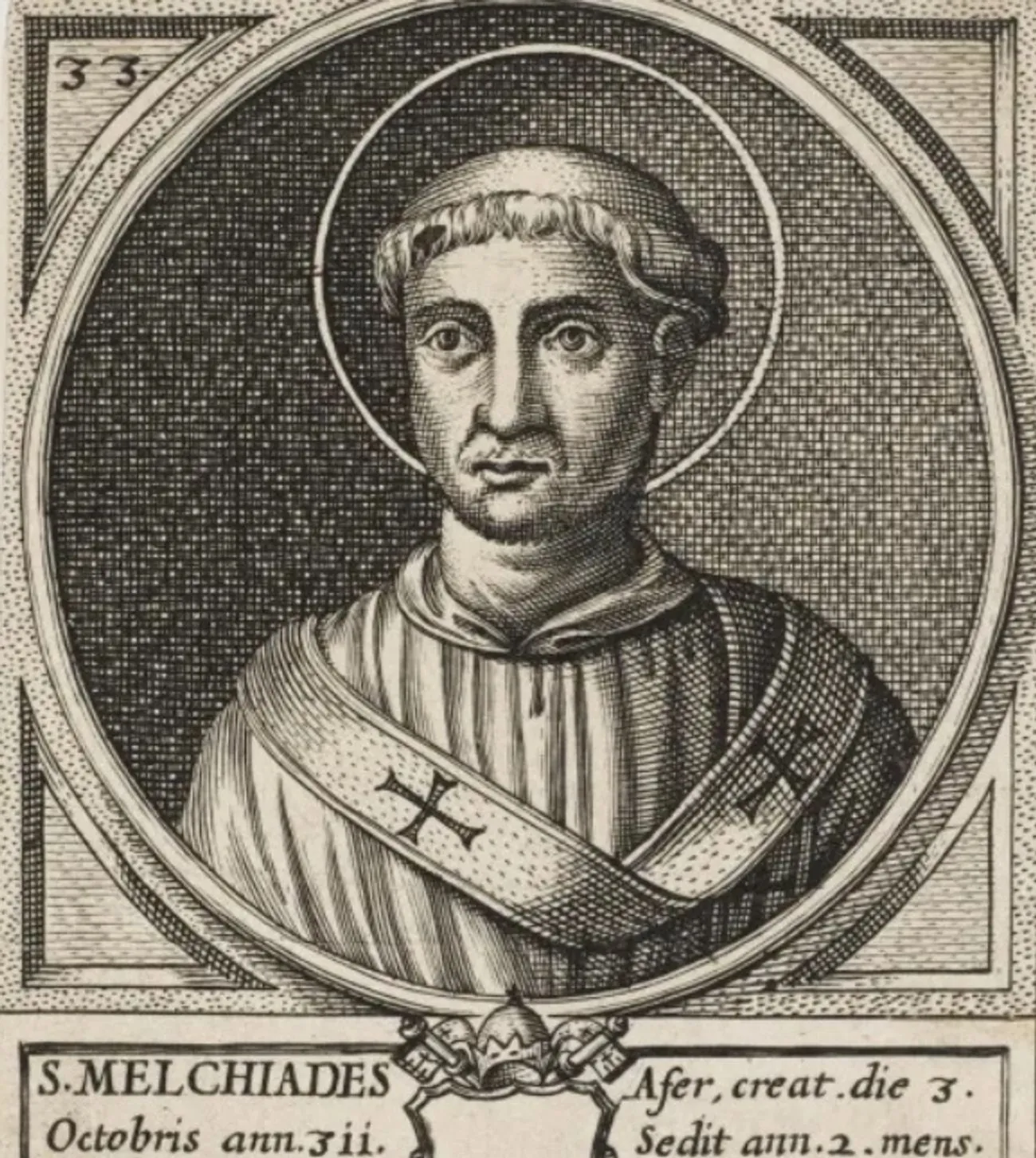
The Roman Emperor Constantine gave Miltiades a palace, making him the first Pope to have an official residence. Constantine also gave him permission to build the Lateran Basilica, which is currently the oldest church in Rome. Although modern popes live and work in the Vatican, the Lateran Church in Catholicism is sometimes called the "mother of all churches."
Gelasius I (492-496 AD)
Gelasius I is the only one of the three African popes who, according to historians, was not born in Africa.
There is mention of his birth in Rome. So we don't know if he lived in North Africa, but it is obvious that he was of North African origin.
According to Professor Bellitto, he was the most important of the three African church leaders.
Gelasius I is widely recognized as the first pope to be officially called "Vicar of Christ" — a term denoting the pope's role as Christ's representative on Earth. He also developed the Doctrine of the Two Swords, which emphasized the separate but equal authority of Church and State.
Gelasius I made a crucial distinction that both authorities were given to the Church by God, who then delegated earthly authority to the State, making the Church the highest authority.
Later in the Middle Ages, popes sometimes tried to veto the election of an emperor or king, claiming that God had given them that power, Professor Bellitto argued.
Gelasius I is also known for his reaction to the Acacian Schism, a division between the Eastern and Western Christian Churches that occurred between 484 and 519. During this period, Gelasius I asserted the primacy of Rome and the papacy over the entire Church, both Eastern and Western, which scholars believe went further than any of his predecessors.
Gelasius is also responsible for a popular holiday that is still celebrated every year: the establishment of Valentine's Day on February 14, 496 in memory of the Christian martyr St. Valentine. This day is still celebrated as Valentine's Day.
Should we expect a new Pope from Africa
Catholicism is spreading faster in sub-Saharan Africa today than anywhere else. Recent data shows that there were 281 million Catholics in Africa in 2023. This represents 20% of the world's community.
Three Africans are vying for the position of successor to Pope Francis:
- Fridolin Ambongo Besungu from the Democratic Republic of Congo;
- Peter Kodwo Appiah Turkson from Ghana;
- Robert Sarah from Guinea.
However, Professor Philomena Mwaura argues that "although Christianity is very strong in Africa, the strength of the Church is still in the north, where resources are concentrated."
Perhaps if it remains very strong on the continent and is self-financing, the time will come when there will be an African Pope
Conclave on May 7: historical facts about the election of the Pope02.05.25, 13:52 • 6149 views