










Conclave on May 7: historical facts about the election of the Pope
Kyiv • UNN
On May 7, the conclave of cardinals will begin to elect the successor to Pope Francis. The longest conclave lasted 1006 days, the shortest – a few hours.

The entire Catholic and not only the world is waiting for the conclave of cardinals, which will begin on May 7. On this or the next few days, the successor to Pope Francis, who died on April 21 this year, will be elected in the Vatican.
UNN tells about 10 interesting historical facts related to the election of the Pope with reference to AP.
Details
The longest conclave in history
In the 13th century, it took almost three years, or more precisely 1006 days, to elect the successor to Pope Clement IV, making this conclave the longest in the history of the Catholic Church. The term "conclave" - "under lock and key" comes from here, because the cardinals, who sat in Viterbo, north of Rome, dragged out the case so much that the disappointed residents of the city locked them in a room.
The secret ballot that elected Pope Gregory X lasted from November 1268 to September 1271.
The "once a day" rule
Hoping to avoid a repeat of the longest conclave in history, Gregory X decreed in 1274 that cardinals would only receive food "once a day" if the conclave lasted more than three days, and only "bread, water and wine" if it lasted more than eight. This restriction was lifted.
The shortest conclave in history
Until 1274, there were cases when the Pope was elected on the day of his predecessor's death. However, after that, the church decided to wait at least 10 days before the first vote. Later, this period was increased to 15 days.
The fastest conclave that followed the 10-day waiting rule was the election of Pope Julius II in 1503, who was elected in just a few hours.
As for modernity, Pope Francis was elected in 2013 with the fifth vote, Benedict XVI won in 2005 with the fourth, and Pope Pius XII won with the third in 1939.
The first conclave in the Sistine Chapel
The first conclave under the Michelangelo-painted ceiling of the Sistine Chapel took place in 1492. Since 1878, the world-famous chapel has become the venue for all conclaves.
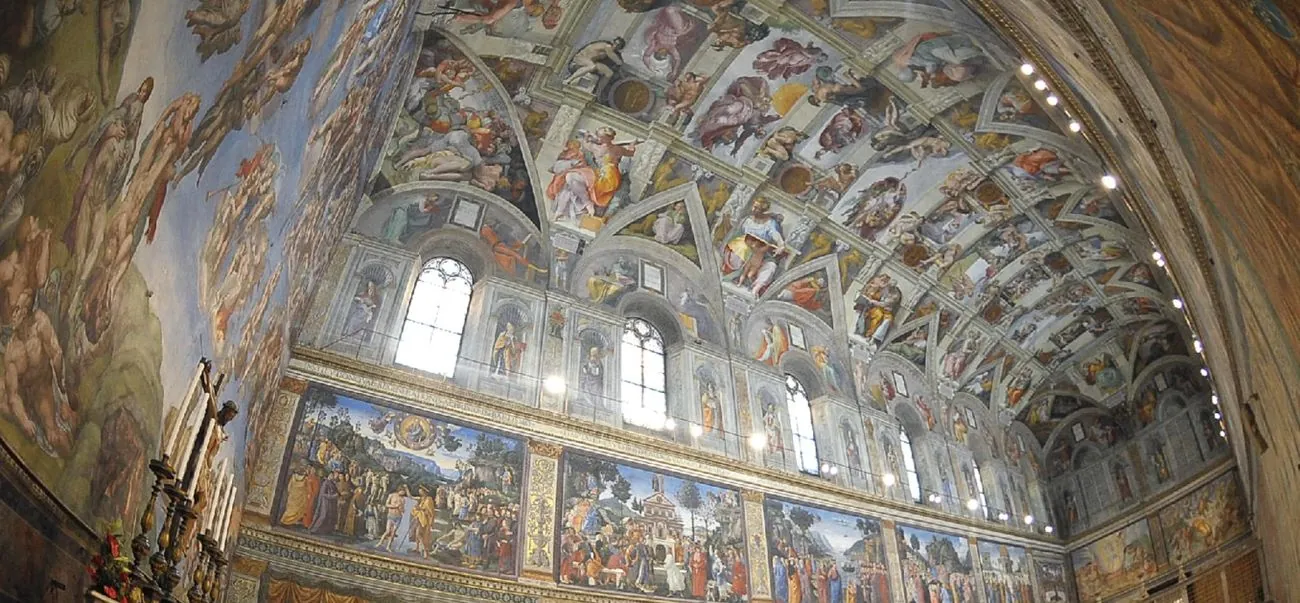
Everything contributes to the awareness of the presence of God, before whom every person will one day be judged
Cardinals spend the night a short distance away in the nearby Domus Santa Marta hotel or in a nearby residence.
Alternative venues
Most conclaves were held in Rome, some outside the walls of the Vatican. Four of them took place in the Pauline Chapel of the papal residence in the Quirinale Palace, and about 30 others in the Basilica of St. John Lateran, the Basilica of St. Mary on Minerva, or in other places in Rome.
In 15 cases, they took place outside of Rome and the Vatican, including in Viterbo, Perugia, Arezzo and Venice in Italy, as well as in Constance, Germany, and Lyon, France.
Alternative popes, or antipopes
Between 1378-1417, which historians call the Western Schism, there were rivals who claimed the title of Pope. The split led to the emergence of several claimants to the papal throne, the so-called antipopes, which split the Catholic Church for almost 40 years.
The most famous antipopes during the Western Schism were Clement VII, Benedict XIII, Alexander V and John XXIII.
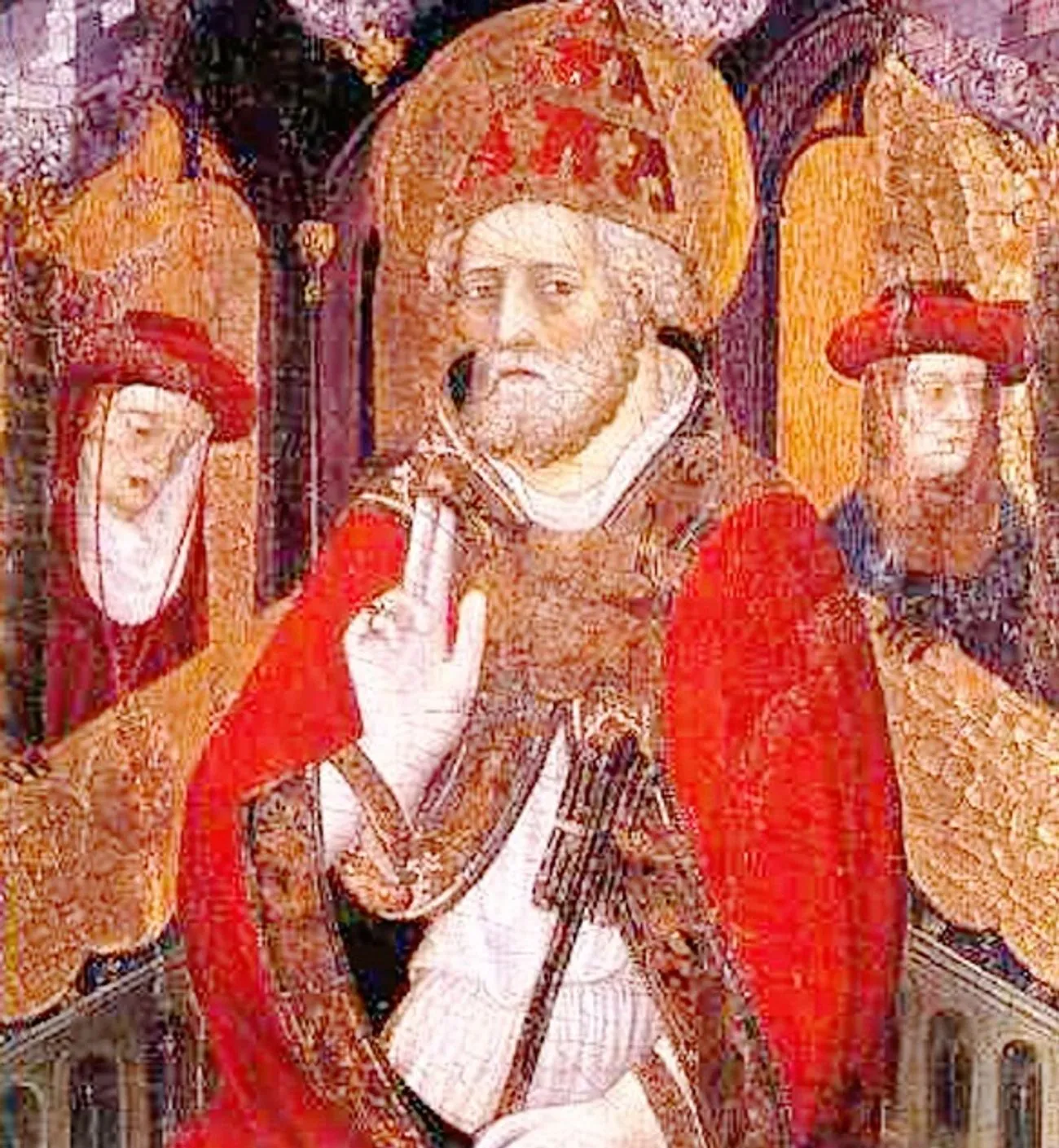
The split was finally resolved at the Council of Constance in 1417, which led to the election of Martin V, the universally recognized pontiff.
Trump expressed a desire to become the new Pope29.04.25, 22:47 • 33981 view
Personal hygiene challenge
The closed nature of the conclave presented the cardinals with another challenge: maintaining health. Before the construction of the Domus Santa Marta guest house in 1996, cardinal electors slept on cots in rooms connected to the Sistine Chapel.
Historians describe the conclaves in the 16th-17th centuries as "disgusting", with fears of disease outbreaks, especially in the summer. Cardinals simply had to have a more comfortable way of life, because they were mostly old people.
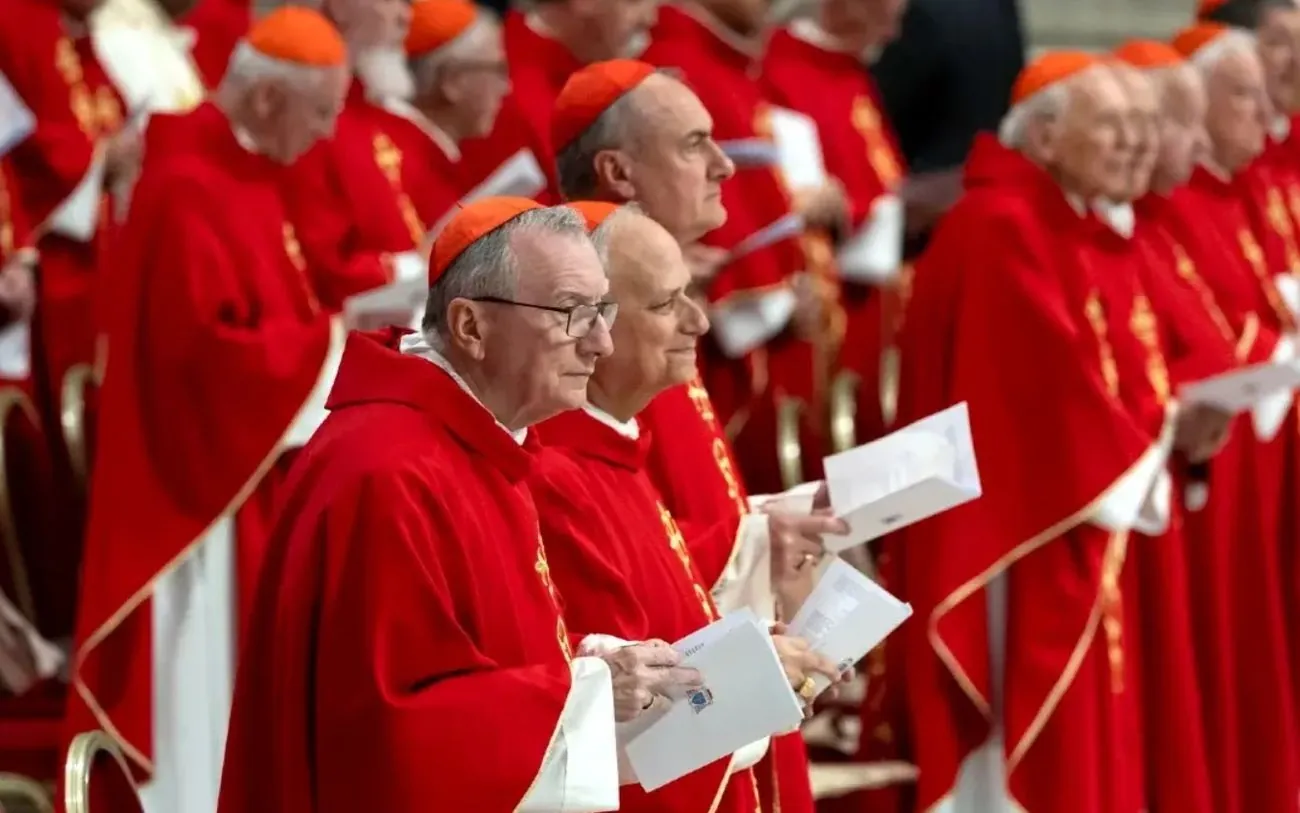
The closed space and lack of ventilation further exacerbated these problems.
Secrecy oath
Initially, papal elections were not so secret, but concerns about political interference increased during the longest conclave in Viterbo.
Gregory X decreed that the cardinal electors should be locked in isolation, "cum clave" (with a key), until a new Pope is elected. The goal was to create a completely separate environment where cardinals could focus on their task, guided by God's will, without any political interference or distractions.
The youngest Pope, the oldest Pope
Pope John XII was only 18 years old when he was elected in 955. The oldest Popes were Pope Celestine III (elected in 1191) and Celestine V (elected in 1294), who were almost 85 years old. Benedict XVI was 78 years old when he was elected in 2005.
A Pope who is not a cardinal and is not a Pope
There is no requirement for the Pope to be a cardinal, but this has been the case for centuries. The last Pope who was not a cardinal was Urban VI, elected in 1378. He was a monk and Archbishop of Bari.
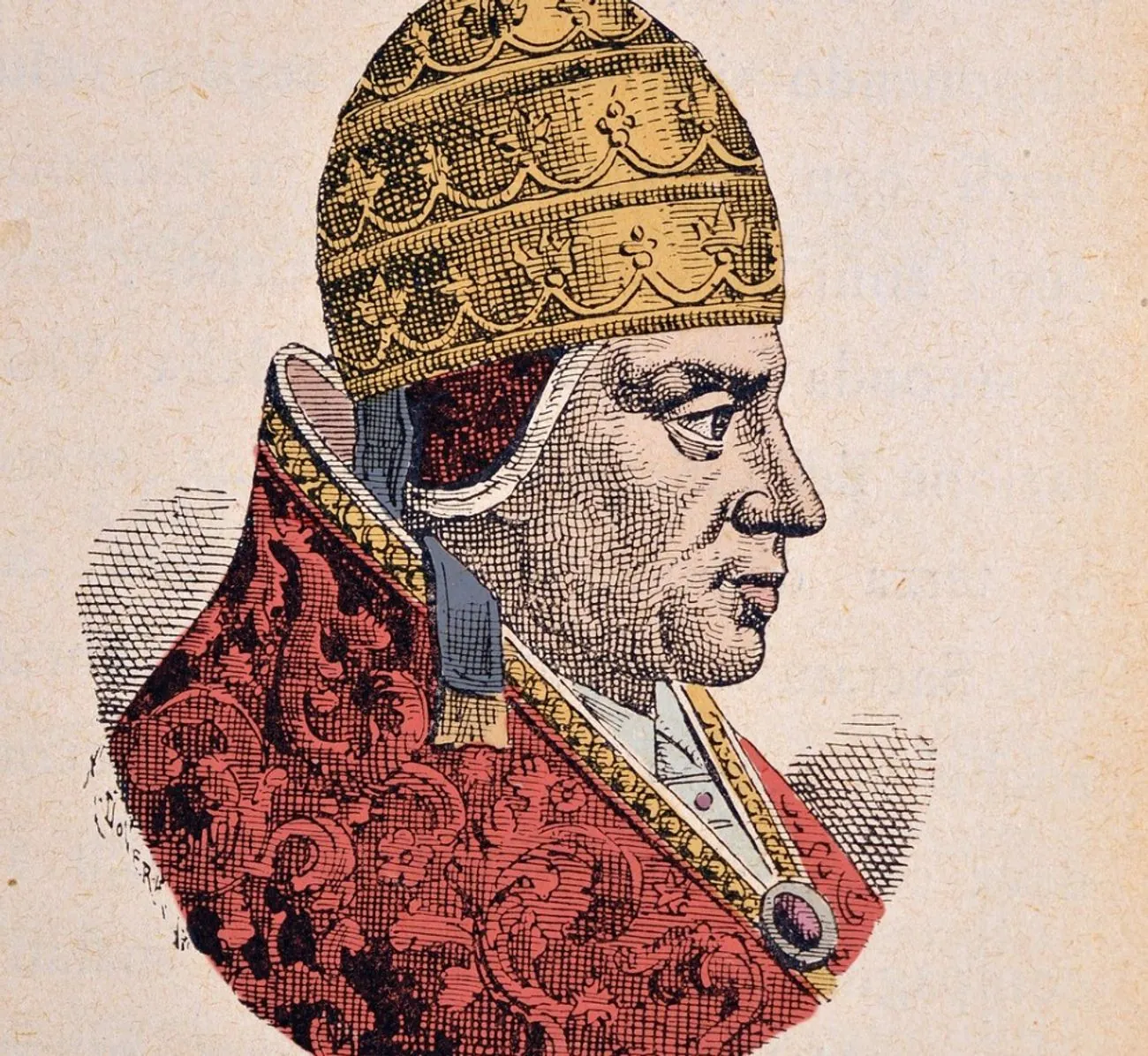
Although Italians have held power over the papacy for centuries, there have been many exceptions, in addition to the Pole John Paul II, the German Benedict XVI, and the Argentinian Francis. Alexander VI, elected in 1492, was Spanish, Gregory III, elected in 731, was Syrian, Adrian VI, elected in 1522, came from the Netherlands.