










World Sexual Health Day: Experts gave advice for its maintenance
Kyiv • UNN
September 4 marks Sexual Health Day. Experts shared tips on safe sexual behavior and necessary examinations for men and women.

Today, September 4, the world celebrates Sexual Health Day. And although this holiday is not official, it reminds people that they need to be conscious of their own sexuality, and no less important - of reproductive health and family planning. UNN spoke with obstetrician-gynecologist Margarita Chornyenka and urologist Oleg Kalashnyk of Odrex Medical House about the rules of safe sexual behavior and how to timely recognize the presence of a problem.
Basic rules of safe sexual behavior that everyone should know
Be sure to talk to your partner. Don't be afraid to ask questions about their health, the contraception method you plan to use, and any previous examinations your partner has had.
She emphasizes that the most responsible approach is to examine partners before starting sexual relations, as well as vaccination against HPV and hepatitis B.
After the examination, the doctor will help you choose contraception. However, situations vary, so in cases where partners are not examined, use a condom systematically and correctly (protection against sexually transmitted infections and unwanted pregnancy at 80-95%)
She advises remembering that a condom must be changed when changing types of sex. In particular, oral sex should also be protected, and sex toys should be strictly individual and thoroughly cleaned.
Condoms indeed remain one of the most effective methods of preventing sexually transmitted infections. At the same time, it is important to understand: they do not provide one hundred percent protection.
The doctor explains that some infections, including human papillomavirus (HPV) and genital herpes, can be transmitted through skin or mucous membrane contact, so a condom will not help here.
Therefore, "even with proper condom use, the barrier does not guarantee complete safety, as pathogens can enter the body through areas that remain open."

What examinations and tests should men regularly undergo to maintain sexual health?
Urologist Oleg Kalashnyk says that, in general, everything depends on the patient's age. So, for adolescent boys, mandatory periodic supervision by a pediatric urologist is needed to rule out varicocele (varicose veins of the pampiniform plexus) and other organic pathologies of the urinary tract.
The specialist explains that varicocele can potentially worsen spermogram quality (sperm become less mobile, defective cell forms appear), which in turn can lead to further problems when planning a family in the future. "If a man is under 30, has a permanent sexual partner, has no urological complaints, and no bad habits (especially smoking), then there is no need for the patient to specifically consult a urologist to maintain sexual health," Kalashnyk also emphasizes.
However, the specialist notes that undergoing a planned annual check-up to rule out organic pathology and correct chronic diseases (if any) is only welcomed.
For this, a minimum plan is performed: complete blood count, complete urinalysis, kidney function tests, urological ultrasound. Then, during the consultation, the doctor, based on complaints and studies, can refer the patient for further examination.
This includes both instrumental and laboratory studies. In particular, studies of biochemical blood parameters, exclusion of hormonal disorders, etc.

Starting from the age of 45, the PSA (prostate-specific antigen) test is added to the above list, which should be performed once a year.
What examinations and tests should women undergo regularly to maintain sexual health?
For women, this is an annual gynecological examination: examination, PAP test or PAP test + HPV (from 35 years old), preferably pelvic ultrasound.
The gynecologist emphasizes that a routine examination does not include testing for sexually transmitted infections, so it is important to be as frank as possible with the doctor and, if necessary, undergo testing, as diseases very often proceed asymptomatically.

How to recognize problems in time
Any complaints from the female reproductive system are a reason to consult a doctor, emphasizes Chornyenka.
However, according to her, particularly alarming signs may include:
- pathological discharge from the genital tract, changes in its consistency, smell, and color;
- itching, burning, discomfort in the vagina and during urination;
- lower abdominal pain;
- pain during sexual intercourse;
- rashes, formations in the area of the external genitalia.
Do not consider the option of "it will pass by itself" or self-medication, because this often leads to unpleasant consequences.
She also adds that it is mandatory to undergo a gynecological examination once a year, even in the absence of complaints. Depending on lifestyle, health status, and plans, the doctor outlines an examination plan.
If you notice a deterioration in sexual function (decreased erection), if you experience pain in the scrotum, perineum, discomfort during urination, frequent urination, unexplained discharge from the genital tract, the presence of rashes, etc. - you should consult a urologist for further examination.
What sexually transmitted infections are there and how to protect yourself from them?
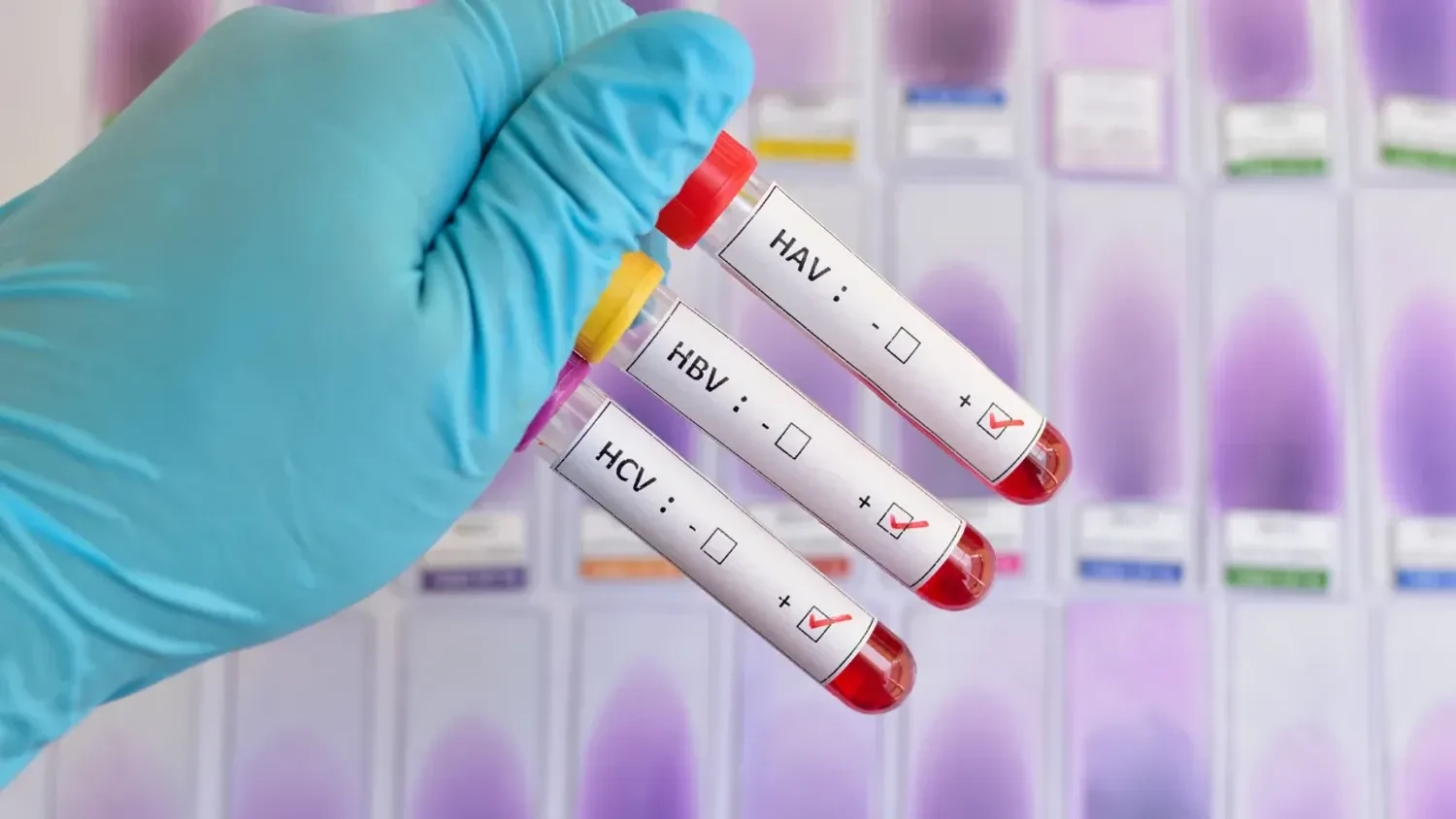
The most common are syphilis, gonorrhea, chlamydia, trichomoniasis, hepatitis B and C (less common), HPV (human papillomavirus), HIV (human immunodeficiency virus), HSV (herpes simplex virus), says Chornyenka.
The urologist primarily focuses on diseases such as chlamydia, trichomoniasis, gonorrhea (transmitted during sexual intercourse), and urethritis associated with ureaplasma infection can occur.
And in general, it is worth remembering that conditionally specific bacteria (a striking example is E. coli, which is found in the intestines) can sometimes worsen and, under certain conditions, can cause an exacerbation of prostatitis.
Also, according to him, it is necessary to emphasize to the patient that during sexual intercourse, the patient can become infected with such infections as HIV, hepatitis B, C, syphilis, etc.
Undoubtedly, the most reliable method of protection is barrier methods of contraception - the use of a condom.
Over ten years, the birth rate in Ukraine has decreased by 2.2 times18.07.25, 13:09 • 6605 views
Do stress and mental health affect sexual life and the ability to conceive?
Yes, and the impact is quite significant. Chronic stress can lead to ovulation problems and, as a result, to pregnancy. It can also affect the regularity and nature of the menstrual cycle, intensify the manifestations of PMS (premenstrual syndrome), and affect pain during menstruation.
She also adds that stress affects libido, suppressing it.
According to the doctor, this can be avoided by following these rules:
- regular physical activity, balanced nutrition, sleep at least 7-8 hours a day;
- partner support and creation of a safe psychological environment;
- psychotherapy.
Stress and certain mental disorders, constant lack of sleep negatively affect a man's libido and erection.
He also notes that taking antidepressants and some types of narcotic substances can reduce a man's sex drive.
But first of all, when admitting such patients, we must rule out organic and inflammatory pathology in the patient. If no pathology is found during the examination, we recommend that the patient change their lifestyle. If necessary, consult a psychologist, etc.
However, the urologist's help does not end there. The doctor can "pointedly" help somewhat reduce the manifestations of erectile dysfunction in the patient. But, as a rule, all this requires a multidisciplinary approach to the patient, and for each patient, it is individual, emphasizes the specialist.