










Tree pollen and dust mites: allergist explains what you can be allergic to in the spring and how to deal with it
Kyiv • UNN
In the spring, allergies occur to tree pollen (alder, birch) and dust mites. Allergist Maya Ruselevych advises methods of prevention and treatment, in particular, reducing contact with allergens.

In spring, allergies can be primarily to tree pollen: alder, hazel, birch. Also, dust mites are in the air in large quantities. This was told to a UNN journalist by allergist, pulmonologist and pediatrician, PhD, healthy lifestyle doctor Maya Ruselevych and gave advice on treatment and prevention of allergy symptoms.
Main active allergens in March-April
Trees are already actively blooming: alder, birch, ash, hazel. These are the main triggers that cause pollinosis symptoms (an allergic disease caused by plant pollen - ed.) Also, a large concentration of mold is active now, because it is getting warmer and fungal spores multiply in the soil, on the grass, in the remains of leaves. Dust mites are also in large quantities in the air
Ruselevych also explained how to distinguish the allergy season from cold symptoms.
"Symptoms last for more than a week, because the pollination season lasts for a longer period of three to four weeks or more. Also, with allergies, there is a positive trend after taking antihistamines, there is no temperature," said the allergist.
Also, according to her, with allergies there may be tearing, itching, both in the eyes and in the nose, difficulty breathing through the nose, pronounced itching, and eosinophilic inflammation can be seen in general blood tests.
Methods of prevention and treatment
It is necessary to reduce contact with the allergen. This is called the elimination regime, that is, we must wear glasses, hats when we go outside. Come in from the street and take it all off, take a shower, wash your nose with isotonic saline solutions, use a nasal spray or nasal shower, artificial tears in your eyes. Do wet cleaning. Use a humidifier - 40-60% is the optimal humidity
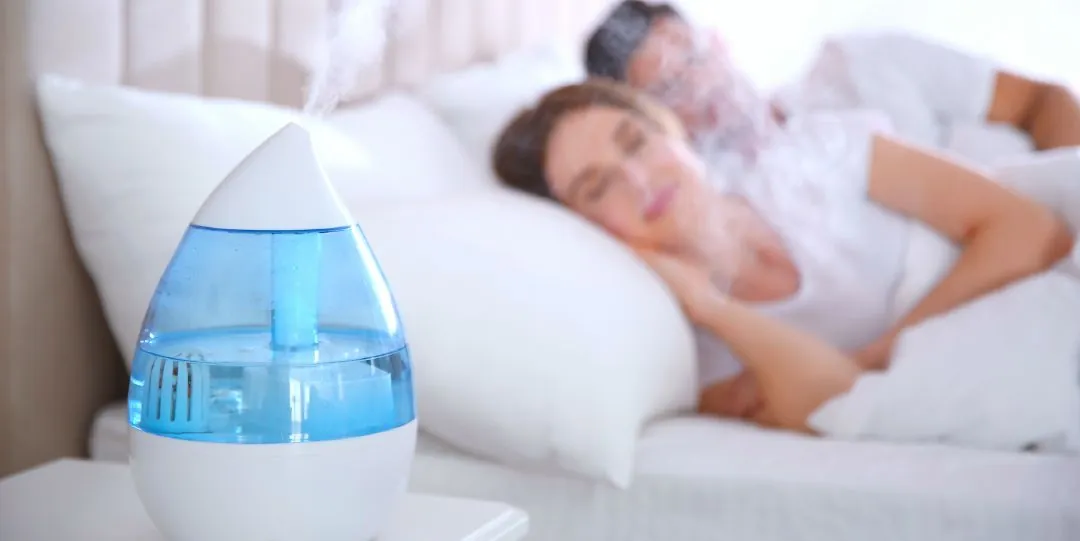
According to her, you can also install air purifiers with hepa filters.
"If there is windy weather, close the windows, turn on the air conditioner. We bathe our pets, because they are carriers of pollen, this is prevention. In treatment, we use a nasal shower for the nose, modern generation antihistamines, non-sedative," said the allergist.
Ruselevych noted that if this is not enough, you need to use topical antihistamines, there are drugs in the nose, there are in the eyes.
"If this is not enough, we use topical steroid drugs. But the correct treatment for allergies is allergen-specific immunotherapy, which is carried out after examining the patient, identifying the main major allergen, and the effect of allergy vaccination, that is, our goal is to teach the body to react normally to a potential allergen," Ruselevych explained.

Ruselevych said whether spring allergies can worsen other diseases and which ones.
Spring allergies can worsen other diseases, especially in people who have an atopic march (this is when there is cough, tearing, rhinitis - ed.), that is, they may have not only pollinosis, allergic rhinitis, allergic conjunctivitis. They may also have seasonal bronchial asthma. People with chronic obstructive pulmonary diseases may also have exacerbations. People with cardiovascular diseases, hypertension, and diabetes are especially vulnerable, that is, people with chronic diseases
Therefore, she stressed that you need to consult an allergist in a timely manner if you have allergy symptoms and use masks, wash your nose and take antihistamines. If you have difficulty breathing, use bronchodilator drugs to dilate the bronchi.
How to recognize pneumonia: symptoms and doctor's advice12.03.25, 08:47 • 123944 views
Popular mistakes in treating seasonal allergies
"People do not seek help from an allergist, they do not know what they are allergic to, considering it a cold, they take antibiotics, they take paracetamol, ibuprofen. For a very long time, they drip vasoconstrictor drugs into the nose, which leads to atrophy of the nasal mucosa and even to drug-induced allergic rhinitis. They do not try to treat allergies correctly with AIT (allergen-specific immunotherapy), they use large doses of hormonal drugs to stop the symptoms. They overdose on antihistamines, including hormonal drugs, and take antibacterial drugs without prescription, without the need," said Ruselevych.
The allergist stressed that this affects the general condition of the body, all organs and systems.
Tick season: veterinarian gave advice on how to protect pets09.03.25, 11:44 • 139511 views