










The history and characteristics of Finnish cuisine: what people eat in the land of a thousand lakes
Kyiv • UNN
Finnish cuisine was shaped by the climate and nature, combining simple and hearty dishes made with fish, game meat, berries, and dairy products. Traditional dishes such as kalakukko and kalakeitto reflect a unique combination of ingredients.

Finnish cuisine developed over centuries under the influence of the climate, natural conditions, and the way of life of local residents, combining simple and hearty dishes. UNN will tell you more about Finland’s culinary traditions, their history, which dishes are considered national, and what is special about Finnish cuisine.
The History of Finnish Cuisine
Finnish cuisine developed in conditions where the choice of products largely depended on nature. In the country, lakes, the sea, forests, and agriculture were important sources of food. Therefore, fish, wild game, grains, potatoes, mushrooms, and berries became staples of the traditional menu.
The origins of this cuisine date back to ancient times. In particular, as early as the Stone Age, local residents combined products that may seem unusual today. They prepared dishes made from meat and fish, among other things.
The need to preserve food for long periods played an important role in the formation of culinary traditions, so before winter, Finns smoked or dried fish, dried mushrooms, and stocked up on other products. For example, herbs such as kalakukko were convenient for storage and travel.
Neighboring countries also influenced the development of the cuisine, so Finnish gastronomy was shaped by Swedish and Western European influences, while preserving its own traditions. One of these was the use of local products provided by lakes, forests, and fields. Traditionally, Finnish cuisine was quite simple, and for a long time it used few spices, mainly salt and black pepper.
Features of Finnish Cuisine
One of the main characteristics of Finnish cuisine is the large number of fish dishes. This is natural for a country with many lakes and access to the sea. Traditional recipes use salmon, herring, trout, whitefish, and other fish.
The meat of wild animals is no less important. Finnish cuisine includes dishes made from reindeer, elk, hare, and game. The meat is often combined with forest berries, primarily lingonberries and cranberries, which are served as sauces, side dishes, jams, or jellies.
Another characteristic feature is the highly specific combination of products. Traditional recipes may combine several types of meat, meat with fish, or fish with dairy products. The latter combination is quite unusual for many other national cuisines.
Plant-based products are also important. Because of the northern climate, the range of fresh vegetables was traditionally limited. The main products included carrots, beets, and rutabagas, while potatoes appeared in the 18th century. At the same time, the forests were abundant in berries.
Rye bread also remains an important product in Finland. One of its traditional varieties is round reikäleipä with a hole in the middle, while rye dough is also used to make Karelian pasties and kalakukko. Finnish cuisine is also known for its wide range of dairy products, which are used not only as beverages but also in the preparation of soups and other dishes.
Coffee holds a special place in Finnish food culture. It is consumed throughout the day, and pastries are often served with the drink. Traditional sweet products include pulla (pulla), a yeast bun flavored with cardamom.
Traditional Dishes of Finnish Cuisine
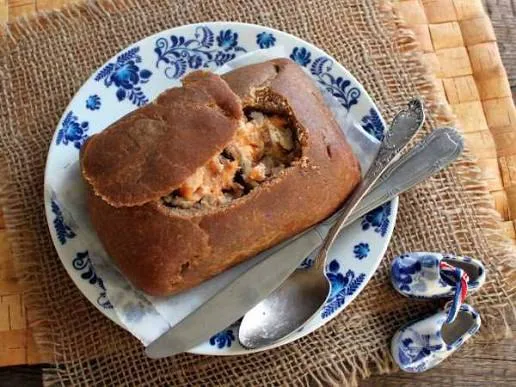
Kalakukko is a fish pie that was stored for the winter. It consists of fish and pork fat baked inside rye dough. The finished product resembles a large round loaf on the outside, while the dish itself originated as a nutritious food that could be prepared in advance and stored for a long time. Before eating, kalakukko was reheated. Thus, fish, pork fat, and rye dough were combined in one hearty dish.
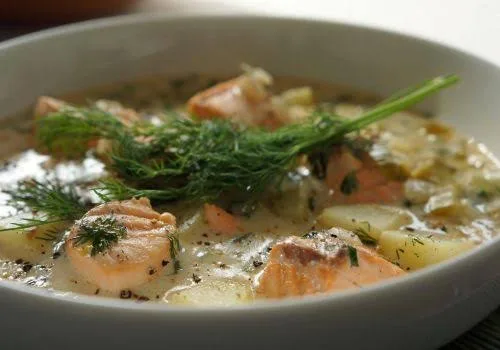
Kalakeitto is a traditional Finnish fish soup made with fish and milk. One version of the dish is soup with salmon, potatoes, and milk. The combination of fish and dairy products is one of the notable features of Finnish cuisine. Traditional soups also include klimpisoppa, a fish soup with dumplings.
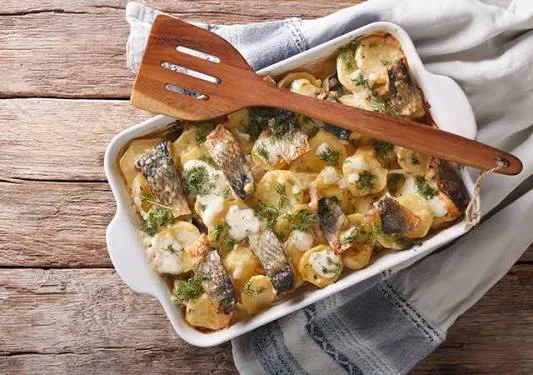
Kalalaatikko is a traditional main course based on potatoes and herring. The ingredients are stewed together and seasoned with sauce. This dish clearly demonstrates the character of Finnish cuisine: simple, accessible products are combined into hearty home cooking.
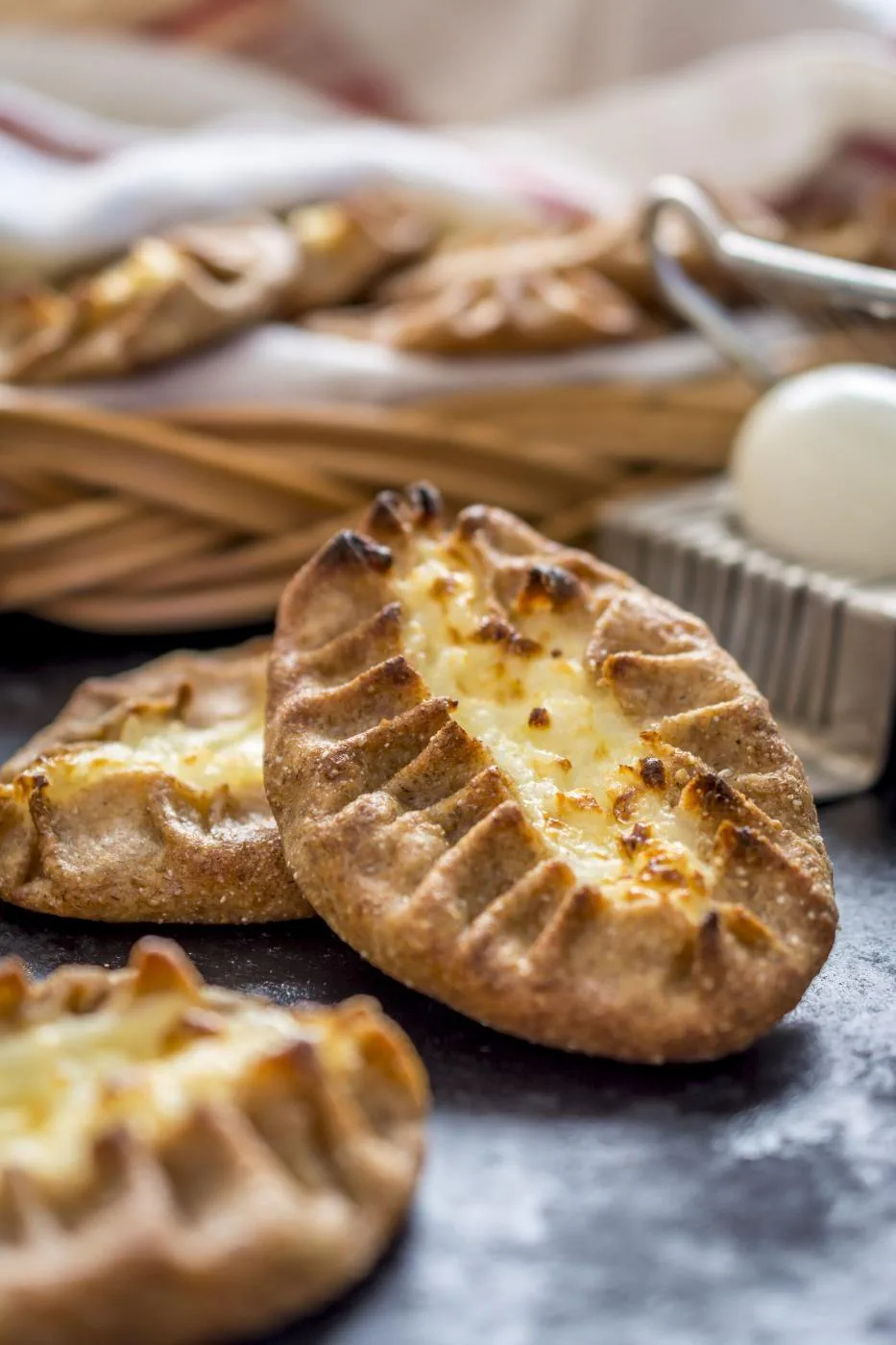
Karelian pasties are made from rye dough with a filling. The traditional version contains rice cooked in milk or mashed potatoes. The pasties are eaten freshly baked. They are also served with munavoi — a mixture of butter and chopped boiled eggs with salt.
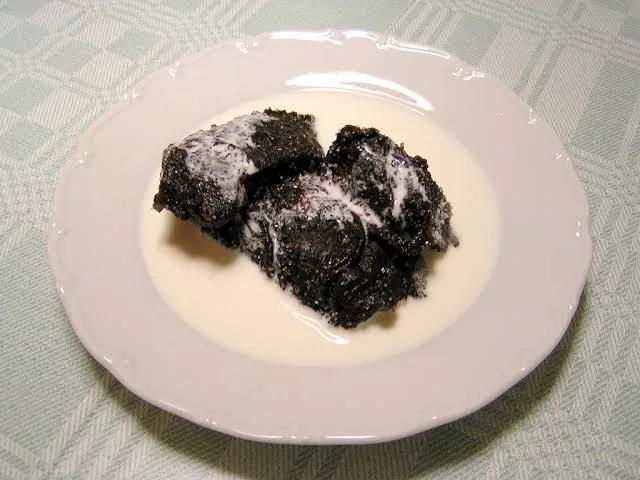
Among traditional Finnish desserts, mämmi stands out — a dish made from rye flour and malt. It also contains salt and sugar. Mämmi is cooked in the oven for a long time and served with cream, sugar, or vanilla cream.
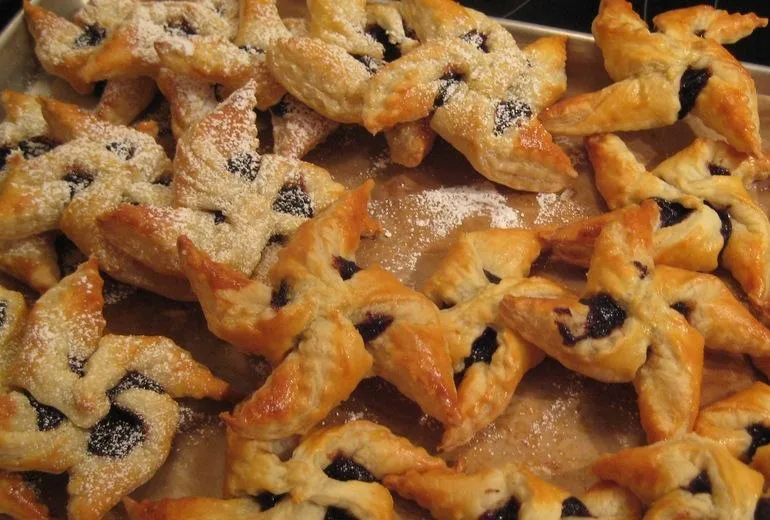
Another popular accompaniment to coffee is pulla. It is a sweet yeast bun flavored with cardamom.
Top 7 Interesting Facts About Finnish Cuisine
- The water in Finland is exceptionally pure. It can be safely drunk straight from the tap without heat treatment, thanks to a multistage filtration system and utilities that are always kept in working order.
- Finns consume more coffee than anyone else in the world — about 12 kg per Finn on average. In Finland, drinking 8 cups of coffee throughout the day is a normal pattern of consumption.
- Finns eat reindeer, bear, and moose meat.
- In Finland, people eat the delicacy "surströmming" — fermented fish with one of the strongest odors.
- Finns do not eat sweets for breakfast — at most, they have only berries with porridge.
- Tipping is not customary in Finnish establishments.
- In Finland, they make coffee with cheese, called kaffeost.