










Patron Oleg Krot, together with volunteer organizations, delivered about 600 tons of nets for the front as part of the "Web" project
Kyiv • UNN
Ukrainian volunteers delivered three trucks of protective nets for the army as part of the "Web" project. Used fishing nets effectively protect positions from enemy drones, creating multi-level defense.

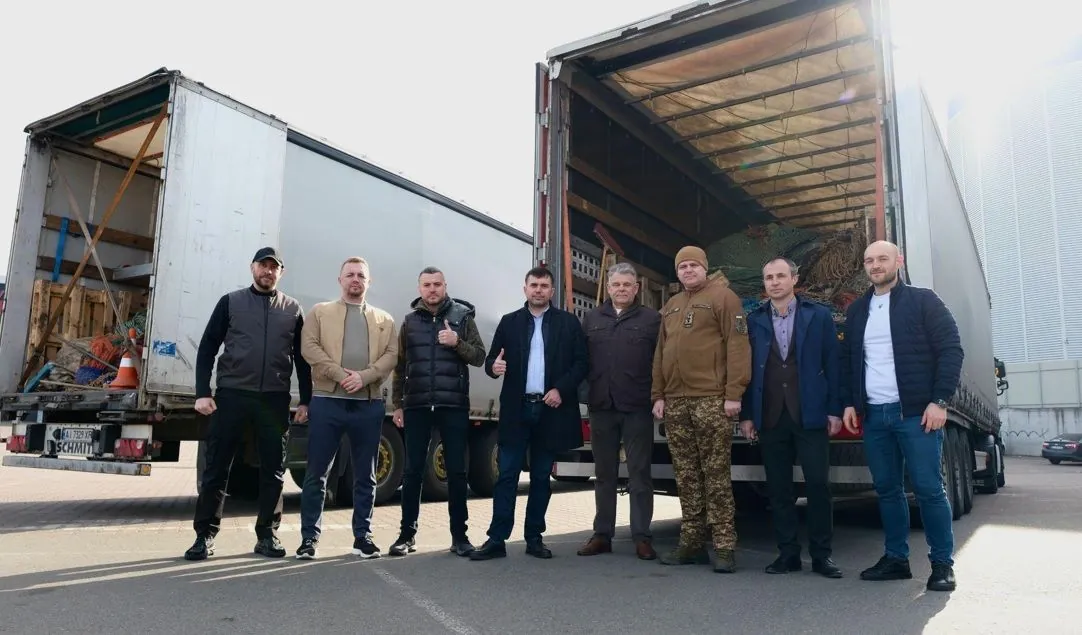
Ukrainian volunteers continue to find new ways to help the military, and one of these effective solutions has been the use of discarded fishing nets to protect positions on the front line. As part of the "Web" project, another supply of nets for the army took place: the NGO "Tectonic Foundation", the charity fund "Volunteer Battalion", and the NGO "Union of Entrepreneurs of the Television and Film Industry" delivered three trucks of protective nets to the military, reports UNN.
One of the initiators of the project, a volunteer, philanthropist, and co-founder of the NGO "Tectonic Foundation" Oleg Krot emphasized that providing the army with such means of protection is a strategically important task that volunteers are actively working on.
"Today's initiative is a continuation of the "Web" project. We are engaged in selecting, delivering, and transferring nets that are used on the front line as protective and anti-drone means. Previous batches have already proven their effectiveness, and now we are working to ensure that as many units as possible receive these nets, as they really help our warriors," Oleg Krot said.
Protective nets work on the principle of creating a barrier against enemy drones. When a drone flies into a taut net, it gets tangled and loses the ability to strike. The head of the NGO "Union of Entrepreneurs of the Television and Film Industry" Artem Kolyubaev explains:
"These nets, which were previously used for fishing, we have learned to apply for the protection of military positions. They not only camouflage but also create multi-level protection against drones that cannot break through to our positions. This saves the lives of soldiers and preserves equipment on the front line," Kolyubaev noted.
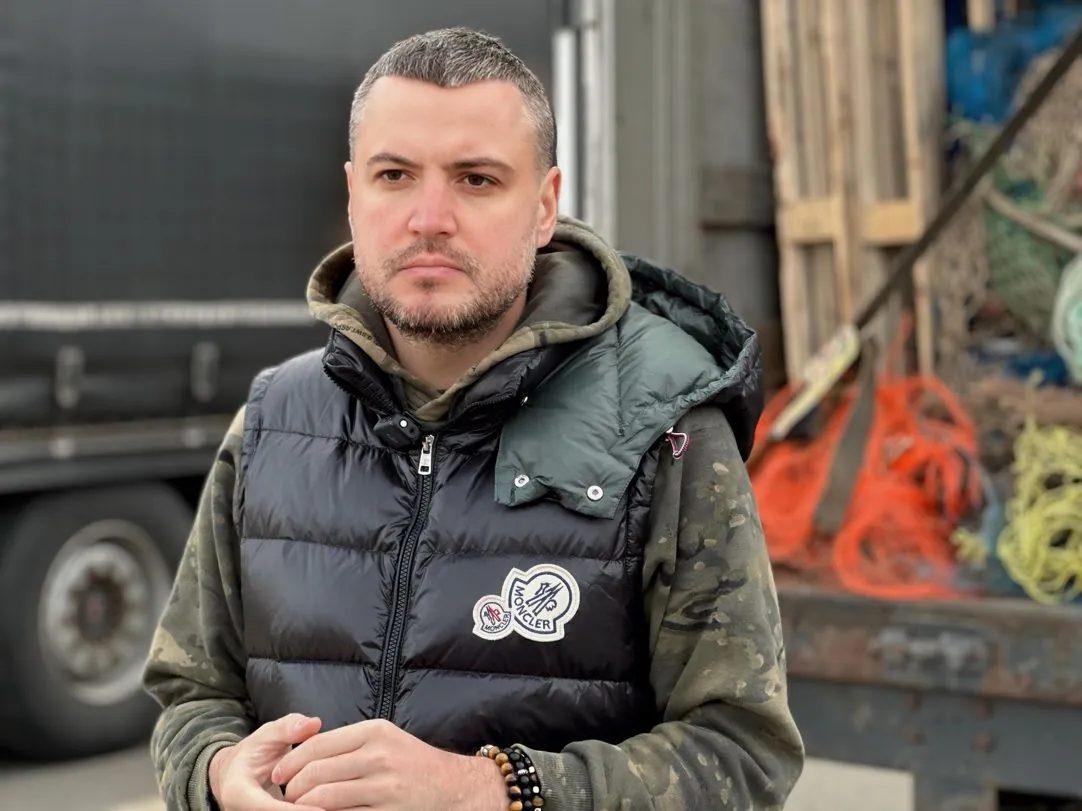
Thanks to the unification of efforts from various volunteer organizations, the "Web" project is gaining momentum. Co-founder of the charity fund "Volunteer Battalion" Roman Bochkala said that the demand for such nets is growing daily:
"At first, there were doubts because this is just an ordinary fishing net, but practice has shown its effectiveness. A drone that flies into such a net simply gets tangled and cannot carry out its combat mission. The military is already reaching out to us with requests because they see the real benefit. We do not stop and will continue to deliver new batches of these protective nets to the front line," Bochkala emphasized.
Co-founder of the "Volunteer Battalion" fund Igor Bondarchuk also stressed that this initiative has become possible thanks to the joint efforts of many organizations and volunteers:
"Thanks to the coordination of various volunteer funds, more than 20 trucks of anti-drone nets have already been delivered to Ukraine. Another three trucks are being sent to the front line today, and they will really help our military protect themselves and their equipment. I want to thank everyone involved in this initiative, especially Oleg Krot and the "Tectonic Foundation," Bondarchuk said.
Ukrainian soldiers confirm the effectiveness of such protection. One of the fighters who participated in the installation of the nets shared his experience:
"At first glance, it’s just a fishing net, but in reality, it saves a lot. Drones – regardless of whether they are controlled by radio or optics – get tangled and do not reach the positions. Thanks to these nets, the lives of our warriors are preserved. The enemy has also seen our technology and even started to copy it for the protection of their logistics," the soldier noted.
Protective nets are becoming an integral part of defense and protection means in modern warfare, allowing to reduce threats from drones and camouflage military positions. Ukrainian volunteers and philanthropists continue to work on supplying these protective means to the front line to maximize the safety of our defenders.