










How many fruits and berries can be consumed daily and are there any contraindications - explains a nutritionist
Kyiv • UNN
Certified nutritionist Anastasia Tarador explains that berries can be consumed almost without restrictions, while fruits are better consumed in moderation, preferring whole fruits. She emphasizes the importance of individual perception of fructose and advises avoiding fruit juices due to the lack of fiber.

Berries can be eaten almost without restrictions and added to any meal, but fruits are better consumed in moderation. In addition, it is better to eat them whole and avoid fruit juices. This was told to UNN by certified nutritionist, lifestyle modification specialist Anastasia Tarador.
How many fruits and berries can be eaten per day
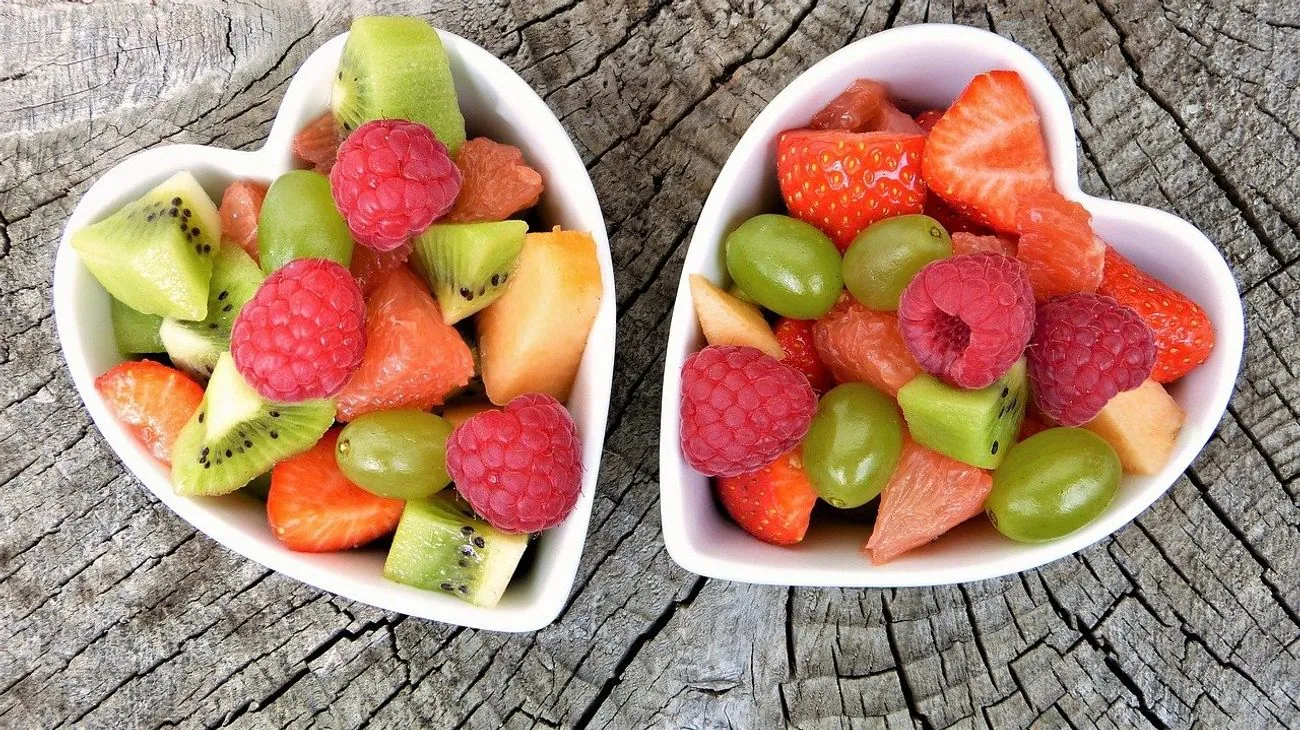
There are no specific dosages. Everything depends on the overall diet for the day. If we talk about berries, they can be eaten, in principle, in large quantities, that is, about 250-300 grams can be safely added to each meal.
According to her, berries can be added to any meal without remorse.
They are very useful. They contain many vitamins and antioxidants. It is even better to use them as a smoothie, because then the bioavailability will be better. Or just chew thoroughly
As for fruits, there may be certain quantity restrictions here.
You can give such adjustments as, for example, one large fruit per meal, or, let's say, two small ones. If these are small fruits, for example, plums, then it's a handful. In general, two or three a day, don't overdo it.
She also adds that it doesn't matter when you consume fruits or berries: in the morning, at lunch, or in the evening, but she advises consuming them whole, not as juice, as that's when they are rich in fiber. At the same time, the expert advises against snacking on fruits.
That is, either we add the same berries to food, or we consume them after food, for example, within 15-20 minutes you can eat a fruit as, for example, a dessert, but do not snack on them. If you already want to snack on fruits, then it is better to add a fat-containing product, for example, nuts. But still, the recommendation is not to snack on fruits.
Are there any contraindications?
As the nutritionist emphasizes, there are no direct contraindications to eating fruits and berries, but it is necessary to proceed from the individual perception of fructose.
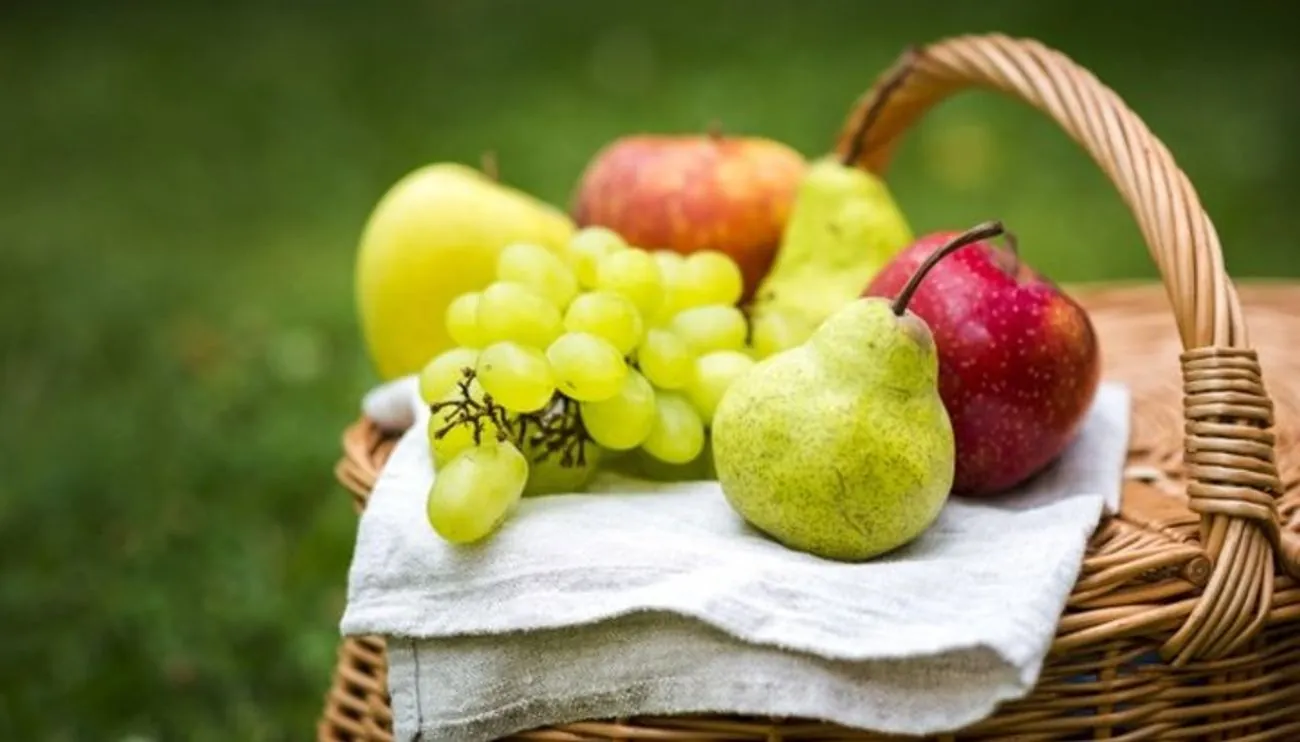
It happens that a person, for example, from a large amount of grapes, cherries, apples, has a bloated stomach, and this indicates that these fruits contain a lot of fructose, and, accordingly, the body lacks enzymes that break down this fructose, fructokinase.
So, if you have an individual intolerance to certain fruits, for example, apples or grapes, you should reduce their amount, or, as an option, if we are talking about apples, try to eat them baked.
And you need to analyze the plate as a whole. Conditionally, if you ate high-carbohydrate food, then you added an apple or a bowl of grapes to it, then most likely you will have something like bloating or unpleasant sensations in the gastrointestinal tract. And this indicates that the amount of sugars is exaggerated in one meal, so to speak.
Therefore, she advises to dose "high-fructose products" and reduce the amount of what causes similar symptoms, or to thermally process these fruits.
Fruit or juice – which is healthier?
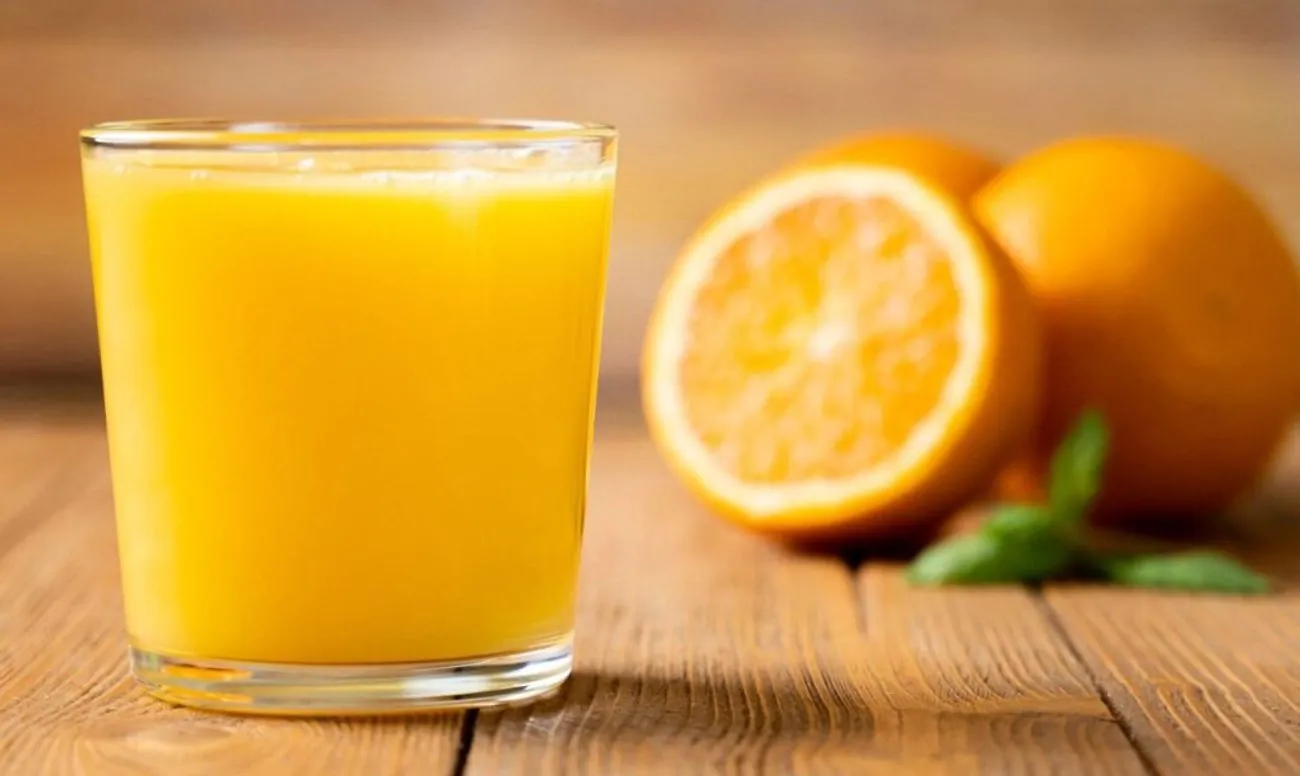
Of course, a whole fruit is better, because it contains fiber, in addition to sugar. And if we make juice from this fruit, then, accordingly, we get just liquid sugar, no fiber, vitamins, etc. are essentially left there. It is a very common myth that fruit juice contains many vitamins.
She also adds that in fact, we get most of our vitamins from vegetables, not fruits, and also — as it happens — from berries.
It is still better to use vegetables as sources of vitamins. Fruits - to a lesser extent and to a greater extent - berries, because they are a superfood.