










BMW may face production delays for the new iX3 due to the shutdown of a nuclear power plant in Hungary
Kyiv • UNN
Low water levels in the Danube forced Hungary's "Paks" nuclear power plant to shut down for the first time in 44 years, threatening BMW iX3 production. The company reduced energy consumption at the plant by 15%, but the impact on output is not yet known.

German automaker BMW may face difficulties producing the new iX3 electric vehicle due to power supply problems at its plant in Hungary. The cause was a record-low water level in the Danube, which led to disruptions in the operation of the energy infrastructure. This was reported by the American automotive online publication Autoblog, writes UNN.
Details
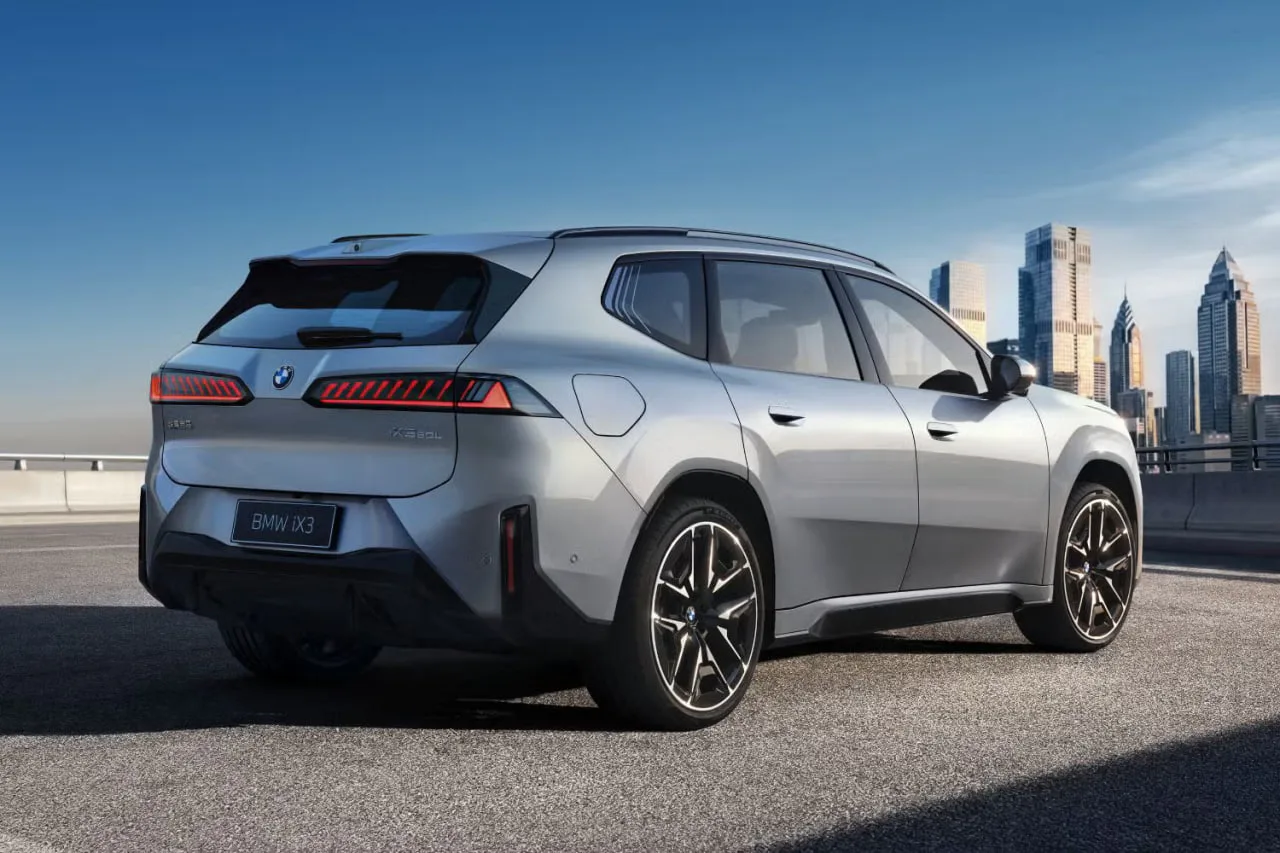
As the publication notes, the BMW iX3 is undoubtedly one of the brand’s most important new products, as this model ushers in the new Neue Klasse electric architecture. Its significance is growing further against the backdrop of increased production: the company plans to produce 50,000 vehicles in just nine months at its plant in Debrecen, Hungary.
Although deliveries to the United States are scheduled to begin at the end of September 2026, the German publication Welt reported that production could face problems due to the low water level in the Danube River. The record drop in the water level forced Hungary’s Paks nuclear power plant to completely shut down for the first time in 44 years, which in turn could affect BMW’s production line.
BMW is monitoring every watt
BMW responded to the power plant shutdown by reducing energy consumption at the plant by approximately 15%. “The package of measures developed within a short period will enable additional savings in the operation of the facility, lighting, climate-control systems, and charging infrastructure,” a BMW representative told the publication.
It is not yet known whether this will affect iX3 production. Other automakers, including Mercedes-Benz, may also feel the consequences of the shutdown, although their Hungarian plant is currently operating without restrictions.
Automakers are opening plants in Hungary because of a number of advantages, including the country’s low corporate tax rate. Chinese automaker BYD has also chosen Hungary to build its first European passenger-car manufacturing plant.
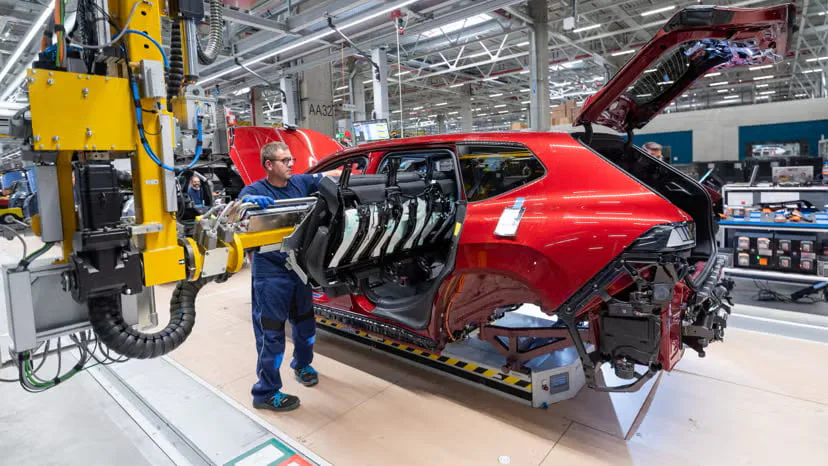
At present, BMW benefits from a 50-hectare solar power plant around the facility, which can cover nearly all of the plant’s electricity needs on a sunny summer day. However, because iX3 production operates in two shifts, the plant still has to draw electricity from the grid after dark.
The SUV set to define BMW’s future
In addition to Hungary, BMW also produces the long-wheelbase version of the iX3 in China. Starting in 2027, the iX3 and its sedan counterpart, the i3, will also be produced in Mexico, although it is not yet known whether vehicles manufactured there will be supplied to the U.S. market.
In any case, vehicles imported from Hungary or Mexico may be subject to tariffs under the current U.S. trade policy.
The BMW iX3 will go on sale with a base price of $61,500, excluding a $1,350 destination charge, while a fully equipped version could cost nearly $90,000.
Its dual-motor all-wheel-drive system produces 463 horsepower, while its range reaches 434 miles (approximately 698 km), according to BMW’s preliminary tests conducted under EPA standards.