










Aviation is a Constant of the Ukrainian Dream: Roman Mileshko on the Challenges and Prospects of a Strategic Industry in Wartime
Kyiv • UNN
Ukrainian aviation today is fighting not only in the air but also for its existence as an industry.

Closed airspace, broken supply chains, critical shortage of components, and lack of state support have jeopardized what for decades has been a symbol of technological independence and a source of economic growth. Despite these challenges, Ukrainian airlines continue to operate in international markets, displacing Russian competitors and demonstrating reliability and professionalism to the world. The synergy of civil and military aviation, which helps maintain the state's defense capability, is gaining particular importance.
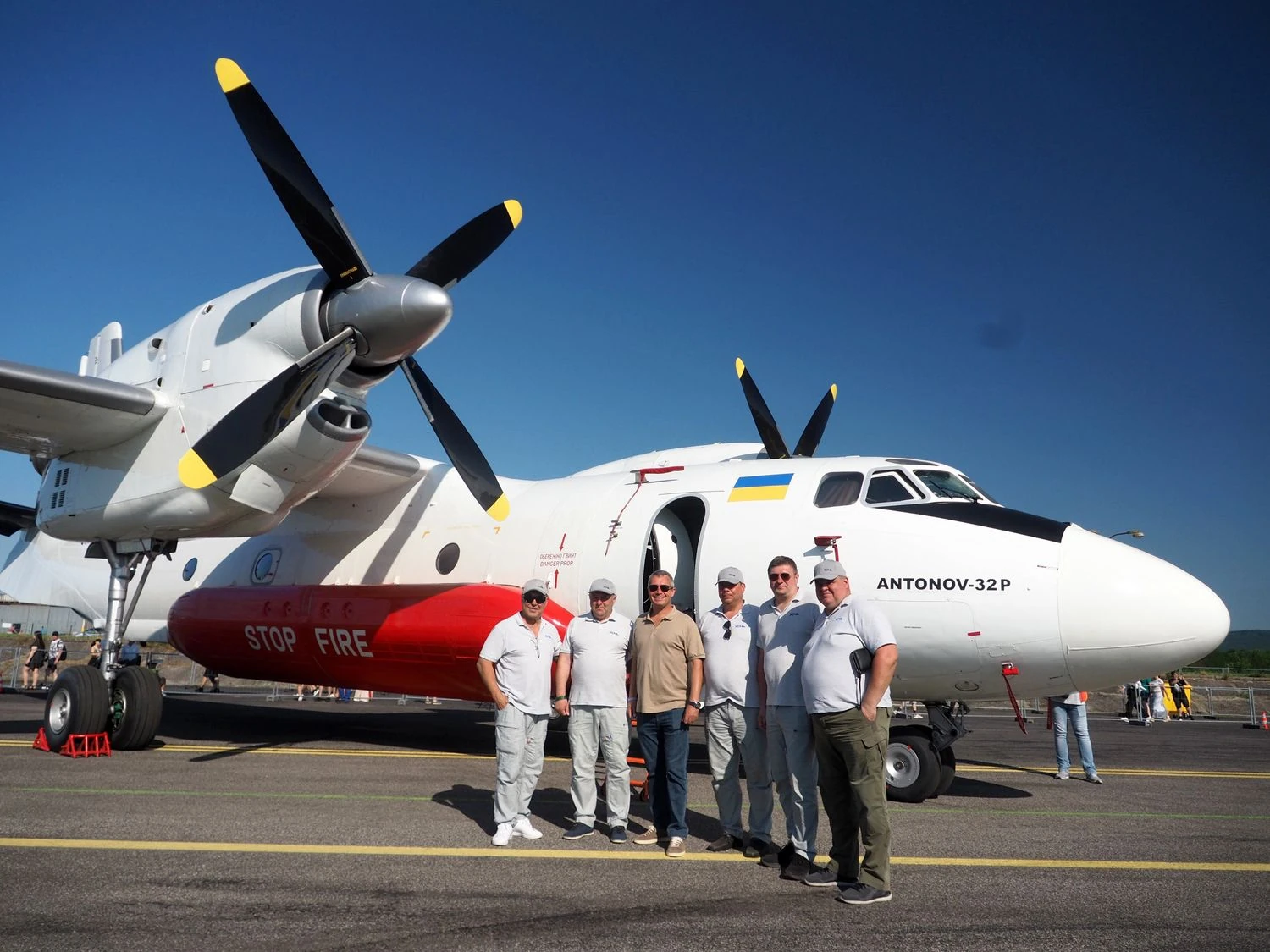
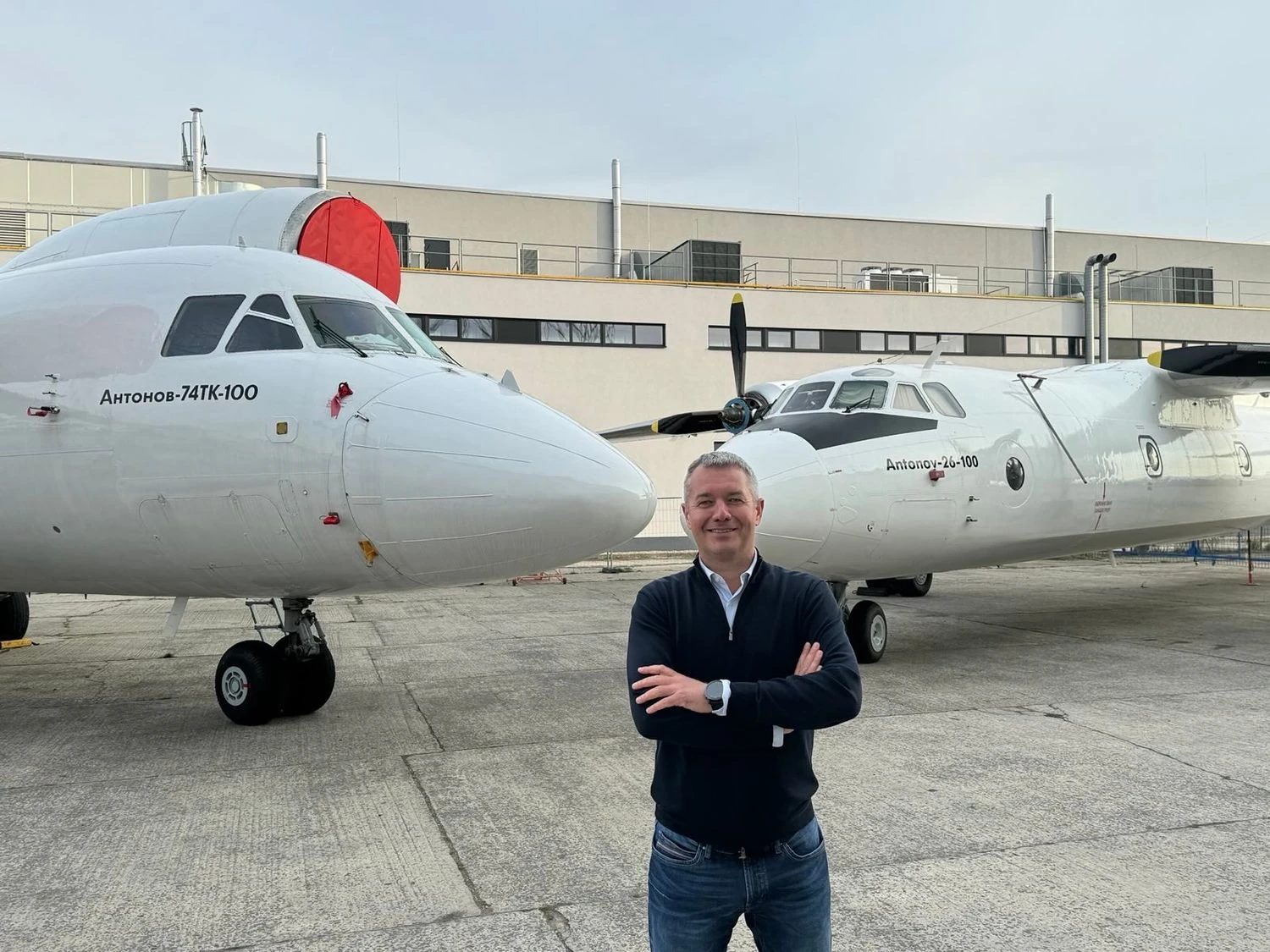
Roman Mileshko – Ukrainian entrepreneur, anti-crisis manager, third-generation military aviator, honorary aircraft builder of Ukraine, and owner of a group of aviation companies, including "Aircompany Constanta" — the world's largest operator of Antonov An-26 aircraft – in an interview for UNN reveals the current state of Ukraine's aviation industry. The interview delves into the pressing challenges and strategic opportunities facing Ukrainian aviation, analyzes the consequential impact of discontinued state preferences, showcases Ukraine's competitive achievements in international markets, outlines critical measures needed to preserve the industry's strategic potential and the interconnection between civil aviation enterprises and national defense capabilities.
Roman, given your expertise in aviation and aircraft manufacturing, how would you characterize the current state of the aviation industry in Ukraine?
Ukrainian aviation is currently experiencing the most difficult times in its entire turbulent history: the Russian invasion has fundamentally changed the operating conditions of the industry. The sector, which for many years was a strategic asset and a flagship of Ukraine's engineering and technical potential, as well as a powerful source of financial revenues and high-paying jobs, is now in a deep crisis. The loss of a significant part of production capacities, the location of most enterprises in dangerous zones, constant shelling and destruction, the closure of airspace from the first moments of the war, and the complete cessation of civil air transportation can, without exaggeration, be called an unprecedented crisis in the history of Ukrainian aviation.
Today, airports, air traffic control services, and maintenance bases are not operating. Airlines have been divided into three groups: those that have established operations abroad; those that have suspended operations; and those that have already closed. In this situation, Ukrainians have rediscovered the value of air travel, appreciating the time savings and comfort of air journeys. We all look forward to the day when it will be possible to fly to Boryspil again, and it would be symbolic if these first flights are carried out by Ukrainian airlines.
However, recovery will not happen automatically. The functioning of an airline cannot be established in a short time. The distinctive characteristic of the aviation industry is its financial structure: high revenues are offset by high costs. Stopping flights eliminates revenue but does not eliminate expenses. Most airlines that cease operations do not return to the market, so maintaining the functioning of air transportation is of strategic importance for the economy.
It's worth noting that Ukraine is one of the few states with a full cycle of aircraft manufacturing, which is both an advantage and an opportunity. Despite facing numerous obstacles, Ukraine remains one of the top five aircraft-producing nations, with capabilities in both aircraft and engine manufacturing. However, there is a threat that in two or three years we may lose the ability to operate certain types of aircraft due to the depletion of spare parts.
Our group's companies operate Ukrainian aircraft (PrJSC "Aircompany Constanta", LLC "XENA") and helicopters (LLC "H3Operations") and daily face challenges with parts supply, maintenance, airworthiness support, and finding opportunities to preserve and develop our business independently without any state support. Ukrainian aviation equipment's presence in international markets is vital as both civil and military operators drive innovation demand, fund modernization efforts, and — crucially — build global confidence in the reliability of Ukrainian aerospace technology, thereby strengthening the nation's defense capabilities.
Despite challenges, the Ukrainian aviation industry has the potential to thrive in specialized market segments. Ukraine's distinctive strengths lie in cargo ramp aircraft and regional passenger planes — areas currently experiencing substantial global demand. We should also prioritize further development of helicopter manufacturing while securing Ukraine's leadership position in the UAV market, including commercial transport drones.
Equally important is recognizing our military aviation personnel — pilots, technicians, and other specialists, who have gained invaluable experience during the war. As many seek to transition their expertise to civilian roles, our commercial airlines and maintenance organizations must be prepared to integrate these highly skilled professionals into the workforce
What happened to civil aviation enterprises after the sky was closed? Have they managed to adapt to wartime conditions?
Several Ukrainian airlines maintain operations beyond national borders, delivering vital humanitarian transportation services to international organizations and governments. Following sanctions against Russia, Ukraine has successfully captured 43% of the UN mission services market, demonstrating exceptional capability in providing premium aviation services, meeting stringent international requirements, employing highly qualified specialists, and maintaining all necessary certifications. This achievement comes despite significant challenges. Ukrainian carriers face severe operational constraints, primarily – the inability to access infrastructure within Ukraine. For passenger airlines, this also represents the complete loss of their domestic market. Operators have been cut off from their technical bases in Ukraine and cannot access aircraft stranded due to the closed airspace.
While Ukraine possesses a strong reputation in international aviation markets, including leadership in specialized segments, the war has necessitated continuous efforts to demonstrate our ongoing commitment to safety and reliability. In this context, support from state institutions — particularly the State Aviation Service and Ministry of Foreign Affairs— plays a crucial role in maintaining international trust and operational capabilities.
Simultaneously, Ukraine's aviation industry serves as a vital component of the nation's military-industrial complex. Both existing military and civil aircraft actively contribute to repelling Russia's armed aggression. The skilled workforce of pilots and aviation engineers — originally developed within civil aviation enterprises — now performs critical combat missions as part of the Armed Forces of Ukraine and other military formations. Numerous aviation factories and design bureaus are fulfilling state defense contracts, pioneering innovations in aircraft design, missile engineering, and unmanned aerial systems.
Civil operators, together with the military, form a single development ecosystem – they work together on modernizing aviation equipment, developing programs to replace Soviet and Russian components with modern Ukrainian analogues, and creating new operational documentation. Such synergy is especially important for MI-8MTV and MI-24 helicopters, which remain the main types used by the Armed Forces of Ukraine.
Besides the war and closed skies, what factors and problems hinder the development of Ukrainian aviation?
Aviation industry facilities face imminent destruction from ongoing bombardment, with most concentrated in Eastern Ukraine. While some enterprises are relocating operations, this process demands substantial time, resources, and strategic planning.
Simultaneously, supply chains for components used in Soviet-designed aircraft have been completely severed following the break with the Russian Federation. This disruption compounds the already significant decline in production capabilities across Ukraine's aircraft manufacturing sector, affecting everything from engines and equipment to specialized composite materials.
The challenge of replacing Russian components has become critical for Ukraine's aviation sector. Paradoxically, sanctions imposed against Russia have created an unforeseen obstacle. The legislative prohibition on Russian imports has severely complicated maintenance operations for Soviet-designed equipment that remains vital to both Ukraine's economy and defense capabilities.Ukrainian enterprises now face a regulatory predicament where regional customs authorities interpret Cabinet Resolution No. 426 not merely as prohibiting imports "from the territory of the Russian Federation," but more broadly as banning "all goods of Russian Federation origin" regardless of their immediate source. This interpretation effectively paralyzes repair, modernization, and operational activities for state and civil aviation equipment of former USSR design, threatening Ukraine's ability to maintain its critical aviation infrastructure.
Currently, Ukraine operates a substantial fleet of MI-8 helicopters — more than 50 for civilian purposes alone — with component shortages threatening both national economic viability and defense capabilities. The MI-8MTV, which constitutes the primary combat helicopter in Ukraine's Armed Forces, faces potential loss of airworthiness within three to four years without immediate intervention. With modest investment in major overhauls, however, these helicopters can remain operational for an additional four to eight years. Those deployed internationally generate significant economic returns, with approximately 40% of foreign currency earnings flowing back to the state budget. The financial case is compelling: resources invested in maintaining this fleet consistently deliver multiple times their value in returns, supporting both Ukraine's defense infrastructure and economic recovery.
Aviation represents one of the world's most technologically sophisticated and capital-intensive sectors, creating unique products and advanced technologies with exceptional economic impact. The industry generates a remarkable tenfold economic multiplier effect, with each aviation job supporting approximately ten positions in related sectors. Beyond its economic significance, aviation forms a critical foundation for Ukraine's national security and defense capabilities.
However, Ukraine now faces a pivotal challenge: without a balanced policy decision regarding the temporary import of Soviet-origin spare parts sourced from non-Russian suppliers, we risk losing our operational capacity and production capabilities across the entire Ukrainian aviation industry — undermining both our economic potential and defense readiness.
Has aviation truly taken a back seat compared to arms production? To what extent does the state currently support the industry and interact with the private sector?
While aviation has understandably taken a secondary position to direct arms production given current circumstances, state support for the aviation industry remains critically important for Ukraine's long-term strategic interests.
The expiration of state preferences for aircraft manufacturing enterprises on January 1, 2025 has triggered a series of significant challenges for the sector. Manufacturing costs have surged 25-40%, particularly affecting production for Armed Forces of Ukraine requirements. Ukraine's competitive position in international aviation markets has deteriorated dramatically. Working capital has been substantially depleted, while investment programs and critical R&D initiatives have been suspended or canceled. The industry is losing essential technical competencies and skilled personnel. The elimination of VAT benefits has significantly increased costs for importing specialized equipment, effectively halting production modernization efforts. Simultaneously, the removal of income tax exemptions has deprived aviation enterprises of the capacity to reinvest in development — particularly devastating given the severely restricted access to credit resources in today's environment.
The majority of Ukraine's aviation enterprises have been forced to either pivot to alternative product lines or significantly reduce their workforce — threatening the loss of unique competencies and specialized technologies that would be extraordinarily difficult and costly to rebuild once lost.
Pre-war legislative frameworks had enabled the successful implementation of landmark projects — from the advanced An-178 transport aircraft to promising unmanned aerial systems. However, the termination of industry support measures in 2025 has placed these achievements in jeopardy. The aviation manufacturing sector has undergone substantial evolution over the past 15 years, beginning with the 2010 adoption of Ukraine's Law "On the Development of the Aircraft Manufacturing Industry." This support was subsequently extended in 2016 until January 1, 2025. The Tax and Customs Codes further reinforced these initiatives by providing significant preferences for aircraft manufacturing enterprises.
The establishment of Ukraine's Ministry of Strategic Industries by Presidential Decree on July 22, 2020 marked a significant milestone in strengthening national aviation capabilities. Building on this foundation, the government launched the State Target Scientific and Technical Program for Aviation Industry Development (2021-2030) in 2021, with a central focus on replacing Russian components across the Antonov aircraft family, helicopter fleet, and unmanned aerial systems. Leveraging protections and incentives provided by the Law of Ukraine "On the Development of the Aircraft Manufacturing Industry," JSC "ANTONOV" successfully developed the first flight prototype of the An-178 transport aircraft, which now awaits comprehensive flight testing. This achievement demonstrates tangible progress in Ukraine's efforts to maintain aerospace sovereignty despite challenging circumstances.
While cooperation between the state and private aviation sector exists, it remains underdeveloped and requires significant enhancement. Private aviation companies have demonstrated remarkable adaptability during wartime conditions, successfully expanding into international markets and establishing valuable partnerships with the United Nations and other global organizations. However, these achievements primarily represent individual enterprise success stories rather than the results of coordinated state-private sector collaboration. A more comprehensive, systemic approach to public-private partnership is urgently needed to fully leverage Ukraine's aviation potential.
The global aviation industry inherently depends on state support across its entire ecosystem — from government procurement that drives high-technology innovation to strategic investments in specialized education and workforce development. Aviation technologies consistently serve as the foundation for aerospace advancement, which explains why economically developed nations prioritize maintaining robust aviation sectors. This industry represents the pinnacle of a society's economic, technological, and intellectual capabilities.
For Ukraine, aviation has long symbolized our national aspiration to join the ranks of technological leaders. Even amid wartime devastation, we must preserve this vision, as technological self-sufficiency and domestic manufacturing capabilities will ultimately form the cornerstone of our future national security and sovereignty. Aviation remains a strategic indicator of Ukraine's technological maturity as a nation.
What could be the consequences for the country if aviation is left without support now? Is it threatened with the fate of the lost space sector?
The risk of Ukraine's aviation sector following the same tragic trajectory as our once-world-leading space industry is alarmingly real. Ukraine's space industry decline serves as a sobering case study in how insufficient state support, disrupted production networks, and brain drain can lead to the collapse of a sophisticated technological ecosystem. Today's aviation industry stands at a similar critical crossroads. Like the space sector, aviation relies on intricate cooperation networks and requires substantial government investment and protection. Without immediate support measures, strategic vision, and targeted funding, Ukrainian aviation faces an existential threat — potentially degrading from a creator of complete high-technology systems to merely a component supplier, engineering services provider, and talent exporter. This would mean losing irreplaceable core competencies and expertise cultivated over generations.
A critical vulnerability across Ukraine's strategic industries—aviation in particular—is the extensive dependence on components and resources from the aggressor country. From chemical and petrochemical products to locomotives and road construction materials, numerous sectors relied heavily on Russian and Belarusian components. Ukraine's irregular air transportation industry, which primarily operates Soviet-era equipment, faces the same challenge. This is especially true for An-124 aircraft and MI-8MTV helicopters, which form the backbone of Ukraine's operational fleet. While these aircraft have a total service life of approximately 50 years, with proper maintenance they could remain operational for another 10-15 years. However, this extended service requires timely access to maintenance components and repair capabilities.
Should this trend of abandoning Antonov aircraft and MI-8/MI-17 helicopters continue, Ukraine risks losing its standing among the world's leading aviation nations. This would trigger far-reaching negative consequences — economically, socially, and reputationally — for our country as a whole, while proving particularly devastating for our aviation industry. The loss of this strategic capability would undermine decades of technological development and expertise that cannot be easily recovered once lost.
Since 2014, Ukraine has officially committed to replacing Russian-made components in strategic economic sectors. However, this initiative has largely remained a declaration rather than a comprehensive strategy with concrete deadlines, allocated resources, and assigned responsibilities. The absence of this systematic approach has now created significant operational challenges for enterprises across affected industries. Ukrainian companies are currently forced to maintain and repair equipment by drawing exclusively on their own diminishing stockpiles of parts accumulated in previous years — a clearly unsustainable solution for the long term.
The MI-8MTV helicopter serves as the backbone of the global humanitarian transportation market, providing critical services in disaster zones, special operations, and forest fire suppression efforts. Ukrainian airlines have established themselves as industry leaders in this specialized segment, contributing millions of dollars annually to the state budget through tax payments. There is significant untapped potential for additional revenue if more repair and maintenance services could be performed by Ukrainian enterprises rather than foreign contractors.
Approximately 5,000 MI-8MTV helicopters operate globally across more than 50 countries. With worldwide reconsideration of national security frameworks, escalating military threats, and governments bolstering their defense capabilities amid ongoing and potential conflicts, demand for these versatile aircraft continues to grow. Strategic investments in supporting the global MI-8 fleet would generate substantial revenue streams for Ukraine while simultaneously ensuring proper maintenance for similar aircraft serving in Ukraine's Armed Forces. This approach creates a valuable synergy between commercial operations and military readiness.
Ukraine's primary competitors in this specialized market are Russian companies. The closure of Ukrainian aviation enterprises would constitute not just a business loss but a strategic defeat in our multidimensional conflict with Russia — one fought not only on the battlefield but across economic and international arenas.
Aviation will be instrumental in Ukraine's post-war recovery. The swift restoration of aviation infrastructure will facilitate physical reintegration of de-occupied territories by establishing vital air connections in regions with severely damaged ground transportation networks and extensive areas requiring demining operations.
Furthermore, preserving and advancing our aviation sector will serve as a powerful symbol of technological maturity in a rebuilt Ukraine. The strategic synergy between civil and military aviation—through shared technologies, development resources, and production capacities—will be fundamental to securing reintegrated territories. Post-war reconstruction presents a unique opportunity for Ukraine to integrate into global aviation alliances under favorable new terms, effectively transforming our Soviet technical legacy into a competitive advantage.
Without comprehensive industry support, Ukraine risks degrading into merely a supplier of raw materials and labor rather than high-value products and technologies. This represents an extremely concerning trajectory. The preservation of Ukrainian aviation transcends a single industry or economic sector — it fundamentally shapes our nation's future, stability, and power as a sovereign state.
What needs to be done to make aviation support effective? What should be the industry's development strategy for the next 5-10 years?
Effective support for Ukraine's aviation industry requires a comprehensive strategic approach with several critical priorities.
First, we must urgently implement a state program for phased import substitution of critical components for Soviet-made aircraft. Unlike previous declarative initiatives, this must be a concrete action plan with dedicated funding, clear accountability mechanisms, and enforceable implementation timelines.
Concurrently, Ukraine should establish a transitional regulatory framework allowing the import of components, spare parts, and consumables originally designed in the former USSR or Russian Federation — provided they were manufactured before the full-scale invasion and sourced from countries other than the aggressor state. This temporary measure would maintain operational capability while domestic or Western alternatives are developed.
Second, restoring tax and customs preferences for the aviation industry — at minimum to pre-2025 levels — is essential for competitiveness. Without these incentives, Ukrainian aviation products face significant disadvantages in international markets, undermining the industry's export potential and threatening its long-term viability.
The state must reinstate these critical preferences for the aviation industry:
- Tax preferences: Full exemption of aircraft manufacturing enterprises from income tax, VAT, and land tax to reduce production costs by 25-40% and restore international competitiveness;
- Customs preferences for critical equipment: Continued exemption from VAT on imports of goods essential for aircraft manufacturing, allowing enterprises to modernize production facilities and maintain technological advancement;
- Investment incentives: Implementation of accelerated depreciation mechanisms and substantial tax credits for R&D activities, enabling companies to reinvest at least 15% of production value into technological development and innovation;
- Export support: Comprehensive state guarantees and export contract insurance to mitigate risks in international markets, particularly crucial as Ukrainian companies continue displacing Russian competitors in specialized aviation service segments.
Third, Ukraine must establish a comprehensive state program supporting aviation exports that extends beyond tax incentives. This program should integrate diplomatic support through foreign missions, streamline certification procedures to meet international standards, and create financial instruments specifically designed to promote Ukrainian aviation companies in global markets.
Relying solely on tax benefits without complementary support mechanisms — such as state procurement systems, export incentives, and other forms of strategic assistance — is insufficient to restore sustainable growth in Ukraine's aircraft manufacturing sector.
To create viable conditions for preserving Ukrainian aviation manufacturing capabilities, a multifaceted approach is essential:
- Develop and implement a long-term State Target Scientific and Technical Program for Aviation Industry Development that builds upon the 2021-2030 framework established before the full-scale invasion;
- Establish systematic state defense and consolidated procurement mechanisms for domestically produced drones, aircraft, and simulation systems that meet public sector requirements;
- Make financing more accessible by reducing credit costs through state-subsidized interest rate compensation, particularly by enhancing the "Accessible Credits 5-7-9%" program for aviation enterprises;
- Commit to state reinvestment in the aviation sector at a minimum threshold of 15% of the industry's production value, creating a sustainable cycle of development and innovation.
These measures would provide the comprehensive framework needed to preserve Ukraine's position as one of the few nations with full-cycle aircraft manufacturing capabilities.
Looking toward the next 5-10 years, our strategic development must focus on six key priorities:
First, we must preserve and enhance our unique competencies in ramp cargo aircraft and regional passenger aircraft segments—areas where Ukraine has established global recognition and competitive advantages.
Second, Ukraine should position itself as an international center of excellence for the maintenance and modernization of Soviet-designed aviation equipment, leveraging our unparalleled expertise in these systems.
Third, we need to implement a measured transition toward Western equipment standards while maintaining exceptional service quality for our existing fleet — creating a bridge between current capabilities and future requirements.
Fourth, Ukraine must accelerate development of unmanned aerial systems for both commercial and defense applications, capitalizing on our battlefield innovations and established engineering prowess.
Fifth, we must create an investment-friendly environment to attract foreign capital through joint production ventures, international certification, and strategic partnerships that enhance our global market position.
Finally, we need to revitalize our aviation education system to develop the next generation of specialists who will maintain Ukraine's aviation traditions and advance our technological capabilities.
The cornerstone of success will be effective synergy between government and private enterprise. The state must provide regulatory stability, strategic direction, and targeted support mechanisms, while businesses drive operational excellence, innovation, and market expansion. This balanced approach will secure Ukraine's future as a leading aviation nation.
The aviation industry globally operates with robust government support mechanisms. In Ukraine, however, despite facing unprecedented wartime challenges, the sector currently lacks essential state backing. Drawing from international best practices, what specific preference conditions could be adapted into Ukrainian legislation to revitalize our aviation sector?
Analyzing international experience, several effective mechanisms for supporting the aviation industry can be identified that could be adapted in Ukraine.
The European Union practices targeted research programs, such as Clean Sky and Horizon Europe, which fund the development of new technologies. Ukraine could create a similar fund to finance critical developments in import substitution and modernization of aviation equipment.
The USA uses a system of state guarantees for export contracts through the Ex-Im Bank. A similar mechanism in Ukraine could significantly enhance the competitiveness of our companies in the international market, especially in the context of large contracts with long implementation periods.
Canada provides direct subsidies for the development of new aircraft models, which allowed Bombardier to successfully compete with market giants. For Ukraine, such a mechanism could accelerate the development of new versions of Antonov aircraft and unmanned systems.
Brazil has introduced special tax regimes for aircraft manufacturers, which allowed Embraer to become one of the world leaders in its segment. Ukraine could restore preferential taxation for aviation enterprises and extend it to engineering companies operating in the industry.
It is important to understand that preferences are not a "gift" to the industry, but a state investment that pays off many times over through increased exports, creation of high-paying jobs, development of related industries, and strengthening of the country's defense capabilities.