









First aid for burns: what really works and what is forbidden to do
Kyiv • UNN
The Ministry of Health warns against using ice and oil for burns. Cool the wound with running water for 20 minutes and consult a doctor for large injuries.

A household burn can be sustained in a matter of seconds: from boiling water, steam, hot dishes, oil, an iron, a stove, chemical cleaning agents, or a faulty electrical appliance.
In the first minutes after an injury, clear and balanced actions are crucial. It is these actions that determine how deep the damage will be and whether it will be necessary to treat not only the burn itself but also the consequences of unsuccessful assistance.
UNN investigated why "folk" methods like ice and sour cream don't work, what to do in the first minutes after burns, and when it's time to call an ambulance.
First aid for burns at home
The Ministry of Health and the Center for Public Health emphasize: first aid for burns begins with isolating the factor that caused the burn, cooling the damaged area, and protecting the wound from additional contamination.
First of all, you need to remove the person from the source of the burn. If it is hot liquid, steam, or flame, contact with them should be immediately stopped. After that, assess the victim's condition, calm them down, and proceed to cool the affected area.
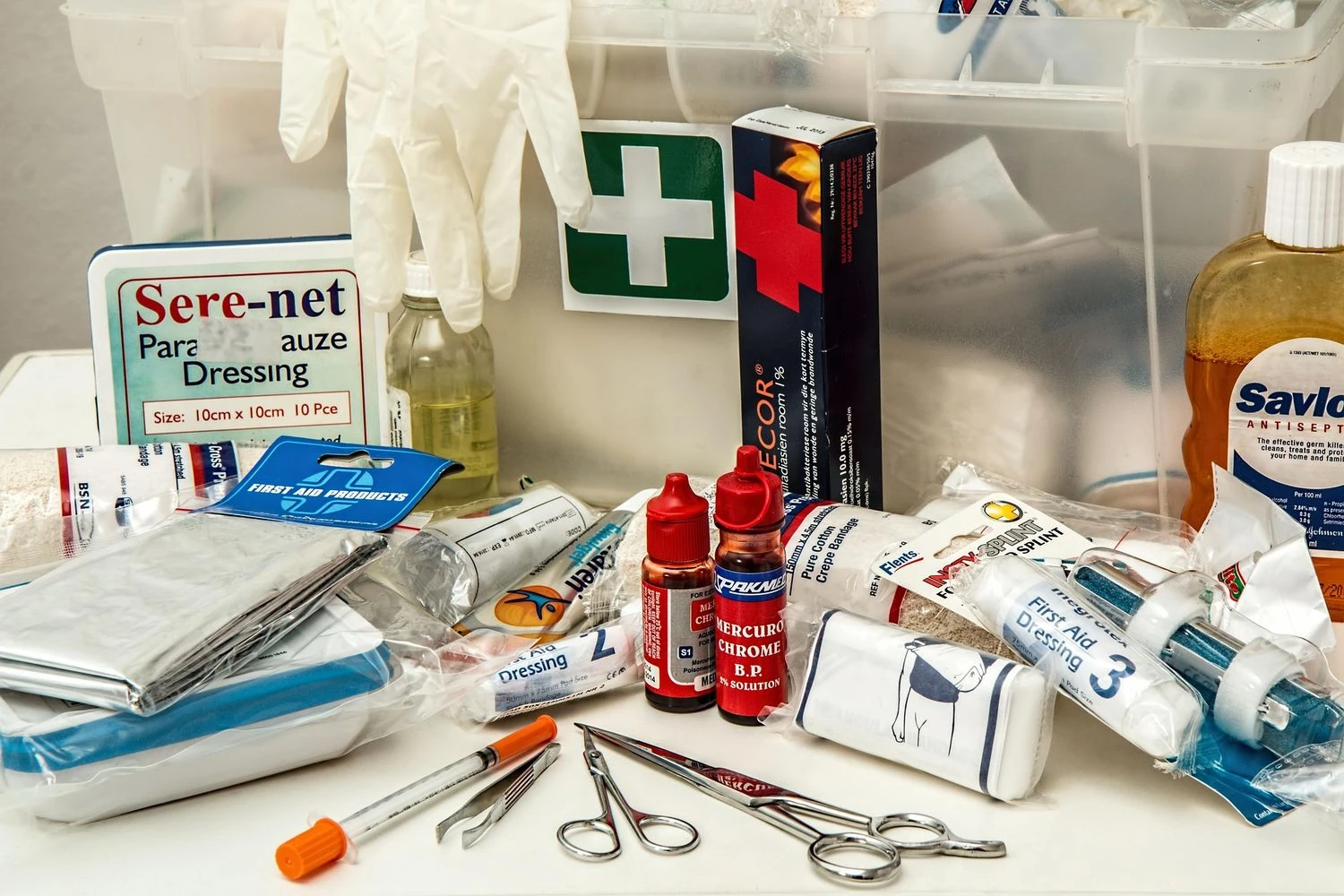
What to do in the first minutes after a burn
The damaged area should be cooled with running water or room temperature water. According to the recommendations of the Ministry of Health and the Center for Public Health, cooling should be carried out for up to 20 minutes, especially in the first hours after the injury. If the burn is small, water helps reduce tissue temperature, pain, and the risk of deepening the damage. Along with this, you need to remove jewelry, watches, belts, or tight clothing near the burn site before swelling begins to increase. If the fabric has stuck to the skin, it should not be torn off.
After cooling, the affected area should be covered with a dry sterile wipe, gauze bandage, or clean lint-free cloth. The bandage should protect the wound but not compress it. If the pain is severe, the person can take their usual pain reliever.
In addition, it is necessary to drink enough water to reduce the risk of dehydration, especially when the burn is larger than a small spot on the skin.
It is worth remembering: all this applies only to first aid, but not to full-fledged burn treatment.
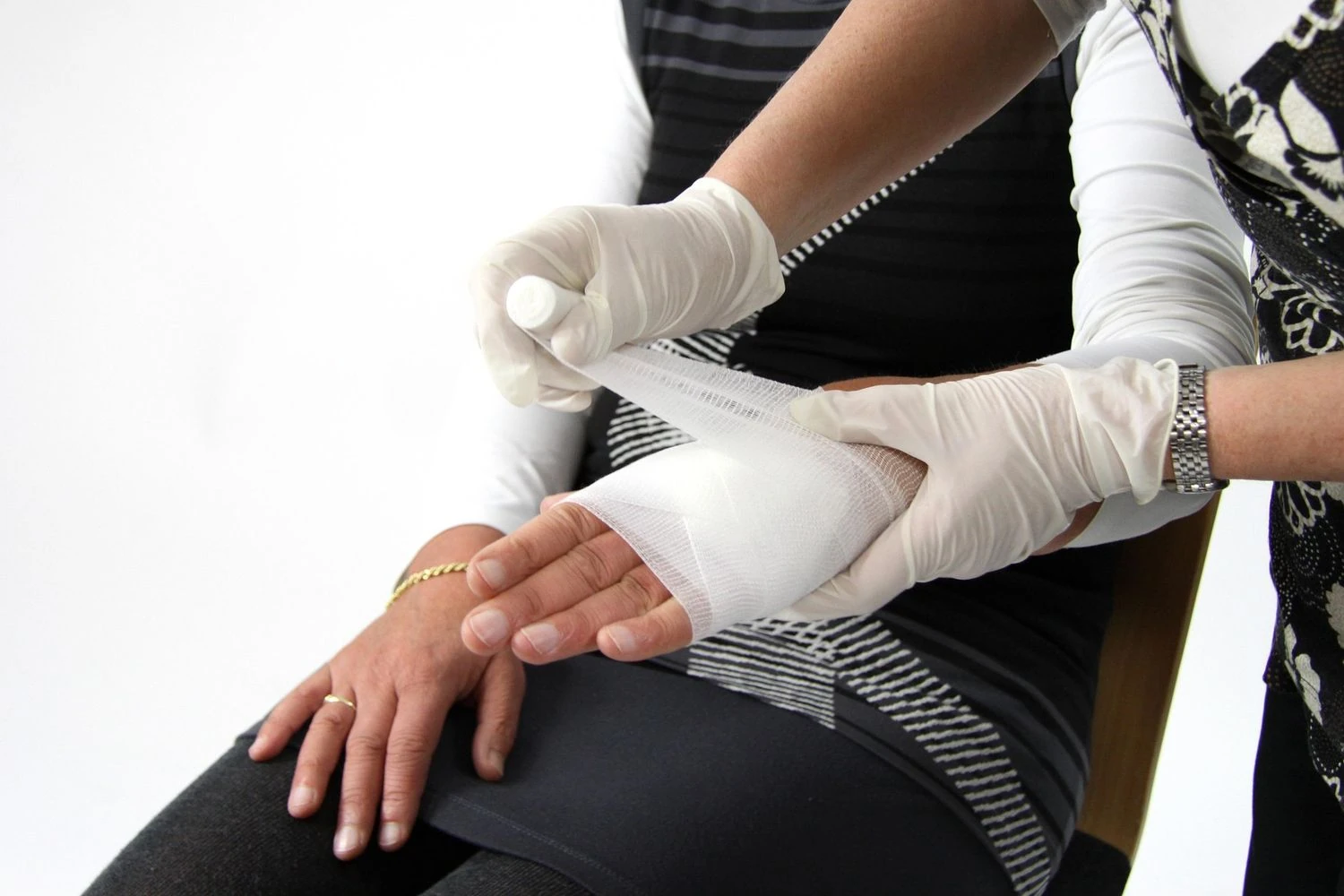
What not to do for burns
The most common mistake with burns is trying to help the injured person with "folk" remedies. Oil, sour cream, kefir, cream, toothpaste, alcohol, and brilliant green are often applied to the affected skin or even an open wound. All these methods have one drawback: the substances form a film on the surface that traps heat. Because of this, the damaged tissues do not cool down, and the burns become deeper.
Another mistake is applying ice. A sharp temperature drop causes additional cell damage. Because of this, ice, ice water, or cold packs may not help, but add a new injury.
Doctors also prohibit piercing blisters that have formed at the burn site, rubbing the affected skin area, tightly bandaging the wound, or applying cotton wool to it. All this can lead to tissue infection.
Separately, it is worth mentioning sprays, ointments, and "burn remedies" from the home medicine cabinet. In the acute period, the main thing is to cool the burn site. After that, the wound must be covered with a sterile bandage and seek medical help, and not self-medicate.
When can you limit yourself to first aid, and when do you need a doctor?
At home, you can only provide first aid for a small superficial burn.
All other situations require medical attention.
According to the recommendations of the Center for Public Health, you should immediately call 103 if the burn area in an adult is 10% of the body surface or more, and in a child 5% or more. Emergency care is also needed for eye burns, respiratory tract burns, or when a burn is combined with another injury.
In other words, if the burn site is larger than the victim's palm, the wound appears deep, the skin has turned white, charred, or sensitivity has sharply decreased, it is better not to limit yourself to self-care. The Ministry of Health also advises seeking help if you are concerned about the appearance of the burn or if the person's condition worsens.
What to do if a child gets a burn
Burns are especially dangerous for children because their skin is thinner and damages faster. Therefore, even brief contact with hot liquid or steam can lead to a more serious injury than in an adult. That is why, in the case of a child, you need to act quickly and consistently: cool the damaged area with cool water, remove clothing if it has not stuck, give pain medication in age-appropriate dosage if necessary, and consult a doctor even if the burn seems small.
However, too long cooling can also become dangerous. Especially if parents put the child in a cold bath or hold a cold pack for too long.
What to do for chemical and electrical burns
Chemical burns require special caution. If a substance gets on the skin, you need to quickly remove clothing, shoes, and jewelry, if they have not stuck, and rinse the affected area with plenty of water. After that, you should consult a doctor. You should not independently "neutralize" acid with alkali or vice versa, because such actions can only worsen the damage.
In case of an electrical burn, the main rule is to immediately eliminate the effect of the current. If possible, you should turn off the power source or push away the wire with a non-conductive object, and not touch the victim with your hands. After that, the victim should be examined by a medic, even if the external damage seems insignificant.
As doctors explain, first aid for burns at home comes down to four actions:
- stop the source's action;
- cool the affected area with cool water;
- protect the wound with a clean bandage;
- seek medical attention in time if the burn is large, deep, or occurred in a child.
ATTENTION! The material is for informational purposes only. If you are concerned about health problems, consult a doctor.