









Among millions of tenders, plans for 11 nuclear military bases of the Russian Federation have been revealed: hundreds of object diagrams.
Kyiv • UNN
Journalists from Danwatch have found plans for 11 Russian nuclear weapon storage facilities in tender documentation. Details of fortifications have been revealed, as well as the involvement of European brands in the modernization of Russian bases.

Investigative journalists from Danwatch have filtered more than two million files of Russian tenders from the largest military contractors. Among the construction drawings, data on 11 facilities used for storing Russian nuclear weapons were discovered. UNN reports with reference to Danwatch and Der Spiegel.
Details
Journalists from the Danish media center Danwatch, after analyzing millions of files of tender documentation for construction projects in Russia, obtained plans for secret nuclear facilities in Russia. It turned out that plans for missile bases of the Russian Armed Forces for strategic purposes are publicly available.
According to Danwatch, Russia uses a total of 11 facilities for storing nuclear weapons.
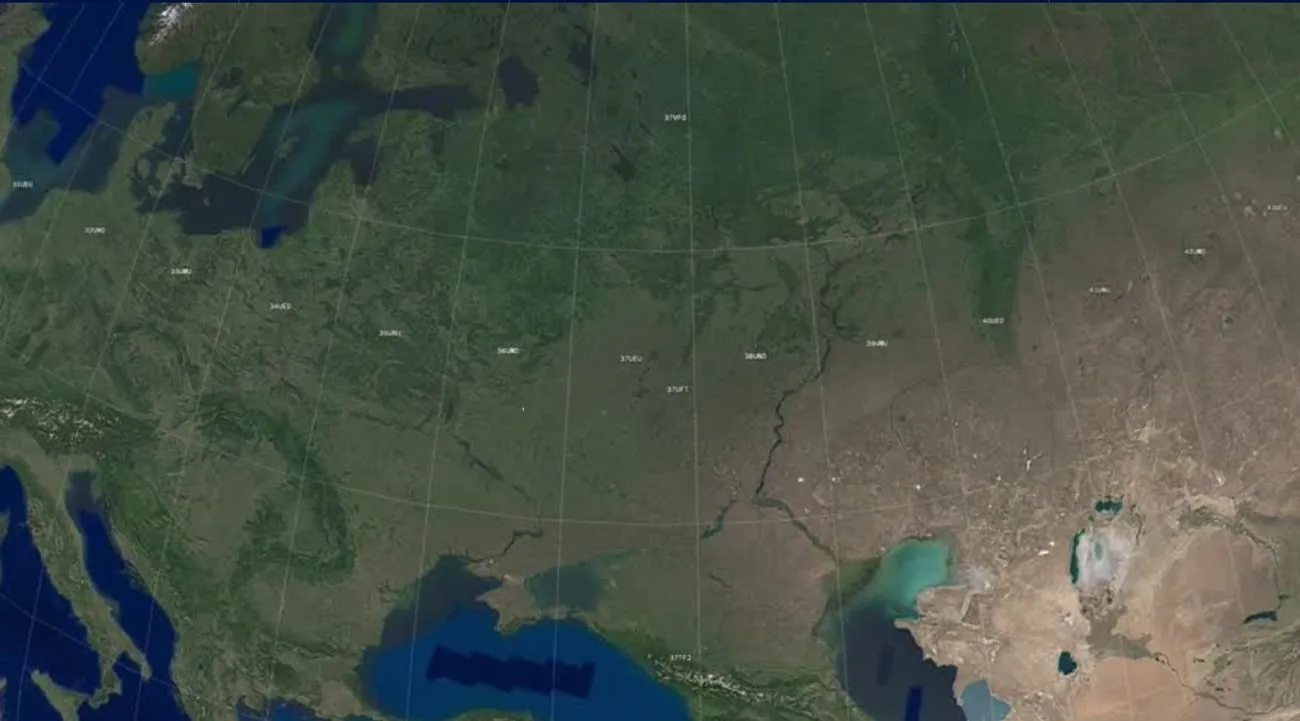
The report mentions the discovery of hundreds of plans for strategic missile bases in the city of Yasny in the Orenburg region.
The area around the city of Yasny is one of 11 places from where Russia can launch its ground-based long-range missiles
Danish nuclear weapons expert Hans Kristensen describes the documents accessed by Danwatch as "absolutely unprecedented, absolutely incredible".
They allow us to understand the systematic nature of the arms build-up. They reveal "what priorities Russia is setting for modernization".
The Danish media center clarifies details regarding the structure of Russian nuclear weapon storage facilities.
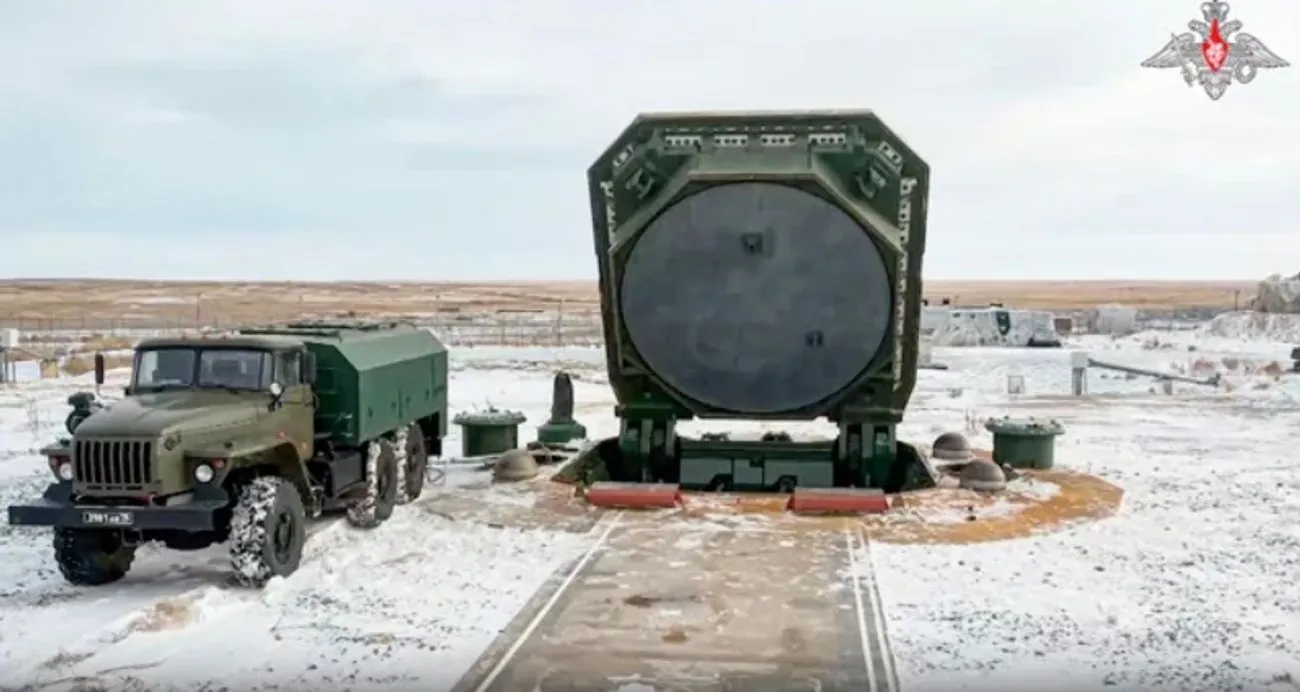
The report states that the bases are externally protected by complex monitoring systems with modern air defense equipment.
Three levels of electric fences, seismic and radioactivity sensors are installed along the outer perimeter. Also - reinforced concrete walls, explosion-proof doors and windows; alarm systems with magnetic contacts and infrared sensors.
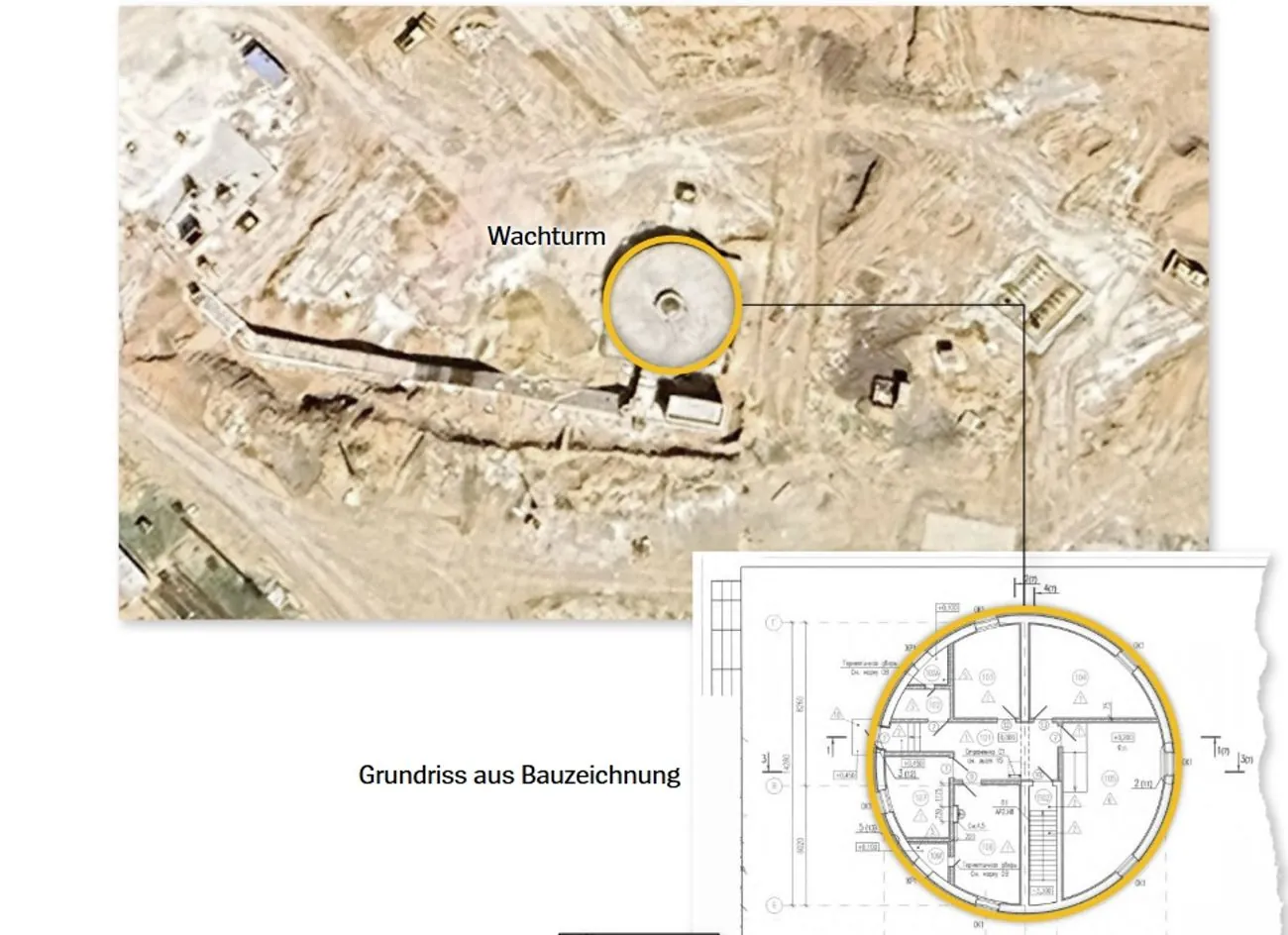
The internal layout of the facilities is described, including the location of storage rooms for protective suits and weapons, control rooms and underground tunnels connecting the rooms. The documents indicate where soldiers eat, sleep, rest and train, as well as what simulators they use and what games they play in their free time.
A former British military intelligence officer called the leak of such documents a "serious failure in procedures" in Russia.
The documents potentially make military bases vulnerable to external attacks.
European brands in the modernization of Russian nuclear weapon storage facilities
According to Spiegel, products from the German company Knauf are involved in the modernization of Russian nuclear weapons facilities.
Direct deliveries from Germany to the agency subordinate to the Russian Ministry of Defense are impossible. However, customers from Russia do not enter into direct contracts with Western companies.
A tender from the fall of 2022 shows how Knauf plaster is purchased for the 368th regiment in Yasny. The key point is the following:
- a small company in Yekaterinburg,
- with a modest, at first glance, office;
- is the only applicant,
And it is this company that gets the contract.
"Knauf" subsidiaries sell products manufactured in Russia "almost exclusively to independent building materials trade. They have no way to influence the choice of the end consumer," said a "Knauf" representative in response to a Spiegel request.
At the same time, there is another tricky aspect - "import substitution".
According to the publication, many sanctions can be circumvented if you only know this magic word.
For example, in June 2022, Russian subsidiaries of Knauf took part in a round table with industry representatives entitled: "Import substitution. Interregional cooperation in the new economic conditions".
Experts from the construction portal later reported on this issue under the headline "Import substitution, Knauf style: modern solutions for bold projects".
At the same time, Knauf Germany stated that it "strictly adheres to sanctions" and does not "actively help Moscow circumvent sanctions".
The strategy is not to export its own branded products from Germany, but to produce them in Russia, the Spiegel article says.
For example, the gypsum filler Unihard was introduced to the Russian market as a replacement for the Knauf Uniflott product after Uniflott deliveries from Germany were suspended after the start of the war.
Let us remind you
Russia has expanded the conditions for the use of nuclear weapons - this applies to both nuclear and non-nuclear attacks, if it threatens the sovereignty or territorial integrity of Russia or its allies.
Tehran may allow US IAEA inspectors to visit its nuclear facilities if negotiations with Washington are successful.