










1,100-year-old burials of elite warriors with exquisite weapons found in Hungary
Kyiv • UNN
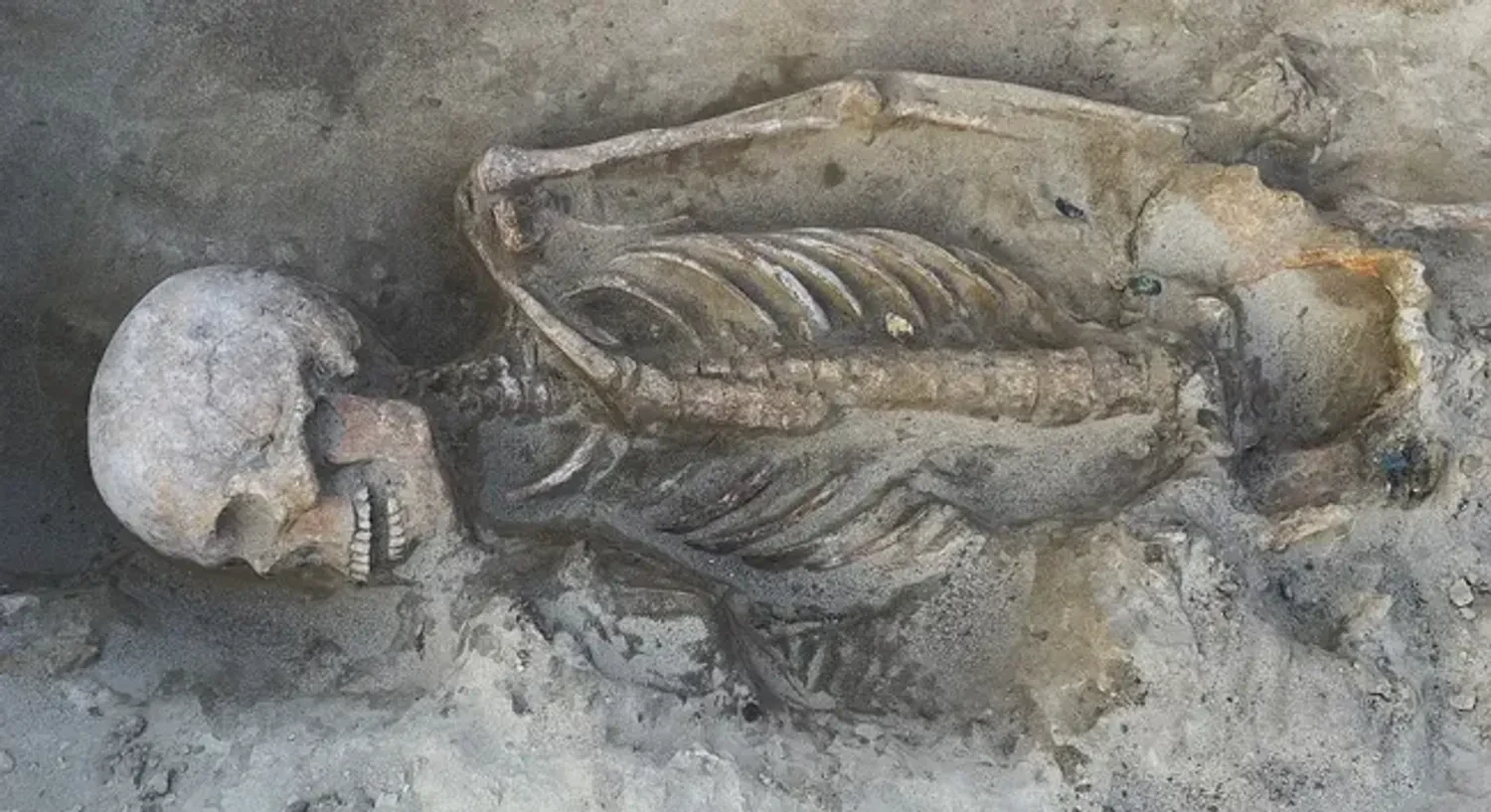
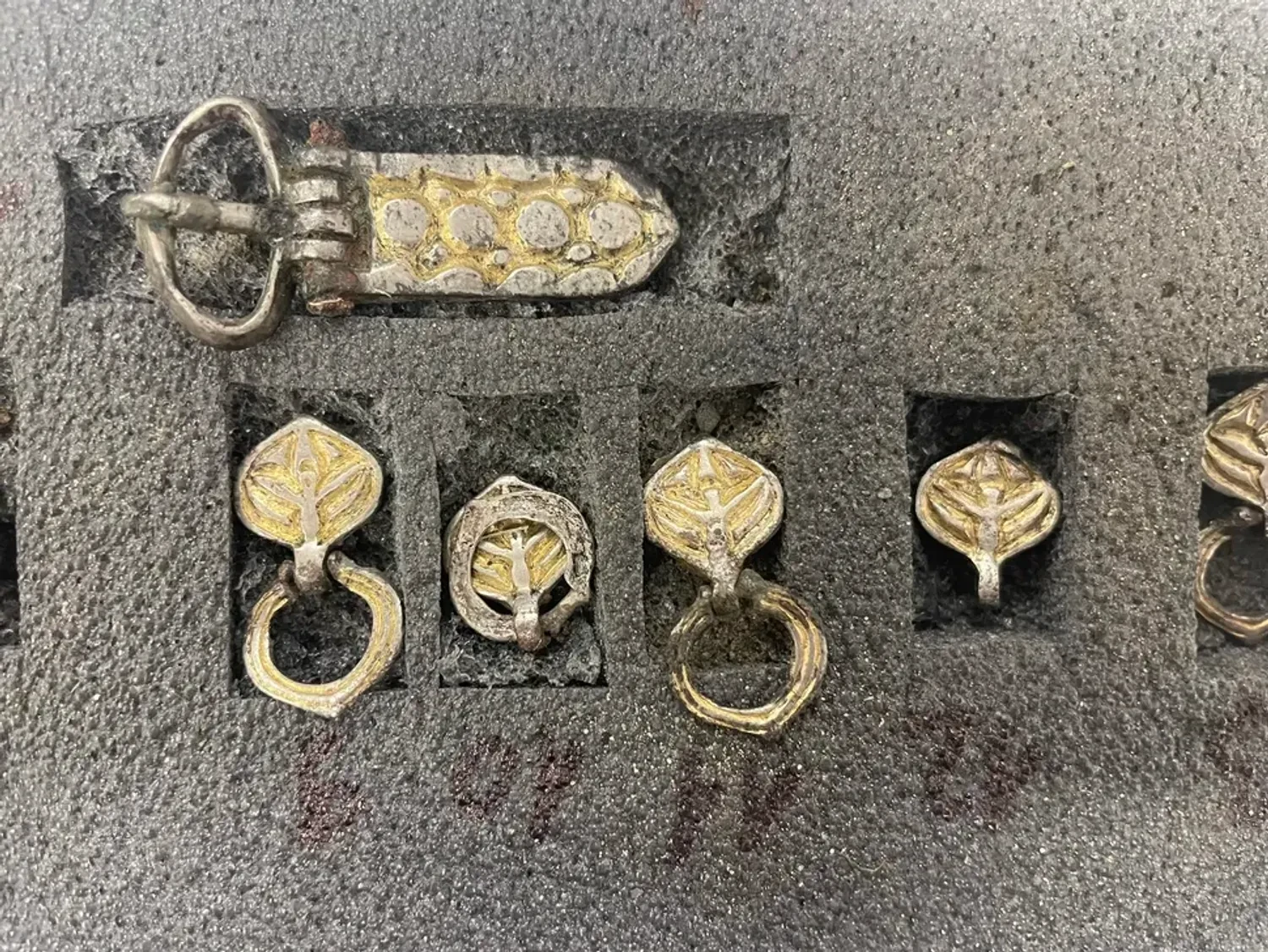
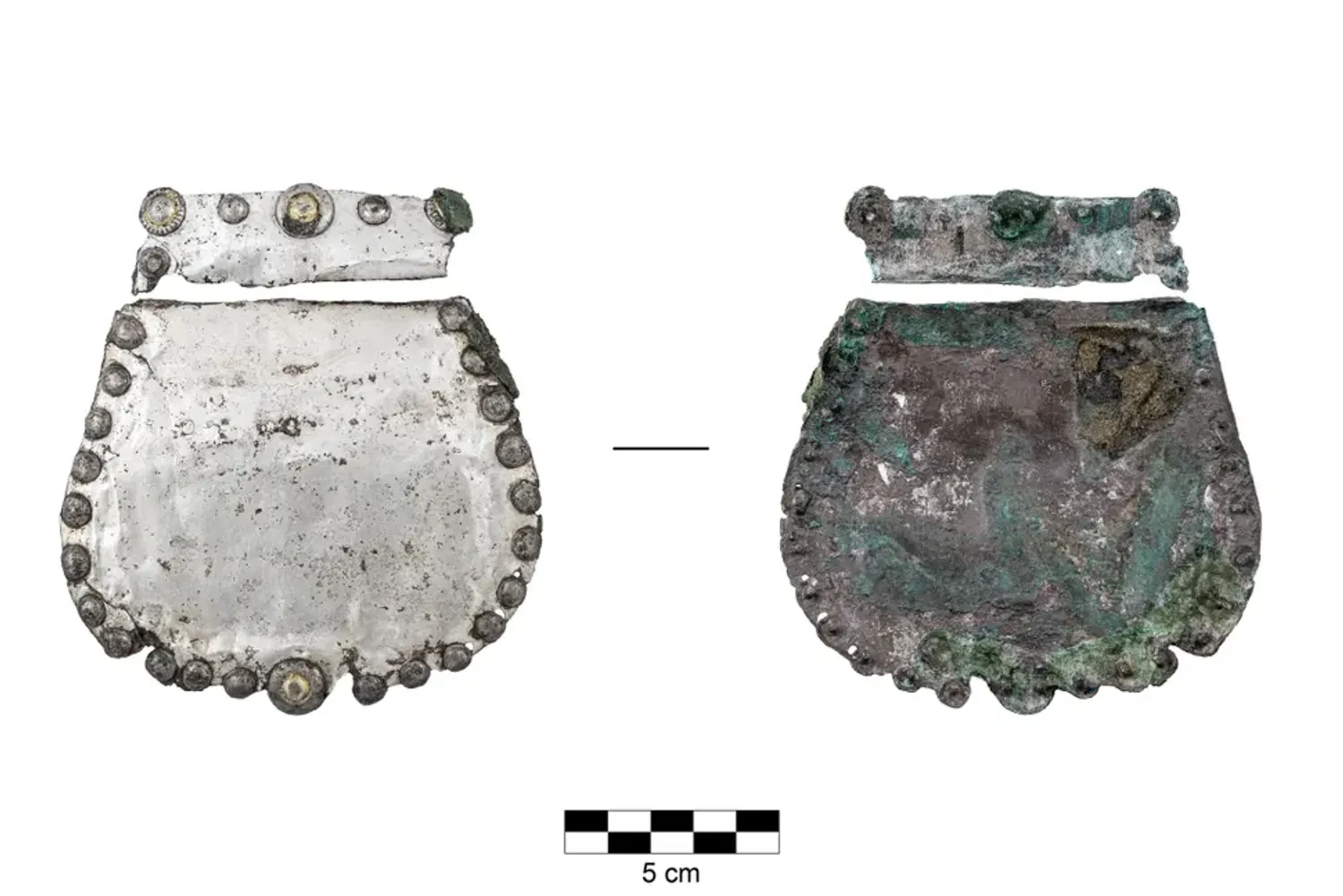
In Hungary, the burials of three elite warriors, approximately 1,100 years old, have been discovered, with DNA analysis confirming their paternal kinship. The men were buried in the 920s or 930s, likely after participating in military campaigns in Italy.

In Hungary, archaeologists have discovered the burial of three elite warriors, approximately 1100 years old. DNA analysis showed that all three were related on their paternal side. This is reported by Live Science, according to UNN.
Details
The burials were discovered near the village of Akasztó, approximately 92 kilometers southeast of Budapest. They were found by volunteers of the Katona József Museum's public archaeology program, and the excavations were carried out by a team of volunteers and specialists led by Vilmos Gábor, head of the museum's archaeological department.
All three men were buried in the 920s or 930s. A total of 81 coins were found in the three burials. Most of them originate from northern Italy and date to the reign of Berengar (888–924), a king who ruled part of Italy and was a great-grandson of Charlemagne. At that time, the Hungarians formed a kingdom in Hungary, and warriors from the kingdom participated in military campaigns in northern Italy. It is possible that the warriors from the burials received the coins during these campaigns, archaeologists said.
DNA analysis showed that all three warriors were related, and one of them was likely the father or brother of the teenage warrior. One man died at the age of 30–35, the other two at 17-18 and 15-16 years old.
According to the publication, the study indicates that the warriors' diet was rich in animal protein. Archaeologists note that based on the nature of the burials, "it can be argued that an elite group of warriors, probably members of the military leadership, was buried here."
The research is currently ongoing. Archaeologists continue to study the burials to learn more about the identities of the warriors and the circumstances of their deaths, which remain unknown.
Recall
In southern Spain, a 5000-year-old Late Neolithic fortress, built around 3000 BC, was discovered. Inside the structure, the body of a Roman soldier, buried 2500 years after its foundation, was found.